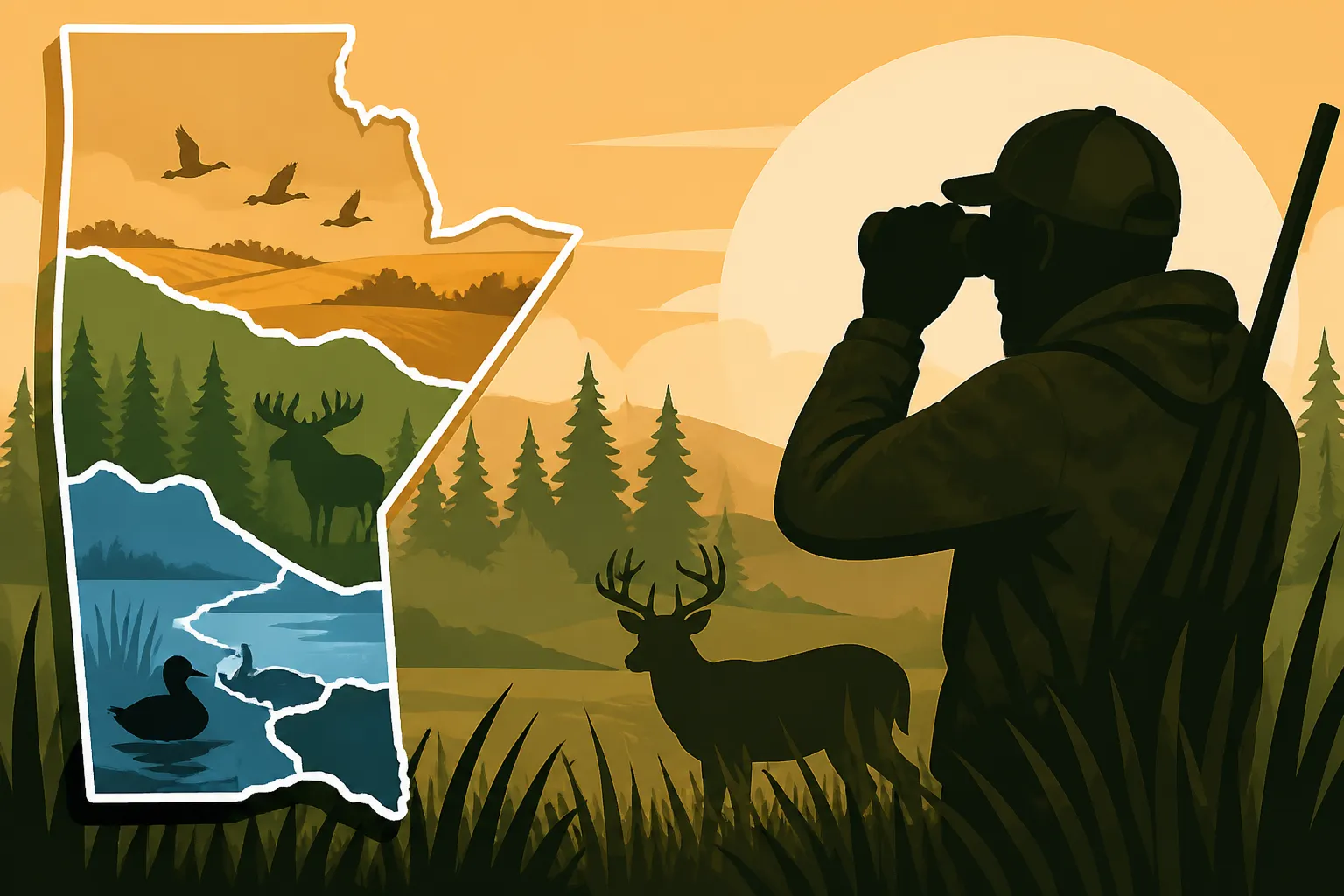
Manitoba’s Managed Hunting Areas
It can feel like a real challenge to find those coveted hunting spots in Manitoba that aren't pounded by everyone else. Between endless private land postings and general Crown Land that gets a lot of pressure, figuring out where you can go and what to expect can be a frustrating puzzle. This guide will break down Manitoba's Managed Hunting Areas, helping you understand what they are, why they exist, and how you can find success within their unique boundaries.
Understanding Manitoba's Managed Hunting Areas
When you first start looking at a map of Manitoba, you'll see a lot of different colours and designations. There's provincial forests, Wildlife Management Areas, Crown Land, and then, a bit more subtly, Managed Hunting Areas (MHAs). These aren't always as prominently marked or discussed as other areas, which can lead to confusion for hunters trying to plan their season. Think of them as special zones where hunting is permitted, but often under specific conditions or for particular management goals. They're not just random patches of bush; they're areas with a purpose.
What Defines a Managed Hunting Area?
Unlike vast tracts of open Crown Land, MHAs are typically established with specific objectives in mind. These objectives might range from controlling certain animal populations, protecting critical habitat, or offering unique hunting opportunities that require a bit more structure. For example, an MHA might be set up in a region prone to chronic wasting disease (CWD) to allow for specific sampling requirements, or it could be a place where special antlerless deer draws are held to manage herd numbers. The defining characteristic is "management" – these areas aren't just open season free-for-alls. There's a thought-out plan behind them.
Often, these areas are smaller than a typical Game Hunting Area (GHA), or they might be specific zones within a larger GHA. This means you can't just assume the general GHA rules apply; you need to dig a little deeper into the specific MHA regulations. It's a layer of complexity that can deter some hunters, but for those willing to do their homework, it can open up less-pressured opportunities. They often represent a more focused approach to wildlife conservation and recreational hunting coexisting.
Differentiating MHAs from WMAs and Crown Land
It's easy to lump all public access lands together, but there are important distinctions that hunters need to grasp. Manitoba's Wildlife Management Areas (WMAs) are primarily designated for wildlife conservation, providing habitat and often acting as sanctuaries or critical breeding grounds. While hunting is often permitted in WMAs, their primary focus remains ecological. General Crown Land, on the other hand, is simply land owned by the province, open for various recreational uses including hunting, with fewer explicit habitat management directives unless it falls under another designation.
Managed Hunting Areas bridge a gap. They are managed for hunting, but with particular rules or seasons that might differ from both general Crown Land and even WMAs. For instance, a WMA might have a broad "deer season," but an MHA within or adjacent might have an "antlerless deer only" season, or a specific permit-only hunt. The regulatory framework for MHAs is usually more precise, designed to achieve very specific population or land-use goals. It’s crucial to understand these nuances, because showing up with the wrong tag or during an unauthorized season could quickly turn a hopeful hunt into a costly violation. Always check the annual hunting guide for the exact rules for any given MHA you plan to hunt.
The Purpose Behind Managed Hunting Areas
Managed Hunting Areas aren't created on a whim. They come into existence to serve specific, often critical, wildlife management and conservation purposes. Understanding these underlying goals can help you appreciate why certain rules are in place and how your participation contributes to the broader health of Manitoba's ecosystems. It's more than just providing a place to hunt; it's about sustainable management.
Conservation and Population Management Objectives
One of the primary drivers behind the creation of MHAs is conservation. These areas might be home to vulnerable species, critical wintering grounds, or important migratory corridors. By designating them as MHAs, the province can implement tailored regulations to protect these resources. For example, some MHAs might restrict certain types of hunting, limit access during sensitive periods, or target specific animal populations for reduction if they are overabundant or causing damage. This proactive management helps maintain ecological balance and ensure healthy populations for future generations.
You might find MHAs established in regions where a particular species needs a boost, leading to more restrictive hunting seasons or bag limits. Conversely, if a species like deer or elk is overpopulating an area and causing agricultural damage, an MHA might be used to facilitate increased harvest through special draws or extended seasons. It's a dynamic system, and the rules often reflect the current status and challenges of the local wildlife. Hunters entering these areas become partners in this conservation effort, even if they don't explicitly realize it.
Providing Unique Hunting Opportunities
Beyond pure conservation, MHAs are also designed to offer diverse hunting experiences. For hunters seeking something a bit different, or perhaps less crowded than general access Crown Land, MHAs can be a real gem. These areas might host specific draws for antlerless deer, special youth hunts, or even hunts for particular species that aren't commonly found elsewhere in the region. This provides an avenue for hunters to participate in specialized hunts that contribute to population control while enjoying a unique outdoor experience.
Imagine you're trying to Fill a Second Deer Licence in Manitoba. An MHA with an antlerless quota might be exactly what you need. These opportunities can be fantastic for introducing new hunters to the sport or for experienced hunters looking to expand their skills. The regulations might seem complex at first, but with a bit of research, these areas can unlock access to less-pressured game and unique challenges. They're often smaller, more intimate settings where strategic hunting can truly pay off, as long as you adhere to the specific guidelines laid out for that particular MHA.
Navigating Rules and Regulations in MHAs
The biggest hurdle for many hunters considering Managed Hunting Areas is the perceived complexity of the rules. It’s true, MHAs often come with their own set of specific regulations that go beyond the general GHA guidelines. But don't let that deter you! With a bit of careful reading and planning, you can navigate these rules and find some truly rewarding hunting. The key is never to assume anything.
Common Restrictions and Special Conditions
MHAs frequently have rules that differ significantly from surrounding areas. These can include anything from weapon restrictions (e.g., archery-only zones during certain periods), specific hunting hours that deviate from the provincial norm, or even limitations on vehicle access. You might find "no motorized vehicles" rules, pushing you to truly walk in and experience the quiet of the bush. Some MHAs might also have different blaze orange requirements or rules around baiting, depending on the species and the management objectives. Manitoba Rules on Baiting Big Game can vary, so always check the specific MHA guidelines.
It’s not uncommon to see specific bag limits or sex-specific tags for deer in MHAs, often designed to manage local herd dynamics. For instance, an MHA might have a lottery draw for antlered deer, while surrounding GHAs have over-the-counter tags. Always consult the most recent Manitoba Hunting Guide and any specific MHA addendums. Missing a detail could lead to a fine, or worse, the loss of your hunting privileges. It's worth printing out the specific section for your chosen MHA and carrying it with you in the field.
Permits, Draws, and Application Processes
Access to some MHAs, particularly for high-demand species or limited quotas, might require a special permit obtained through a draw system. This is where you might encounter specific application deadlines and results postings. Unlike general licences, these MHA-specific permits are often limited in number, meaning competition can be stiff. It’s essential to understand How Manitoba's Draw Application Works and to submit your application well in advance of the deadline.
| MHA Access Type | Description | Typical Species/Goal | Complexity for Hunter |
|---|---|---|---|
| General Access | Open to all licensed hunters following standard GHA and MHA rules. | Whitetail deer, bear, waterfowl | Low – Medium |
| Special Draw Permit | Requires successful application through a lottery draw system. | Antlered elk, moose, specific deer quotas | Medium – High |
| Permit-Only (Over-the-Counter) | Specific permit needed, but usually available for purchase without a draw. | Antlerless deer, youth hunts, extended seasons | Medium |
| Restricted Seasons | Only open for certain weapon types or periods. | Archery-only, muzzleloader-specific, late seasons | Medium |
For many, the draw system can seem daunting, but it's a fair way to distribute limited opportunities. Services like GoHunt can sometimes provide insights into draw odds and help you track application periods, though direct consultation with the provincial regulations is always paramount. Don't be afraid to apply for these draws; you can't get a tag if you don't put your name in the hat! Even if the odds are long, the potential for a unique hunt in a less-pressured area is often worth the effort.
Finding and Scouting Your MHA Opportunity
The first step to hunting in a Managed Hunting Area is knowing where they are and how to effectively scout them. This often requires a more detailed approach than just looking at a general provincial map. Thanks to modern technology, finding these areas and understanding their terrain has become much more accessible.
Locating MHAs and Understanding Boundaries
One of the biggest frustrations can be simply finding where these MHAs begin and end. Traditional paper maps might not always delineate them clearly, and relying on general knowledge can lead to costly mistakes. This is where digital mapping tools become invaluable. Applications like onX Hunt are incredibly useful for overlaying different land ownership and management layers, allowing you to see MHA boundaries with precision. Being able to zoom in and see the exact lines on a satellite image can prevent accidental trespass or hunting outside a permitted zone.
When you're looking at a GHA map, pay close attention to the legends and any specific call-outs for smaller, numbered or named areas within. These are often your MHAs. Once you've identified a potential MHA, cross-reference it with the official Manitoba Hunting Guide. This double-check is crucial because digital maps might occasionally be out of date or miss a specific nuance in the regulations. Reading a Manitoba GHA Map Before You Go is a skill every hunter should master, especially when dealing with complex boundaries like those found in MHAs. Look for boundary markers on the ground when scouting, but trust your GPS and maps first.
Scouting Strategies for Managed Areas
Once you've pinpointed an MHA, the scouting truly begins. Because these areas are often designed for specific management goals, you might find they offer different game movement patterns or habitat characteristics compared to the surrounding landscape. If an MHA is focused on reducing deer numbers, for example, it might mean there's still a healthy population to pursue. Use satellite imagery on onX Hunt or similar tools to identify potential bedding areas, feeding zones, and travel corridors before you even set foot on the ground. Look for changes in vegetation, water sources, and pinch points.
Physical scouting is still irreplaceable. Walk the edges of the MHA, paying attention to signs of animal activity. Look for tracks, rubs, scrapes, and droppings. If the MHA has special rules, like limited vehicle access, this can mean less human pressure deeper inside, so be prepared for longer walks. Consider setting up trail cameras, if permitted, to get a better sense of what animals are using the area and when. Remember that MHAs are designed for a purpose; often, this means excellent habitat that concentrates game, even if the regulations are more restrictive. It’s about putting in the effort to unlock those unique opportunities.
Benefits and Challenges of Hunting MHAs
Like any hunting opportunity, Managed Hunting Areas come with their own set of pros and cons. It's important to weigh these before committing your time and effort, but for many, the benefits far outweigh the challenges.
The Upsides: Less Pressure, Unique Opportunities
One of the biggest drawcards for MHAs is the potential for less hunting pressure. Because of the often more complex rules, the need for specific permits, or limited access, many hunters simply overlook or avoid these areas. This can translate into a quieter hunt and potentially more undisturbed game for those willing to do their homework. Imagine finding a pocket of woods or marsh that consistently holds animals because other hunters aren't willing to jump through a few extra hoops. That's the MHA advantage.
Furthermore, MHAs often provide access to unique hunting opportunities that aren't available elsewhere. This might include special extended seasons, unique species quotas, or even hunts specifically designed for youth or disabled hunters. These can be fantastic experiences, allowing you to chase a specific animal or participate in a hunt that truly aligns with your personal goals. For instance, some MHAs might be key areas for Manitoba's Second Deer Licence Rules, giving you an extra chance to fill your freezer or chase another buck. These tailored opportunities are a testament to the management efforts within these specific zones.
The Downsides: Restrictions and Learning Curves
On the flip side, the very nature of MHAs presents challenges. The primary one is the added layer of rules and restrictions. Forgetting a minor detail about weapon choice, shooting hours, or access points could lead to serious repercussions. This means a more intensive learning curve and constant vigilance in ensuring you're compliant. It's not a set-it-and-forget-it kind of hunting. You truly need to be dialled into the current regulations.
Another challenge can be limited access. Some MHAs might have gates, require foot access only, or have restrictions on where you can park or set up camp. This might mean more physical effort to get to prime hunting locations or require alternative strategies for game retrieval. Getting a Deer Out on a Frozen Trail or through dense bush can be challenging enough without added access restrictions. However, for those who embrace the physical challenge, this can often be what keeps the masses away, making for a more solitary and potentially more rewarding experience. It's a trade-off: more homework and effort, but potentially greater reward.
Maximizing Your Success in Managed Hunting Areas
So, you've decided to tackle an MHA. Great! Now, let's talk about how you can tilt the odds in your favour. Success in these areas often boils down to meticulous planning, understanding the specifics, and adapting your hunting style.
Thorough Research and Preparation
The absolute cornerstone of MHA hunting success is preparation. Start by getting the most current Manitoba Hunting Guide. Don't just skim it; read the sections pertaining to your chosen GHA and specifically any MHAs within it, word for word. Look for exceptions, specific dates, and any unique definitions. Cross-reference this with online resources from Manitoba's provincial government, as updates can sometimes occur. If you have any doubts, call a local conservation officer or the provincial wildlife branch. It’s always better to ask than to guess.
Beyond regulations, research the specific habitat of the MHA. What kind of cover does it offer? What are the primary food sources? Is there water readily available? Use mapping tools like onX Hunt to virtually scout for these features, noting potential travel routes and pinch points. The more you know about the area's natural characteristics and how they interact with its managed status, the better equipped you'll be to predict game movement. Prepare your gear to match the MHA's access rules – if it's foot access only, lightweight gear and efficient packing are key.
Adapting Your Hunting Approach
Hunting an MHA often demands a flexible and adaptive approach. If the area sees limited pressure due to access restrictions, game might be less wary, allowing for more aggressive calling or stalking techniques. Conversely, if it's a popular MHA with limited permits, you might need to adjust your strategy to hunt smarter, not harder. Consider the time of year and the specific MHA regulations. For example, if it's an archery-only MHA, then you’ll be focused on close-range encounters and silent movement. Bowhunting Manitoba's Early Season in an MHA could provide incredible opportunities if you adapt to the quieter environment.
Be prepared for solitude, and possibly, more physical exertion. If vehicle access is restricted, you'll be putting in the miles on foot, which means a different kind of endurance and planning for packing out game. If an MHA targets a specific population segment, like antlerless deer, your focus shifts from trophy hunting to pure meat gathering. Embrace the unique challenge. The MHA might push you out of your comfort zone, but that's often where the most memorable and successful hunts happen. It's about being a well-informed and respectful hunter, ready to engage with the land on its own terms.
Disclaimer
This article is for general informational purposes only and does not constitute professional advice. Laws, prices and regulations vary by location and change over time. Consult a qualified professional for guidance on your specific situation.