Manitoba Wildlife Management Area Rules
Manitoba is a province rich with hunting opportunities, but for many hunters, understanding the nuances of different land designations can be a real headache. One common area of confusion revolves around Wildlife Management Areas (WMAs) – what they are, what you can and can't do there, and how they fit into your hunting plans. This comprehensive guide aims to demystify Manitoba's WMA rules, helping you navigate these vital public lands safely, legally, and successfully.
Understanding Manitoba's Wildlife Management Areas
Manitoba's Wildlife Management Areas are cornerstones of conservation and public hunting access. They are specifically designated areas managed by the provincial government with the dual purpose of protecting wildlife habitat and providing recreational opportunities, including hunting. These aren't just random tracts of bush; they are strategically chosen and managed to enhance conditions for various game species, from waterfowl to white-tailed deer.
The Purpose and Philosophy Behind WMAs
At their core, Wildlife Management Areas exist to conserve and enhance wildlife populations and their habitats. Think of them as dedicated spaces where wildlife takes precedence. The provincial government invests resources into these areas for habitat restoration, land acquisition, and management practices designed to benefit a diverse array of species. This could involve anything from controlling invasive species, planting food plots, managing water levels in wetlands, or even conducting prescribed burns to rejuvenate cover.
Beyond conservation, WMAs serve as crucial public hunting grounds. For many Manitoba hunters, especially those who don't have access to private land, WMAs represent a vital resource. They embody the philosophy of shared public land for shared benefit, providing accessible spaces where residents can pursue their passion for hunting. The regulations within these areas are often designed to balance hunting pressure with conservation goals, ensuring sustainable use for generations to come. It’s a delicate dance, but the intention is always to provide robust populations and quality experiences.
How WMAs Differ from Other Public Lands
While all Crown land in Manitoba technically belongs to the public, WMAs operate under a distinct set of rules and management objectives compared to, say, provincial forests or general Crown land. The key difference lies in their primary designation: wildlife management. Provincial forests, while often open to hunting, might have primary objectives related to timber harvesting or recreational activities like camping and hiking, with hunting being a secondary consideration. General Crown land can be vast and varied, sometimes with minimal specific management, and access might be less defined.
WMAs, however, are specifically delineated for wildlife first. This means regulations within WMAs are often more specific and sometimes more restrictive regarding certain activities (like ATV use or baiting) to protect habitat or manage game populations. They might have stricter rules on things like camping or fires to minimize human impact on sensitive ecosystems. Understanding these distinctions is crucial; what's allowed in a provincial forest might not be permitted in a nearby WMA, and vice-versa. Always check the specific GHA (Game Hunting Area) and WMA regulations before heading out.
Identifying and Locating WMAs for Your Hunt
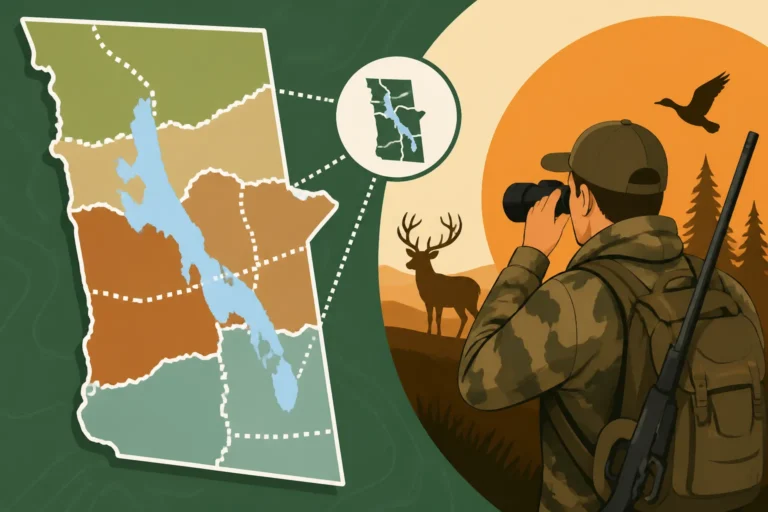
Finding and understanding the boundaries of Manitoba's WMAs is the first step to a successful hunt. These areas are spread throughout the province, from the prairie pothole country to the edge of the boreal forest, each offering unique opportunities. The official Manitoba hunting guide usually contains maps and lists of WMAs, often delineated by their corresponding Game Hunting Area (GHA). However, these paper maps can sometimes be broad-stroke.
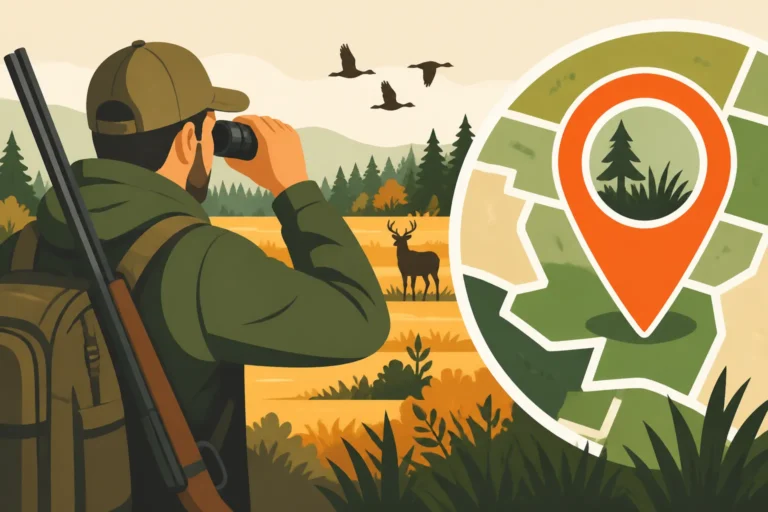
For more precise navigation, digital mapping tools are invaluable. Platforms like onX Hunt have become essential for modern hunters, offering detailed satellite imagery overlaid with property lines, including WMA boundaries, Crown land, and private land ownership. This allows you to pinpoint exactly where you are and ensure you're within the legal hunting boundaries of a WMA, avoiding accidental trespass onto private property or other restricted zones. Services like GoHunt also provide valuable resources and detailed maps, often integrating information on species distribution and access points. Learning how to read and interpret these digital maps, understanding the different layers, can save you a lot of grief and ensure you're making the most of your time in the field. Scouting With Satellite Imagery in Manitoba can be a game-changer for this.
General Regulations for Hunting in WMAs
Hunting in Wildlife Management Areas comes with a set of overarching rules designed to maintain safety, protect the environment, and ensure fair chase. These aren't just suggestions; they are legally binding regulations that every hunter must adhere to. Ignoring them can lead to fines, loss of hunting privileges, and even confiscation of equipment.
Licence and Tag Requirements Specific to WMAs
Just like any other hunting land in Manitoba, you'll need the appropriate licences and tags to hunt in a WMA. This means a valid Manitoba hunting licence for residents or a non-resident licence if you're visiting, along with the correct species-specific tags for whatever game you are pursuing. For example, if you're deer hunting in a WMA, you'll need your Manitoba Resident Hunting Licence Cost and a deer tag. What's often overlooked, however, are potential WMA-specific nuances.
Some WMAs might have special draw requirements for certain species or antler restrictions that differ from the general GHA rules they fall within. Always consult the current Manitoba hunting guide and GHA map for the specific WMA you plan to hunt. Don't assume the rules are uniform across all WMAs or even across an entire GHA. Conservation efforts might necessitate unique regulations to manage local populations. Always ensure your tags are properly validated immediately after a kill, as per provincial regulations.
Blaze Orange, Firearms, and Safety Considerations
Safety is paramount in any hunting scenario, and WMAs are no exception. Manitoba's blaze orange requirements apply universally where specified, meaning you'll need to wear a minimum amount of blaze orange clothing during big game rifle seasons for visibility. This is for your safety and the safety of others, especially given that WMAs are often popular hunting destinations.
When it comes to firearms, all provincial regulations regarding legal calibres, shot types, and bow draw weights apply. Additionally, specific WMAs might have restrictions on certain types of firearms, or even implement "shotgun-only" or "archery-only" zones to manage hunting pressure or for proximity to populated areas. Always check the rules for the specific WMA. Practicing safe firearm handling, identifying your target and what's beyond it, and knowing your effective range are non-negotiable. Remember, WMAs are public lands, meaning other users like hikers, birdwatchers, or even other hunters might be present. Be aware of your surroundings and exercise extreme caution.
Vehicle, ATV, and Trail Use Rules Within WMAs
Accessing the heart of a WMA often involves navigating its interior, and this is where vehicle rules become critical. Many WMAs have strict regulations regarding motorized vehicle use to minimize habitat disturbance, prevent erosion, and maintain the wild character of the area. While main access roads might be open to vehicles, many internal trails, fire breaks, or designated conservation areas will be restricted to foot traffic only.
ATV or side-by-side use is frequently limited to designated trails or for game retrieval only, and sometimes requires special permits or is prohibited entirely. Driving off-road is almost universally forbidden. These rules are in place to prevent habitat destruction, protect sensitive ecosystems, and reduce noise pollution that can disturb wildlife. Before you even load your quad, verify the specific WMA's policies on motorized vehicle access. You don't want to get stuck, or worse, face a hefty fine for violating regulations. Always park in designated areas and be prepared to hoof it if the best hunting spots are off-limits to wheels. Quad and Side-by-Side Rules on Crown Land gives more provincial context.
Species-Specific Hunting in Manitoba WMAs
Manitoba's Wildlife Management Areas are designed to support a wide range of game species, offering diverse hunting experiences. However, the specific rules, seasons, and opportunities can vary significantly depending on the animal you're pursuing and the particular WMA you're in.
Deer and Moose Hunting Opportunities and Limitations
WMAs are often prime spots for deer hunting, especially for White-Tailed Deer, Manitoba's Most Hunted Animal. Many WMAs, particularly in the Parkland and Interlake regions, provide excellent habitat with a mix of cover, food, and water. These areas can hold good numbers of deer, and some even produce impressive bucks. For deer, general GHA seasons apply, but as mentioned, some WMAs might have specific antler point restrictions or special seasons to manage populations locally. Always confirm these details.
Moose hunting in WMAs is less common than deer, as moose typically require larger tracts of boreal habitat. However, some larger, more northern WMAs or those bordering provincial forests might offer moose opportunities, usually through the draw system. Where moose hunting is available, conservation closures might also be in effect in specific areas or WMAs, reflecting the ongoing efforts to manage Manitoba's Moose Population Trend. It's crucial to consult the Manitoba Moose Conservation Closures list to ensure your chosen WMA is open for moose hunting. Limitations often revolve around permit numbers and geographical restrictions to protect vulnerable populations.
Waterfowl and Upland Bird Hunting in WMA Wetlands and Fields
For bird hunters, many WMAs are absolute gems. Manitoba's reputation as a waterfowl mecca is heavily supported by its network of WMAs, particularly those situated in the prairie and parkland regions, which are dotted with prime wetlands and agricultural fields. These areas are vital staging and nesting grounds for Manitoba's Ducks and Geese by Flyway. You'll often find excellent opportunities for ducks, geese, and even Manitoba's Sandhill Cranes and Their Migration. Waterfowl hunting in WMAs typically follows the provincial migratory bird seasons and limits, but always be aware of specific WMA rules on decoy spreads, blind construction, and non-toxic shot requirements.
Similarly, WMAs with good upland cover – think grasslands, brush, and light timber – can be fantastic for Manitoba's Upland Birds and Where They Live like sharp-tailed grouse, ruffed grouse, and Hungarian partridge. Walking Up Sharp-Tailed Grouse in Manitoba is a classic WMA experience. The mix of habitat found within many WMAs often creates perfect conditions for these birds. Remember to always use non-toxic shot when hunting migratory birds, a rule that extends to many wetland-rich WMAs even if you're technically hunting upland birds in an adjacent field.
Predator and Small Game Hunting in WMA Landscapes
Beyond big game and birds, WMAs can also provide opportunities for predator and small game hunting. Coyotes are prevalent across much of Manitoba's farmland and parkland WMAs, offering year-round hunting opportunities (though specific rules on night hunting or calling may apply). Calling Coyotes at First Light in a WMA can be an exhilarating experience, contributing to wildlife management by helping to control predator populations that can impact deer and bird numbers.
Small game like snowshoe hare and various furbearers can also be found in WMAs, particularly those with a mix of forest and dense cover. Trapping, if permitted and licenced, will have very specific rules within WMAs due to their protected status. Always check the regulations for the particular WMA you intend to hunt or trap in, as these rules can sometimes be more stringent than on general Crown land. The goal is always to balance hunting access with the primary objective of wildlife and habitat conservation.
| Species Category | Common WMA Opportunities | Key Regulations/Considerations |
|---|---|---|
| Big Game | White-tailed Deer, (some) Moose, Black Bear | GHA seasons apply; check for WMA-specific antler restrictions, special draw needs, or moose closures. |
| Waterfowl | Ducks, Geese, Sandhill Cranes | Migratory bird seasons; non-toxic shot required; check for blind/decoy rules. |
| Upland Birds | Sharp-tailed Grouse, Ruffed Grouse, Hungarian Partridge | Upland bird seasons; non-toxic shot recommended/required near wetlands. |
| Predators | Coyotes, Wolves (northern) | Year-round for coyotes (check night hunting permits); specific season for wolves. |
| Small Game | Snowshoe Hare | Follow general provincial seasons; minimal WMA-specific restrictions usually. |
Access, Boundaries, and Responsible Use of WMAs
Hunting in Wildlife Management Areas is a privilege, and with that comes the responsibility of understanding access points, respecting boundaries, and adhering to a strong code of ethical conduct. Missteps in these areas can not only land you in trouble but also jeopardize future public access.
Using Mapping Tools to Navigate WMA Boundaries
One of the most common mistakes hunters make is unknowingly crossing into private land or a restricted zone within a WMA. This is where modern technology shines. As mentioned earlier, dedicated mapping apps are invaluable. When you're in the field, apps like onX Hunt or GoHunt provide real-time GPS tracking against detailed property maps, showing you exactly where the WMA boundaries lie, which parcels are private, and any internal no-hunting zones or refuges.
Before you leave home, spend time thoroughly studying the WMA you plan to visit using these tools. Look for natural boundaries like rivers or roads, but also pay close attention to surveyed lines that might be less obvious on the ground. Identify access points, parking areas, and potential spots where you might inadvertently cross onto private property. Knowing your location precisely is not just about avoiding legal trouble; it’s about hunting effectively and making sure you’re always on land where you have permission. Always download offline maps before you head out, as cell service can be spotty in many WMAs. You can't rely on being able to pull up a map when you're deep in the bush.
Camping, Fires, and Overnight Stays
While WMAs are public land, they are not necessarily designated campgrounds. Rules around camping, campfires, and overnight stays can vary significantly. In many WMAs, primitive camping might be allowed, but often without designated sites or amenities. Open fires might be prohibited entirely or restricted to specific conditions, especially during dry periods or fire bans. The emphasis is always on minimal impact.
Always check the specific WMA rules regarding camping and fires before you pack your gear. If camping is permitted, practice leave-no-trace principles: pack out everything you pack in, minimize your footprint, and leave your campsite cleaner than you found it. Overnight stays, whether in a tent or a vehicle, should also adhere to any posted regulations. The goal is to allow for recreational use while protecting the sensitive habitat that WMAs are established to conserve. For more general guidelines, you can often refer to broader rules like Camping on Manitoba Crown Land.
Ethical Conduct and Environmental Stewardship
Hunting in a WMA demands a high level of ethical conduct and environmental stewardship. This isn't just about following the rules; it's about being a responsible outdoors person. This includes proper game retrieval and ensuring no game meat is wasted, which is a legal requirement in Manitoba. It also means respecting other users of the WMA, whether they are other hunters, hikers, or nature observers. Be courteous, share the space, and avoid actions that might disrupt their experience.
Environmental stewardship means leaving the habitat in as good or better condition than you found it. Pack out all your trash, including spent shell casings. Avoid unnecessary damage to vegetation. If you're constructing a temporary blind, ensure it's removed when you leave. Respecting the land, the wildlife, and other people ensures that WMAs remain productive and accessible for all. It’s a collective responsibility to uphold the integrity of these special places.
Maximizing Your Success and Minimizing Impact in WMAs
Hunting in Wildlife Management Areas presents unique challenges and rewards. With proper planning and respectful practices, you can have a highly successful hunt while contributing to the long-term health of these vital areas.
Scouting Strategies for WMA Terrain
Effective scouting is the bedrock of successful hunting in any WMA. Since WMAs are public lands, they often receive more hunting pressure, meaning the most obvious spots might already be hunted out. This is where detailed scouting, both pre-season and during the hunt, becomes critical. Use those mapping tools like onX Hunt to identify potential bedding areas, travel corridors, food sources, and pinch points. Look for less accessible areas—places other hunters might overlook or deem too difficult to reach.
Once you're on the ground, look for fresh sign: tracks, scat, rubs, and scrapes for deer, or feeding areas for birds. Pay attention to terrain features that provide cover or funnel game movement. Don't be afraid to walk deep into the WMA, away from easy road access. Hunting a Manitoba Bush Edge or Hunting a Frozen Slough Crossing could be highly productive areas often found within WMAs. Observe how game uses the area, particularly during different times of day. Smart scouting is often the difference between seeing a lot of game and going home empty-handed.
Dealing with Hunting Pressure and Shared Resources
Hunting pressure is an undeniable reality in many WMAs, especially during peak seasons like the Hunting Manitoba's November Whitetail Rut. This means you need a strategy to deal with it. One approach is to hunt during off-peak times—midweek instead of weekends, or during less popular seasons if options exist. Another is to target those less accessible areas mentioned in scouting. Many hunters won't venture far from their vehicles, so putting in the extra miles on foot can pay off.
Consider hunting smaller, overlooked WMAs that might not be as well-known as the larger, more popular ones. Patience and persistence are key. If you encounter other hunters, maintain a friendly and respectful demeanor. Communication can often prevent conflicts. Remember, these are shared resources, and everyone has a right to be there. Adapt your tactics; if deer are being pushed by other hunters, they might be moving in predictable patterns that you can intercept.
Reporting Violations and Supporting WMA Conservation
As hunters, we are often the eyes and ears of conservation in the field. If you witness a violation of WMA rules, game laws, or see poaching activity, it's your responsibility to report it. Manitoba has mechanisms in place, like the Turn In Poachers (TIP) line, for reporting illegal activities. Document what you see if it's safe to do so (time, location, description of individuals or vehicles, nature of the violation) and report it to the authorities. Don't confront individuals yourself, as this can be dangerous. Reporting a Poacher in Manitoba is crucial for protecting the resource.
Beyond reporting, consider supporting WMA conservation efforts directly. This could be through purchasing conservation licences, joining local wildlife federations, or volunteering for habitat improvement projects. These areas are vital for wildlife and hunters alike, and our collective efforts ensure they remain productive and accessible for the long haul. Remember, your participation in responsible hunting helps secure the future of these cherished public hunting grounds.
Disclaimer
This article is for general informational purposes only and does not constitute professional advice. Laws, prices and regulations vary by location and change over time. Consult a qualified professional for guidance on your specific situation.