Getting Private Land Permission in Manitoba
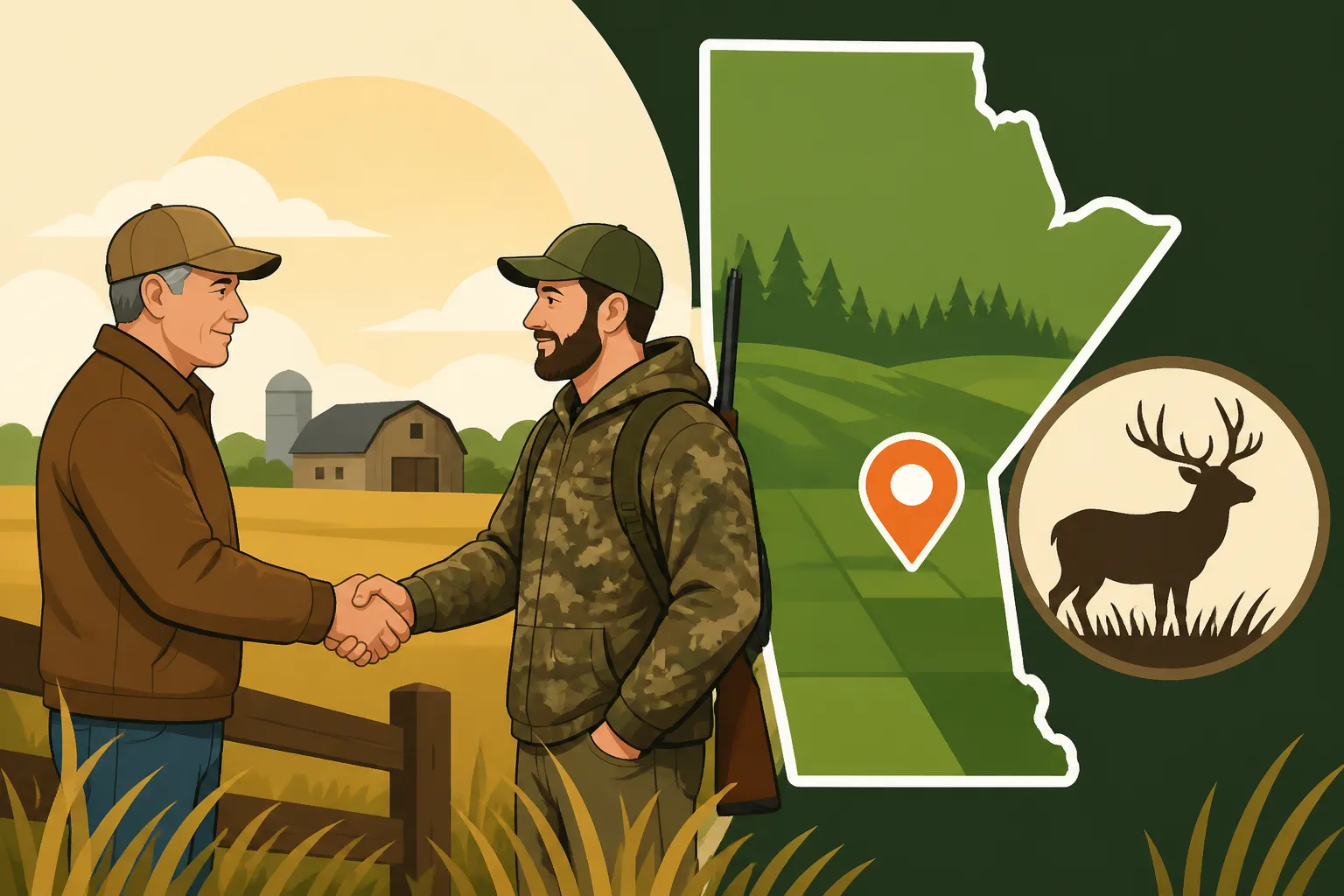
Finding good hunting land in Manitoba can feel like trying to solve a puzzle with half the pieces missing, especially when you're looking beyond readily available Crown Land. Many hunters struggle with the uncertainty of where to go and how to ethically and legally gain access to the private lands that often hold some of the best game. This comprehensive guide will walk you through the nuances of identifying, approaching, and securing permission to hunt on private land in Manitoba, helping you navigate the process with confidence and respect.
Understanding Manitoba's Private Land Landscape
For many hunters, especially those new to Manitoba or seeking less pressured areas, private land often represents a hidden gem. It’s not always about finding the largest tracts; sometimes, a small bluffy quarter section tucked away can hold incredible potential. But before you even think about knocking on a door, it's crucial to understand what private land actually entails in our province and why it’s such an important resource for hunters.
What Constitutes Private Land Here?
In Manitoba, private land is precisely what it sounds like: land that is privately owned by individuals, families, or corporations, distinct from the vast stretches of provincial Crown Land. This often includes agricultural fields, pastures, woodlots, and even undeveloped bush blocks that are part of a private title. Unlike Crown Land, where general public access is often permitted for recreational purposes (with specific hunting regulations still applying), private land requires explicit permission from the landowner for any entry, especially for hunting. It's not enough to simply assume; that little "No Hunting" sign might not even be there, but the expectation of asking permission always is. The legal distinctions are clear, and understanding them is your first step in responsible hunting.
Often, private land is associated with farming operations – the sprawling grain fields, the hay land, or the treelines and bluffs that border them. But it can also be recreational properties, undeveloped parcels, or even land owned by conservation organizations. The key takeaway is that without a doubt, if it's not clearly marked as public Crown Land, you must assume it's private and seek permission. This fundamental difference shapes your entire approach to scouting and hunting.
Why Private Land is Crucial for Manitoba Hunters
Many of Manitoba's most impressive game animals, particularly white-tailed deer and waterfowl, thrive on or adjacent to private agricultural land. The food sources found in grain fields, the shelter of bluffs and willow runs, and the relative seclusion from heavy public pressure often lead to higher quality habitat and, consequently, better hunting opportunities. While Crown Land offers incredible vastness and solitude, especially in the north, for those targeting species that benefit from agricultural interfaces, private land is gold. Hunting Whitetails on Manitoba Farmland is a great example of this synergy.
Think about it: a mature whitetail buck spending its days in a dense poplar bluff, only venturing out into a standing corn field at dusk. These patterns are common on private land, where agricultural practices create ideal food and cover matrices. Moreover, private land can often experience less hunting pressure than popular Crown Land areas, especially if you're willing to put in the legwork to build relationships. This reduced pressure can mean more relaxed animals and a better chance at encountering older, larger game. It also provides opportunities for hunting specific species like Hungarian Partridge on Manitoba Farms or Field Hunting Geese in Manitoba Stubble where agricultural settings are paramount.
The Importance of Knowing Your GHA Boundaries
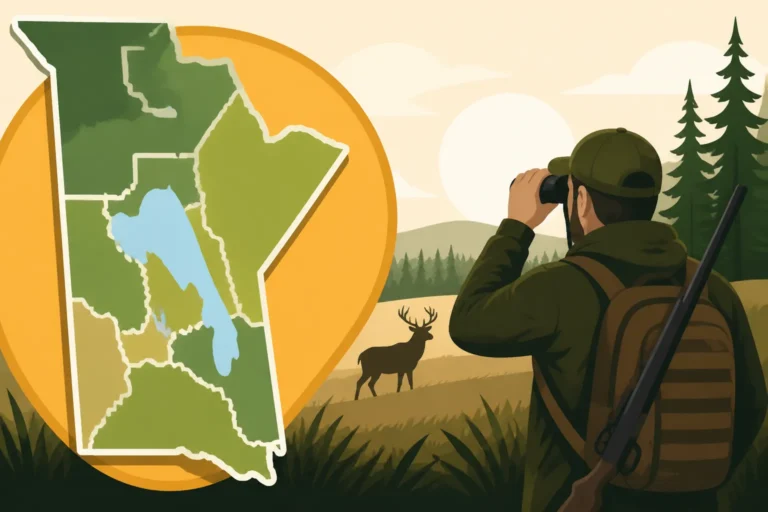
Before you even think about approaching a landowner, it’s absolutely essential to know which Game Hunting Area (GHA) the property falls within. Manitoba's hunting regulations are highly specific to GHAs, dictating season dates, bag limits, and even species availability. You might find a promising quarter section, but if it’s in a GHA with a closed season for the species you’re after, or if it has special antler restrictions you weren't aware of, all your efforts will be for naught. Manitoba's Game Hunting Areas are the backbone of our regulatory system.
Knowing your GHA helps you plan effectively. You can research the specific regulations for that area, understand potential draw opportunities, and verify that your chosen season dates align. It also shows the landowner that you've done your homework, which instills confidence. Imagine asking permission to hunt deer, only to discover later the property is in a GHA with a restricted antlerless season, and you only have an antlered tag. This kind of oversight is easily avoidable with proper GHA research. These boundaries are not just lines on a map; they are critical components of your hunting plan.
The "Ask First" Golden Rule and Manitoba Law
There’s a fundamental principle in Manitoba hunting that cannot be overstated: always ask permission before setting foot on private land to hunt. This isn't just a matter of courtesy; it's the law. Violating this rule can lead to serious consequences, not just for your hunt but for your future hunting privileges and legal record.
Manitoba's Explicit Permission Requirements
Manitoba's law on private land access is clear: hunters must obtain permission from the landowner or occupier before hunting on private property. This isn't a suggestion; it's a legal mandate. The intent behind this law is to protect landowners' rights, ensure public safety, and manage wildlife responsibly. Without explicit permission, you are trespassing, plain and simple. This applies whether the land is posted with "No Hunting" signs or not. The absence of a sign does not equate to implied permission.
This permission doesn't necessarily have to be in writing, but it's always a good idea to get it, or at least have a clear understanding of the terms you've agreed upon. A quick phone call or a chat over the fence might suffice for some, but for clarity and protection for both parties, a written note or email exchange confirming permission, the dates, and the specific areas allowed, can prevent misunderstandings. Landowners have the right to grant or deny access for any reason, and their word is final. Ignoring this simple rule jeopardizes not only your hunt but the broader relationship between hunters and landowners across the province, potentially leading to more restrictive access for everyone. Manitoba Landowner Permission Law lays this out in detail.
Understanding Posted Land and Signage Rules
While all private land requires permission, "posted" land explicitly communicates a landowner's intent regarding access. In Manitoba, land can be posted with signs like "No Hunting," "No Trespassing," or "Private Property." These signs are visual cues that reinforce the landowner's decision, making it undeniable that permission is required, or that access is entirely prohibited. Even if you mistakenly thought a piece of land was Crown Land, if you see these signs, you need to turn around or seek out the landowner immediately.
It’s crucial to respect these signs. They're not just suggestions; they carry legal weight. Attempting to hunt on land clearly marked as "No Hunting" is a direct violation of the landowner's wishes and provincial law, and it often leads to prompt calls to conservation officers. Sometimes, you might see signs that say "Hunting By Permission Only." This is a positive indicator, suggesting the landowner might be open to granting access if approached correctly. Always double-check the specifics of any posted land, as different signs can imply different levels of restrictiveness. The bottom line remains: no matter the sign, if it's private land, permission is paramount. Manitoba Posted Land and Signage Rules further detail these regulations.
Consequences of Trespassing
The legal consequences of trespassing while hunting in Manitoba are significant and can severely impact your ability to hunt in the future. If caught hunting on private land without permission, you could face hefty fines, confiscation of your hunting equipment (including your firearm), and potentially the suspension or revocation of your hunting licence. This isn't just a slap on the wrist; it's a serious legal offense that reflects poorly on all hunters.
Beyond the legal ramifications, trespassing damages the invaluable relationship between hunters and landowners. A single bad experience with a trespassing hunter can lead a landowner to close their property to all hunters indefinitely, impacting ethical, law-abiding individuals who rely on private land access. It erodes trust and makes it harder for everyone else to secure permission. A landowner’s patience is a finite resource, and disrespectful behavior can poison the well for years to come. Always remember, the privilege of hunting on someone else's property comes with a profound responsibility to respect their land, their rules, and their peace of mind.
Identifying Potential Hunting Properties
The quest for private land permission begins long before you knock on a door. It starts with strategic identification – finding properties that not only look promising for game but also seem like viable candidates for permission. This involves a mix of modern technology and old-fashioned observation.
Scouting with Maps and Satellite Imagery
In this day and age, digital mapping tools are an absolute game-changer for identifying potential hunting properties. Applications like onX Hunt and GoHunt provide invaluable layers of information, including property boundaries, landowner names, and land type (Crown vs. private). This allows you to "virtually scout" vast areas from the comfort of your home. You can zoom in on a particular Game Hunting Area (GHA), identify private parcels that border prime habitat, and see if those landowners might be open to hunting.
When I'm planning, I'll spend hours on these apps, looking for those hidden gems. I'm searching for patterns: a woodlot bordering a large grain field, a willow run cutting through a pasture, or a small slough ring that offers cover in open country. These are the places where deer, elk, or waterfowl are likely to concentrate. Scouting With Satellite Imagery in Manitoba is an art form, allowing you to see topography, vegetation changes, and potential travel corridors. You can trace possible deer trails, identify bedding areas, and mark potential stand locations, all before ever setting foot on the property. This kind of advanced scouting is critical for making informed decisions about which landowners to approach.
Reading Sign from the Road
While digital maps are powerful, there's no substitute for boots-on-the-ground (or wheels-on-the-gravel) scouting. Driving or even walking quiet country roads allows you to observe properties firsthand and look for actual game sign. I'm talking about fresh tracks in ditches, rubs on fence posts, deer crossing points, or concentrations of waterfowl in fields. These visual cues tell you if game is actively using a property, which is vital information.
You're essentially looking for confirmation of what your maps suggested. Did that woodlot really look as good as it did from satellite? Are there fresh tracks coming out of the bush and into the field? Is there a flock of geese feeding in that swathed barley field? This roadside reconnaissance also gives you a feel for the area, the type of agricultural activity, and how accessible the property might be. It also allows you to spot "No Hunting" signs that might not appear on digital maps, saving you a wasted trip. Just remember to always stay on public roads and rights-of-way; observing from a distance is key, not trespassing. Reading Sign After a Fresh Snow can be particularly revealing from the road.
Targeting Specific Habitat Types on Private Land
Not all private land is created equal when it comes to hunting. To maximize your chances of success, you should target specific habitat types that are known to hold the game you're after. For whitetail deer, this often means land with a good mix of cover and food: aspen bluffs, dense willow thickets, or bush edges adjacent to standing corn, soybean, or canola fields. These areas provide both bedding and feeding opportunities, attracting and holding deer. Hunting a Standing Canola Field Edge or Hunting a Bluff Between Two Fields are classic examples of prime whitetail habitat on private ground.
For waterfowl, you'll be looking for properties with grain stubble fields (barley, wheat, pea, or corn) or wetland areas. Geese and ducks will use these fields heavily during migration and early seasons. For elk, focus on properties bordering known elk range, especially those with large tracts of bush and adjacent pastures or hay fields. By narrowing your focus to properties with optimal habitat, you increase the likelihood of both getting permission and having a successful hunt. This targeted approach shows landowners that you're not just looking for "anywhere" to hunt, but that you have a specific, informed interest in their property because of its potential.
The Art of the Approach: How to Ask for Permission
This is where many hunters get cold feet, and it's understandable. Asking a stranger for access to their private property can feel daunting. But with the right approach and a respectful attitude, you can significantly increase your chances of a "yes."
Timing Your Visit for Success
When you decide to knock on a landowner's door, timing can be everything. Avoid peak busy times like harvest season (late summer through fall) or when farmers are actively seeding in spring, unless you know them personally. During these periods, landowners are often under immense pressure and stress, and a hunting request might be seen as an unwelcome distraction. Weekends and evenings, when farmers might be done with their daily chores and more relaxed, can be good options. Mid-morning on a weekday might also work for some.
It's also generally better to approach before the season opens. Asking a week or two before deer season gives the landowner time to consider your request, and it shows you're planning ahead, not just scrambling at the last minute. This proactive approach is usually appreciated. Never, ever just show up with your gear in hand, expecting immediate access. That signals disrespect and desperation. A quick phone call beforehand, if you have their number, can also save you a trip if they're not available or already have too many hunters.
Presenting Yourself Respectfully
First impressions matter immensely. When you approach a landowner, be presentable. You don't need to be in a suit, but clean, casual clothing is appropriate. Your truck should be clean, not caked in mud. Park in a polite spot, not blocking their driveway or field access. Get out of your vehicle and walk to the door; don't shout from your window. Remove your hat before knocking. These small gestures show respect and reflect positively on you as an individual.
Your demeanor is crucial. Be polite, calm, and articulate. Introduce yourself clearly and state your purpose directly, but not aggressively. Remember, you are asking for a favour, not demanding a right. A confident, respectful, and friendly approach goes a long way. Landowners are often wary of hunters due to past negative experiences, so presenting yourself as responsible and trustworthy is paramount. Let them see you as a good neighbour, not just "another hunter."
What to Say When You Knock on the Door
When the door opens, start with a clear, polite introduction. "Hi, my name is [Your Name], and I'm a hunter from [Your Town/Area]. I was wondering if I could have a moment of your time to ask about hunting on your land." Be prepared to be brief and to the point. State which species you are interested in hunting (e.g., "I'm hoping to find a whitetail buck this season," or "I'm looking for a field to hunt geese in the fall").
Crucially, articulate your understanding of responsible hunting. You might say, "I always respect property lines, close gates, and pack out all my trash. I'm very careful around livestock and crops." If you have hunter education certification, you could mention that. You could even offer to share some of the meat or help with a small chore on their property later. Be prepared for a "no," and accept it graciously if that's their answer. A polite thank you and a quick departure, even if denied, might leave a positive impression for future seasons or for other hunters they might meet. The goal is to build trust, and transparency about your intentions and respect for their property are key.
Building Relationships and Maintaining Access
Getting permission for one season is a great start, but the real magic happens when you cultivate a lasting relationship with a landowner. This not only secures your hunting access for years to come but also enriches your hunting experience and fosters goodwill within the community.
Going Beyond the Initial "Yes"
Once you've secured permission, your responsibility truly begins. Don't just show up on opening day and disappear until next season. A thoughtful gesture after your hunt can solidify the relationship. If you're successful, offer to share some of the meat. A package of venison steaks or goose breasts can be a fantastic way to say thank you. Even if you don't harvest anything, a small gift – a gift certificate to a local restaurant, a box of chocolates, or offering to help with a task around the farm – can show your appreciation.
Remember Manitoba Landowner Damage Compensation? Even if you cause no damage, being proactive in offering assistance or a token of appreciation builds bridges. This isn't about buying access; it's about genuine gratitude for the privilege they've extended. Many landowners appreciate knowing that their generosity is recognized and valued. This kind of interaction transforms a transactional request into a reciprocal relationship.
Communicating Throughout the Season
Don't just be a silent visitor. Keep the lines of communication open. Before you head out for a hunt, a quick text or phone call to let the landowner know you'll be on their property is a common courtesy. This allows them to know who is on their land and when, easing any potential concerns they might have. It also helps if they have workers or other family members using the land.
If you see something unusual on their property – a downed fence, signs of unauthorized activity, or an issue with livestock – let them know. You become an extra set of eyes and ears, adding value beyond just hunting. After your hunt, especially if you harvested an animal, let them know how you did. They often have a vested interest in the wildlife on their land. This ongoing communication reinforces your trustworthiness and respect for their property. It's about being a good steward and a good neighbour.
Leaving Things Better Than You Found Them
This is a non-negotiable principle for any hunter accessing private land. When you leave, the property should be in better or at least the same condition as when you arrived. Pack out all your trash, including spent shell casings, food wrappers, and anything else you brought in. If you opened a gate, close it – every single time. Be mindful of fences; climb over them carefully or use designated crossings to avoid damage.
If you drive onto their land (with permission), stick to established trails or field edges and avoid making new ruts, especially during wet conditions. Park your vehicle in a way that doesn't impede farm operations. If you need to field dress an animal, do so discreetly and away from main pathways or views. Removing gut piles from sensitive areas or covering them can also be a thoughtful gesture. The goal is to leave no trace that you were ever there, except perhaps for the grateful memory of a successful hunt. This practice not only secures your future access but sets a positive example for all hunters.
Navigating Challenges and Common Misconceptions
Despite your best efforts, securing private land permission isn't always easy. It's important to understand that rejection is a part of the process and to approach any challenges with grace and understanding. There are also common misconceptions that can hinder your efforts.
Dealing with Rejection Gracefully
You will hear "no." It's inevitable. Landowners might already have hunters, they might not feel comfortable with strangers on their land, or they might simply not want hunting on their property. The most important thing is to accept their decision gracefully. A simple, "Thank you for your time, I understand," and a polite departure will leave a far better impression than arguing or complaining.
Remember, a "no" today doesn't necessarily mean a "no" forever. Circumstances change. If you leave a positive impression, they might remember you in the future or even recommend you to a neighbour. Burning a bridge by being disrespectful or persistent after a refusal will only solidify their decision and harm the reputation of hunters in general. Patience, persistence, and a thick skin are valuable assets when seeking private land access. Sometimes the best opportunities come from persistent, polite approaches over several seasons. Knocking on Doors in Manitoba Farm Country teaches you that every door is an experience.
Understanding Landowner Concerns
Many landowners have valid reasons for being hesitant to grant hunting permission. They might have had negative experiences in the past with hunters who trespassed, left garbage, damaged property, or were unsafe. They also worry about liability issues, even though in Manitoba, liability laws generally protect landowners who permit recreational access without charge. However, the perception of risk can still be a significant deterrent.
Other concerns might include:
- Safety: Worry about stray bullets, hunters too close to buildings, or accidents involving family members or workers.
- Property Damage: Concerns about gates left open, fences cut, ruts in fields, or damage to crops.
- Livestock Safety: Fear of spooked or injured animals, especially during calving or lambing season.
- Privacy: Simply not wanting strangers on their personal property.
- Existing Arrangements: They might already have family or friends who hunt there, or they might lease hunting rights.
Addressing these concerns proactively can help. For example, if you know they have livestock, you can immediately offer assurances about being extra careful and keeping gates closed. Listening to their concerns demonstrates empathy and respect, and sometimes, simply hearing them out can open a dialogue that leads to a positive outcome.
The Myth of "Implied Permission"
This is a dangerous misconception that can lead to legal trouble. Some hunters mistakenly believe that if private land isn't explicitly posted with "No Hunting" signs, then permission is "implied." This is absolutely false in Manitoba. As discussed earlier, the law explicitly requires permission for hunting on private land, regardless of signage.
The absence of signs means nothing. Every privately owned parcel requires you to ask. This myth is perpetuated by misunderstanding or outright disregard for the law and is a primary cause of trespassing incidents. Always err on the side of caution: if you don't have explicit permission, do not enter the property to hunt. Adhering to this principle is not only legally sound but also ethical and crucial for maintaining good relations with landowners.
Respecting the Landowner and Their Property
Once permission is granted, your responsibilities don't end there. They escalate. You become a guest, and the way you conduct yourself directly impacts not only your future access but also the broader reputation of hunters in Manitoba.
Adhering to Specific Rules and Requests
Every landowner is different, and they often have specific requests or rules for hunters on their property. These might include:
- Designated Hunting Areas: They might grant access to a specific woodlot but not a certain field.
- Vehicle Access: Perhaps you can drive to a certain point, but then you must walk. Or maybe no vehicles are allowed off the main farm lane.
- Timing Restrictions: "No hunting before 9 AM" or "only hunt on weekends."
- Species Restrictions: "You can hunt deer, but no coyotes."
- Reporting: "Please tell me if you get anything."
It is paramount that you listen carefully to these instructions and adhere to them without exception. These aren't suggestions; they are conditions of your access. If you have any doubt, ask for clarification. Breaking these rules, even inadvertently, is a breach of trust and can lead to immediate revocation of your permission. Show that you are a respectful guest who values their wishes above all else. Manitoba Rules on Baiting Big Game or Rules on Hunting From a Vehicle might also be points of discussion with a landowner if you have specific techniques in mind.
Being Mindful of Livestock and Crops
Many private lands in Manitoba are active farms with livestock and valuable crops. As a hunter, you must be extremely mindful of these elements.
- Livestock: Never shoot towards or near livestock. This should be common sense, but it needs reiterating. Spooked animals can injure themselves, and an injured animal can be a significant financial loss and emotional toll for a farmer. If you encounter livestock in your hunting area, reroute or wait until they have moved on. Always assume cattle, horses, or other farm animals might be present.
- Crops: Avoid walking through standing crops, especially tall ones like corn, unless specifically told it's okay. Even after harvest, driving over swaths or baled hay can cause damage. Stick to field edges, fence lines, or established tracks. Crop damage represents a real financial loss to the landowner, and showing disregard for their livelihood is a quick way to lose permission. Hunting a Pasture With Cattle On It requires an extra layer of awareness.
Your presence on their land should never create additional work, stress, or potential for loss for the farmer. By being vigilant and considerate, you demonstrate that you respect their operation as much as you appreciate their hunting access.
Closing Gates and Respecting Fences
This seems like a simple, almost trivial rule, but it's one of the most common reasons landowners revoke hunting permission. If you open a gate, close it. Immediately. Every single time. An open gate can mean livestock escaping, entering dangerous areas (like roads), or mixing with other herds, leading to countless hours of work and potential financial loss for the farmer. It’s not just a matter of convenience for you; it's a critical aspect of farm management.
Fences are also property boundaries and containment systems. Never cut a fence, climb over a barbed wire fence carelessly, or otherwise damage it. Use existing crossings or climb strategically where a fence won't be damaged. If you accidentally cause damage, report it immediately and offer to repair it or cover the cost. Demonstrating integrity, even in an accident, is far better than hiding it. These seemingly small details speak volumes about your character and respect for the landowner's hard work and property.
Tools and Technology to Aid Your Search
In the modern hunting world, technology has become an indispensable ally for securing private land permission. From sophisticated mapping applications to community forums, these tools can dramatically streamline your search and enhance your approach.
Using Digital Mapping Apps
This really is a game-changer. Digital mapping applications like onX Hunt and GoHunt have revolutionized how hunters scout and identify private land. These apps integrate property ownership data directly onto detailed satellite and topographic maps. With a tap of your finger, you can see who owns a specific parcel, delineate its boundaries, and understand its proximity to public land or prime habitat.
For example, I'll often use onX Hunt to identify a promising patch of bush, then overlay the private land boundaries to see exactly which landowner I need to contact. The app might even provide the landowner's name, making that initial contact much easier. You can drop pins, measure distances, and save notes directly within the app, creating a personalized scouting database. This precision not only saves you countless hours of driving around aimlessly but also allows you to make a highly informed and targeted approach to landowners, demonstrating that you've done your homework. Reading Manitoba Crown Land Layers on onX is a skill every modern hunter should master.
Leveraging Online Forums and Local Contacts
While online maps give you the "where," local knowledge often provides the "who" and "how." Online hunting forums specific to Manitoba, local community groups on social media, or even simply striking up conversations at local diners or sporting goods stores can provide invaluable leads. You might find discussions about general hunting access trends in certain GHAs or even direct recommendations for landowners who are known to be hunter-friendly.
Connecting with local contacts can also open doors. Joining a local wildlife federation branch, for instance, not only supports conservation efforts but also puts you in touch with experienced hunters who often have established relationships with landowners. These connections can sometimes lead to introductions or insights into which areas might be more receptive to requests. Always approach such inquiries respectfully, understanding that direct sharing of "honey holes" is rare, but general advice and introductions can be priceless. Joining a Manitoba Wildlife Federation Branch can be a great way to meet people.
Satellite Imagery for Property Analysis
Beyond just seeing property lines, advanced satellite imagery, often integrated into mapping apps or available through platforms like Google Earth, allows for in-depth property analysis. You can examine historical imagery to see how a property's landscape has changed over seasons or years, noting crop rotations, new clearings, or changes in water levels. This helps you understand the long-term potential of a property.
You can identify specific features like hidden food plots, secluded bedding areas, water sources, and natural funnels that might not be obvious from the road. For example, if you're trying to hunt Hunting a Willow Run for Whitetails, satellite imagery can help you identify exactly where that run is and which private parcels it crosses. This detailed analysis allows you to articulate why you're interested in a particular part of their property to the landowner, showing your knowledge and dedication. The more informed you are, the more credible you appear, and the better your chances of securing that coveted permission.
| Step | Action | Why It Matters |
|---|---|---|
| 1. Research & Scout | Use digital maps (onX Hunt, GoHunt), satellite imagery, and roadside observation to identify promising private parcels and landowner names. | Saves time, focuses effort, and identifies high-potential areas for your target species. |
| 2. Timing the Approach | Choose an appropriate time of day/week (e.g., evenings, weekends) and season (well before opening day) to make contact. | Increases chances of finding the landowner available and receptive, reduces perceived burden. |
| 3. Present Yourself | Dress neatly, park respectfully, approach the door, and maintain a polite, friendly, and confident demeanor. | Creates a positive first impression, conveying responsibility and respect. |
| 4. State Your Purpose | Introduce yourself, clearly state you are a hunter seeking permission for a specific species, and mention the GHA. | Transparency is key; avoids misunderstandings and shows you've done your homework. |
| 5. Highlight Respect | Emphasize your commitment to safety, property rules, closing gates, packing out trash, and avoiding livestock/crops. | Addresses common landowner concerns and builds trust. |
| 6. Listen Actively | Pay close attention to any questions, concerns, or specific rules the landowner might have. | Shows you value their input and are willing to abide by their conditions. |
| 7. Be Prepared for "No" | If denied, thank them for their time and depart gracefully without argument. | Maintains a positive image for all hunters and keeps future doors open. |
| 8. Follow Up (If Yes) | Reconfirm specific areas, dates, and any rules. Offer a small thank you gesture or offer to share harvest. | Solidifies the relationship and shows genuine appreciation for the granted privilege. |
Disclaimer
This article is for general informational purposes only and does not constitute professional advice. Laws, prices and regulations vary by location and change over time. Consult a qualified professional for guidance on your specific situation.