Manitoba’s Northern Species Hunters Rarely See
Manitoba is a vast province, and while many hunters rightly focus their efforts on our abundant whitetail deer, moose, or waterfowl, there's an entire world of incredibly fascinating—and often elusive—northern species that most people rarely get a glimpse of. It's easy to stick to what you know, but our northern reaches hold true wilderness gems. This guide aims to pull back the curtain on some of these lesser-seen inhabitants, giving you a deeper appreciation for the wild beauty that exists beyond the well-trodden paths.
The Mystique of Manitoba's True Northern Specialists
When you venture into Manitoba's deep north, past the agricultural belt and into the dense boreal forest and even further, the landscape changes dramatically, and so does the wildlife. These aren't your typical farm-country critters; these are animals built for endurance, stealth, and survival in some of the most challenging conditions on earth. Seeing one of these species in its natural habitat is often the highlight of any northern adventure, even if it's just a fleeting moment.
Wolverines: Ghosts of the Tundra Transition
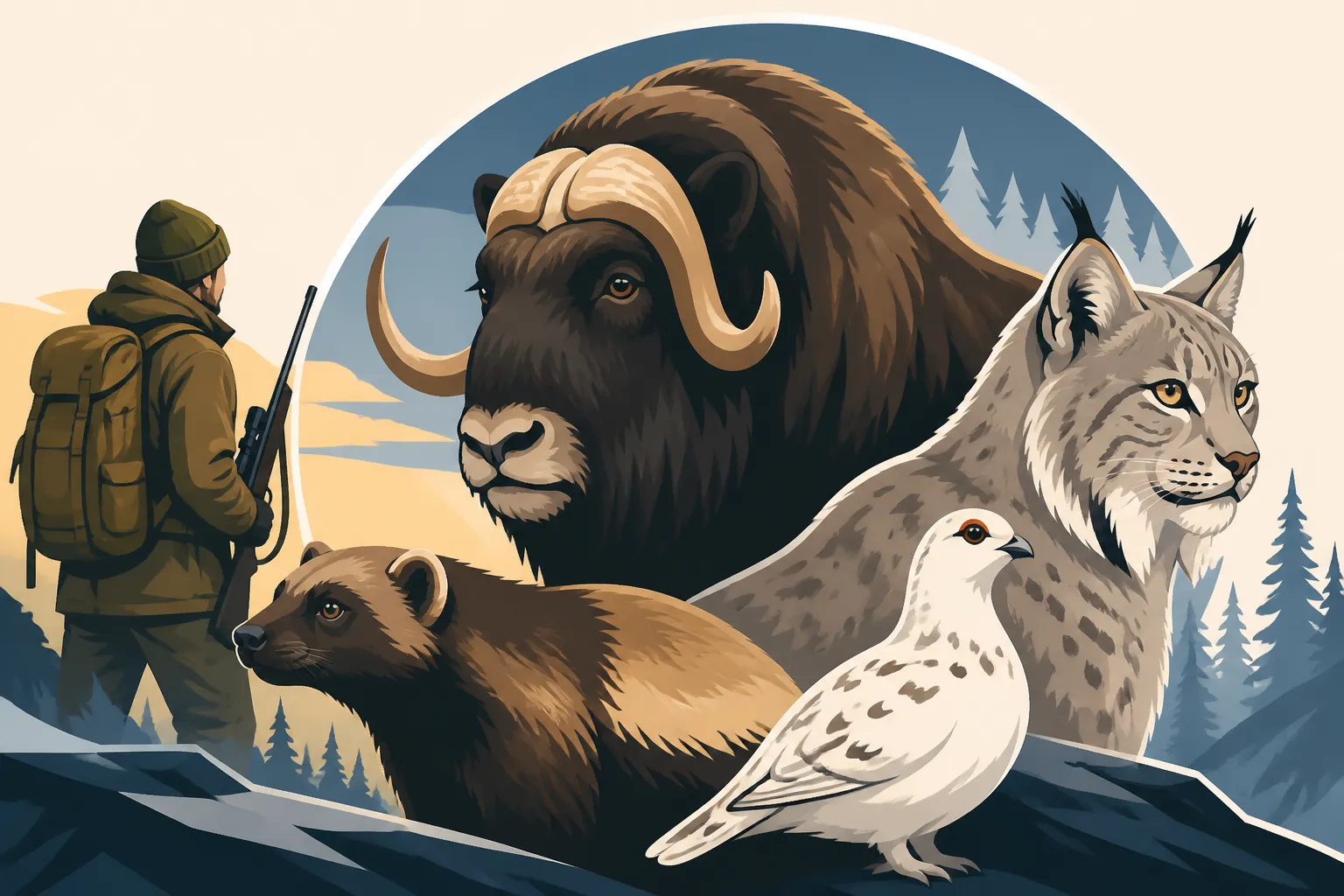
Ah, the wolverine. Just the name evokes images of raw wilderness and uncompromising survival. These powerful, stocky carnivores are often described as the toughest animals pound-for-pound in North America, and for good reason. They roam vast territories, preferring remote boreal forests and tundra-transition zones, which is precisely why they are so rarely encountered. Hunters might spend decades in the northern bush and never catch more than a fleeting shadow of a wolverine. They are opportunistic predators and scavengers, with incredible strength for their size, capable of bringing down prey much larger than themselves or cracking open frozen carcasses that other animals can't access. Their sheer resilience is legendary. If you're hoping to learn more about these fascinating creatures, you'll want to read up on Wolverine in the Northern Bush.
Spotting a wolverine usually happens by pure chance, often when you're far off the beaten path, perhaps on a remote Manitoba GHAs Reachable Only by Plane hunt. They move constantly, covering huge distances daily, leaving little trace unless you're an expert at reading faint tracks in the snow. While you won't be hunting wolverines, knowing they're out there, a wild spirit enduring the elements, adds another layer of magic to any northern trip. Their presence is a strong indicator of a truly wild, intact ecosystem.
Arctic Fox: Master of Northern Camouflage
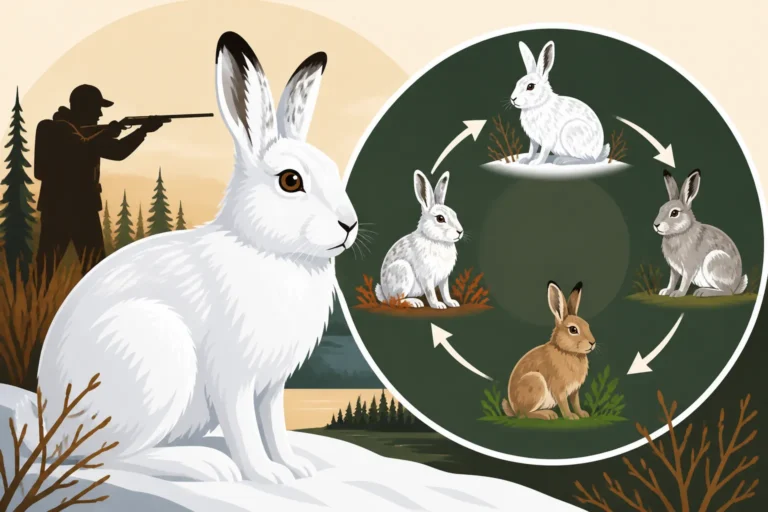
While red fox are relatively common across much of Manitoba, their northern cousin, the arctic fox, is a sight far fewer people witness. These fascinating creatures are perfectly adapted to the frigid northern environment. In summer, they sport a sleek brown or grey coat that blends seamlessly with the tundra landscape, but come winter, they transform into magnificent bundles of pure white fur, providing exceptional camouflage against the snow and ice. This colour change is one of nature's most impressive feats of adaptation.
You'll find arctic fox primarily in the far northern reaches of the province, deep into the tundra and subarctic regions, often following caribou herds or scouting coastal areas for food. They're incredibly hardy, able to withstand temperatures far below freezing thanks to their dense fur and efficient metabolism. Observing one is a rare privilege, a flash of white against a stark backdrop, often curious but always wary. Their survival depends on their ability to find food in a lean landscape, whether it's small rodents, birds, eggs, or carrion. For those truly wanting to understand the northern environment, learning about What Lives in Manitoba's Tundra Transition is essential.
Ptarmigan: The High Arctic Grouse
When we talk about upland birds in Manitoba, most hunters think of sharp-tailed grouse or ruffed grouse. But further north, beyond the dense stands of aspen and into the stunted spruce and willows, lives a truly unique game bird: the ptarmigan. There are a few species, but the willow ptarmigan and rock ptarmigan are the most likely you might encounter, though still a rare event for most. Like the arctic fox, ptarmigan are masters of camouflage, changing their plumage seasonally to match their surroundings. In winter, they are pure white, almost invisible against the snow-covered landscape.
Hunting ptarmigan requires a dedicated trip to the far north, often involving float planes or extensive snowmobile travel. They thrive in open, windswept terrain with scattered dwarf willows and birch. The experience is less about high-volume shooting and more about the sheer adventure of being in such a remote, breathtaking environment. Their call, a somewhat guttural crow, echoes across the silent landscape, a stark reminder of where you are. If you're lucky enough to pursue them, understanding Ptarmigan Hunting in the Far North will be invaluable for planning your journey.
Elusive Giants of the Boreal Forest
Manitoba's vast boreal forest is a tapestry of evergreen trees, wetlands, and rugged terrain. While it's home to moose, black bears, and whitetails, there are other, larger species that call this expansive wilderness home, but they are far more reclusive, more sensitive to human presence, and consequently, far less frequently observed by hunters.
Woodland Caribou: The Protected Forest Wanderers
Unlike the barren-ground caribou that migrate in vast herds across the northern tundra, woodland caribou are truly creatures of the deep boreal forest. They are larger, darker, and their antlers are often more spread out and palmated. Unfortunately, they are also an endangered species in Manitoba, and their hunting is strictly prohibited to aid in their recovery. Their populations have faced significant declines due to habitat loss, fragmentation, and increased predator pressure.
Seeing a woodland caribou is therefore not only a rare sight but also a moment of deep reverence for conservation. They typically travel in much smaller groups, often just a few animals, moving quietly through the dense timber, feeding on lichens, mosses, and shrubs. Their presence is a sign of a healthy, undisturbed boreal ecosystem. For those who hunt our northern reaches for other species, the hope of catching a glimpse of these majestic creatures is a powerful draw, a connection to the wild heart of Manitoba. While you cannot hunt them, learning about the larger caribou family through Barren-Ground Caribou Hunting in Northern Manitoba gives insight into these magnificent animals.
Lynx: Silent Hunters of the Snowshoe Hare Cycle
The Canada lynx is the quintessential ghost of the northern forest. With their huge, tufted ears, distinctive facial ruff, and oversized paws that act like natural snowshoes, they are perfectly adapted to hunting in deep snow. What makes them so elusive, beyond their incredible stealth, is their intimate connection to the snowshoe hare population cycle. Lynx numbers ebb and flow with the hare, which makes up the vast majority of their diet. When hare numbers are high, lynx populations boom; when hares crash, so do the lynx.
Finding a lynx is incredibly difficult. They are nocturnal and masters of camouflage, moving silently through dense stands of spruce and fir. Most hunters who claim to have seen a lynx likely caught only a fleeting glimpse, a silent blur disappearing into the shadows. Their tracks, however, are quite distinct – large, round, and often showing the imprint of their padded feet in the snow. If you're a trapper or a hunter spending significant time in the deep boreal during winter, you might stumble upon their tracks or, if exceptionally lucky, witness one cross a remote trail. Dive deeper into their fascinating predatory relationship by reading Lynx and the Snowshoe Hare Cycle.
Northern Wolves: The Apex of the Wilderness
While wolves exist across much of Manitoba, the large, pure northern wolves of the boreal forest and tundra edge are a different breed entirely. These are the true apex predators, living in complex family packs, often covering vast territories. Their survival depends on their ability to hunt large prey like moose and caribou, making them an integral part of the northern ecosystem. They are incredibly intelligent, wary, and possess an acute sense of smell and hearing, making them extremely difficult to spot.
Most hunters experience wolves through their haunting howls echoing through the northern night, a sound that sends shivers down your spine and connects you to primal wilderness. Seeing a wolf in the wild is a truly unforgettable experience, often just a fleeting glimpse as they cross a remote cutline or silently observe from a distance before melting back into the treeline. Their tracks are much larger than a coyote's, and finding a fresh track line can tell you a story about their recent movements. For hunters venturing into these territories, understanding Hunting Wolves in Manitoba's North provides valuable context, even if you’re primarily targeting other game. GoHunt users often share stories of hearing wolf packs while on remote expeditions.
Small and Seldom-Seen: Northern Furbearers and Birds
Beyond the large predators and ungulates, the northern forests are teeming with smaller, yet equally fascinating creatures that often go unnoticed by the casual observer. These are the unsung heroes of the undergrowth, living their lives largely out of sight, but contributing immensely to the rich biodiversity of the boreal.
Marten and Fisher: Agile Tree-Dwellers
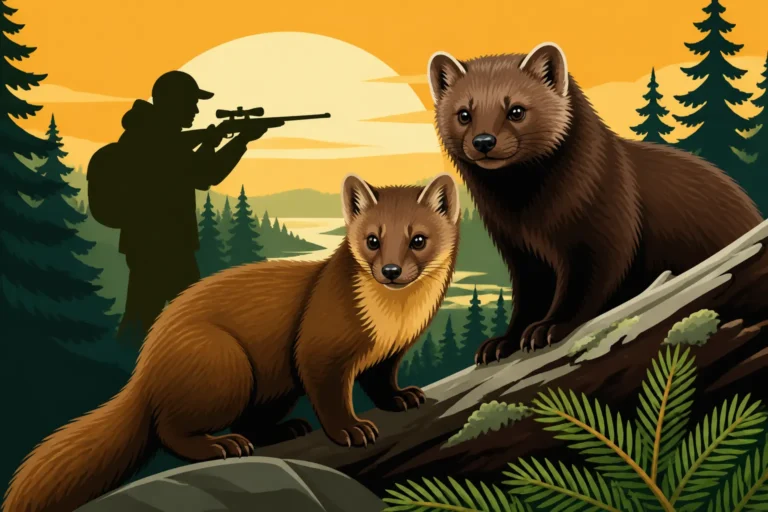
These two members of the weasel family, the American marten and the fisher, are both incredibly agile and predatory furbearers of Manitoba's boreal forest. Martens are smaller, typically found in dense coniferous forests, excelling at hunting squirrels, mice, and birds, often chasing them right up trees. Fishers are larger, darker, and more powerful, known for their ability to hunt porcupines, an impressive feat given the porcupine's formidable quills. Both are primarily active at dawn and dusk, or even during the night, making daytime sightings rare.
Their movements through the canopy and across the forest floor are swift and silent. Unless you're a trapper intentionally setting lines for them, or you spend countless hours quietly observing in prime habitat, encountering a marten or a fisher is a stroke of luck. Their tracks in the snow, however, are distinctive, often showing a bounding gait. Recognizing these tracks is often the closest most people get to these shy, active hunters. Exploring Marten and Fisher in the Boreal will give you a deeper insight into these intriguing animals.
Spruce Grouse: The "Fool Hen" of the Conifers
The spruce grouse, often affectionately (or sometimes exasperatedly) called the "fool hen," is a resident of dense coniferous forests throughout Manitoba's boreal region. Unlike their ruffed grouse cousins, who are known for their explosive flushes, spruce grouse are incredibly camouflaged and tend to rely on that camouflage rather than fleeing. This often means you can walk right past one, or even nearly step on it, before it makes a move.
Their diet consists primarily of conifer needles, which gives their meat a strong, resinous flavour some find challenging. This, combined with their remote habitat and lack of flight response, means they are rarely targeted by most hunters. Spotting one requires a keen eye and often happens during a pause in a moose or bear hunt, when you're slowly still-hunting through thick spruce stands. Their subtle colours blend perfectly with the shadows and needle litter. While not a high-profile game bird, encountering a spruce grouse is a unique experience, a quiet testament to the specialized life within the boreal. For a comparison, consider Ruffed Grouse Hunting Manitoba's Bush Trails.
Great Grey Owls: Silent Watchers of the Winter Woods
While not a game species, the Great Grey Owl is arguably one of Manitoba's most magnificent and elusive northern birds of prey. These enormous, silent hunters are perfectly adapted to the deep snow and frigid temperatures of the boreal forest. With their massive facial discs that funnel sound to their ears, they can pinpoint and snatch voles and mice from beneath a foot or more of snow, a truly incredible hunting technique.
Great Grey Owls are largely nocturnal or crepuscular, making them hard to spot during the day. However, in years of high rodent populations or particularly harsh winters, they sometimes venture closer to more accessible areas in search of food. Their sheer size and majestic presence make any sighting a deeply memorable event. They are silent, ghost-like figures, often perched motionless in a spruce tree, their piercing yellow eyes scanning the snow-covered landscape. Observing one, even from a distance, feels like a glimpse into the ancient soul of the northern wilderness. Many a hunter has returned from a remote Hunting a Manitoba Bush Edge expedition with tales of these silent giants.
The Hunt for the Unseen: Tips for Northern Exploration
The pursuit of these rarely seen species isn't about harvesting them; it's about the profound experience of being in their domain, understanding their world, and appreciating the incredible biodiversity our province holds. Whether you're hunting for Moose Hunting Manitoba's Boreal Country or setting up a Baiting Black Bear in Manitoba site, being aware of these other residents enriches your time in the bush. GoHunt encourages all hunters to connect with the land on a deeper level.
Here's a quick overview of some of these northern marvels:
| Species | Primary Habitat | Rarity of Sighting (Hunter) | Key Identifier | Conservation Status |
|---|---|---|---|---|
| Wolverine | Boreal forest, tundra transition | Extremely Rare | Stocky, powerful, dark brown with light stripe | Secure, but elusive |
| Arctic Fox | Far northern tundra, coastal regions | Very Rare | Seasonal coat change (white in winter) | Secure |
| Ptarmigan | Northern tundra, alpine willow thickets | Rare | Seasonal coat change, feathered feet | Secure |
| Woodland Caribou | Dense boreal forest, muskeg | Extremely Rare | Large, dark, shovel-like antlers | Endangered (No Hunt) |
| Canada Lynx | Dense coniferous forest | Very Rare | Tufted ears, large paws, short tail | Secure |
| Northern Wolf | Boreal forest, tundra edge | Rare | Larger than coyote, often heard before seen | Secure |
| Marten / Fisher | Mature coniferous and mixed forest | Rare | Agile tree-climbers, dark fur, long body | Secure |
| Spruce Grouse | Dense spruce/fir stands | Occasional | Camouflaged plumage, quiet flush | Secure |
| Great Grey Owl | Boreal forest, muskeg | Rare | Very large, grey, distinct facial disc | Secure |
To increase your chances of even just seeing these species, embrace a slower, more observant approach to your northern adventures. Learn to read the signs in the snow, listen to the subtle sounds of the forest, and spend time simply being still. Tools like GoHunt can help you scout remote areas with satellite imagery, identifying potential habitats far from human activity. The deeper you venture, physically and mentally, the more rewards the northern wilderness will offer. Remember that Hunting Safely in Deep Winter Cold is paramount for any northern excursion. This truly is a unique part of our province, and experiencing it, even without a tag in hand for these specific animals, is a treasure. The landscape and its inhabitants are constantly shifting, and understanding What Climate Shift Means for Manitoba Game is becoming increasingly important for appreciating these delicate ecosystems.
Disclaimer
This article is for general informational purposes only and does not constitute professional advice. Laws, prices and regulations vary by location and change over time. Consult a qualified professional for guidance on your specific situation.