Why Burned Ground Grows Big Bulls
For many hunters, the ultimate reward is the chance to pursue a truly mature bull, an animal that has grown to impressive proportions. It's a challenging endeavor, often requiring years of scouting and perseverance. But what if nature itself created prime conditions for these magnificent creatures to thrive, seemingly from devastation? This guide will delve into the ecological phenomenon of how burned-over ground in Manitoba's wild places can become an unexpected powerhouse for growing truly massive moose and elk, often attracting the biggest bulls in the region.
Understanding the Ecological Rebirth of Burned Forests
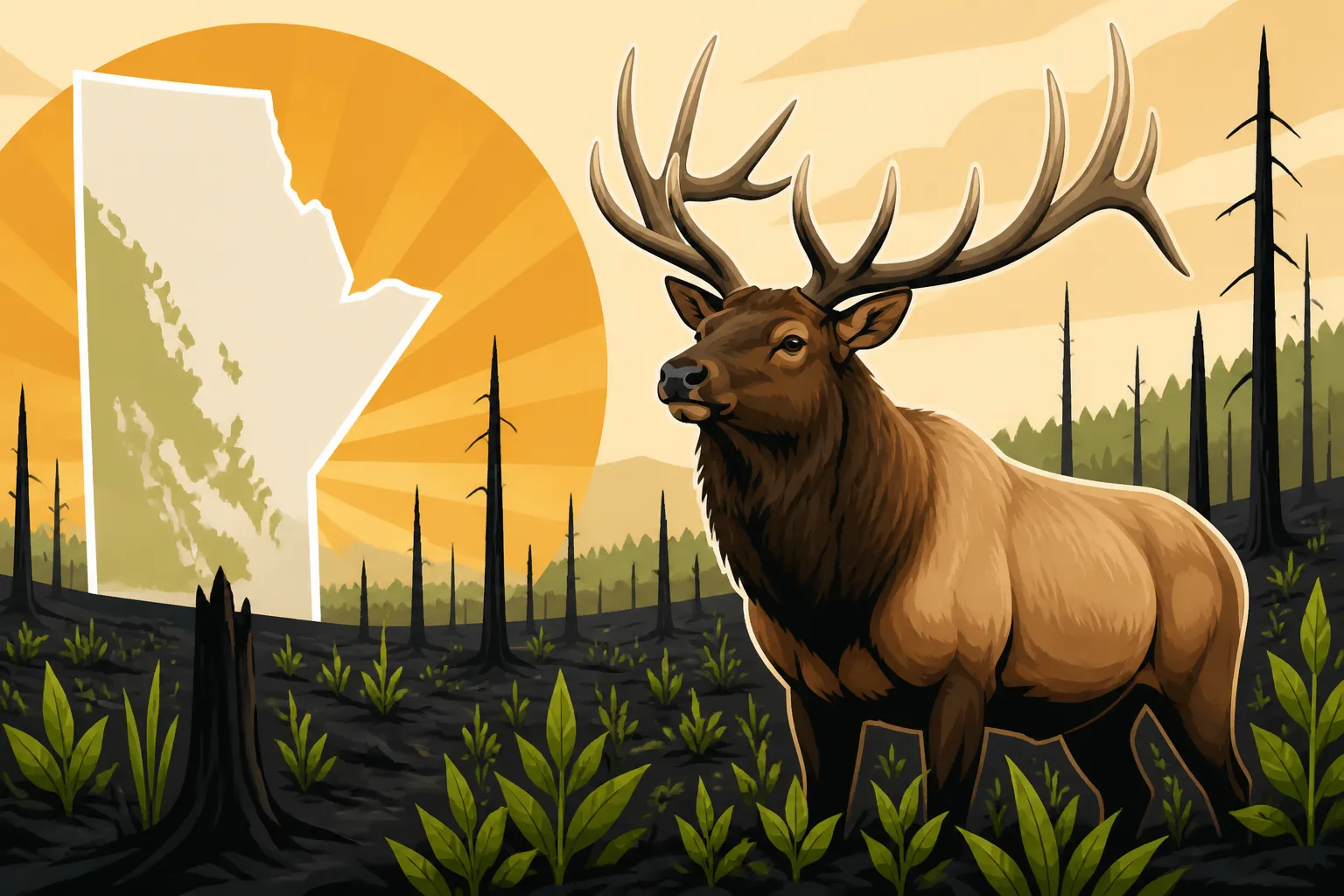
When a wildfire tears through a forest, it seems like pure destruction. Trees are consumed, the landscape is scorched, and wildlife is displaced. However, what appears to be an end is often just the beginning of a vibrant new cycle, especially for large ungulates like moose and elk. The forest ecosystem, far from being destroyed, is reset, allowing for a burst of new life that can profoundly benefit these animals, leading to incredible antler growth and robust body mass.
The Initial Fire and Its Impact on Habitat
Initially, a wildfire can be devastating. Mature timber stands, which might have provided thermal cover or winter browse, are often reduced to ash and charred trunks. Animals caught in the fire's path may perish or be forced to flee to adjacent unburned areas. Streams and rivers can be impacted by ash and sediment. The immediate aftermath looks bleak, and for a short period, the area might seem devoid of game. However, this destruction is a critical first step in a much larger ecological process. The fire clears out old, less nutritious vegetation, reducing competition for sunlight and nutrients. It also eliminates much of the dense understory that can make travel difficult for larger animals. For a hunter looking to understand game movement, it's a stark reminder that habitat isn't static; it's constantly changing, and fire is one of nature's most powerful agents of change.
Rapid Regeneration: A Nutritional Bonanza
Once the smoke clears and the rains return, the magic begins. The forest floor, now bathed in sunlight, becomes a fertile nursery. Fire releases nutrients locked away in deadfall and old growth back into the soil, creating a nutrient-rich foundation for new plants. What quickly emerges isn't just a haphazard collection of weeds, but a specific succession of "pioneer" plant species. These fast-growing shrubs, forbs, and deciduous saplings are incredibly palatable and packed with nutrition for moose and elk. Think of it as an all-you-can-eat buffet of highly digestible protein and minerals. What Moose Eat Through the Year offers a glimpse into their diet, and these regenerating burns provide the very best of it. This period of rapid regeneration, typically starting a few years after the fire and lasting for a decade or more, is when these areas become magnets for big bulls.
Nutrient Cycling and Forage Production
The exceptional growth of antlers and body size in bulls from burned areas isn't just anecdotal; it's rooted deeply in the science of ecology and nutrition. The way the fire transforms the soil and encourages specific plant growth directly translates into bigger, healthier animals.
Soil Enrichment and Mineral Release
When a forest burns, organic matter and minerals that were tied up in the woody biomass and leaf litter are released. The ash, while initially appearing sterile, is actually a rich source of calcium, magnesium, potassium, and phosphorus. These essential minerals are crucial for bone development and, by extension, antler growth in ungulates. The increased alkalinity of the soil post-fire can also make these nutrients more available to plants. Think of it as a natural fertilization process, far more potent than anything a farmer could spread. Plants growing in this enriched soil absorb these minerals at higher concentrations, and when a moose or elk browses on these plants, they get a superior nutritional intake. This direct link between healthy soil, nutritious plants, and antler growth is a primary driver behind Why Northern Bucks Carry More Body Mass is so often true, and burns amplify this effect.
Pioneer Species: The Key to Abundant Browse
The types of plants that colonize burned areas are perfectly suited to be prime forage. Aspen, willow, birch, fireweed, and various legumes sprout prolifically. Unlike the older, woodier growth they replace, these pioneer species are young, succulent, and highly digestible. They grow quickly, often forming dense thickets of browse that can be several feet tall, placing them directly at a comfortable browsing height for moose and elk. This dense, nutritious growth provides a massive caloric and mineral intake that supports rapid body growth and impressive antler development. A cow moose with access to such rich forage will be healthier, more fertile, and produce stronger calves. A bull, in turn, can allocate more resources to antler growth, sometimes resulting in truly exceptional racks.
Let's look at how the forage changes:
| Characteristic | Mature Forest | Burned Ground (3-15 years post-fire) |
|---|---|---|
| Dominant Vegetation | Conifers, older deciduous trees, sparse understory | Young deciduous saplings, shrubs, grasses, forbs |
| Nutrient Density | Lower, as nutrients locked in older wood | High, due to ash release and new growth |
| Digestibility | Lower, due to woody fiber | Higher, due to young, succulent plant tissues |
| Accessibility | Often dense canopy, limited browse at ground level | Abundant, easily accessible browse at browsing height |
| Sunlight | Limited on forest floor | Abundant, promoting rapid plant growth |
| Moose/Elk Preference | Moderate, seeks specific browse | High, prefers tender, nutritious growth |
Habitat Structure and Security for Big Bulls
Beyond the incredible food supply, burned areas also offer a unique structural advantage that appeals to mature bulls. It’s not just about what they eat, but where they feel safe and how they move through their environment.
Cover and Travel Corridors in Regenerating Burns
While an immediate burn may appear open, as the pioneer species regenerate, they create dense thickets that offer excellent hiding cover, especially in the 3 to 15-year post-fire window. These dense stands of young aspen and willow might not look like classic deep woods, but for a moose or elk, they provide enough visual and thermal cover to feel secure. Furthermore, the standing dead timber from the initial fire, often referred to as "snags," can create natural travel corridors and edge habitat. Bulls often prefer these transitional zones, moving between the dense regenerating browse and any remaining unburned pockets or adjacent timber for deeper security. Understanding these patterns is key when you're Hunting a Burned-Over Boreal Block. The mosaic of open areas, dense regrowth, and standing timber creates a varied landscape that mature animals exploit.
Reduced Predator Pressure and Easier Movement
In some cases, recent burns can offer a temporary reduction in predator pressure. Large predators like wolves often prefer more mature forest stands for denning and travel. While they will undoubtedly move through regenerating burns to follow prey, the initial disruption and changes in cover can sometimes offer a slight reprieve for ungulates. More importantly, the cleared understory in the initial years post-fire, before dense regrowth, can make travel easier for large animals like moose, reducing energy expenditure. When the browse becomes dense, the network of old game trails and newly formed paths through the regenerating saplings still allows for relatively unhindered movement compared to fighting through dense, mature coniferous undergrowth. This combination of abundant food, suitable cover, and ease of movement makes these burn areas an undeniable draw for the biggest, smartest bulls in the region.
Finding and Hunting Burned Areas in Manitoba
So, you understand the science, you appreciate the benefits. Now, how do you translate that knowledge into a successful hunting strategy in Manitoba? It starts with good planning and smart scouting.
Identifying Productive Burns for Moose and Elk
The first step is locating suitable burned areas. Not all burns are created equal, and timing is everything. Look for burns that are generally 3 to 15 years old. Younger than three years, the browse might not be dense enough, and older than 15-20 years, the regenerating forest might start to "close in," losing its most productive pioneer species as shade-tolerant plants take over. Satellite imagery and topographical maps are your best friends here. Platforms like GoHunt are invaluable for identifying large tracts of recently burned forest. You can use their satellite layers to zoom in and look for the tell-tale signs of a burn: often a distinct boundary, patches of black or grey from standing dead timber, and then, as time passes, a uniform green regrowth that differs from surrounding mature forest. Pay particular attention to burns that border traditional moose or elk habitat, such as Moose Across Manitoba's Boreal Forest or those near wetlands and water sources. Cross-reference these areas with current Manitoba's Moose Conservation Closures to ensure you're hunting in open zones.
Once you've identified potential burns using tools like GoHunt or other mapping resources, an important part of your preparation is ground-truthing. This means physically scouting the area if possible, even outside of hunting season. Look for signs of moose or elk: tracks, rub lines on young saplings, heavily browsed areas, and bedding sites. Pay attention to how the animals are using the landscape – are they moving along the edges of the burn, through specific corridors of regenerating timber, or bedding in dense pockets within the burn?
Hunting Strategies for Burned Terrain
Hunting burned ground requires specific tactics. Visibility can vary wildly from very open to extremely dense, depending on the age and intensity of the fire. In the earlier stages of regeneration (3-7 years), you might have long sightlines interspersed with thick, waist-high browse. Later, the dense thickets can reduce visibility significantly.
- Glassing: In more open sections of a burn, or where it meets a muskeg edge or a cutline, glassing can be highly effective. Find high points or natural openings and spend time with quality binoculars or a spotting scope, especially at first light and last light. Moose and elk will often feed actively during these periods, and their dark bodies can stand out against the lighter greens and browns of the regenerating forest. Glassing a Burn for Northern Moose provides excellent insight into this technique.
- Still-Hunting/Stalking: In denser parts of the burn, a slow, methodical still-hunt is often the best approach. Move quietly, pausing frequently to listen and scan. The rustle of a big bull pushing through young aspens can give him away. Wind direction is critical here, as is using the terrain to your advantage.
- Ambush Points: Identify pinch points, natural travel corridors, or areas of heavy browse sign. These can be excellent spots for a stand or to set up for an ambush. Moose and elk often use the same travel routes, especially when moving between bedding and feeding areas. An old logging road or a natural bench in a burned hillside can serve as a highway for these animals.
- Calling: During the rut, calling can be incredibly effective in burns. The more open nature of the landscape in some areas allows calls to travel further, and the dense cover in other areas provides excellent opportunities for a bull to approach unseen. Be prepared for a quick shot if you call a bull in close!
When planning your hunt, consider the time of year and weather conditions. A hard frost can make walking quieter, while a fresh snow can reveal fresh tracks and patterns of movement, giving you a distinct advantage in tracking a big bull. Remember to always prioritize safety, and let someone know your plans, especially when venturing into remote, rugged burn country. Scouting With Satellite Imagery in Manitoba is a great way to mark potential burn areas and plan your access routes before you even step foot in the bush.
Disclaimer
This article is for general informational purposes only and does not constitute professional advice. Laws, prices and regulations vary by location and change over time. Consult a qualified professional for guidance on your specific situation.