Why Sharptail Numbers Rise and Fall
It’s a tale as old as time for those of us who chase sharp-tailed grouse across Manitoba's vast prairies and parklands: one year, the coveys seem to be everywhere, flushing from every patch of cover, and the next, it feels like you're walking for miles just to kick up a single bird. This boom-and-bust cycle can be incredibly frustrating, leaving hunters scratching their heads and wondering what happened to "their" birds. This guide will dive deep into the fascinating, complex reasons behind these fluctuations, helping you understand why sharptail numbers ebb and flow in our beautiful province.
The Rhythmic Dance of Population Cycles
For many years, hunters and wildlife biologists alike have observed what appears to be a cyclical pattern in the populations of certain game species, and sharp-tailed grouse are no exception. It's not just a hunch; there's often a noticeable rise and fall over a period of several years.
The 10-Year Cycle: Fact or Fiction?
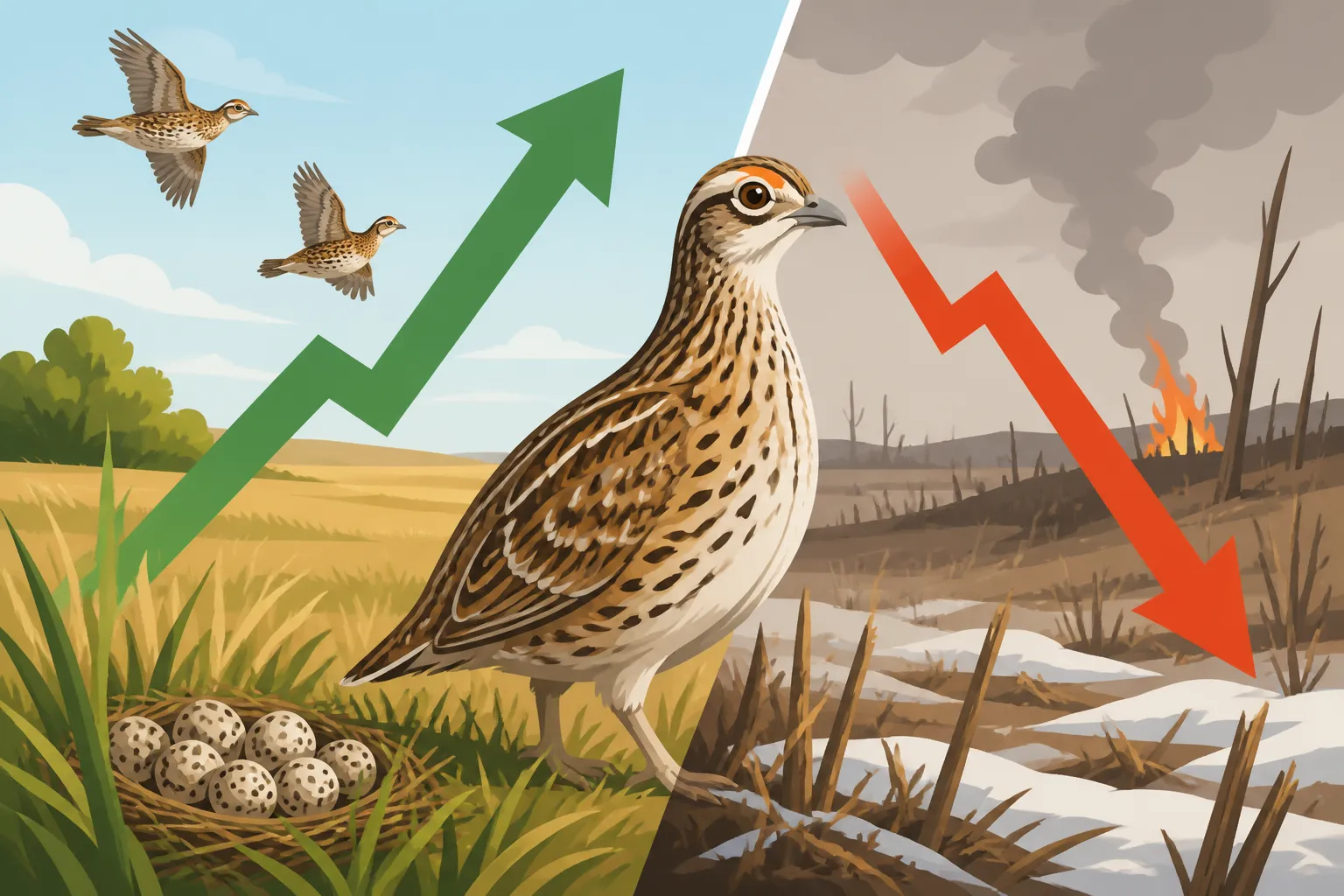
You've probably heard old-timers talk about "the 10-year cycle" for grouse or rabbits. While it’s rarely a precise, calendar-driven event, there’s a kernel of truth to the observation. Sharptails, much like their snowshoe hare and ruffed grouse cousins in other regions, often exhibit population dynamics that sees their numbers peak, then decline, then slowly build back up again over a roughly decade-long period. This isn't necessarily due to some internal clock within the birds, but rather a complex interplay of ecological factors that tend to align in a cyclical fashion.
Think of it like a ripple effect. When conditions are just right – mild winters, good nesting cover, abundant insects in spring – a few successful breeding seasons can lead to a significant increase in birds. As the population grows, it can sometimes outstrip local resources or become more susceptible to other pressures, eventually leading to a downturn. It’s a natural rhythm of the wild, a testament to the delicate balance of ecosystems. While not every region or every year will perfectly adhere to a rigid cycle, understanding this general pattern helps explain why you might see a great season one year and a leaner one a few years later.
Beyond Just Sharptails: Other Species in the Mix
What’s fascinating is that sharptail fluctuations aren't isolated. Many other species, particularly those in northern latitudes or with similar habitat requirements, experience similar population swings. Predators like coyotes and foxes, for instance, might see their numbers increase a year or two after a peak in their prey species, like sharptails or hares. This creates a kind of ecological lag, where one population boom or bust eventually affects another.
It's a testament to the interconnectedness of our wild places. When you're out Walking Up Sharp-Tailed Grouse in Manitoba, you're not just observing one species; you're witnessing the intricate dance of an entire ecosystem. Even species like Hungarian Partridge on Manitoba Farms can experience similar ups and downs, driven by their own specific habitat and predation pressures, but often reflecting broader environmental trends. This broad ecological pattern underscores that sharptails are just one piece of a much larger, dynamic puzzle that is constantly shifting and adapting.
Environmental Factors: Weather, Habitat, and Food
While population cycles describe the pattern, the actual causes of these fluctuations are often rooted in specific environmental conditions. These are the day-to-day, season-to-season realities that either allow sharptails to thrive or push their numbers down.
The Crucial Role of Weather
Weather is a monumental factor in the survival and reproductive success of sharp-tailed grouse in Manitoba. A harsh winter, especially one with prolonged periods of extreme cold and deep, crusty snow, can take a heavy toll. Deep snow makes foraging difficult, and if it's crusted over, birds can't burrow into it for insulation, leading to higher mortality rates due to exposure. Conversely, a mild winter helps more birds survive into the breeding season.
Spring and summer weather are even more critical for nesting success and brood survival. A cold, wet spring during the crucial hatching period can devastate chick populations. Young grouse chicks are highly susceptible to hypothermia, and if they get chilled and wet, their chances of survival plummet. Persistent heavy rains can also reduce insect populations, which are a vital food source for growing chicks. On the flip side, prolonged drought, as explored in How Drought Does to Prairie Game, can also have a negative impact by reducing green cover and insect availability, leaving young broods exposed and undernourished. The perfect scenario for a strong sharptail year is generally a mild winter, a warm and relatively dry spring, and a summer with just enough moisture to keep things green but not so much that it drowns nests or chills chicks.
Habitat Loss and Degradation
The rolling grasslands and brushy edges that sharp-tailed grouse call home are under constant pressure. Manitoba's agricultural landscape, while incredibly productive for crops, has slowly chipped away at the native prairie and diverse cover that sharptails need to survive. Large, monoculture fields offer little in the way of nesting cover, escape routes, or winter shelter. Modern farming practices, with their emphasis on maximizing tillable acres, often eliminate the crucial transitional zones – the shelterbelts, brushy draws, and grass margins – that provide essential habitat.
When these vital areas are lost, it's not just about losing a place for a covey to hide; it's about breaking up travel corridors, reducing available nesting sites, and shrinking winter thermal cover. Sharptails thrive in a mosaic of habitat types: open grassland for lekking (their unique dancing display), taller grass for nesting, shrubby cover for loafing and predator escape, and nearby food sources. As these diverse habitats become fragmented or disappear entirely, the carrying capacity of the land for sharptails diminishes, making it harder for populations to rebound even when other conditions are favourable. Understanding and identifying good habitat is key, and resources like Reading a Manitoba GHA Map Before You Go can help you find suitable areas.
Food Availability and Quality
Just like any living creature, sharp-tailed grouse need a consistent and nutritious food supply to survive and thrive. Their diet changes with the seasons, impacting their overall health and reproductive success. In spring and summer, young chicks rely heavily on insects for protein, which is essential for rapid growth. A good insect hatch, often tied to favourable weather and habitat conditions, is vital for strong brood survival. Adult birds during this time will also consume insects, along with tender greens and berries.
As fall approaches and into winter, their diet shifts to seeds, buds, and residual grains. If a severe winter follows a poor growing season for natural food sources, or if agricultural fields are harvested so cleanly there’s little waste grain, birds can struggle to find enough to eat. This can lead to weakened birds, making them more susceptible to disease, predation, and the extreme cold. A well-balanced ecosystem with a diversity of plant life provides a more resilient food base, whereas areas dominated by a single crop might only offer seasonal sustenance, creating significant challenges during lean times.
Predation and Disease: Natural Population Controls
While weather and habitat are often the biggest drivers of large-scale population shifts, predation and disease play constant, critical roles in regulating sharptail numbers on a more localized and ongoing basis.
Predators on the Prowl
Sharp-tailed grouse are a food source for a variety of predators found across Manitoba. From opportunistic mammalian predators like coyotes, red foxes, and raccoons to aerial threats like various hawks and owls, sharptails are always on alert. These predators exert continuous pressure on grouse populations, particularly on nests, chicks, and less vigilant adult birds. While a healthy, robust sharptail population can typically absorb a certain level of predation, when numbers are already low due to other factors (like poor nesting success from bad weather or limited habitat), concentrated predation can hit hard.
It’s a natural balance, and strong predator numbers don't necessarily mean a collapse in grouse populations on their own. However, changes in the predator landscape can have an impact. For example, if human activity leads to an increase in generalist predators like raccoons or skunks (who are excellent nest robbers) in areas where they weren't historically as abundant, it can add stress to local grouse populations. You can learn more about these fascinating creatures in Manitoba's Predators and Furbearers.
Disease and Parasites
Disease and parasites, while often less visible than a coyote chasing a covey, can also contribute to population declines. Like any wild animal, sharp-tailed grouse can be affected by various pathogens and parasites, especially when birds are stressed by poor environmental conditions or high population densities. Avian diseases, for example, can spread quickly through a concentrated population, leading to increased mortality.
While widespread disease outbreaks that decimate entire populations are less common for sharptails than, say, waterfowl (which can suffer from avian botulism in wetlands), it’s an underlying factor that contributes to overall health and resilience. A bird weakened by parasites or a minor illness is more likely to fall prey to a predator or succumb to a harsh winter. These silent threats often go unnoticed by hunters but are part of the complex tapestry that dictates the ebb and flow of wild populations.
Human Influence: Hunting and Land Use
Our presence and activities on the land certainly impact wildlife, including sharptailed grouse. While sometimes blamed, hunting pressure often plays a surprisingly minor role in overall population dynamics compared to other factors.
Hunting Pressure: A Smaller Piece of the Pie
For the most part, regulated hunting pressure on sharp-tailed grouse is generally considered sustainable and does not drive major population declines. Seasons and bag limits, like those outlined in Sharp-Tailed Grouse Season and Limits, are set by wildlife managers to ensure that harvest levels remain well within what the population can naturally replenish. Sharptails have a relatively high reproductive rate, and hunting typically removes only a small percentage of the overall population, mostly surplus birds that would likely succumb to other natural causes anyway.
Think about it: the vast majority of mortality for young grouse happens in the first few weeks of life due to weather, predation, or lack of food. By the time hunting season rolls around, the population has already been "thinned" significantly by nature. Where hunting could have a localized impact is in areas of very high pressure on small, isolated populations, but generally, this isn't the case across Manitoba's broad sharptail range. Most avid sharptail hunters, often aided by scouting tools like GoHunt, pay close attention to these subtle changes in the landscape, but rarely is their harvest the primary driver of yearly fluctuations.
Agricultural Practices and Their Ripple Effect
The profound changes in agricultural practices over the decades have had, arguably, the most significant human impact on sharp-tailed grouse numbers. The drive for larger fields, intensive tillage, removal of fence rows and shelterbelts, and the widespread use of herbicides and pesticides have drastically altered the prairie landscape.
- Habitat Loss: As mentioned earlier, removing brushy draws, native grassland patches, and diverse field margins eliminates critical nesting, brooding, and winter cover.
- Reduced Food Diversity: Monoculture farming reduces the diversity of seeds, insects, and forbs that sharptails rely on throughout the year. Pesticide use can also directly impact insect populations, which are vital for chick survival.
- Nest Destruction: Early haying or intense tillage can destroy nests and kill brooding hens before chicks have a chance to hatch or fledge.
These practices don't just affect individual birds; they fundamentally change the carrying capacity of the land, making it harder for sharptail populations to build up even when other conditions are favourable. It's a tough balance between productive agriculture and wildlife habitat, but understanding this impact is crucial for long-term conservation.
Conservation Efforts and Their Impact
Thankfully, it's not all doom and gloom on the human influence front. Many dedicated individuals and organizations are working hard to preserve and restore sharp-tailed grouse habitat. Landowners, conservation groups, and government agencies are implementing programs aimed at maintaining or recreating native grasslands, planting shelterbelts, and promoting sustainable land management practices.
For instance, the establishment and careful management of Manitoba's Wildlife Management Areas (WMAs) provide crucial havens where sharptails and other wildlife can thrive, free from some of the pressures of intensive agriculture. Programs that incentivize leaving cover crops, reducing tillage, or converting marginal farmland back to grassland also make a real difference. These efforts, while sometimes localized, are vital for providing pockets of high-quality habitat that can serve as strongholds for sharptail populations, helping them weather the inevitable environmental challenges and ensuring there are birds for future generations to pursue with their pointing dogs when Using a Pointing Dog on Manitoba Prairie. These dedicated efforts are a bright spot in the ongoing challenge of wildlife management.
| Factor | Type of Influence | Primary Impact on Sharptails |
|---|---|---|
| Weather (Winter) | Environmental | Deep snow & extreme cold increase mortality; mild winters boost survival. |
| Weather (Spring/Summer) | Environmental | Cold/wet springs devastate chick survival; drought impacts food/cover; warm/dry springs favour broods. |
| Habitat Loss | Human/Environmental | Reduces nesting cover, escape routes, winter shelter due to agricultural expansion and development. |
| Food Availability | Environmental | Affects chick growth (insects) and adult survival (seeds/buds) based on seasonal conditions and plant diversity. |
| Predation | Natural | Constant pressure on nests, chicks, and adults; natural population control. |
| Disease/Parasites | Natural | Weakens birds, increasing susceptibility to other pressures; can cause localized mortality. |
| Agricultural Practices | Human | Altered landscape, reduced biodiversity, nest destruction, pesticide impacts on food sources. |
| Hunting Pressure | Human | Generally sustainable with regulations; minor impact compared to other factors. |
| Conservation Efforts | Human | Habitat protection, restoration, and sustainable land management can bolster populations. |
Understanding why sharptail numbers rise and fall isn't about finding a single culprit; it's about appreciating the intricate dance between weather, habitat, predation, and human land use. It’s a complex, ever-changing picture, but knowing these factors helps us appreciate the resilience of these incredible birds and informs how we can best support their continued presence on the Manitoba landscape.
Disclaimer
This article is for general informational purposes only and does not constitute professional advice. Laws, prices and regulations vary by location and change over time. Consult a qualified professional for guidance on your specific situation.