What a Barren-Ground Bull Weighs
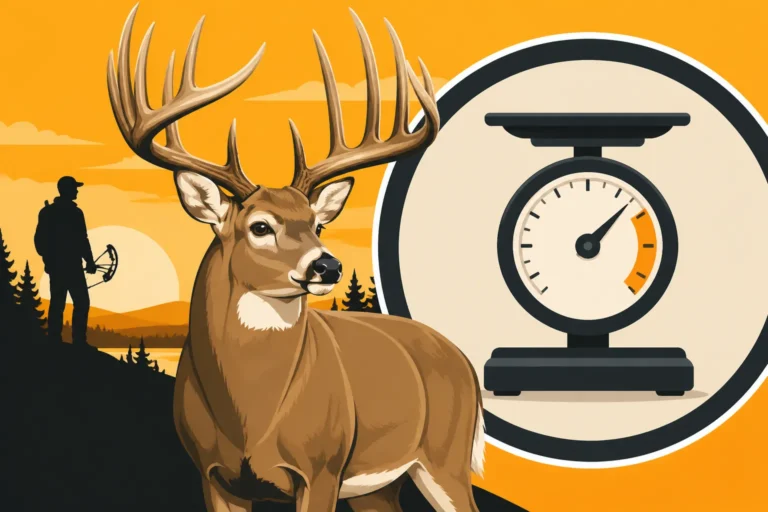
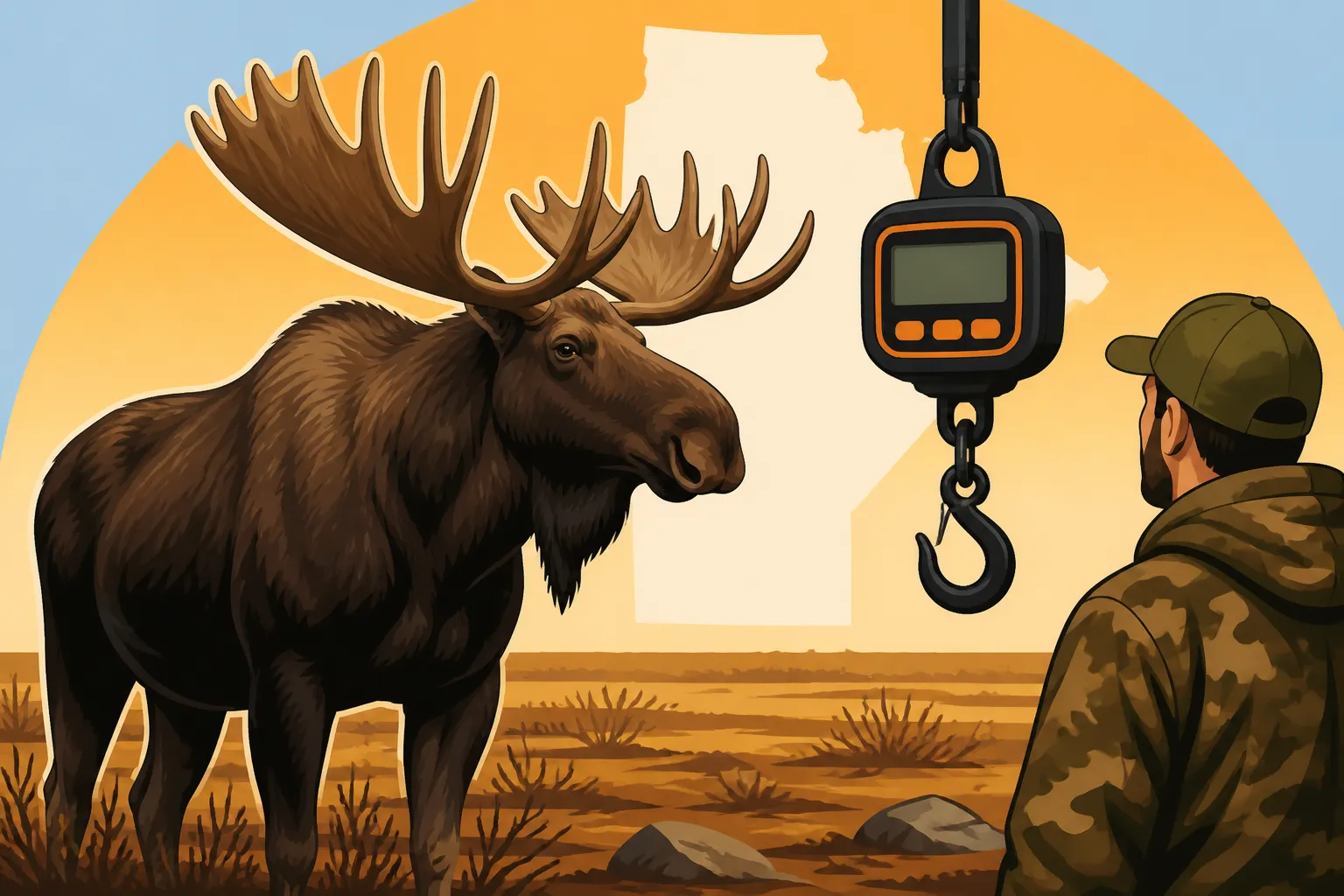
There's nothing quite like the sight of a massive Barren-Ground Caribou bull silhouetted against the vast northern Manitoba landscape. They are truly impressive animals, and it’s common for hunters to find themselves underestimating the sheer scale and weight of these giants until they're standing over a harvested animal. That moment of realization – "Wow, this is bigger than I thought!" – can lead to unexpected challenges in the field, especially when it comes to field dressing, meat handling, and transport. This guide will delve into what contributes to the formidable weight of these magnificent caribou, what hunters can realistically expect when they harvest a mature bull, and how to prepare for the logistics involved in handling such a substantial animal in Manitoba's wild north.
The Anatomy of a Northern Giant: What Influences Caribou Bull Weight
When you're out in the far reaches of northern Manitoba, chasing Barren-Ground Caribou, it's easy to get caught up in the thrill. But understanding the factors that contribute to a bull's weight is crucial, not just for appreciation but for practical hunting considerations. These aren't your average whitetails; they're built for a tough environment, and their size reflects it.
Age and Maturity: The Foundation of Size
Just like most big game, a Barren-Ground Caribou bull's weight is directly tied to its age and maturity. A young bull, say two or three years old, might be lean and agile, but it hasn't had the time to pack on the significant muscle and fat reserves that older, more dominant bulls possess. As they age, caribou bulls continue to grow, reaching their physical prime typically between four and eight years old. During these peak years, they develop a deep chest, a thick neck, and a robust frame capable of sustaining them through harsh winters and demanding migration cycles. The correlation between a bull's antler development and its body mass is also often striking; while not always a perfect indicator, a large, well-developed rack usually signals a mature animal that has invested considerable energy into growth. When you're trying to decide whether to take a shot, really looking at the overall body size and thickness, not just the antlers, will give you a better sense of its true weight potential. It’s all part of the puzzle when Judging a Barren-Ground Caribou Bull.
Seasonal Changes and Environmental Factors
The life of a Barren-Ground Caribou bull is one of constant movement and adaptation, and their weight fluctuates dramatically with the seasons. In the lush summer months, when food is abundant across the tundra, bulls will gorge themselves, building up crucial fat reserves. This is their prime time for putting on weight. However, as autumn rolls in and the rut approaches, these fat reserves are quickly depleted through intense breeding activity, sparring with other bulls, and constant travel. By the time winter truly sets in, a bull that was thick and heavy in August might be notably leaner by late fall. Their diet, of course, plays a massive role; the quality and availability of forage (lichens, sedges, willows) directly impact their ability to gain and maintain weight. A particularly good summer with ample rainfall and forage means healthier, heavier animals. When you consider When Caribou Reach Northern Manitoba, you're often looking at animals that have already undergone significant migration, potentially impacting their condition. Knowing these seasonal fluctuations helps you anticipate what kind of physical specimen you might encounter on your hunt, and understanding herd movements like How the Qamanirjuaq Herd Migrates can also offer clues to their overall health and size.
Estimating Weight in the Field: Visual Cues and Practical Realities
Staring at a caribou across a vast plain, it can be incredibly difficult to accurately judge its weight. The open landscape can play tricks on your eyes, making an animal appear smaller or larger than it truly is. However, there are some reliable cues you can learn to pick up on to better estimate its size.
Interpreting Body Language and Antler Mass
When you’re glassing a herd, pay close attention to the overall bulk of a bull. A truly heavy bull will have a deep, thick chest, a noticeable sag in its belly (especially pre-rut), and stout, powerful legs. Compare its body depth and length to nearby cows or younger bulls. A mature bull will often stand out with a much thicker neck and shoulders, an obvious sign of muscle and fat. While antler size isn't a direct measure of weight, larger, more massive antlers generally indicate an older, more mature animal, which typically translates to a heavier body. Look for that overall "blocky" appearance rather than a sleek, deer-like profile. Photos can often be deceiving, flattening an animal's true dimensions, but in person, the sheer three-dimensional bulk of a big caribou bull is undeniable. When you’re hunting in the wide-open tundra, every detail matters in helping you make an informed decision on your target.
Live Weight vs. Dressed Weight: What to Expect
One of the biggest eye-openers for hunters new to Barren-Ground Caribou is the difference between an animal's live weight and its field-dressed weight. You might be staring at a bull you estimate to be 400 pounds live, but once you've removed the internal organs (field dressing), that weight drops significantly. Generally, you can expect a caribou to lose about 30-40% of its live weight after field dressing, depending on how thoroughly it's done. This means that a 400-pound live bull could easily yield 240-280 pounds of field-dressed meat and carcass. Understanding this distinction is absolutely critical for planning your meat extraction and storage. If you're backpacking, every pound counts, and knowing the dressed weight gives you a more realistic figure for what you'll actually be hauling. It's a calculation you need to run mentally before you pull the trigger, especially when considering the sheer physical effort involved in Packing Caribou Out to a Float Plane or any other transport method.
Here's a rough approximation to help you visualize the difference:
| Caribou Type | Estimated Live Weight (lbs) | Estimated Dressed Weight (lbs) |
|---|---|---|
| Young Bull (2-3 years) | 250-350 | 150-220 |
| Mature Bull (4-6 years) | 350-500+ | 220-320+ |
| Older Dominant Bull (7+ yrs) | 500-650+ | 320-400+ |
| Note: These are approximations and vary greatly based on individual animal, health, and season. Always factor in extra weight for bone, cape, and antlers if you're taking those out. |
The Scale of a Mature Barren-Ground Bull and What It Means for Your Hunt
So, what does a truly big Barren-Ground Caribou bull weigh? The numbers can be quite impressive, making them a formidable quarry and a significant source of meat for any hunter. These animals are built for the vast, rugged northern landscape, and their robust frames reflect that.
Unpacking the Numbers: Average and Exceptional Weights
A mature Barren-Ground Caribou bull typically weighs in the range of several hundred pounds, often pushing well past the 350-pound mark for live weight. Many truly exceptional specimens can easily top 500 or even 600 pounds, making them one of North America's heavier big game animals. Their massive bodies are an adaptation to their northern habitat, allowing them to store critical fat reserves for long migrations and harsh winters. While they might not reach the colossal sizes of a bull moose, a large caribou bull is certainly a substantial animal, comparable in body mass to a very large whitetail buck, but with a different build and antler configuration. The sheer bulk of these animals is a testament to the rich, albeit fleeting, forage found in the northern summers and their ability to endure challenging conditions. Hunters often find that bulls harvested later in the season, particularly after the rut, might be a bit lighter than their early season counterparts, having burned through significant energy. It's truly a privilege to pursue animals from Manitoba's Barren-Ground Caribou Herds, and understanding their impressive physical attributes only adds to the experience. They certainly have a reason Why Northern Bucks Carry More Body Mass.
Planning for the Harvest: GoHunt and Logistics
Knowing the potential weight of a Barren-Ground Caribou bull is not just for bragging rights; it’s a critical piece of information for meticulous trip planning. This is where modern tools can really come into play. Using a platform like GoHunt, for example, can help you research specific herd characteristics, understand the terrain you'll be hunting, and plan your logistics for extraction. While GoHunt might not give you the exact weight of your caribou, its mapping features can certainly help you identify potential access points, terrain challenges, and the best routes for getting a heavy load of meat out of the bush. Imagine finding yourself miles from camp with hundreds of pounds of meat; having pre-scouted potential ATV trails (where permitted) or identifying the closest float plane pickup spot using detailed satellite imagery provided by GoHunt can be a game-changer. This preparation is paramount when you're hunting in remote areas and planning for Hunting Caribou on the Migration Route where animals could be spread out across vast distances. Always ensure you have sufficient manpower, robust game bags, and the right tools for the job. Without proper planning, that dream bull can quickly turn into a significant logistical headache. Utilizing resources like GoHunt or simply detailed topographical maps for Scouting With Satellite Imagery in Manitoba can make all the difference in a successful and efficient recovery.
Post-Harvest Challenges: Meat Care and Transport
The shot is made, the bull is down, and the adrenaline is still coursing. Now the real work begins. Handling a Barren-Ground Caribou bull, especially a heavy one, presents unique challenges in Manitoba's northern environment.
Field Dressing a Heavy Caribou Bull
Field dressing a caribou bull is physically demanding, even more so when the temperatures are dropping or you’re battling the elements on open tundra. The sheer size of a mature bull means there's a lot of mass to work with. You’ll need sharp knives, a good bone saw (or a very sturdy folding saw), and plenty of strong game bags. Efficiently gutting and skinning the animal is crucial for rapid cooling, especially if temperatures are mild. Breaking the animal down into quarters, or even deboning it entirely on the spot, is often the most practical approach. This makes each load manageable for packing. Don't underestimate the effort required, and always prioritize cleanliness and rapid cooling to ensure the meat quality. Having a partner, or even two, can make this task significantly easier and safer. When you’re dealing with an animal of this size, particularly in cooler conditions, the principles of Meat Care in Manitoba's Cold Snaps become critically important to preserve your valuable harvest. Learning techniques like Quartering a Moose Alone in the Bush can provide valuable insights, even if you're not actually alone, as caribou can be just as hefty.
Moving the Meat: From Tundra to Camp
This is where the actual weight of that bull truly hits home. Moving hundreds of pounds of meat over rugged, often unforgiving terrain, can be an epic undertaking. If you're hunting from a remote camp accessible only by float plane, every pound you carry will eventually need to fit within strict weight limits on that aircraft. Backpacking out quarters is common, and you'll want a sturdy, comfortable pack designed for heavy loads. Game carts can be a blessing in certain flat, open areas, but they are often impractical in the rough, uneven ground of the tundra or bush. In some areas, ATVs or side-by-sides might be an option, but you must ensure you are on approved trails and adhering to all regulations for vehicle use on Crown land. The goal is always to get the meat out as quickly and efficiently as possible, protecting it from dirt, flies, and scavengers. Proper game bags are non-negotiable. Planning for this aspect of the hunt is just as important as the shot itself, and it’s why understanding the potential weight of your caribou is so vital for a successful trip. The challenges are similar to Getting a Moose Out With a Quad, even if the animal is smaller, the principles of extraction remain.
Disclaimer
This article is for general informational purposes only and does not constitute professional advice. Laws, prices and regulations vary by location and change over time. Consult a qualified professional for guidance on your specific situation.