How Winter Ticks Affect Boreal Moose
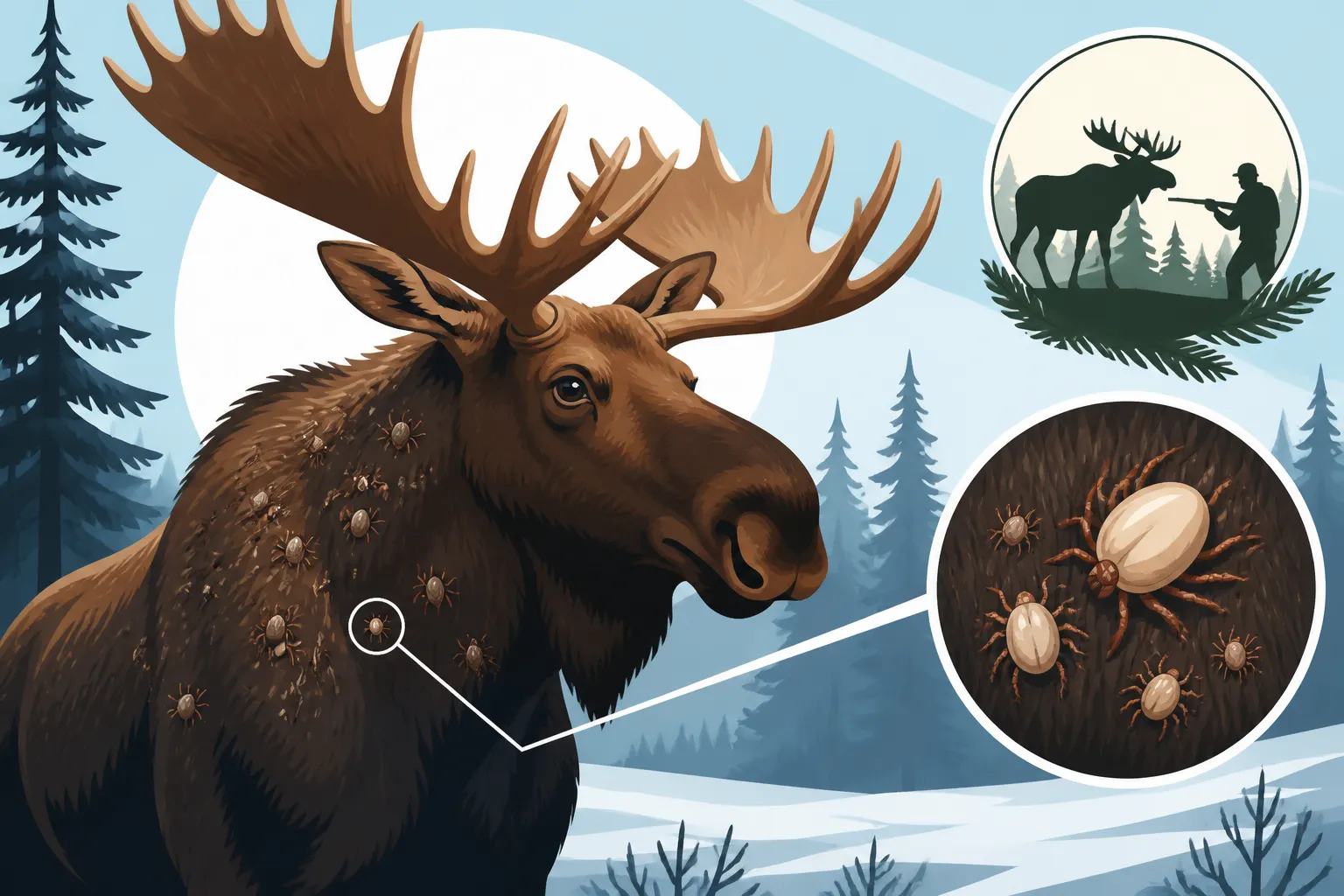
It's a sight that can stop any hunter in their tracks: a moose, its magnificent coat rubbed raw, patches of bare skin exposed to the biting cold. This isn't just a sign of a bad winter; it's often the tell-tale mark of the winter tick, a tiny parasite with a massive impact on our beloved boreal moose populations here in Manitoba. We're going to dive deep into how these insidious little creatures wreak havoc on our largest cervids, what it means for their health, and how hunters play a role in understanding this complex challenge.
The Scourge of Winter Ticks: A Boreal Challenge
For anyone who spends time in Manitoba's wild places, especially in the vast boreal forest where moose roam, the presence of winter ticks, Dermacentor albipictus, is a growing concern. These aren't your typical deer ticks or wood ticks; their life cycle is intimately tied to big game, and when conditions are right, they can infest an animal by the tens of thousands. It's a silent threat, often unseen until its devastating effects become undeniably clear. The struggle for survival for a moose carrying such a heavy parasitic load is immense, and it can weaken even the strongest bull.
Understanding the Life Cycle of the Winter Tick
The winter tick's life cycle is a fascinating, albeit grim, natural phenomenon that sets it apart from other tick species we encounter. Unlike ticks that quest for hosts throughout the warmer months, the winter tick has a "one-host" life cycle, meaning it spends its entire parasitic phase on a single animal. This cycle typically begins in the late fall.
Imagine this: microscopic larvae, hatched from eggs laid in the spring, lie dormant through the summer, clinging to vegetation like tall grasses and low-lying shrubs. As soon as the first hard frosts hit and moose begin to move through their winter ranges, these tiny larvae awaken. They engage in a behaviour called "questing," climbing up plant stems and waving their legs, waiting for a passing moose to brush against them. Once they latch on, sometimes by the thousands on a single animal, they begin to feed. Over the next several months, through the depths of winter and into early spring, these ticks will go through all their developmental stages—larva, nymph, and adult—all on the same moose. They gorge themselves on blood, swelling to many times their original size. Finally, in late winter or early spring, the engorged adult female ticks drop off the host, seeking a place in the leaf litter to lay their eggs, and the cycle begins anew. This continuous blood-feeding throughout the coldest, most energetically demanding months is precisely what makes them so detrimental to moose.
How Ticks Impact Moose Health
The direct impact of thousands upon thousands of ticks feeding simultaneously on a single moose is nothing short of catastrophic. Think about it: an animal already battling deep snow, scarce forage, and the brutal cold of a Manitoba winter is now constantly losing blood.
- Anemia and Blood Loss: Each tick is small, but when you multiply that by 50,000 or even 100,000 individual parasites, the cumulative blood loss is staggering. This leads to severe anemia, weakening the moose dramatically. Their energy reserves, which are critical for staying warm and navigating deep snow, are severely depleted just from battling the bloodsuckers. This can leave them lethargic and less able to escape predators or find adequate food.
- Hair Loss and Hypothermia: The constant irritation from the feeding ticks drives moose to rub themselves excessively against trees, rocks, and anything else they can find. This incessant rubbing to relieve the intense itch causes significant hair loss, particularly on their shoulders, neck, and flanks. This is a huge problem because a moose's thick winter coat is its primary insulation against the cold. With large patches of hair rubbed off, they become highly susceptible to hypothermia, further draining their energy as their bodies work overtime just to stay warm. A moose that can't regulate its body temperature effectively is a moose in serious trouble, especially when you're talking about Hunting Whitetails at Thirty Below or colder.
- Stress and Reduced Foraging: The sheer irritation and discomfort are constant stressors. A tick-laden moose spends less time foraging for essential nutrients and more time trying to alleviate the itching. This can lead to malnutrition and a downward spiral in overall health, making them more vulnerable to disease and predation. Their immune system is compromised, and their ability to recover from other ailments is severely hampered.
Visible Signs and Behavioral Changes in Affected Moose
As hunters and outdoor enthusiasts, recognizing the signs of heavy winter tick infestations is crucial. It allows us to better understand the health of our moose populations and contribute valuable observations to wildlife management. These signs are often stark and can be heartbreaking to witness, but they tell an important story about the challenges our boreal moose face. Keeping an eye out for these indicators is part of being a responsible steward of the land, especially when you're Scouting a Manitoba Game Hunting Area.
The "Ghost Moose" Phenomenon
One of the most striking and unfortunate visible signs of a severe winter tick infestation is what's commonly referred to as the "ghost moose." This term describes a moose that has rubbed off so much of its dark, insulating winter hair that it appears pale, even whitish, against the snow.
Imagine seeing a moose in late winter, normally a magnificent dark brown, with vast sections of its body—especially its shoulders, flanks, and hindquarters—covered in ragged, pale patches. This isn't a natural colour variation; it's a direct result of the moose desperately trying to scratch and rub off the thousands of embedded ticks. The underlying skin is often raw, irritated, and sometimes even infected. This phenomenon isn't just cosmetic; it's a huge indicator of the severe stress the animal is under. The ghost moose is a picture of an animal struggling mightily, having lost vital insulation. While using tools like GoHunt to scout for optimal moose habitat, it’s also important to be aware of the health of the animals in those areas, and sighting a ghost moose can be a somber reminder of these parasitic challenges.
Behavioral Shifts and Vulnerabilities
Beyond the visible signs, moose heavily affected by winter ticks also exhibit notable changes in their behaviour. These shifts are direct consequences of their weakened state and constant discomfort, making them far more vulnerable to a host of other threats.
A tick-infested moose will often appear lethargic and less alert than a healthy animal. The energy drain from blood loss and the continuous rubbing means they're not moving as efficiently, and they might spend less time foraging. You might observe them standing listlessly, even in areas where they would normally be actively browsing. Their reduced vigor makes them slower to react to perceived dangers, increasing their susceptibility to predators like wolves, which are also part of Manitoba's wild ecosystem. (Wolves in Manitoba's North) Furthermore, their weakened condition can make them more prone to other diseases and environmental stressors. They are less able to cope with harsh weather conditions, and their overall reproductive success can also be negatively impacted, compounding the challenges faced by the population. These behavioural changes are critical warning signs for wildlife biologists, suggesting significant stress within the local moose herd.
Broader Ecological Impact and Conservation Concerns
The individual suffering of a tick-infested moose is just one piece of a much larger puzzle. The widespread prevalence of winter ticks in certain areas of Manitoba's boreal forest has profound implications for the entire ecosystem, affecting not just moose numbers but the delicate balance of wildlife. This issue is becoming increasingly significant as we consider the long-term health of our provincial game species. Understanding these broader impacts is key to effective conservation strategies.
Population Dynamics and Moose Decline
The cumulative effect of widespread winter tick infestations on a moose population can be devastating. When a significant portion of the herd is battling severe tick loads year after year, it leads to a cascade of negative effects that ultimately impact overall population health and numbers.
Severe tick infestations contribute directly to increased mortality, especially among calves and yearlings, which are less resilient than mature adults. Even older, stronger moose can succumb to the combined stress of blood loss, hypothermia, and malnutrition. These higher mortality rates mean fewer moose reaching breeding age, fewer calves surviving their first winter, and ultimately, a decline in the overall moose population within affected areas. This decline is not uniform across the province; some areas, particularly in the southern reaches of the boreal forest, have seen more pronounced drops in moose numbers. Efforts to understand and reverse these trends are ongoing, including critical research into factors beyond ticks, such as Manitoba's Moose Population Trend. The impact of ticks is complex and often interacts with other stressors, making it difficult to pinpoint one single cause for population fluctuations, but their role is undeniably significant.
Climate Change and the Tick Problem
Perhaps one of the most concerning aspects of the winter tick issue is its direct link to our changing climate. Warmer, shorter winters create ideal conditions for tick proliferation, exacerbating the problem for moose.
The life cycle of the winter tick is particularly sensitive to temperature and snow depth. Milder falls mean that the ground stays unfrozen longer, allowing tick larvae more time to quest and find hosts before deep snow cover or freezing temperatures become a barrier. This extends their window of opportunity to latch onto passing moose. Conversely, shorter, warmer winters mean that ticks can remain active on their hosts for longer periods. Crucially, less persistent snowpack means adult female ticks that drop off in the spring are less likely to be desiccated by cold, dry conditions, increasing their survival rates and thus the number of larvae waiting for hosts the following fall. These shifting climatic patterns effectively create a perfect storm for tick populations to thrive, placing increased pressure on moose. Understanding What Climate Shift Means for Manitoba Game is crucial here, as it's not just about ticks but a whole ecosystem undergoing change.
What Hunters Can Do and How We Adapt
While the challenges posed by winter ticks to Manitoba's moose populations can feel overwhelming, we as hunters and outdoor enthusiasts are not powerless. Our time in the field gives us unique opportunities to observe, learn, and contribute to the bigger picture of wildlife management. By being informed and engaged, we can play a vital role in monitoring the health of moose and supporting conservation efforts. It's about being more than just a harvester; it's about being a true conservationist.
Observing and Reporting
One of the most direct and impactful things a hunter can do is to be a keen observer and report anything unusual. You are often the "eyes and ears" on the ground in remote areas that wildlife biologists might not frequent as often.
When you're out hunting, whether you're chasing moose yourself or Rifle Hunting Manitoba's Whitetail Rut in areas where moose also live, pay close attention to the health and condition of any moose you encounter. Look for the tell-tale signs of hair loss, particularly the "ghost moose" appearance. Note any unusual behaviour, such as lethargy or excessive rubbing. If you harvest a moose, take note of the hide condition and look for tick scars or actual ticks. Don't be afraid to take photos – good quality images can be incredibly valuable. Wildlife departments often have dedicated channels or specific protocols for reporting observations of sick or unusual animals. By taking the time to report what you see, you contribute crucial data that helps biologists track the prevalence and severity of winter tick infestations, guiding their research and management decisions. It's a simple yet powerful way to participate in active conservation. Using a robust mapping platform like GoHunt can help you mark locations where you've observed affected animals, creating a personal reference for your scouting and providing precise coordinates for any reports you make.
Supporting Moose Management Efforts
Beyond individual observations, hunters can also support broader moose management efforts that aim to address challenges like winter ticks. Our engagement and contributions are essential for the long-term health of these majestic animals.
This might involve participating in hunter surveys, which often collect data on moose sightings, harvest success, and animal condition. Your responses contribute to the overall picture of moose health. Financially, our hunting licence and tag fees directly support wildlife management and research initiatives, including those focused on moose health and habitat. Beyond that, consider getting involved with local conservation groups or wildlife federations. These organizations often advocate for sound wildlife policies and fund projects that benefit moose, such as habitat improvements or research into tick control strategies. Learning more about topics like Manitoba's Moose Conservation Closures can also help you understand the broader management context and why certain decisions are made. While there's no easy fix for the winter tick problem, a collective, informed effort from the hunting community, supported by tools like GoHunt for field intelligence, is vital for safeguarding Manitoba's moose for future generations.
Winter Tick Life Cycle and Moose Impact Summary
Here's a quick overview of how the winter tick operates and its effects on our moose:
| Stage of Tick Life Cycle | Timing | Location on Moose | Impact on Moose | Visible Signs on Moose |
|---|---|---|---|---|
| Larva | Late Fall | Clumps on hair | Initial blood feeding, irritation | Tiny specs, often unnoticed until larger numbers |
| Nymph | Early to Mid-Winter | Embedded in skin | Continued blood loss, increased itching | More visible, moose start to rub |
| Adult (Male & Female) | Late Winter/Early Spring | Embedded in skin | Heavy blood loss, severe irritation, mating | Engorged ticks (large, grey), extensive hair loss ("ghost moose") |
| Engorged Female Drop-off | Early Spring | Ground | No direct impact, but vital for next generation | None (tick leaves host) |
Disclaimer
This article is for general informational purposes only and does not constitute professional advice. Laws, prices and regulations vary by location and change over time. Consult a qualified professional for guidance on your specific situation.