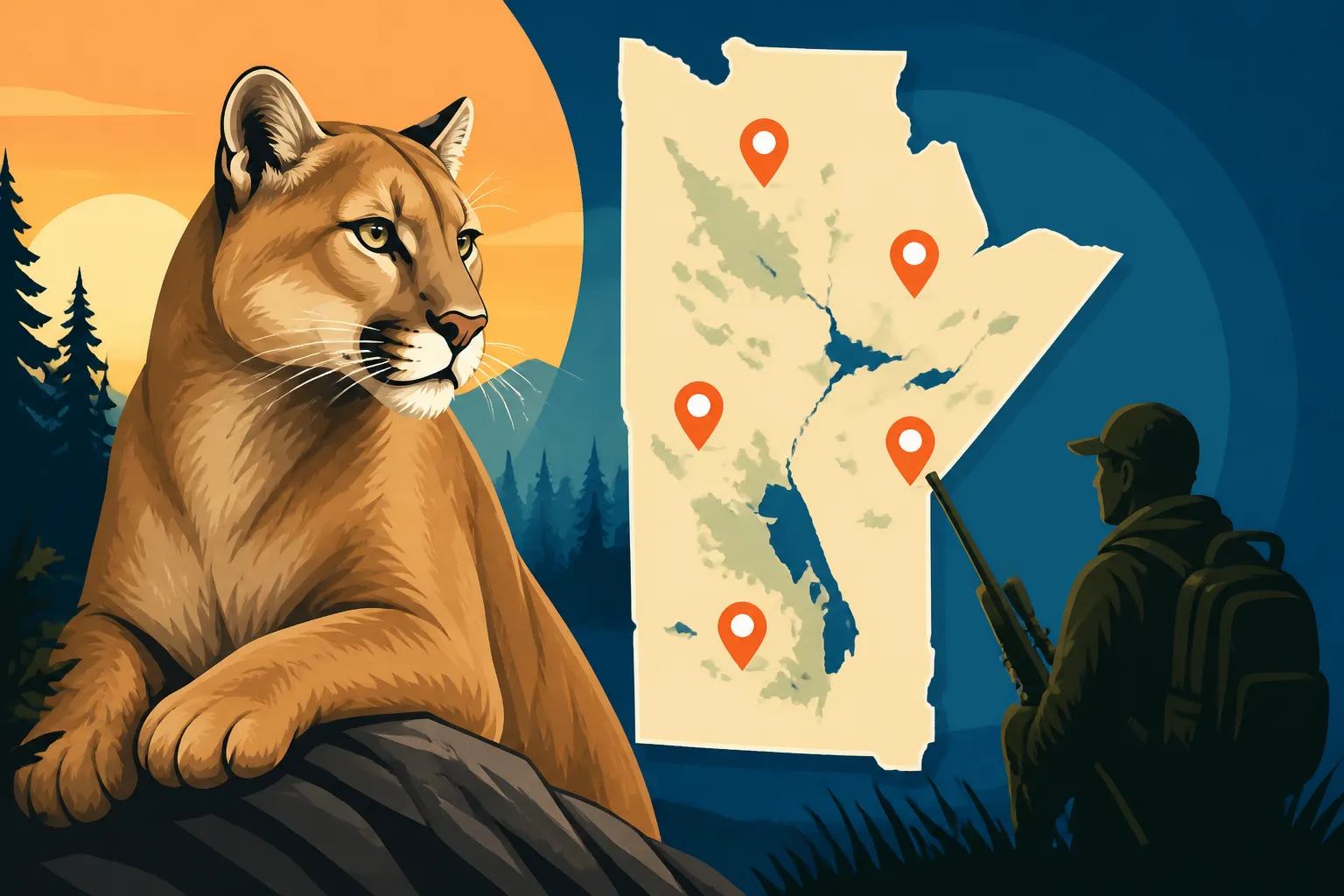
Cougars and Where They Have Turned Up
For years, the idea of cougars roaming Manitoba felt like something out of a tall tale, whispered around campfires or dismissed as mistaken identity. But increasingly, those whispers are becoming confirmed sightings, leading to a mix of awe, trepidation, and sometimes, outright confusion among hunters, landowners, and outdoor enthusiasts. This guide is here to cut through the speculation, validate your observations, and provide a clear, comprehensive understanding of these elusive big cats and their surprising re-emergence in our province.
The Growing Presence of Cougars in Manitoba
It’s no secret that for decades, cougars were considered largely extirpated from Manitoba, a distant memory from pioneer days. However, in recent years, undeniable evidence has mounted, confirming that these magnificent predators are indeed making a comeback. This isn't just a handful of isolated incidents; it's a pattern, suggesting a genuine expansion of their range.
Dispelling the Myth: Are They Really Here?
Let’s be honest, for a long time, if you mentioned seeing a cougar in Manitoba, you might have been met with a skeptical glance or a suggestion that it was probably a large coyote or even a bobcat. But those days are largely behind us. Manitoba Conservation officials have confirmed multiple sightings through physical evidence like tracks, scat, and even trail camera footage. There have been instances where livestock have been attacked with wounds consistent with cougar predation, leading to further investigations and confirmations. It’s a very real phenomenon, and anyone who has had the thrilling (or startling) experience of seeing one now knows they weren't imagining things. The sheer number of legitimate reports from various parts of the province now firmly establishes their presence.
The skepticism was understandable, given how elusive these animals are and how long they were absent. But the evidence is now compelling. From the rugged terrain of the western parklands to more surprising appearances closer to agricultural zones, cougars are quietly, but effectively, re-establishing themselves. This validation is important for hunters and outdoor users who need to be aware of their surroundings and understand the wildlife they might encounter.
Historical Context and Recent Trends
Historically, cougars, also known as mountain lions or pumas, ranged across much of North America, including Manitoba. However, intense hunting and habitat loss during settlement times pushed them almost entirely out of our province. For nearly a century, confirmed sightings were virtually non-existent, making them a ghost of the past.
The shift began primarily in the late 20th and early 21st centuries. Experts believe that cougar populations in the western provinces, particularly Saskatchewan and Alberta, have been thriving and expanding. As these populations grow, individual cougars, especially younger males, undertake long dispersal movements in search of new territories and mates. Manitoba, with its abundant prey and improving habitat corridors, became a natural frontier for this eastward expansion. The first confirmed breeding population in Manitoba in modern times is still something conservationists are studying, but individual animals are certainly here to stay.
Factors Contributing to Their Eastward Expansion
Several key factors have played a role in the cougar’s return to Manitoba. Firstly, and perhaps most importantly, is the healthy and growing population of their primary prey species, the white-tailed deer. Manitoba boasts a robust deer population across much of the province, providing an ample food source for migrating cougars. White-Tailed Deer, Manitoba's Most Hunted Animal are plentiful, and where there are deer, there is potential for cougars.
Secondly, habitat connectivity is crucial. While Manitoba has significant agricultural areas, it also retains vast tracts of continuous forest, particularly in the western and northern regions, which provide excellent cover and travel corridors. Areas like the Duck Mountain and Porcupine Hills, bordering Saskatchewan, offer ideal jumping-off points for these animals. These large forested blocks, combined with river valleys and shelterbelts that crisscross even settled areas, act as highways for dispersing cougars. Reduced persecution is another factor; with fewer bounties and increased public awareness and protection, cougars are less likely to be deliberately targeted as they once were.
Identifying a Cougar in Manitoba's Diverse Landscape
Knowing what to look for is paramount, as misidentifications are common. Cougars are unique, and once you know their distinguishing features, it becomes easier to differentiate them from other Manitoba wildlife.
Key Characteristics and How to Tell Them Apart
Cougars are magnificent animals, instantly recognizable once you know what to look for. They are large, powerfully built cats with short, tawny or grayish-brown fur – think the color of a deer hide. Their size can be impressive, with adults typically weighing between 100 to 150 pounds for females and 140 to over 200 pounds for males, though some have been recorded larger. They can measure over 6 feet long from nose to tail tip, with a substantial portion of that length being their defining tail.
The most distinctive feature is their long, thick tail, often tipped with a darker colour, which can be almost a third of their total body length. This tail is held low and has a slight curve at the end. Their heads are relatively small in proportion to their bodies, with short, rounded ears without tufts (unlike lynx). Their powerful hind legs are visibly longer than their front legs, giving them an almost crouching appearance and enabling their incredible jumping and sprinting abilities. When comparing them to other predators, they are much larger than a bobcat and lack the spotted coat and short, stubby tail. They are also distinctly different from the canids like wolves or coyotes, possessing a rounder, more cat-like head and body structure, with no visible claws when walking.
Distinguishing Tracks, Scat, and Other Signs
Beyond a direct sighting, tracks are often the most common and reliable sign of a cougar's presence. Cougar tracks are typically rounder and more asymmetrical than canine tracks, showing four toes with a distinct M-shaped heel pad. Crucially, unless they are climbing or making a sudden turn, you usually won't see claw marks in a cougar track. This is because cats can retract their claws. In contrast, dog and wolf tracks almost always show claw marks. An adult cougar's front paw track can be up to 4 inches long, significantly larger than a bobcat's and distinct from any canine.
Look for other signs too: kill sites often indicate a cougar's presence. They typically kill prey with a bite to the back of the neck or head and frequently cover their kills with leaves, grass, and dirt to cache them for later feeding. Scat (feces) from a cougar is usually segmented and rope-like, often containing hair and bone fragments from their prey. Unlike canine scat which might be deposited in the open, cougar scat is sometimes found partially covered or in a more secluded spot. If you find large, clawless tracks near a deer carcass that's been partially covered, it's a strong indicator you have a cougar in the area. Checking for these signs can be especially useful when you're out Scouting a Manitoba Game Hunting Area.
Common Misidentifications and What People Actually See
It's completely understandable how easy it is to mistake a cougar for something else, especially during a fleeting glimpse or in poor light. One of the most common misidentifications is a large domestic cat. While house cats are certainly smaller, a quick, distant sighting can sometimes lead to confusion, especially if the observer isn't accustomed to the scale of wild animals. Another frequent mix-up is with bobcats. Bobcats are much smaller than cougars, with distinct spots and a short, "bobbed" tail. Cougars have a long, flowing tail and a plain coat.
Perhaps the most common confusion, especially among hunters, is mistaking a cougar for a large coyote or even a wolf. This is where those key characteristics come in handy. Coyotes are much smaller and leaner, with a pointed snout and bushy tail. Wolves are larger, but still clearly canid in their build, with a much more prominent snout, upright ears, and always visible claw marks in their tracks. A less common but occasionally reported confusion is with black bears, particularly yearlings, whose dark fur and rounded shape might, at a distance, be misconstrued. However, a bear’s gait, head shape, and general bulk are very different from a cougar’s. Learning to truly recognize the unique features of a cougar will help you avoid these common errors.
Where Cougars Are Turning Up Across Manitoba
Cougars are incredibly adaptable, but their presence in Manitoba isn't uniform. Their distribution largely reflects the availability of suitable habitat, prey, and proximity to established populations in neighboring provinces.
Parkland Fringe and Western Border Areas
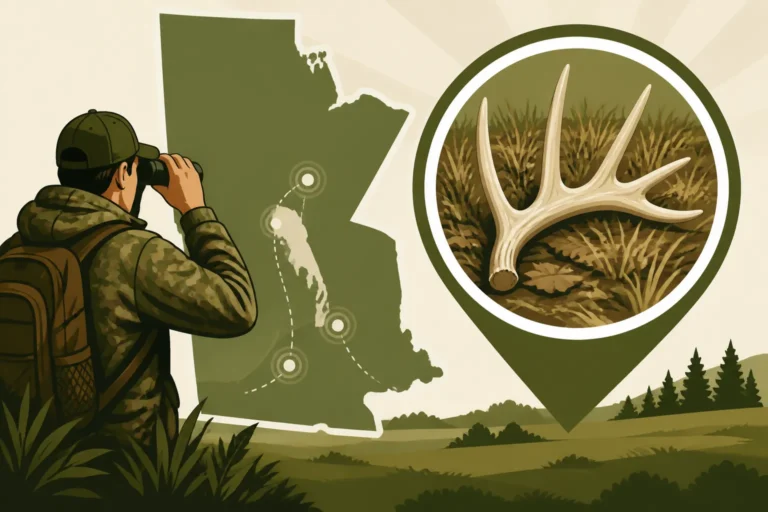
The most consistent and confirmed cougar activity in Manitoba occurs in the western part of the province, particularly along the Saskatchewan border and throughout the rugged parkland fringe. This makes perfect sense, as these areas provide a natural corridor for cougars dispersing from thriving populations to the west. Regions like the Duck Mountain Provincial Forest, the Porcupine Hills, and the Turtle Mountain Provincial Park are prime habitat.
These areas offer a mosaic of dense forest, open clearings, and agricultural interfaces, providing both cover and ample prey. The undulating terrain and extensive bush found within Hunting the Duck Mountain Country and Hunting the Turtle Mountain Bush are ideal for cougars to hunt and remain elusive. Sightings are more frequent here, and there's a higher likelihood of encountering physical evidence of their presence. The fringe areas around Riding Mountain National Park also see consistent activity, as cougars move in and out of the protected zones. These areas are truly the forefront of cougar re-establishment in Manitoba.
Interlake and Southern Agricultural Zones
While less common than in the western parklands, cougars have also been confirmed further east, even venturing into the more settled, agricultural regions of the Interlake and southern Manitoba. These sightings often occur along major river systems like the Assiniboine or Pembina, which provide natural travel corridors and pockets of dense cover. The deep river valleys and wooded slopes of the Hunting the Pembina Valley Slopes can offer surprising refuge for a transient cougar.
Even in areas predominantly used for farming, cougars can utilize shelterbelts, large marsh systems, and uncultivated bush country as pathways. For instance, the extensive slough country and aspen bluffs throughout the Hunting the Interlake Between Two Lakes can offer surprising hideouts and hunting opportunities, especially for transient animals moving through. These cats are incredibly adept at navigating human-dominated landscapes while remaining largely undetected. These sightings in more populated areas often lead to the most local excitement and, sometimes, concern.
Sporadic Sightings in Eastern and Northern Regions
As you move further east and north in Manitoba, confirmed cougar sightings become less frequent, but they are not unheard of. There have been sporadic reports and even some confirmed instances of cougars venturing into the eastern Boreal forest and even farther north. While these are likely transient individuals rather than established populations, they demonstrate the remarkable adaptability and dispersal capability of these animals.
A young male cougar, driven by instinct to find its own territory, can travel hundreds of kilometers. These far-flung sightings highlight the potential for cougars to eventually expand their range into new ecological niches within the province. For hunters venturing into northern Manitoba for species like moose or bear, while extremely rare, the possibility of an encounter, or finding evidence, is slowly increasing. It’s a testament to the wildness that still exists across our vast province.
| Feature | Cougar (Mountain Lion) | Wolf | Coyote | Bobcat |
|---|---|---|---|---|
| Size | Large (100-200+ lbs, 6-8 ft long) | Large (70-150 lbs, 5-6.5 ft long) | Medium (20-50 lbs, 3.5-4.5 ft long) | Small (15-35 lbs, 2.5-3.5 ft long) |
| Color | Tawny, grayish-brown, plain | Gray, black, white, mottled | Gray, tan, brown, mottled | Brownish-red, spots/streaks |
| Tail | Long, thick, cylindrical, dark tip, held low | Bushy, straight, often black tip | Bushy, straight, often black tip | Short, "bobbed," often black banding |
| Head Shape | Small, rounded, cat-like | Large, long snout, pointed ears | Medium, pointed snout, upright ears | Small, rounded, tufted ears (sometimes) |
| Claw Marks | Absent in tracks (retractable) | Present in tracks (non-retractable) | Present in tracks (non-retractable) | Absent in tracks (retractable) |
| Build | Muscular, powerful hindquarters | Lean, athletic, dog-like | Slender, dog-like | Stocky, short legs |
Understanding Cougar Behavior and Their Impact on Ecosystems
The return of cougars to Manitoba is more than just an interesting novelty; it represents the re-establishment of an apex predator in our ecosystems. Understanding their behavior helps us appreciate their role and adapt our outdoor practices.
Their Role as Apex Predators
Cougars are true apex predators, meaning they sit at the top of the food chain in their environment. Their primary diet in Manitoba largely consists of white-tailed deer, but they will also prey on elk, moose calves, and smaller mammals if the opportunity arises. Moose Across Manitoba's Boreal Forest and Elk in Manitoba's Parkland and Mountains are also on their menu, particularly the young, old, or weak. This predatory role is vital for maintaining healthy ecosystems. By preying on deer and other ungulates, cougars help to regulate herbivore populations, which in turn can influence vegetation health and overall biodiversity.
Their presence can also subtly alter the behavior of prey animals, making them more vigilant and potentially dispersing them more widely, preventing over-browsing in specific areas. While their numbers in Manitoba are still relatively low, their long-term presence could have significant ecological benefits, helping to create a more balanced and resilient ecosystem. For hunters, their presence, while exciting, means a new dynamic in the woods – a truly wild element to consider.
Nocturnal Habits and Elusive Nature
One of the primary reasons cougars were dismissed as a "myth" for so long is their incredibly elusive and secretive nature. They are primarily nocturnal or crepuscular, meaning they are most active during the night, dawn, and dusk. During the day, they prefer to rest in dense cover, making them extremely difficult to spot. Their natural camouflage allows them to blend seamlessly into their surroundings, whether it's a rocky outcrop, thick bush, or tall grass.
This stealthy behavior means that even in areas with confirmed cougar activity, direct sightings remain rare. Hunters spending countless hours in the bush might walk right past a resting cougar without ever knowing it's there. They are masters of ambush, relying on their keen senses, incredible speed, and powerful pounce to take down prey. This inherent shyness around humans is a good thing for both people and cougars, contributing to a natural avoidance that generally minimizes conflict. It’s also why many of the confirmations come from game cameras rather than direct encounters.
Interactions with Other Predators and Wildlife
The re-establishment of cougars adds another layer of complexity to Manitoba's predator dynamics. They share their habitat and prey with other large predators like wolves and black bears. While direct confrontations are rare, competition for food resources certainly exists. Wolves typically hunt in packs and prefer to run down prey over long distances, whereas cougars are solitary ambush predators. These different hunting strategies often allow them to coexist without excessive conflict.
Black bears are omnivores, but they will certainly scavenge on cougar kills if they find them. A cougar will typically cede a kill to a larger, more dominant bear to avoid injury. The long-term impact of cougars on other wildlife populations, beyond their primary prey, is still largely unknown in Manitoba, given their relatively recent return. However, it's a fascinating area for wildlife biologists to study, as the balance of nature continues to shift and adapt with the re-introduction of such a significant species.
Safety and Coexistence with Manitoba's Wild Cats
While the presence of cougars is a sign of a healthy ecosystem, it also means that outdoor enthusiasts need to be informed about how to recreate safely in their potential habitat. It’s about respect and preparedness, not fear.
Staying Safe in Cougar Country
Encountering a cougar in the wild is extremely rare, but it's wise to be prepared, especially if you're spending time in areas known for cougar activity, like the western parklands. When hiking, fishing, or hunting in these zones, travel in groups, as larger groups are less likely to be approached. Keep small children and pets close, ideally on a leash. A cougar may view a small child or pet as potential prey. For hunters, using resources like GoHunt to understand game movement in your GHA can also give you insight into areas where cougars might follow deer populations.
Make noise while moving through dense cover. This reduces the chance of surprising a cougar, giving it time to move away. Be aware of your surroundings, constantly scanning the trail and the surrounding bush. Avoid wearing headphones that might limit your awareness. It’s also a good idea to let someone know your plans and expected return time when venturing into remote areas. These are all common-sense practices for Hunting Safely in Deep Winter Cold or any remote Manitoba hunt, but they gain extra importance when there's an apex predator in the mix.
What to Do if You Encounter a Cougar
If you are one of the very few people who have a direct encounter with a cougar, your response is critical. The most important rule is never run. Running can trigger a cougar’s predatory chase instinct. Instead, here’s a step-by-step guide:
- Stay Calm and Stand Your Ground: This is easier said than done, but panic won't help. Make yourself look as large as possible. Open your jacket, raise your arms, and hold your backpack over your head.
- Make Eye Contact: Maintain direct eye contact, which some experts believe makes the cougar feel threatened and less likely to attack.
- Make Noise: Yell, shout, and make loud noises. A cougar is looking for easy prey; loud noises and a confident demeanor might convince it that you are not worth the trouble.
- Pick Up Children and Pets: If you have children or pets with you, pick them up immediately. Do not bend down or turn your back.
- Throw Objects: If the cougar seems to be holding its ground or acting aggressively, throw rocks, sticks, or whatever you have at hand. This is not to hurt the animal, but to deter it.
- Fight Back: If a cougar attacks, fight back with everything you have. Aim for the face and eyes. Use sticks, knives, or whatever means necessary. While extremely rare, people have successfully defended themselves from cougar attacks by fighting aggressively.
Reporting Sightings and Official Response
Reporting cougar sightings is incredibly important for wildlife management. Every verified report helps Manitoba Conservation and Climate gain a better understanding of cougar distribution, population trends, and potential areas of conflict. If you believe you’ve seen a cougar or found conclusive evidence like tracks or a kill site, contact your local Manitoba Conservation and Climate office or the Turn In Poachers (TIP) line. Provide as much detail as possible, including date, time, location (GPS coordinates if possible), description of the animal, and any photos or videos you may have.
Manitoba Conservation officials will investigate credible reports to verify the sighting. This data helps them determine if the animal is simply passing through or if a new population might be establishing. They can also issue warnings to the public in specific areas if there's a perceived risk. Their response is typically focused on monitoring and public education, reserving direct intervention only for situations where there is a clear and immediate threat to public safety or livestock. This proactive approach ensures both public safety and the successful integration of cougars back into Manitoba's wild tapestry.
Disclaimer
This article is for informational purposes only and should not be considered legal advice. Hunting regulations and wildlife management policies in Manitoba can change. Always consult the official Manitoba Hunting Guide and relevant government websites for the most current and accurate information before planning any hunting trip or outdoor activity. Safety in the wilderness is paramount, and understanding local regulations is your responsibility.