Black Bears Across Manitoba’s Bush Country
Hunting black bears in Manitoba can feel like a game of hide-and-seek, especially when you're trying to unravel their habits and where they truly thrive in our vast bush country. It's a challenging but deeply rewarding pursuit that requires understanding these intelligent animals and their diverse habitats. This comprehensive guide is here to demystify the black bear in Manitoba, covering everything from their life cycles and dietary preferences to hunting strategies, safety tips, and proper field care, so you can approach your next adventure with confidence and knowledge.
Understanding Manitoba's Black Bear Population
Manitoba's wilderness is home to a robust and healthy black bear population, making it a premier destination for those looking to experience a true boreal hunt. These bears are more than just a hunting opportunity; they are a vital part of our province's ecosystem, playing an important role as both predators and scavengers. Getting a handle on their numbers, where they're concentrated, and what factors keep them thriving is key to successful and ethical hunting.
Current Population Estimates and Trends
While exact figures can fluctuate annually due to various environmental factors, Manitoba generally maintains a strong and stable black bear population. Wildlife biologists use a combination of aerial surveys, bait station observations, and harvest data to monitor these numbers. What we see on the ground aligns with these assessments: bears are doing well. In fact, many areas report increasing numbers, which speaks to the health of their habitat and effective wildlife management strategies. Unlike some other game species, black bears are incredibly adaptable, able to utilize diverse food sources and cover, which helps them bounce back even after tough winters or localized habitat changes. Their resilience is truly remarkable, allowing for consistent hunting opportunities across vast swathes of the province. This stability is reassuring for hunters and conservationists alike, showing that our wild spaces are supporting these magnificent creatures.
Distribution Across Different Regions
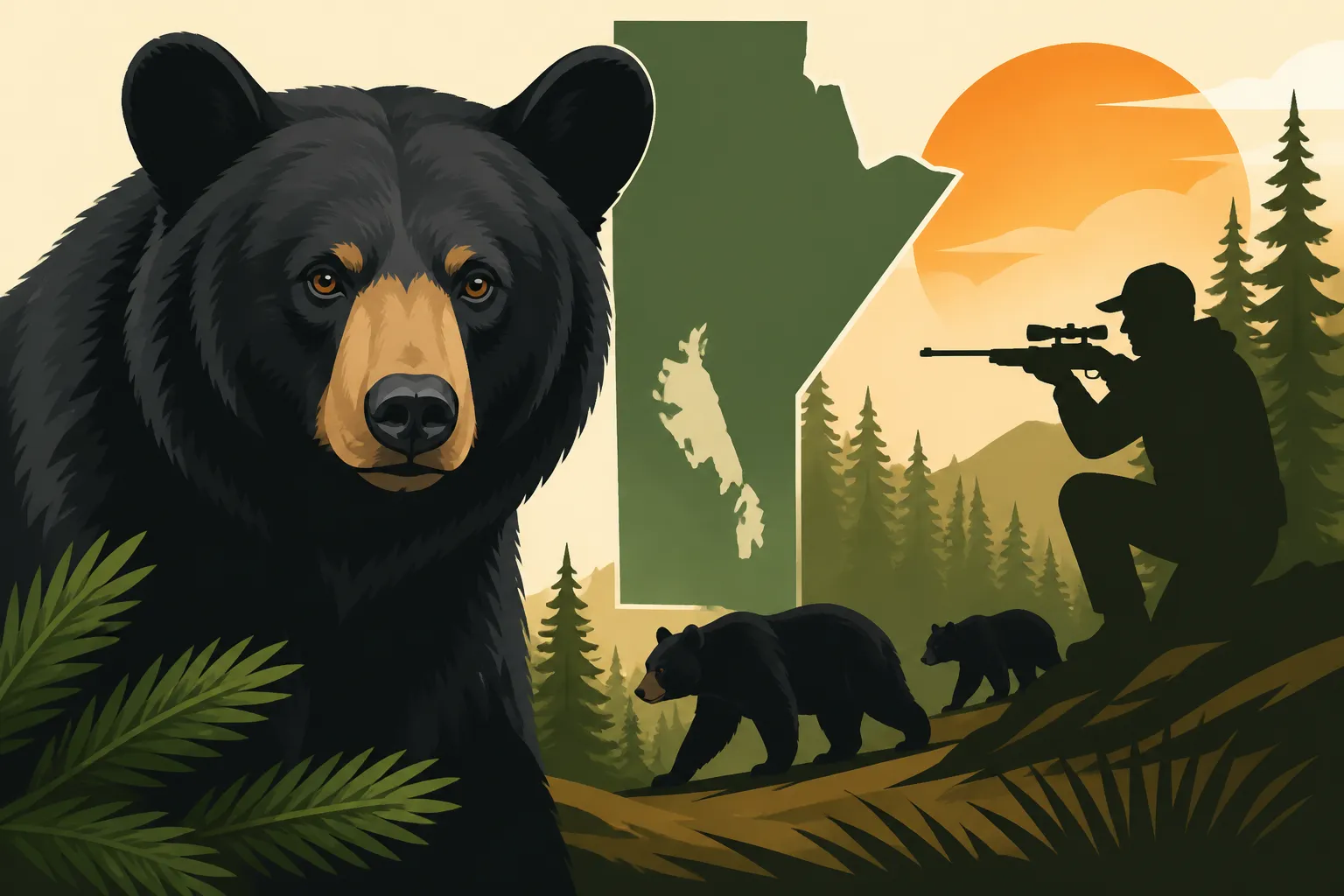
Black bears are incredibly widespread throughout Manitoba, predominantly inhabiting the province's vast forested regions. You'll find their highest densities in the expansive boreal forest that stretches across central and northern Manitoba, particularly areas like the Interlake, the forested regions around Lake Winnipeg, and the areas bordering the vast wilderness of Ontario to the east and Saskatchewan to the west. Think of the rugged country around the Duck Mountain, Porcupine Hills, and the Whiteshell Provincial Park – these are prime bear territories.
Even further north, as the forest transitions into the taiga, black bears persist, though often at lower densities. They tend to stick close to sources of food and water, which means river valleys, lake shores, and areas with mixed forest types are often hotspots. In the agricultural belt of southern Manitoba, bear sightings are less common, but they do occur, especially in isolated pockets of bush or along river corridors like the Assiniboine River where larger tracts of cover remain. These bears might be transient or hold small, localized populations. For hunters planning a trip, focusing on the true "bush country" is where you'll find the most consistent action and a better chance at encountering these animals. Understanding the nuances of their distribution is crucial for scouting and planning your hunt, whether you're researching Black Bear Numbers and Where They Peak or simply trying to narrow down your options.
Factors Influencing Bear Numbers
Several natural and human-related factors influence Manitoba's black bear population. On the natural side, food availability is paramount. A good berry year, for instance, leads to healthier bears, more successful breeding, and cubs with better survival rates. Conversely, a poor food year can stress bears, sometimes leading to more human-bear conflicts as they forage closer to communities. Winter severity also plays a role; extremely cold temperatures or late thaws can affect cub survival in dens, although bears are incredibly resilient to winter conditions thanks to their hibernation.
Habitat loss and fragmentation, while less severe in Manitoba compared to more densely populated regions, can still impact local bear populations. Logging practices, for example, can temporarily displace bears, but regenerating clearcuts often provide excellent new food sources like berries and young browse in the long run. Hunting pressure, managed through a system of licences, seasons, and bag limits, is carefully regulated to ensure sustainability. Wildlife managers continually adjust these parameters to prevent overharvesting and maintain a healthy age structure within the bear population. It's a delicate balance of conservation and opportunity, ensuring these magnificent creatures continue to thrive for generations to come.
The Life Cycle of Manitoba Black Bears
Understanding the annual rhythm of a black bear's life is critical for any hunter or wildlife enthusiast. Their activities are heavily dictated by the seasons, from the deep slumber of winter to the active foraging of summer and the crucial breeding period. Knowing these patterns provides invaluable insight into their behaviour and movements throughout the year in Manitoba's diverse landscapes.
Denning Habits and Winter Survival
As the cold grip of autumn tightens across Manitoba, black bears begin their preparations for denning, a period of deep sleep known as torpor, which allows them to survive the harsh winter months without food or water. This isn't a true hibernation in the sense of a complete metabolic shutdown, but a significant slowdown. Bears will pack on as much fat as possible during the late summer and fall, gorging on berries, nuts, and agricultural crops when available. Their den sites are carefully chosen for protection and insulation. You'll find bears denning in a variety of places: hollow logs, rock crevices, dug-out depressions under tree roots, or even shallow scrapes in dense brush. The entrance is often small and concealed, leading to a chamber lined with leaves, grass, and moss for warmth.
Typically, sows with cubs or pregnant females enter dens first, often in late October or early November, followed by solitary males. They'll remain in their dens until late March or April, depending on weather conditions and snowmelt. During this time, their heart rate slows, body temperature drops slightly, and they sustain themselves entirely on their accumulated fat reserves. It's an incredible feat of natural engineering, enabling them to emerge in spring, sometimes with newborn cubs, ready to face another year in the bush.
Breeding Season and Cub Rearing
The black bear breeding season in Manitoba typically runs from late May through July, with the peak often occurring in early to mid-June. During this time, adult males (boars) will travel extensively, following scent trails left by females (sows) to find receptive mates. Sows, on average, only come into estrus every two years, giving them ample time to raise their cubs to independence. The actual implantation of the fertilized egg is delayed until fall, a remarkable biological strategy known as "delayed implantation." This means the embryo doesn't begin to develop until the sow has built up sufficient fat reserves from her autumn foraging. If food is scarce, the embryo may not implant, allowing the sow to conserve energy.
Cubs are born in the den, usually in late January or February, while the sow is still in her winter torpor. They are tiny, blind, and helpless, weighing only about 200-400 grams (7-14 ounces). A typical litter consists of two or three cubs, though single cubs or even four are possible. These newborns rely entirely on their mother's rich milk for survival and warmth. By the time they emerge from the den in spring, they've grown considerably, usually weighing around 2-5 kg (5-11 lbs). They will stay with their mother for about 1.5 to 2 years, learning essential survival skills such as foraging, identifying danger, and finding suitable den sites. This extended family unit is a common sight in the Manitoba bush, and it's why hunters must always be vigilant to distinguish between sows and boars, especially during the spring season.
Growth and Longevity of Manitoba Bears
Manitoba black bears exhibit impressive growth, particularly during their first few years, but their ultimate size and longevity can vary significantly based on genetics, habitat quality, and food availability. Cubs grow rapidly on their mother's milk, and by their second year, known as yearlings, they are roughly half the size of an adult sow. Males generally grow larger and heavier than females. A mature sow in Manitoba might weigh between 90-180 kg (200-400 lbs), while a large boar can easily tip the scales at 180-270 kg (400-600 lbs) or even more, with some exceptional specimens pushing past that. The heaviest recorded black bears in North America have exceeded 800-900 lbs, though these are rare giants. The dense forests and plentiful food sources in areas like Manitoba contribute to these impressive body weights, which is a key factor in Why Northern Bucks Carry More Body Mass as well.
Bears typically reach sexual maturity around 3-5 years of age. Their lifespan in the wild can range from 15 to 25 years, although individual bears living into their late 20s or even 30s have been documented. Factors like hunting pressure, habitat quality, and encounters with other large predators (like wolves, though less common for adult bears) can all impact their survival. A healthy, robust bear population with good age class distribution is a strong indicator of a well-managed ecosystem, reflecting positively on Manitoba's conservation efforts.
Black Bear Habitat and Diet Across Manitoba's Bush Country
To successfully hunt or simply observe black bears in Manitoba, you need to understand where they prefer to live and what they like to eat. Their choices in habitat and diet are deeply intertwined with the seasons and the specific characteristics of our vast boreal and mixedwood forests. These intelligent omnivores are masters of adapting to their surroundings, making them both challenging and rewarding to pursue.
Preferred Terrains and Cover
Manitoba's black bears thrive in expansive, unfragmented tracts of forest, often preferring the dense cover of spruce, fir, and aspen stands. They are particularly drawn to areas that offer a mosaic of different habitats: dense coniferous forests for bedding and security, mixedwood areas for foraging on berries and nuts, and wetlands or riparian zones along rivers and lakes for water and succulent vegetation. These areas provide the perfect combination of cover, food, and water. You'll often find them utilizing areas with thick underbrush, tangled blowdowns, or rocky outcrops for bedding, which offer excellent concealment and protection from the elements.
River valleys and marsh edges are also hotspots, especially in spring, as they green up earlier and provide crucial early-season browse. These linear features often serve as natural travel corridors, linking different foraging areas or distant bedding grounds. For a hunter, identifying these "transition zones" – where two different habitat types meet, like a dense spruce stand bordering a berry patch or a swampy area – can be incredibly productive. Areas impacted by past logging or wildfires, once regenerated, can also become prime bear country due to the flush of new growth that produces abundant forage. Knowing these preferences is key whether you're Scouting a Manitoba Game Hunting Area or setting up a bait site.
Seasonal Foraging Patterns
Black bears are true omnivores and their diet changes dramatically with the seasons, driven by what's available in Manitoba's dynamic environment. In spring, as they emerge from their dens, their focus is on easily digestible greens to kickstart their digestive systems. They'll forage on young grasses, sedges, aspen catkins, and other succulent plant growth, often found in low-lying areas, south-facing slopes, or along creek bottoms where snow melts first. They are also keen on carrion during this time, scavenging winter-killed deer or moose.
As summer progresses, their diet shifts towards berries. Manitoba is rich in saskatoons, blueberries, raspberries, pin cherries, and chokecherries, all highly sought after by bears. Insects, particularly ants and their larvae, become a significant protein source, found by tearing apart rotting logs. They also consume various roots, tubers, and fungi.
By fall, the drive to hyperphagia (excessive eating) sets in as they prepare for winter denning. This is when they consume massive amounts of calories. Hard mast crops like acorns (where oak trees are present, though less common in much of Manitoba's prime bear country) are prized. Agricultural crops, such as oats, peas, or standing corn, become irresistible food plots, drawing bears out of the deep bush to farmland edges. What Bears Eat in a Boreal Spring will differ drastically from what they forage in the fall. Understanding these seasonal shifts in diet allows hunters to anticipate where bears will be concentrating their efforts for food.
Water Sources and Bear Movement
Water is an essential element for black bears, not just for drinking, but also for cooling down during warmer months and often as a direct source of food. Manitoba's bush country is crisscrossed with countless lakes, rivers, streams, and sloughs, providing an abundance of water sources that bears utilize daily. Bears will often travel along riparian corridors, using dense vegetation along water bodies for cover and moving between different foraging areas. In hot weather, you might even see bears cooling off by wading or swimming in shallow water.
These water sources also provide important food items. Bears will feed on aquatic vegetation, fish (though less common for black bears than grizzlies), and even crustaceans. The edges of lakes and rivers are often excellent for finding early green-up in spring, and the rich soil can produce abundant berry crops in summer. For hunters, focusing on areas near reliable water sources can be a highly effective strategy, as bears will naturally gravitate to these areas, especially during dry spells or warm periods. Look for trails leading to and from water, or even tracks along muddy banks – these are clear indicators of bear activity.
Recognizing Color Phases and Bear Sign
One of the fascinating aspects of hunting black bears in Manitoba is the sheer variety you can encounter. While they are all technically black bears, their coats come in an astonishing array of colours. Beyond their appearance, learning to "read" the bush for bear sign is an art form that can dramatically increase your hunting success.
Common Color Variations in Manitoba
Despite their name, not all black bears are actually black! Manitoba is particularly renowned for its high percentage of colour phase bears, offering hunters a unique and beautiful trophy. While solid black remains the most common, it's not unusual to encounter bears with coats ranging from chocolate brown, cinnamon, and even lighter blonde or reddish hues. These colour variations are due to genetic factors and are more prevalent in certain geographical areas.
Imagine sitting in your stand, scanning the bush, and suddenly seeing a magnificent blonde bear emerge from the shadows – it's a breathtaking sight that adds an extra layer of excitement to the hunt. These colour phases are part of what makes Colour Phase Black Bears in Manitoba such an interesting topic. Some hunters even specifically target certain colour phases, though any healthy Manitoba bear is a fantastic trophy. It’s important to remember that coat colour is not an indicator of age or sex; a small cub could be brown, and a massive boar could be black. Always focus on physical characteristics like body size, head shape, and ear placement when judging a bear, rather than just its coat color.
Interpreting Bear Tracks and Trails
Learning to interpret bear tracks and trails is like reading a secret language written in the dirt, snow, or mud. Black bear tracks are distinctive: they have five toes, and the front paws are generally broader and shorter than the hind paws, which are longer and resemble a human footprint. You can often see claw marks, especially on the front feet, though they may not always be visible on soft ground.
When fresh, tracks tell you not only that a bear has been in the area but also how recently. Large, deep tracks indicate a heavy bear, likely a mature animal. The gait can tell you if the bear was walking, trotting, or running. A direct register, where the hind foot lands directly in the front footprint, is common for a walking bear. Look for consistent travel routes, often along game trails, old logging roads, or the edges of dense cover. Bears are creatures of habit and will often use the same paths repeatedly, creating discernible trails. Finding a well-worn bear trail leading to a known food source or water is a major clue that you're in active bear country, and it can be invaluable for pinpointing where to focus your hunting efforts.
Understanding Scat, Rubs, and Feeding Sign
Beyond tracks, other forms of bear sign can tell you a lot about their presence and activities. Scat, or droppings, is incredibly informative. Its content changes seasonally: in spring, it might be green and fibrous from grasses; in summer, full of berry seeds; and in fall, it could contain remnants of corn or other agricultural products. The size indicates the bear's general size, and the freshness tells you how recent the activity was. A pile of warm, moist scat is a good indication that a bear is very close by.
Rubs are another significant sign. Bears rub their backs against trees, telephone poles, or even rocks, often leaving hair behind. These rubs can be scent-marking points, used to scratch an itch, or even to remove old winter hair. Look for claw marks high on trees from bears climbing or marking their territory, especially on "bear trees" where they consistently visit.
Feeding sign is perhaps the most exciting to find. Look for overturned rocks and logs where bears have dug for insects, or broken branches and stripped bark where they've fed on berries or cambium. In agricultural fields, broken corn stalks or flattened patches of oats are undeniable evidence of bears. When you find multiple types of fresh sign in an area – tracks, scat, and feeding activity – you know you're in a prime location, and it's time to set up or proceed with extreme caution and heightened awareness. Tools like the GoHunt app can sometimes help you identify prime areas for these signs by overlaying habitat maps.
Manitoba Black Bear Hunting Seasons and Regulations
Successfully hunting black bears in Manitoba isn't just about finding the animal; it's also about knowing and adhering to the specific rules and regulations that govern the hunt. Manitoba's wildlife managers work hard to ensure healthy bear populations, and that means hunters need to be diligent about season dates, bag limits, and ethical practices.
Spring and Fall Season Dates by Zone
Manitoba offers both spring and fall black bear hunting seasons, providing flexibility for hunters. The spring season typically runs from late April or early May, extending through late June. This timing is fantastic because bears are emerging from their dens, often very hungry, and focusing on easily accessible food sources. This makes them more predictable and responsive to baiting efforts. The weather is also generally milder than the fall, though still prepare for cool mornings and evenings.
The fall season usually starts in late August or early September and runs through October or even early November, depending on the specific Game Hunting Area (GHA). During the fall, bears are in hyperphagia, trying to pack on as much fat as possible before winter denning. They can be incredibly active, focusing on berry patches and agricultural fields. It's a great time to hunt for bears with thick, luxurious coats.
Specific dates and GHA availability can vary year to year, so it's absolutely crucial to consult the most current Manitoba Hunting Guide annually. Some GHAs might have limited seasons or specific restrictions, so always double-check the details for your chosen hunting area. The guide provides all the necessary information, including Manitoba Bear Season Dates by zone.
Tagging, Licencing, and Bag Limits
To hunt black bears in Manitoba, both residents and non-residents need the appropriate licenses and tags. Residents typically purchase a general resident hunting license and then a specific black bear tag. Non-residents, especially those from outside Canada, often require an outfitter and specific non-resident licenses. It's a system designed to manage harvest pressure and ensure a quality experience for all. You can find more details on Manitoba Hunting Licences and What They Cost through the provincial government website.
The bag limit for black bears in Manitoba is generally one bear per hunter per year, regardless of whether you hunt in spring or fall. Once you harvest a bear, you must immediately validate your tag by cutting out the appropriate date and attaching it to the animal as specified by regulations. This validation process is critical for wildlife management and helps track harvest data. You also need to retain evidence of sex (a specific part of the animal, usually the penis for a male or teats for a female) until the hide is tanned or the animal is processed at your permanent residence. This is to help conservation officers verify the legality of your harvest if needed. Always make sure your paperwork is in order before heading out.
Rules for Baiting and Firearms
Baiting is a popular and highly effective method for hunting black bears in Manitoba, especially during the spring season when bears are hungry and often seeking easily accessible calories. However, there are strict rules that govern baiting practices. Generally, bait sites must be registered, clearly marked, and located a certain distance from roads, trails, and residences. Only certain types of bait are allowed, and you cannot place bait during closed seasons. It's crucial to understand these rules to ensure your hunt is legal and ethical. You can learn more about specific regulations regarding Baiting Black Bear in Manitoba.
When it comes to firearms, hunters must adhere to the legal requirements for big game in Manitoba. This generally includes specific calibres of rifles, shotguns with slugs, and bows with a minimum draw weight. Muzzleloaders also have their own set of rules. It's imperative that your chosen weapon is both legal for black bear hunting and that you are proficient in its use. Blaze orange requirements also apply in certain situations, especially during rifle seasons, so always check the specific rules for your GHA and season. Safety and compliance are paramount, ensuring a responsible hunting experience for everyone in the bush.
Hunting Strategies for Black Bears in Manitoba
Hunting black bears in Manitoba offers a variety of approaches, each with its own set of challenges and rewards. Whether you prefer the patient wait over a bait site, the stealthy pursuit of a spot and stalk, or the adrenaline rush of calling, understanding these strategies is key to a successful hunt in our diverse landscapes.
Effective Baiting Techniques
Baiting is arguably the most popular and often the most successful method for hunting black bears in Manitoba, particularly during the spring season. The premise is simple: establish an enticing food source to draw bears to a specific location, allowing for a controlled, ethical shot. But "simple" doesn't mean "easy." Effective baiting requires careful planning, consistency, and a deep understanding of bear behaviour.
First, location is everything. You want a site that offers good cover for the bear to approach and feel secure, yet allows you a clear shooting lane from your stand or blind. Proximity to dense bedding areas, water sources, and travel corridors like old logging roads or creek bottoms significantly increases your odds.
Next, bait choice and consistency are crucial. Bears are driven by calories. Common baits include stale pastries, meat scraps (ensure legal, check regulations!), dog food, and molasses. A strong scent is key to initially attracting bears from a distance, so consider hanging scent lures or using burnt sugar/grease. Once bears start hitting the bait, consistency is vital. You need to refresh the bait regularly, ideally every 2-3 days, to keep them coming back. Many hunters use barrel setups, sometimes chained to a tree, to make the bait last longer and prevent bears from easily dragging it away.
Finally, patience and observation are your best friends. Bears are often crepuscular (most active at dawn and dusk), but they can show up at any time. Scent control is critical as bears have an incredible sense of smell. Set up your stand or blind downwind, and ensure it's comfortable for long sits. Monitor your bait regularly, looking for fresh tracks, scat, and how much bait has been consumed. This will give you insights into the number and size of bears visiting, and their preferred times, helping you decide when and where to hunt. Remember, proper baiting practices are essential, as outlined in Baiting Black Bear in Manitoba, to ensure legality and ethical hunting.
Spot and Stalk Opportunities
While baiting is king for bears in Manitoba, spot and stalk hunting offers a thrilling, more active alternative, particularly in areas with open visibility or during the fall when natural food sources are abundant. This method demands keen eyes, stealth, and a deep understanding of bear movement patterns and terrain. It's not for the faint of heart, but the reward of outsmarting a bear on its own terms is immense.
The best opportunities for spot and stalk arise in areas where visibility is good, such as regenerating clearcuts, burns, large open fields bordering forest, or along major river valleys and power lines. During the spring, bears might be seen grazing on new green growth in these open areas. In the fall, they often frequent agricultural fields, particularly oat or canola fields, or large berry patches in clearings. The key is to find elevated vantage points that allow you to glass vast areas. Good optics are indispensable for spotting that dark shape against the brush. The GoHunt app, for instance, could be valuable here for identifying satellite imagery of clearcuts or open areas where visibility might be better.
Once a bear is spotted, the real challenge begins. You need to plan your stalk carefully, using terrain features and wind direction to your advantage. Bears have an incredible sense of smell, so staying downwind is paramount. Their eyesight is considered fair, but they are very sensitive to movement. Move slowly, deliberately, and be prepared to freeze if the bear looks your way. It's a game of chess in the woods, where every step counts, and the slightest mistake can send your quarry vanishing into the cover.
Calling Bears into Range
Calling bears is a less common but incredibly exciting and high-adrenaline hunting strategy in Manitoba. It's not for everyone, but for those who enjoy the thrill of interaction, it can be intensely rewarding. The primary method involves imitating the distress cries of a small animal, like a rabbit or fawn, which can pique a bear's predatory curiosity.
This technique is most effective during certain times of the year and in specific scenarios. It tends to work best in early spring when bears are very hungry and looking for easy meals. It can also be effective in areas where bears are less accustomed to human presence, making them bolder. You'll need specialized calls, which typically mimic a high-pitched, drawn-out squeal or cry. Patience is required, as is the ability to sit still and silent between calling sequences.
The key to successful calling is selecting a good setup location. You want an area with good visibility, where you can see a bear approaching from various directions, but also with enough cover for you to remain concealed. Always consider your wind direction, as a bear will often try to circle downwind to get a scent of whatever is making the noise. When a bear responds to the call, it can come in fast and aggressively, so be prepared for a quick shot. It's an intense experience, and definitely not for the faint of heart, but when it works, it's one of the most memorable ways to harvest a black bear.
Safety in Manitoba's Bear Country
Hunting or simply recreating in Manitoba's black bear country means you're sharing their home. While bear attacks are extremely rare, being prepared and knowing how to prevent and handle encounters is crucial for your safety and the safety of the bears. A respectful approach, combined with practical knowledge, ensures a positive experience for everyone.
Preventing Encounters in the Backcountry
The best bear encounter is the one that never happens. Prevention is always the first line of defence when you're spending time in Manitoba's wild spaces.
Firstly, make noise when you're hiking or moving through dense brush. Talking, singing, or carrying a bear bell can alert bears to your presence, giving them time to move away before you surprise them. This is especially important in areas with poor visibility or when travelling alone.
Secondly, store food properly. If you're camping or leaving a hunting camp unattended, all food, garbage, and scented items (like toiletries) must be stored in bear-resistant containers, hung from a tree, or secured inside a hard-sided vehicle or cabin. Never leave food unattended or accessible, as bears that become habituated to human food often become problem bears and may need to be relocated or, in severe cases, euthanized.
Thirdly, be aware of your surroundings. Pay attention to fresh bear sign like tracks, scat, and rubs. If you encounter a fresh carcass, detour widely. Avoid travelling at dawn, dusk, or night when bears are most active. Lastly, avoid walking through dense berry patches alone during peak berry season, as bears will be actively feeding there. By being proactive, you drastically reduce the chances of an unwanted surprise.
What to Do During a Bear Encounter
If you do find yourself face-to-face with a black bear, remember the mantra: stay calm. Panicking or running can trigger a chase response.
First, identify the bear's behaviour. Is it simply curious, or is it showing signs of aggression? A bear standing on its hind legs is usually trying to get a better look or smell; it's not necessarily aggressive.
If the bear seems unaware of you, slowly back away while continuing to face the bear, and make noise to alert it to your presence.
If the bear is aware of you and appears agitated (huffing, paw swatting, ground bluff charges), make yourself look as large as possible. Raise your arms, speak in a loud, firm voice, and try to appear dominant. Do not make direct eye contact, as this can be perceived as a challenge. Do not run. Back away slowly.
If a black bear attacks, especially if it seems predatory (silent, sustained attack, not a bluff charge), fight back vigorously. Aim for the bear's face and snout. This differs from grizzly bear defence, where playing dead is usually recommended. Knowing this distinction is critical for your safety. Always carry bear spray and know how to use it. More information on wildlife safety can be found in resources about Wildlife Safety in Manitoba Bear Country.
Carrying and Using Bear Spray Effectively
Bear spray is a non-lethal deterrent that can be incredibly effective in stopping an aggressive bear charge. It's designed to temporarily incapacitate a bear, giving you time to retreat to safety. However, it's only effective if you have it readily accessible and know how to use it properly.
Accessibility is key. Your bear spray should be carried in a holster on your hip or chest, not in your backpack. In a sudden encounter, you won't have time to dig through your gear.
Know how to deploy it. Practice removing it from the holster and aiming. You want to spray a cloud of deterrent, not a direct stream, into the bear's face when it is within 5-10 meters (15-30 feet). The goal is to create a barrier of capsaicin (the active ingredient derived from chili peppers) that irritates the bear's eyes, nose, and mouth, causing it to disengage.
Understand wind direction. Always be aware of the wind. Spraying into a strong headwind can result in the spray blowing back into your face, incapacitating you instead of the bear.
Bear spray is a last line of defence and should not replace good bear country practices. But having it and knowing how to use it can be a lifesaver, providing peace of mind when venturing into Manitoba's bush.
Field Care and Processing Your Manitoba Black Bear
Successfully harvesting a black bear is a significant accomplishment, but the work isn't over when the shot is fired. Proper field care is paramount, ensuring that your valuable meat is preserved, your hide is prepared for taxidermy, and you comply with all regulatory requirements, including CWD sampling.
Proper Field Dressing and Meat Care
Black bear meat is a delicious and often underrated wild game, but proper field dressing and meat care are crucial to ensure its quality. Bears have a thick layer of fat, which, while valuable for their winter survival, can impart a strong "gamey" flavour to the meat if not handled correctly.
Immediately after harvesting, field dress the bear as quickly as possible. This involves removing all internal organs, which helps the carcass cool down rapidly. Cut the bear open from the sternum to the pelvis, being careful not to puncture the intestines. Remove the entire entrails.
Once eviscerated, skin the bear immediately. This is perhaps the most critical step for meat quality. Removing the hide helps the meat cool much faster and prevents the fat, which can hold a strong flavour, from leaching into the muscle tissue. Carefully separate the fat from the meat as much as possible, especially any thick layers.
Quarter the bear into manageable pieces and get the meat cooled as quickly as you can. This might involve placing it in game bags and hanging it in the shade, or even packing it with ice if you're close to a cooling facility. Meat Care in Manitoba's Cold Snaps is a critical skill for any big game hunter. Avoid stacking warm meat directly on top of itself, as this can trap heat and lead to spoilage. Cleanliness is key throughout the entire process to prevent bacterial contamination.
Handling the Hide for Taxidermy
If you plan to have your bear hide tanned or mounted, proper care in the field is essential to prevent hair slippage and ensure a quality trophy. The skinning process for a taxidermy mount is more precise than for just meat preservation.
For a full rug or life-size mount, you'll need to make specific cuts for a "rug cut" or "dorsal cut," which involves skinning the bear down the middle of its back. For a skull mount or European mount, simply removing the head is sufficient.
Once the hide is off, cool it immediately. Lay it out flat in the shade, hair side down, to allow it to cool.
Flesh the hide thoroughly. This means removing all excess fat and muscle tissue from the inside of the hide. Any remaining flesh will promote bacterial growth and lead to hair slippage. This can be a time-consuming but vital step.
Finally, salt the hide generously. Use non-iodized salt (rock salt or fine-grained salt works best) and rub it into every part of the flesh side. The salt draws out moisture, effectively curing the hide. Fold it up, flesh side to flesh side, and allow it to drain. You'll need to re-salt after a day or two to ensure all moisture is removed. Get the hide to a taxidermist or tanner as soon as possible after this initial salting, especially if you're dealing with warmer temperatures. Proper hide preparation can make all the difference in the final quality of your trophy.
CWD Sampling and Regulations for Bears
While Chronic Wasting Disease (CWD) is primarily a concern for cervids (deer, moose, elk), Manitoba's wildlife regulations are constantly evolving, and hunters must stay informed about any potential sampling requirements for other species, including black bears. Currently, black bears are not known to be susceptible to CWD, and there are typically no mandatory CWD sampling requirements for bears in Manitoba.
However, it's always good practice to stay updated with the latest provincial hunting guide, as regulations can change. If you ever have concerns about the health of an animal you've harvested, or if it displays unusual behaviour or signs of illness, it's best to report it to a conservation officer. They can advise on whether a sample should be taken or if further investigation is needed. For general information on CWD, you can refer to Manitoba's CWD Sampling Requirements which focuses on ungulates. Responsible hunting means not only following the rules but also contributing to the overall health and monitoring of our wildlife populations.
| Feature | Spring Bear Hunt (May-June) | Fall Bear Hunt (Sept-Oct) |
|---|---|---|
| Bear Activity | Emerging from dens, very hungry, seeking green forage & carrion | Hyperphagia, actively seeking berries, nuts, agricultural crops |
| Coat Quality | Often thinner, shedding winter hair; potential rubs | Thick, luxurious coats, prime for taxidermy |
| Baiting Success | Generally very high due to post-denning hunger | Can be good, but bears are also focused on natural food sources |
| Spot & Stalk | Possible, but limited visibility; early green-up areas | Excellent in fields, clearcuts, berry patches |
| Weather | Milder temps, potential for rain/bugs; cool nights | Cooler temps, less bugs, potential for early snow |
| Boar vs. Sow | Easier to identify boars as sows may have small cubs | Less obvious distinction, cubs more independent |
| Other Game | Minimal other hunting seasons open | Overlaps with deer, moose, bird seasons |
Disclaimer
Please remember that hunting regulations, season dates, and other requirements can change. Always consult the most current Manitoba Hunting Guide and relevant provincial government resources before planning and undertaking any hunting activities. This article is for informational purposes only and does not supersede official regulations.