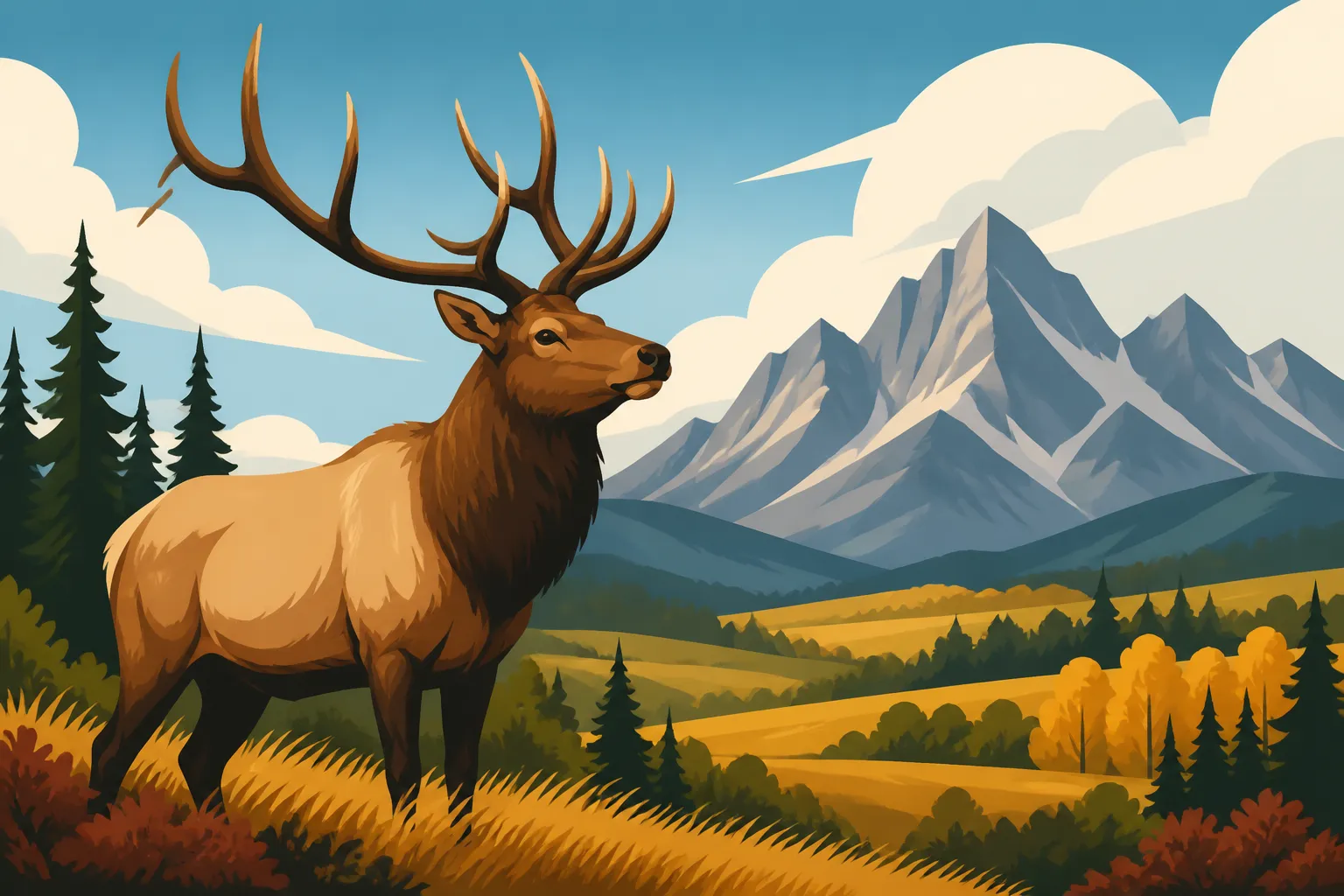
Elk in Manitoba’s Parkland and Mountains
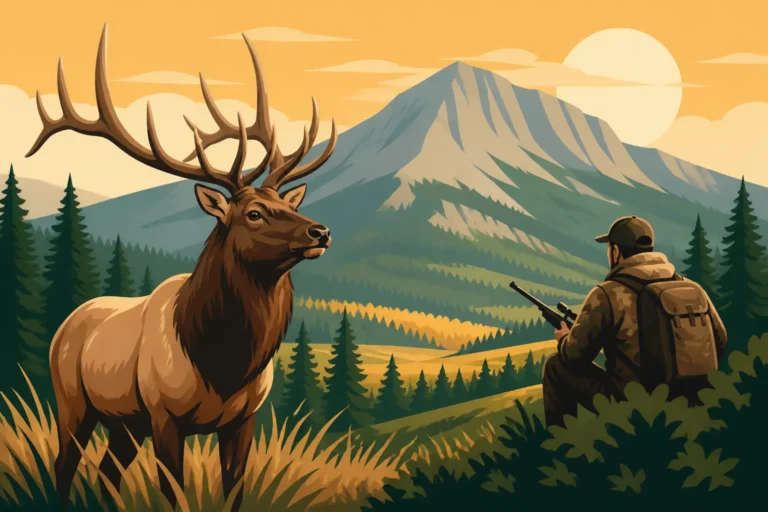
Many hunters in Manitoba dream of chasing the majestic elk, but the reality is, it’s a far less common pursuit than deer or moose, often shrouded in mystery due to their more secluded habits and the limited number of tags available. This guide aims to pull back the curtain on elk hunting in our province, offering a comprehensive look at their habitats, behaviors, the draw system, and practical strategies to help you navigate this challenging yet incredibly rewarding big game opportunity.
The Resilient Comeback of Manitoba's Elk Herds
For many years, the presence of thriving elk herds in Manitoba was a distant memory. However, thanks to dedicated conservation efforts and thoughtful management, these magnificent animals have made a remarkable comeback, establishing themselves as a significant part of our province's big game landscape. Their return is a testament to the resilience of nature and the commitment of wildlife agencies and local communities.
A History of Elk in Manitoba
Elk, or wapiti, once roamed much of Manitoba's prairie and parkland regions in significant numbers, much like their counterparts further west. Early historical accounts describe vast herds, but westward expansion, unregulated hunting, and habitat loss severely impacted their populations, pushing them to near extinction in many areas by the early 20th century. For decades, only remnant populations clung to existence in the most remote pockets of wilderness.
The turning point began mid-century with reintroduction programs and the establishment of protected areas. Elk from other regions were brought in, carefully released into suitable habitats, and given the space and protection they needed to recover. These efforts were slow but steady, laying the groundwork for the herds we see today. It wasn't an overnight success, but a long-term investment in wildlife management that has truly paid off, allowing future generations of hunters to experience the thrill of pursuing these iconic animals.
Current Population Status and Distribution
Today, Manitoba's elk populations are primarily concentrated in specific regions, most notably the Duck Mountain, Porcupine Hills, and the fringes of Riding Mountain National Park. These areas offer the perfect mosaic of forest, open meadows, and agricultural land that elk need to thrive. While their numbers aren't as widespread or as dense as whitetail deer, current estimates show healthy and stable populations in these core areas, with some expansion into surrounding locales.
The provincial government conducts regular aerial surveys and monitoring programs to keep a close eye on herd health, population trends, and distribution. This data is crucial for setting sustainable hunting quotas and managing the draw system. While localized fluctuations occur due to severe winters or habitat changes, the overall picture is positive. We're fortunate to have the chance to hunt these incredible animals, a privilege that underscores the success of conservation. You can often find detailed reports on specific areas and their elk numbers through official provincial wildlife resources or by utilizing modern hunting apps like GoHunt to cross-reference with available GHA data.
Where Manitoba's Elk Roam: Key Hunting Areas
When you picture elk hunting, you might imagine vast mountain ranges. While Manitoba doesn't have mountains in the traditional sense, our "mountain" regions—the Duck Mountain and Porcupine Hills—offer incredibly challenging and rewarding terrain that mimics mountain hunting in many ways. Additionally, the fertile fringes of our national parks provide unique opportunities.
The Duck Mountain and Porcupine Hills Strongholds
These two prominent highlands, often referred to as Manitoba's "mountains" due to their significant elevation changes and rugged topography, are the undeniable strongholds for the largest and most robust elk herds in the province. The Duck Mountain Provincial Forest and the Porcupine Provincial Forest are vast expanses of mixed forest, dense timber, clearings, and numerous lakes and streams. The terrain here can be incredibly demanding, with steep ridges, deep valleys, and thick bush that will test your physical limits and bushcraft skills.
Elk in these areas utilize the dense forest for cover and bedding, moving into more open areas, regenerating clearcuts, or natural meadows to feed, especially during the early mornings and late evenings. A hunt here often means significant hiking, navigating by compass or GPS, and being prepared for all types of weather. Success in these regions often comes down to perseverance, meticulous scouting, and the ability to get deep into roadless areas where elk feel secure. For those looking to dive deep into these challenging areas, specific guidance on Hunting Elk in the Duck Mountain Country can be invaluable.
Riding Mountain National Park Fringe Areas
Riding Mountain National Park acts as a massive sanctuary for elk, and its surrounding public and private lands offer some fantastic hunting opportunities. The park itself is off-limits to hunting, but elk regularly move in and out of its boundaries, especially as hunting pressure builds or as they seek different food sources. The fringe areas are a mosaic of Crown land, private agricultural fields, and smaller blocks of bush. This interface between wilderness and agriculture creates unique challenges and opportunities for hunters.
Elk moving out of the park to feed on crops can present chances for hunters on adjacent lands. However, permission from private landowners is absolutely critical. These elk are often very wary due to their proximity to human activity, making them challenging to approach. Hunters need to be exceptionally mindful of park boundaries and local regulations to avoid any accidental infractions. The concentration of elk near the park means intense competition, so early scouting and establishing good relationships with landowners are paramount. Remember, Manitoba's Elk Herds and Their Range extends beyond just these prime spots, but these are definitely the hotspots.
Lesser-Known Elk Pockets and Crown Land Opportunities
Beyond the major strongholds, smaller, more localized elk populations exist in various pockets of the province. These often consist of smaller herds or satellite groups that have dispersed from the main populations. Areas in the Interlake, parts of the eastern region, and even some agricultural zones with significant bush cover can occasionally hold elk. These populations are typically smaller and more scattered, making them harder to pattern, but they offer a different kind of hunting experience—one where local knowledge and extensive scouting can truly pay off.
Crown land, especially areas adjacent to large provincial forests or river systems, can offer surprising opportunities. While less concentrated, these spots often see less hunting pressure. Finding these elusive pockets requires diligent research, pouring over GHA maps, utilizing satellite imagery, and on-the-ground scouting. Tools like GoHunt can be extremely helpful for identifying potential habitat and public land access. Always remember to check Reading a Manitoba GHA Map Before You Go to understand land designations and access rules before heading out. Sometimes, the reward of finding a hidden gem makes the extra effort worthwhile.
Understanding Elk Behavior and Ecology in Manitoba
To be a successful elk hunter, you need to think like an elk. Understanding their seasonal movements, feeding habits, and especially their breeding cycle (the rut) is absolutely crucial for putting yourself in the right place at the right time. Elk are creatures of habit, but they are also highly adaptable, which means you need to be observant and willing to adjust your strategy.
Seasonal Movements and Habitat Preferences
Elk in Manitoba exhibit distinct seasonal movements driven by food availability, cover, and breeding cycles. In spring, after calving, herds will often spread out, utilizing new green growth in meadows, forest clearings, and young regenerating cut blocks. They seek areas with good forage and adequate cover for their calves. As summer progresses, they'll continue to feed on lush vegetation, often staying within the dense forest during the heat of the day and emerging to feed in the cooler hours.
Come fall, their focus shifts dramatically. Prior to the rut, bulls will begin to separate from bachelor groups, and cows and calves will form larger maternal herds. As hunting seasons open, pressure can push elk into thicker, more secluded cover. Post-rut, and especially as winter approaches, elk tend to congregate in traditional wintering areas, often in sheltered valleys, south-facing slopes, or areas with dense conifer cover that offers protection from deep snow and cold winds. These areas provide both thermal cover and access to browse species like willow, aspen, and various shrubs. Understanding these patterns is key to locating them throughout the hunting season.
The Elk Rut in Manitoba: Timing and Tactics
The elk rut is, without a doubt, the most exciting time to hunt these magnificent animals. In Manitoba, the rut typically peaks in mid-September, extending through late September and into early October. This is when bulls become vocal, bugling loudly to challenge rivals and attract cows. The sound of a bull elk bugling through the crisp autumn air is an experience every hunter cherishes. During this period, bulls are less cautious, more aggressive, and intensely focused on breeding, which can make them more vulnerable to calling tactics.
For bowhunters, the early to mid-September archery season offers prime opportunities to get close to rutting bulls by imitating their calls. Cow calls, chuckles, and aggressive bugles can all be effective. However, it's vital to assess the situation carefully; over-calling or calling at the wrong time can sometimes spook wary bulls. When The Elk Rut Peaks it's often a frenetic time, and hunters who can get into position silently and use calling effectively have a great chance. Rifle seasons typically open a bit later, which means you might catch the tail end of the rut or transition into post-rut strategies, but the lingering scent and sign of the rut will still be present.
What Elk Eat Through the Year
Elk are adaptable herbivores, and their diet changes significantly with the seasons and the availability of forage. In spring and summer, their diet consists primarily of succulent grasses, forbs (herbaceous flowering plants), and young leaves from shrubs and trees. They are essentially grazers and browsers, taking advantage of the rich bounty of vegetation. In agricultural areas, they will readily move into fields to feed on various crops, including cereals, canola, and corn. This behavior is a key factor in Elk Damage on Manitoba Grain Farms and often dictates where some of the biggest animals are found.
As fall progresses, they continue to forage on grasses, but also shift towards consuming more woody browse, acorns, and other mast crops if available. Once winter sets in, and deep snow covers much of the ground, elk become primarily browsers. They will strip bark, twigs, and buds from aspen, willow, saskatoon, and other woody plants to sustain themselves through the lean months. Their ability to switch between grazing and browsing allows them to survive in diverse habitats and through harsh Manitoba winters. Knowing what elk are eating in a particular season helps you pinpoint the types of areas they'll be frequenting.
Essential Gear and Preparations for Manitoba Elk Hunting
Elk hunting in Manitoba, especially in rugged areas like the Duck Mountain, is not for the faint of heart. It demands physical fitness, mental toughness, and the right gear. Being prepared for the elements and the demanding nature of the hunt is paramount to both success and safety. Skimping on essential equipment can quickly turn an exciting adventure into a miserable ordeal.
Firearms and Archery Equipment Considerations
For rifle hunters pursuing elk, adequate power and precision are critical. Elk are large, tough animals, and a clean, ethical kill requires a cartridge capable of delivering sufficient energy. Popular calibers often include .30-06 Springfield, .300 Winchester Magnum, 7mm Remington Magnum, and even larger options like the .338 Winchester Magnum. Always ensure your rifle is zeroed precisely, and practice shooting from various field positions to build confidence in your ability to make a difficult shot. Check Manitoba's specific regulations on legal calibers and bullet construction for big game.
Archery hunters will need a compound bow with a sufficient draw weight (typically 60 lbs or more) to achieve ethical penetration. Broadheads should be sharp, durable, and designed for large game, with a focus on penetration over cutting diameter. Practice extensively at various ranges, and always use a rangefinder to ensure accurate shot placement. Muzzleloader hunters also need to ensure their equipment meets legal requirements and is capable of delivering a powerful, accurate shot. Regardless of your weapon choice, the golden rule is always practice, practice, practice!
Clothing, Footwear, and Essential Camp Gear
Manitoba weather is notoriously unpredictable, especially during the fall hunting seasons. Layering is key, as temperatures can swing wildly from warm afternoons to freezing nights. Start with a moisture-wicking base layer, add insulating mid-layers like fleece or down, and top it off with a waterproof and windproof outer shell. Blaze orange is a mandatory safety requirement during rifle seasons, so ensure you have enough visible coverage. Quality, broken-in hunting boots are non-negotiable; choose waterproof, insulated boots with excellent ankle support for navigating uneven, rugged terrain. Consider bringing gaiters to keep snow and debris out of your boots.
If you're planning an overnight or multi-day trip into the backcountry, your camp gear needs to be robust and reliable. A durable tent or reliable pop-up blind, a warm sleeping bag rated for below-freezing temperatures, a sleeping pad, and a portable cooking system are all essential. Don't forget a first-aid kit, fire-starting materials, and a reliable headlamp with extra batteries. For those facing extreme conditions, understanding Hunting Safely in Deep Winter Cold can literally be a lifesaver.
Optics, Calls, and Navigation Tools
Good optics are vital for spotting elk in thick cover or at long distances. A high-quality pair of binoculars (10×42 or 10×50 are common choices) will be your most used tool for glassing open areas, distant hillsides, and dense timber edges. A spotting scope can be incredibly useful if you're hunting expansive parkland fringes or open burns, allowing you to evaluate animals without disturbing them.
For rut hunting, a variety of elk calls are essential. This includes diaphragm calls for bugles, as well as external reed calls for cow and calf sounds. Practice using these calls well before your hunt to become proficient and realistic. Navigation is absolutely crucial in Manitoba's vast wilderness. A reliable GPS unit with pre-loaded maps, a compass, and physical maps (even if you primarily use digital) are all non-negotiable. Don't rely solely on your phone; battery life in cold weather can be severely limited. Consider a satellite communication device like a Garmin inReach or a Zoleo for emergency communication where cell service is non-existent. These tools ensure you know where you are, where you're going, and how to get help if needed.
Hunting Strategies for Manitoba Elk Success
Elk hunting demands a combination of patience, strategic planning, and the ability to adapt to changing conditions. Unlike some other game, elk are incredibly intelligent and wary, especially those that have been pressured. Having a range of tactics in your arsenal will significantly increase your odds of success.
Early Season Archery and Muzzleloader Tactics
The early archery and muzzleloader seasons, typically in September, often coincide with the peak of the elk rut, making them incredibly exciting and challenging. During this time, the primary strategy revolves around locating and calling bugling bulls. Getting to your hunting area well before first light, listening intently for bugles, and then trying to close the distance on a vocal bull is a classic tactic. Aggressive calling, mimicking a rival bull's bugle, or using cow calls to lure a bull in can be highly effective. It's often a game of cat and mouse, where patience and reading the bull's response are key.
Spot-and-stalk can also be effective, particularly in more open parkland areas where visibility allows you to locate elk visually. This requires excellent glassing skills and the ability to move silently through the terrain to get within shooting range. Still-hunting, moving slowly and deliberately through areas with fresh sign, is another viable option, especially if the elk are not particularly vocal. When pursuing them in the parkland, remember that Bugling Elk in Manitoba's Parkland offers a specific set of challenges and rewards due to the mixed habitat.
Rifle Hunting During the Peak Rut and Beyond
Rifle seasons for elk often overlap with the later stages of the rut or begin shortly after the peak. While you might still hear some bugling, especially from satellite bulls or those still seeking a last-minute breeding opportunity, the intense vocalization often subsides. During this time, strategies shift towards understanding elk travel patterns between bedding and feeding areas. Ambushing elk along these routes, often near water sources, forest edges, or agricultural fields, becomes a primary tactic.
Post-rut, elk tend to form larger herds again, especially cows and calves, and bulls will often join these groups or form small bachelor herds to recover from the stresses of the rut. In these later seasons, focusing on traditional wintering areas, sheltered valleys, and dense cover where elk seek refuge from cold weather and hunting pressure can be productive. Drives, when executed safely and strategically with a group of hunters, can also be effective in moving elk out of thick bedding areas into shooting lanes. This can be especially useful for Rifle Hunting Manitoba's Whitetail Rut, and many of those same principles apply to elk.
Scouting and Reading Elk Sign
Scouting is, arguably, the most critical component of a successful elk hunt. It's not just about looking for elk; it's about understanding their world. Look for fresh tracks, droppings, rub lines (where bulls rub their antlers on trees), and wallows (muddy depressions where bulls cool off and scent mark). The presence of these signs, especially when fresh, indicates active elk use. During the rut, listen for bugles and study historical rutting areas.
Modern tools like satellite imagery and topographical maps, often found in apps like GoHunt, allow you to identify potential bedding areas, feeding grounds, and travel corridors from home. Look for natural funnels, saddles, and pinch points that elk are likely to use when moving between different types of cover. On the ground, pay attention to prevailing wind directions and plan your approaches accordingly to keep your scent from reaching the elk. Understanding how to interpret faint signs, such as a recently browsed twig or a barely visible track in the duff, can make all the difference.
Navigating Licences, Regulations, and the Draw System
Hunting elk in Manitoba isn't as simple as buying a general deer tag. It involves a draw system, specific Game Hunting Areas (GHAs), and stringent regulations. Understanding these bureaucratic hurdles is just as important as knowing where the elk are.
Understanding Manitoba's Elk Draw Application Process
Manitoba manages its elk populations through a controlled draw system to ensure sustainable harvests and maintain healthy herds. This means you can't just walk into a vendor and buy an elk tag; you have to apply and be lucky enough to draw one. The draw system aims to distribute hunting pressure and opportunities fairly across various GHAs and seasons. Typically, the application period for big game draws opens in the spring, with deadlines usually in May or June. It's crucial to mark these dates on your calendar!
When applying, you'll need to select specific GHAs and weapon types (archery, rifle, muzzleloader). Researching Manitoba Elk Draw Odds by GHA is highly recommended before you apply. Some GHAs have significantly better odds than others, often corresponding to the size and density of their elk populations, as well as the amount of accessible public land. While it can be frustrating to apply year after year without success, persistence is key. Many hunters apply for years before finally drawing that coveted tag. Remember, there's also a process for Manitoba's Elk and Moose Draws that sometimes allows party applications, which can slightly alter strategies for groups.
Key Season Dates and GHA Specifics
Elk season dates vary considerably depending on the GHA and the weapon type. Generally, archery seasons will open in early to mid-September, coinciding with the peak of the rut. Muzzleloader and rifle seasons follow, often extending into October or even early November in some areas. It is absolutely critical to consult the most current Manitoba Hunting Guide or the provincial government's wildlife website each year for the precise season dates and regulations specific to the GHA you are planning to hunt.
Some GHAs may have archery-only or muzzleloader-only restrictions, while others might offer a mix of weapon types across different time frames. Limits on antlered versus antlerless elk also vary by GHA. For instance, some areas might offer "any elk" tags, while others are restricted to "antlered elk only" to protect breeding cows. Always double-check the specific GHA rules, as they can change annually based on population assessments. This detailed information is often readily available through the provincial online licensing portal.
Important Regulations and Safety Considerations
Beyond season dates and draw requirements, a host of other regulations govern elk hunting in Manitoba. These include blaze orange requirements during rifle seasons, legal shooting hours, rules regarding baiting (generally prohibited for elk), and restrictions on motorized vehicle use in certain areas. Evidence of sex must often be maintained on the carcass until it's processed. It’s your responsibility as a hunter to know and abide by all provincial and federal regulations. A comprehensive understanding of Manitoba Hunter Education Requirements will cover most safety and ethical considerations.
Safety should always be your top priority. Hunting in rugged elk country, especially alone, carries inherent risks. Always tell someone where you are going and when you expect to return. Carry a well-stocked first-aid kit, emergency shelter, and sufficient food and water. Be proficient with your firearm or bow, and only take ethical shots within your effective range. Be aware of other hunters in the area, especially on public land. Manitoba's wilderness is beautiful but can be unforgiving, and preparedness is the best defence against unforeseen circumstances.
Beyond the Hunt: Meat Care, Trophy Handling, and Logistics
The hunt itself is only part of the adventure. Once an elk is on the ground, the real work begins. Proper meat care, trophy handling, and logistics are essential to honour your harvest and make the most of your success. Elk are massive animals, and getting them from the field to the freezer requires significant effort and planning.
Field Dressing and Quartering an Elk in the Bush
Field dressing an elk must happen quickly to ensure the meat cools down and prevents spoilage, especially in warmer early season conditions. The sheer size of an elk means this is a strenuous task. The basic process involves gutting the animal to remove the entrails, which helps the carcass cool down rapidly. However, getting a whole elk out of the bush is rarely feasible.
Therefore, quartering an elk in the field is almost always necessary. This involves breaking the animal down into manageable pieces: two hindquarters, two front quarters, the backstraps, and the tenderloins. Many hunters also take the neck meat and ribs. Having a sharp, sturdy knife, a bone saw or hatchet, game bags, and perhaps a small tarp or plastic sheeting for cleanliness is crucial. It’s a lot of work, but essential for preserving the quality of the meat. If you've never done it, watching videos or getting advice on Quartering a Moose Alone in the Bush can provide a good visual guide, as the principles are very similar for elk.
Transporting Your Harvest and Meat Care in Manitoba's Cold Snaps
Once quartered, the meat needs to be transported out of the field. Depending on the terrain and distance, this could involve packing it out on your back, using a game cart, an ATV, or even horseback. Game bags are indispensable for protecting the meat from dirt, insects, and drying out. Keep the meat cool and dry. If temperatures are warm, even a few hours can be critical for preserving quality. Get the meat to a cooler or refrigeration unit as quickly as possible.
Manitoba's fall weather can sometimes deliver unexpected cold snaps, which can be both a blessing and a curse. While cold temperatures help with cooling, extreme freezing can make the meat harder to handle and process. If you have to hang meat in camp, ensure it's protected from scavengers and fluctuating temperatures. Understanding Meat Care in Manitoba's Cold Snaps is vital for ensuring your hard-earned harvest doesn't go to waste. Always plan your extraction route beforehand, considering the weight and bulk of an elk.
Trophy Care and Taxidermy Options
If you've harvested a bull elk with a noteworthy rack, proper trophy care starts immediately in the field. If you plan a shoulder mount, a generous amount of hide must be taken with the cape, extending well down the chest and behind the front legs. Skinning and caping an elk for a mount is an art form itself, requiring careful cuts to avoid damaging the hide. The skull plate (for antler mounts) or full skull (for European mounts) also needs to be carefully cleaned and protected.
Once the cape and antlers are separated, they need to be cooled and preserved. Salting the hide thoroughly is a common method to prevent hair slippage, or it can be frozen. Researching local taxidermists well in advance is a good idea. Many reputable taxidermists in Manitoba can handle elk, and they can provide specific instructions on how they prefer the cape prepared. Remember to check regulations regarding transporting antlers and capes, especially if crossing provincial or international borders.
| GHA (Example) | Primary Elk Habitat | Typical Draw Odds (Informational – Consult Annually) | Terrain Challenges | Other Key Info |
|---|---|---|---|---|
| GHA 23A (Duck Mountain) | Mixed Forest, Clearings, Regenerating Cut Blocks | Low (often <10%) | Hilly, Dense Bush, Remote, Requires Physical Fitness | High population density, Good trophy potential |
| GHA 18A (Porcupine) | Dense Conifer, Mixed Forest, River Valleys | Low (often <10%) | Rugged, Steep Slopes, Thick Timber, Difficult Access | Remote wilderness, Strong rut activity |
| GHA 23B (Riding Mtn. Fringe) | Forest Edge, Agricultural Interface, Scattered Bush | Moderate (10-20%) | Mixed, Private Land Access Crucial, Wary Elk | Park proximity, Potential for crop damage permits |
| GHA 26 (Interlake) | Aspen Parkland, Willow Bluffs, Marshy Areas | Higher (20-30%+) | Relatively Flat, Dense Pockets of Cover, Wetlands | Smaller, more scattered herds, Local knowledge vital |
Disclaimer
The information provided in this guide is for general informational purposes only and is not intended as legal advice or a substitute for official hunting regulations. Hunting laws and regulations in Manitoba are subject to change, and it is the hunter's sole responsibility to consult the most current Manitoba Hunting Guide, relevant provincial statutes, and any federal regulations before engaging in any hunting activities. Always prioritize safety, ethical hunting practices, and respect for wildlife and private property.