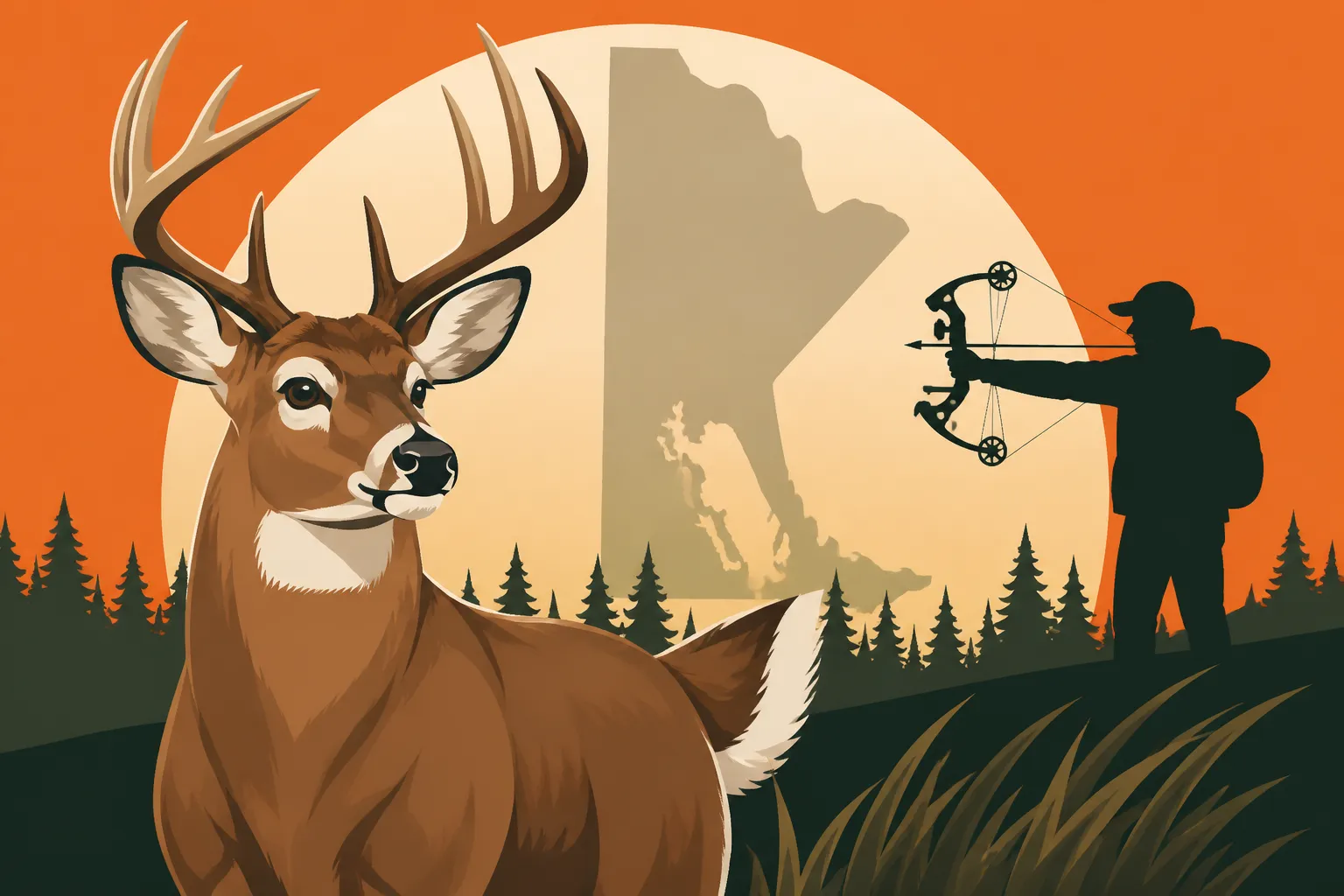
White-Tailed Deer, Manitoba’s Most Hunted Animal
For many hunters in Manitoba, the pursuit of white-tailed deer is more than just a season; it's a passion filled with both exhilarating highs and frustrating lows. From trying to understand baffling population shifts to deciphering elusive big buck movements, there’s always a new challenge. This comprehensive guide will take a deep dive into everything you need to know about white-tailed deer in Manitoba, helping you unlock their secrets, understand their world, and ultimately, improve your hunting success across our diverse landscapes.
Understanding Manitoba's Whitetail Population Dynamics
It feels like one year you're seeing deer everywhere, and the next, they've vanished into thin air, right? This isn't just your imagination; Manitoba's whitetail population does fluctuate, sometimes dramatically. These swings are a constant topic of conversation among hunters, and understanding the factors at play is crucial for anyone hoping to consistently find deer. It’s a complex dance between nature and the environment, and as hunters, we're keenly aware of every step.
The Current State of Deer Numbers
Across Manitoba, the density of white-tailed deer can vary significantly from one Game Hunting Area (GHA) to another, and even within different parts of the same GHA. You might find pockets of high numbers in the Parkland region, where agricultural lands provide abundant food, while deep boreal forests might hold fewer but often larger-bodied deer. Recent years have seen some areas experience robust populations, while others, particularly those hit hard by successive severe winters or disease outbreaks, have struggled. The province actively monitors these populations through aerial surveys and hunter harvest data, but the local observations of experienced hunters are just as valuable in painting a true picture. It’s not uncommon to talk to folks who’ve hunted the same quarter section for decades and they’ll tell you exactly how the numbers have trended over time – often with a shrug and a wistful mention of “the good old days.”
One of the ongoing challenges we face as hunters is trying to gauge these numbers from year to year. It can be incredibly frustrating to scout hard all summer, see plenty of deer, only for them to seem to disappear once opening day arrives. However, this is often more about deer shifting their patterns due to hunting pressure or changes in food availability rather than a sudden drop in the population. Still, there are genuine fluctuations. For example, some areas that were once whitetail strongholds have seen a decline, sometimes necessitating changes in Manitoba Big Game Season Dates or tag allocations to help the herd recover. Keeping an eye on provincial wildlife reports and talking to local conservation officers can give you a better overall perspective, but nothing beats firsthand knowledge of your hunting grounds.
Factors Influencing Population Swings
Several key factors conspire to cause these noticeable swings in Manitoba's white-tailed deer populations. Perhaps the most impactful is winter severity. A long, cold winter with deep, persistent snow cover can dramatically increase deer mortality, especially among fawns and older, weaker deer. When the snow piles up, deer expend more energy to move and find food, making them vulnerable to predators and starvation. You've seen it; after a brutal winter, we often hear reports of deer struggling, and the following fall’s fawn recruitment can be noticeably lower, which significantly impacts overall numbers.
Disease also plays a role. Chronic Wasting Disease (CWD) has been a growing concern, first detected in Manitoba in 2021. While proactive measures like mandatory sampling in specific GHAs are in place, CWD has the potential to cause significant long-term population declines if it becomes widespread. This isn't just a distant threat; it's something every hunter needs to be aware of, not just for the health of the herd but for their own peace of mind when harvesting an animal. Beyond CWD, other factors like predation from wolves and coyotes, particularly in areas where deer numbers are already stressed, can impact fawn survival. Habitat loss or alteration, too, plays a subtle but continuous role. While Manitoba has vast areas of suitable habitat, changes in agricultural practices, logging, or even major weather events like floods or fires can temporarily or permanently alter prime deer country. It's a delicate balance, and when one factor pushes too hard, the entire system feels the ripple effect.
Where the Big Bucks Roam: Manitoba's Prime Whitetail Habitat
If you've spent any time Whitetail Hunting in Manitoba, you know that not all deer country is created equal. While whitetails are incredibly adaptable and can be found nearly everywhere, certain habitats consistently produce not just more deer, but more trophy-class deer. It’s all about food, cover, and genetics working together, and Manitoba offers a fantastic mix that creates some truly exceptional hunting opportunities. Understanding these prime areas is key to focusing your scouting efforts and maximizing your chances of tagging a mature buck.
Parkland Fringe and Agricultural Edges
The Parkland region and its interface with agricultural lands are arguably Manitoba's most famous whitetail hotspots. This mosaic of aspen bluffs, oak ridges, willow draws, and vast grain fields provides an ideal environment. Deer here have access to an almost unlimited buffet of high-quality agricultural crops – corn, soybeans, wheat, canola, and alfalfa. This rich diet, combined with ample protein, helps bucks grow impressive antlers and carry substantial body mass. When you see a big-bodied buck here, it's often the result of years of consistent, nutrient-dense food.
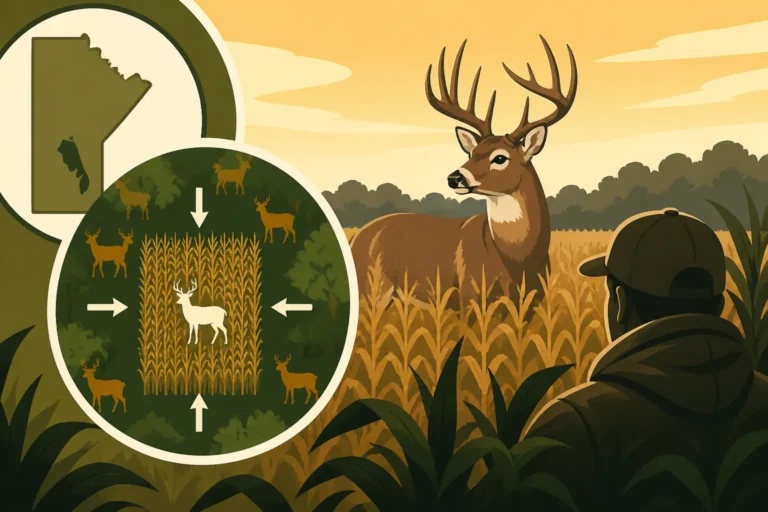
The "edges" are where the magic truly happens. These transition zones between dense cover and open fields are natural travel corridors and feeding areas. Bucks will often bed down in the security of a bluffy woodlot during the day, only to emerge at dusk to feed in the adjacent fields. Hunting a Bluff Between Two Fields or working the fringes of a standing corn field can be incredibly productive. These areas also tend to concentrate deer as the season progresses, especially during the rut when bucks are cruising for does. It’s a dynamic environment, always changing with the crops, but consistently holding the potential for a mature deer. When you’re looking at a map, consider areas like the Riding Mountain fringe, the Interlake, or sections of the Pembina Valley for this type of habitat. Using satellite imagery, perhaps on a platform like GoHunt, can help you pinpoint these critical edges and potential travel routes before you even step foot in the woods.
Dense Boreal and Bush Country
While the agricultural belt boasts impressive numbers, the deeper bush and boreal forest regions of Manitoba hold their own allure, especially for hunters seeking those true wilderness giants. These areas, particularly in the northern reaches of the Parkland and into the southern boreal, might not have the sheer density of deer, but the deer that do thrive here are often exceptionally hardy and large-bodied. They've grown up in a tougher environment, relying on natural browse, and the older bucks that survive tend to be true behemoths. We often hear anecdotal evidence that Why Northern Bucks Carry More Body Mass and there’s truth to it – surviving harsh winters and covering vast territories builds strong animals.
Hunting in these dense bush areas, such as those covered in Hunting Whitetails in Manitoba's Bush Country, is a completely different game than hunting field edges. It's often about still hunting quietly, deciphering subtle sign, and understanding how deer use the cover to their advantage. Look for areas with a mix of regenerating clearcuts, mature timber, and wetlands. These areas offer both abundant browse and crucial thermal cover during cold snaps. Old logging roads, beaver pond edges, and dense spruce thickets are all prime locations where a mature buck might spend its life largely unpressured. While you might not see dozens of deer, the one you do encounter could be a once-in-a-lifetime animal.
River Valleys and Shelterbelts
Don't overlook the incredible potential found within Manitoba's river valleys and network of shelterbelts, particularly in the more open agricultural zones. River corridors like the Assiniboine, Souris, and Pembina provide ribbons of prime deer habitat, even in areas that are otherwise intensely farmed. These valleys offer a unique combination of dense, mature timber for bedding and security, diverse browse, and access to water, all while often being buffered from the heaviest human disturbance. Deer will travel significant distances along these natural highways, especially during the rut.
Similarly, even small shelterbelts planted around farmsteads or along field edges can act as vital arteries for deer movement. These linear strips of trees, often dismissed by casual observers, provide essential cover for deer to travel undetected between larger woodlots or to access different feeding areas. A lone buck might use a series of these shelterbelts to move miles across open country. Learning to hunt a Hunting a Shelterbelt Between Two Fields requires patience and a good understanding of deer movement, but the payoff can be huge. They act as funnels, concentrating deer movement into predictable pathways. Pay close attention to pinch points where these travel corridors narrow, or where deer might cross open ground to get from one section of cover to another; these are prime ambush spots.
The Whitetail Rut in Manitoba: Timing and Tactics
Ah, the rut. It's the time of year that gets every whitetail hunter's blood pumping, promising increased deer activity and the chance to catch a big buck letting his guard down. But anyone who's hunted it knows the "rut" isn't a single event; it's a dynamic, multi-stage period with specific behaviors and challenges. Understanding the nuances of Hunting the Rut in Early to Mid November and the periods surrounding it is critical for success in Manitoba.
Peak Rut Periods Across Zones
Manitoba's whitetail rut generally kicks into high gear in early to mid-November, but the exact timing can vary slightly depending on geographical location within the province and even from year to year based on various environmental cues. In the southern agricultural and Parkland regions, we typically see the most intense breeding activity occurring in the second and third weeks of November. This is when bucks are actively seeking does, often abandoning their nocturnal habits and cruising during daylight hours. This is the period when you're most likely to see those mature bucks, the ones that have been ghosts for weeks, suddenly appear seemingly out of nowhere, sometimes even chasing does right past your stand.
Further north, or in the denser bush country, the peak rut can sometimes feel a touch later, or perhaps just less obvious due to the vastness of the terrain and lower deer densities. However, the biological trigger for breeding remains relatively consistent. It’s important to remember that the "peak" is just that – a peak. There's a build-up phase (pre-rut) and a winding down phase (post-rut) that are also excellent times to be in the woods, each requiring slightly different tactics. Consult your GHA's specific historical data and be aware that the actual "hot" days can be influenced by weather – a sudden cold snap can often kick deer activity into overdrive. Staying flexible and being ready for a shift in behavior is key.
Understanding Rut Behavior
The whitetail rut is a fascinating, frenetic period of deer behavior. It starts with the pre-rut, usually late October into early November, where bucks are feeling the urge. They're making rubs and scrapes, establishing dominance, and testing out does. You'll see increased cruising behavior, but they're not yet in full chase mode. This is often a great time to be aggressive with calling and rattling. Then comes the chase phase, where bucks are actively pursuing does that are nearing estrus. This is when you'll see a lot of running and seemingly chaotic movement.
The peak breeding phase, often referred to as the "lockdown," is when does are in full estrus, and bucks will literally "lock down" with a receptive doe for 24-48 hours, isolating her to breed. During this period, daytime buck activity can sometimes appear to slow down because the bucks are paired up and not actively searching. This can be frustrating for hunters who expect non-stop action, but patience is vital. Once a buck breeds a doe, he'll eventually move on to find another. The post-rut, following the main breeding, sees bucks exhausted and focusing heavily on feeding to recover lost body mass, though some younger bucks may still be searching for unbred does. Knowing these phases, and what deer are actually doing during them, will help you avoid common pitfalls and adjust your Rifle Hunting Manitoba's Whitetail Rut strategy accordingly.
Effective Rut Hunting Strategies
Success during the Manitoba rut hinges on a few core strategies. First, and perhaps most important, is time in the stand. The rut is often a marathon, not a sprint. Bucks can move at any time of day, so sitting all day, especially in known travel corridors or near bedding areas, significantly increases your odds. Don't be afraid to pull an all-day sit if conditions are right, as midday cruising is common for rutting bucks. Secondly, focus on pinch points and funnels. These are natural constrictions in the landscape that force deer movement into predictable pathways – think narrow strips of timber between fields, saddlebacks, or creek crossings. These are high-percentage spots where a cruising buck is likely to pass.
Calling and rattling can also be incredibly effective during the pre-rut and early chase phases. A realistic rattling sequence simulating a buck fight can bring curious or aggressive bucks right into your lap. Grunt calls, especially social grunts and doe bleats, can draw in cruising bucks. However, be mindful of over-calling, especially during the lockdown phase when bucks might be less responsive. Lastly, scent control remains paramount, but wisely deployed attractant scents, especially doe estrus during the peak, can sometimes tip the odds in your favor. Remember, the rut is about intercepting a buck on the move, so positioning yourself in a high-traffic area is far more critical than trying to guess where he'll be feeding.
| Rut Phase | Typical Timing (Manitoba) | Buck Behavior | Hunter Strategy |
|---|---|---|---|
| Pre-Rut | Late October – Early November | Increased rubbing/scraping, sparring, seeking does | Aggressive calling/rattling, hunt travel corridors, focus on fresh sign. |
| Chase Phase | Early – Mid November | Actively pursuing does, less cautious, moving openly | Sit all day in pinch points/funnels, light grunting, observe doe behavior. |
| Lockdown | Mid – Late November | Paired with receptive does, may appear to slow down | Patience is key, hunt doe bedding/feeding, subtle calling, bucks will eventually move on. |
| Post-Rut | Late November – Early December | Exhausted, recovering, focusing on feeding, some seeking | Focus on primary food sources, hunt later in the day, consider colder weather strategies. |
Reading the Signs: Tracking and Interpreting Whitetail Activity
There's a language in the woods, a silent conversation left by white-tailed deer, and learning to understand it is one of the most rewarding aspects of hunting. It's not just about spotting deer; it's about seeing the story they leave behind. Reading Whitetail Sign in Manitoba Aspen or any other habitat can tell you where they're going, what they're eating, and even how big they might be. It’s like being a detective, piecing together clues to form a clear picture of deer movement and habits.
Decoding Tracks and Trails
Deer tracks are one of the most fundamental signs to learn. Fresh tracks, especially those with sharp edges and visible dewclaw impressions, tell you deer have been there recently. The size of the track can give you a clue about the animal; larger, blunt-toed tracks often indicate a mature buck, while smaller, more pointed tracks usually belong to does or younger deer. Don't just look at individual tracks, though; pay attention to the stride length. A longer, more purposeful stride with wider placement between left and right hooves often indicates a buck walking with intent, while does tend to have a shorter, daintier gait.
Following a well-worn deer trail can reveal a lot. These are essentially deer highways, connecting bedding areas to feeding grounds, water sources, and other vital habitat features. Look for trails that are heavily used, especially those with fresh tracks. Notice where smaller trails break off; these might lead to secluded bedding thickets or specific food sources. A good trail will often have droppings and rubs along its length, further confirming active use. In softer ground or after a fresh snow, tracks become even more valuable, allowing you to follow a particular animal for insight into its preferred travel routes. This is where a good scouting app can come in handy, allowing you to mark these trails, and over time, you can start to see patterns on how deer are using the landscape.
Interpreting Rubs and Scrapes
Rubs and scrapes are the calling cards of bucks, particularly during the pre-rut and rut. A rub is a tree or sapling that a buck has polished with his antlers, usually to remove velvet or to mark his territory. Fresh rubs, indicated by bright wood shavings and often sap, are gold. The size of the rub, particularly the height and diameter of the tree, can give you a rough idea of the buck's antler size and body. Large, scarred trees with multiple rub lines over years are indicators of a dominant, mature buck's core area. Look for rub lines leading into or out of bedding cover, or paralleling field edges – these are often travel routes used by bucks as they cruise.
Scrapes, on the other hand, are bare patches of ground where a buck has pawed away leaves, often urinated in the center, and usually have an overhanging branch (the "licking branch") above them that the buck has chewed on. These are communication hubs, telling other deer in the area that a buck is active and checking for receptive does. Active scrapes will be fresh, moist, and have a strong scent. A single, large "primary" scrape is often found in an open, visible area and is repeatedly visited. Smaller "secondary" scrapes might be found along rub lines or travel corridors. During the rut, an active scrape is a powerful draw, signalling a buck's presence and intentions. Observing these signs helps you understand how bucks are using their environment and where to focus your hunting efforts.
Using Trail Cameras Effectively
Trail cameras have revolutionized scouting, giving hunters eyes in the woods 24/7 without disturbing the animals. The key to using them effectively in Manitoba is strategic placement and consistent monitoring. Don't just hang a camera randomly; place it where you expect deer activity: along a well-used trail, overlooking a fresh rub line, on an active scrape, or monitoring a preferred food source. Consider the angle and height to avoid "ghost" pictures or photos of only parts of deer. If you're using a cellular camera, you can get real-time updates, which is fantastic for knowing exactly when and where a buck is moving, allowing you to adjust your hunt plan on the fly.
Beyond just getting pictures, analyze the data. Note the time of day deer are most active, which direction they're coming from and going to, and especially look for patterns of specific bucks. Are they primarily nocturnal, or are they moving in daylight during certain phases of the moon or specific weather conditions? Are they hitting a particular food source, or simply cruising through? Platforms like GoHunt often have features to help you track this data and integrate it with mapping, making it easier to build a comprehensive picture of deer behavior. This long-term intelligence is invaluable for predicting future movements and understanding how deer utilize their home range. Remember, trail cameras are a tool for gathering information, and the real skill lies in interpreting that information to make smart hunting decisions.
Seasonal Movements and Feeding Habits
Manitoba's seasons dictate the life cycle of the white-tailed deer, influencing everything from their diet and social structure to their daily movements. A deer’s behavior in spring is dramatically different from its behavior in deep winter, and understanding these shifts is key to successful hunting throughout the various Manitoba Big Game Season Dates. It's not just about what they eat, but how they adapt to ensure survival and thrive through the year.
Spring and Summer Patterns
As the snow melts and the lush green of spring returns to Manitoba, deer begin to shift their focus towards recovery and growth. Does are typically pregnant and will soon be fawning, while bucks are busy growing a new set of antlers. During this time, deer disperse from their winter yards, seeking out nutritious new growth. Early spring browse, like willow buds, aspen shoots, and various forbs, becomes crucial. Alfalfa fields and young agricultural crops are magnets for deer, providing easily digestible protein and carbohydrates needed for lactation and antler development. You’ll often see deer grazing openly in fields, as the security cover isn't as critical when they're focused on feeding.
Summer sees deer in their peak physical condition. Does are raising fawns, and bucks' antlers are rapidly growing under velvet. Their diet expands to include a wider variety of forbs, grasses, and agricultural crops. They'll spend their days in dense cover, often near water sources, to escape the heat and flies, venturing out to feed primarily during the cooler hours of dawn and dusk. This is when you'll see a lot of smaller bachelor groups of bucks forming, sometimes even with larger bucks, feeding together in fields. These summer patterns are excellent for early season scouting, helping you identify potential target bucks and their preferred summering areas before they shift their habits for the fall.
Fall Food Sources and Staging Areas
As autumn colours sweep across Manitoba, a profound shift occurs in deer behavior. Their primary focus turns to packing on fat reserves for the coming winter and, for bucks, preparing for the rut. This is a crucial time for hunters to understand, as deer movements become highly predictable around food sources. Agricultural fields, particularly standing or recently harvested corn and soybean fields, become absolute magnets. Deer will stage in nearby cover, waiting for dusk to descend into the fields to gorge themselves. These areas offer both calorie-rich sustenance and often excellent cover.
Beyond agriculture, natural food sources like acorns, wild berries, and various browse species also become important. In the bush country, deer will spend significant time foraging on these natural offerings. Deer tend to concentrate more heavily in specific areas during the fall, forming larger groups, especially around prime food sources. Identifying these key feeding areas and the travel corridors leading to them is paramount. This pre-rut staging phase is when many hunters find success by setting up stands or blinds overlooking these consistent food-to-cover pathways.
Winter Survival Strategies
When Manitoba’s infamous cold and deep snow arrive, whitetails enter survival mode. Their metabolism slows, and their movements become restricted. They seek out "deer yards" – areas of dense, usually coniferous cover that offer thermal protection from the brutal winds and deep snow. These yards, often in spruce or cedar thickets, allow them to conserve energy and provide a microclimate that can be several degrees warmer than the open forest. Food sources shift dramatically; deer become browsers, relying on woody stems, evergreen foliage, and whatever remaining natural browse they can find.
The challenge for deer in winter is not just finding food, but accessing it through deep snow. They will often create intricate networks of trails within their yards, making it easier to move. During milder winters, deer might disperse more widely, but severe conditions force them to concentrate, sometimes in very high densities. This concentration can lead to over-browsing in specific areas, making future winters even tougher. Understanding these critical winter survival strategies is not just about hunting; it's about appreciating the incredible resilience of these animals and the challenges they face in Manitoba’s harsh environment. Their ability to adapt to Hunting Safely in Deep Winter Cold is truly remarkable.
Trophy Whitetails: What Makes Manitoba Special
Manitoba has earned a well-deserved reputation as a destination for monster white-tailed deer, drawing hunters from across North America. When you look at the Manitoba's Trophy Record Book entries, it’s clear we consistently produce world-class bucks. But what exactly contributes to these incredible animals? It's a combination of factors that create the perfect storm for growing massive racks and heavy-bodied deer.
Genetics, Nutrition, and Age
The trifecta for growing a trophy whitetail is undeniably genetics, nutrition, and age. Manitoba's whitetail herd possesses excellent genetic potential, particularly in the Parkland and agricultural fringe zones. We have a robust population that has thrived for generations, and the genetic blueprint for large antlers is clearly present. However, genetics alone aren't enough; they need fuel. This is where Manitoba's rich agricultural landscape plays a starring role. Fields of corn, soybeans, alfalfa, and canola provide a high-protein, energy-rich diet that allows bucks to express their full genetic potential. This abundant, readily available food source is unparalleled in many other hunting regions, directly contributing to impressive body size and rapid antler growth.
Crucially, bucks also need time to grow those massive antlers. A 1.5-year-old buck, no matter how good his genes or diet, simply hasn't had enough seasons to reach his full potential. In Manitoba, we have areas with enough habitat and, in some cases, lower hunting pressure on younger bucks, that allows a significant number of deer to reach maturity – 4.5, 5.5, or even 6.5+ years of age. It's these older, wiser bucks that truly put on the bone. The combination of superior genetics, incredible nutrition, and the chance to reach peak maturity is what really sets Manitoba apart for trophy potential.
Manitoba's Record Book History
Manitoba has a proud history of producing record-book white-tailed deer, regularly placing high in North American rankings for both typical and non-typical categories. When you delve into the Manitoba's Top Typical Whitetails or Manitoba's Top Nontypical Whitetails, you'll find entries that rival some of the best ever taken on the continent. Many of these legendary bucks have come from the central and southwestern portions of the province, areas rich in agriculture and diverse habitat. Hunters like Milo Hanson, whose 1993 world-record non-typical buck was taken just across the Saskatchewan border in the same ecoregion, highlight the potential that exists here.
These impressive scores aren't flukes; they reflect a consistent ability of the land to grow big deer. It’s a testament to the healthy herd, the abundant food sources, and the challenging but rewarding hunting opportunities. Every year, new giants are added to the provincial records, further solidifying Manitoba's reputation. This rich history fuels the dreams of local and visiting hunters alike, knowing that every time they step into a Manitoba whitetail woods, there's a real possibility of encountering a buck that could make history.
Identifying Trophy Potential
For many, a "trophy" isn't just about Boone & Crockett scores; it's about the culmination of a dedicated hunt for a mature animal. However, understanding what contributes to a big rack can help you identify older, quality bucks. Beyond the obvious mass and tine length, look for specific characteristics. Width is a big factor; wide-racked bucks immediately catch the eye. Tine length, especially the G2 and G3 points, adds significant score. Mass measurements, taken at various points along the main beam, also contribute.
It's not just about antler size, though. A mature buck will also have a heavy body, often with a sagging belly, thick neck, and muscular shoulders – a stark contrast to the leaner appearance of a younger deer. Observing these body characteristics can help you age a deer on the hoof, which is often more reliable than just looking at the antlers, especially on younger animals. Learning to field judge takes practice and patience, but it’s an invaluable skill for any serious whitetail hunter aiming for a truly mature animal. Take advantage of scouting opportunities, use your trail cameras, and study other hunters' photos to sharpen your eye. This understanding is crucial for determining What a Big Manitoba Whitetail Weighs and assessing its overall trophy quality.
Hunting Strategies for Manitoba Whitetails
Hunting white-tailed deer in Manitoba requires a blend of patience, skill, and adaptability. The diverse landscapes, from dense bush to open farmland, demand different approaches. There's no one-size-fits-all solution, and successful hunters are often those who can read the land, understand deer behavior, and adjust their tactics accordingly. Whether you're a seasoned veteran or planning your first Bowhunting Manitoba's Early Season, having a solid strategy is paramount.
Stand and Blind Hunting Approaches
Stand hunting is arguably the most popular and effective method for harvesting whitetails in Manitoba, particularly during the rut and in areas with consistent deer movement. The goal is simple: get above or conceal yourself within the deer's natural line of sight, allowing you to intercept them undetected. For treestands, placement is everything. Look for natural funnels, pinch points, intersections of trails, or locations overlooking prime food sources or bedding areas. Consider prevailing wind direction and sun position – you want the wind in your favor and the sun at your back during prime hunting hours. Access and egress routes should be planned to minimize disturbance.
Ground blinds offer an excellent alternative, especially in open country, for hunters with limited mobility, or for those who prefer to hunt with a heater in colder weather. They provide excellent concealment and scent containment. When setting up a ground blind, ensure it blends naturally with its surroundings. Brush it in thoroughly with local vegetation, and set it up well in advance of the hunt to allow deer to get accustomed to its presence. Whether in a stand or a blind, staying motionless, being scent conscious, and being prepared for long hours of quiet observation are key to success. Remember, deer are creatures of habit, but they are also incredibly wary, so minimizing your footprint is crucial.
Still Hunting and Spot-and-Stalk in Open Country
While stand hunting is effective, there are times and places in Manitoba where still hunting or spot-and-stalk tactics shine. Still hunting involves moving very slowly and deliberately through cover, pausing frequently to observe, listen, and glass ahead. It's a method that works particularly well in the denser bush country or along river bottoms where deer might be bedded in unexpected places. The key is to cover ground quietly, using the wind to your advantage, and to constantly scan for parts of a deer – an ear flick, a horizontal backline, or a patch of hide. This is an active form of hunting that demands immense patience and keen observation skills.
Spot-and-stalk is more common in the open Parkland or agricultural fringe, especially during the early season or post-rut when deer are focused on feeding in fields. This involves locating deer from a distance (often with binoculars or a spotting scope), then planning a careful approach using terrain, vegetation, and wind to remain undetected. This is a thrilling but challenging method, as deer in open country are incredibly alert. It requires a deep understanding of the wind, terrain features, and deer escape routes. Sometimes, you’ll spend hours on a single stalk, only for the deer to simply vanish, which can be frustrating, but the rewards of a successful stalk are immense. Platforms like GoHunt, with their detailed topographical and land ownership maps, can be invaluable for planning these complex stalks, especially when you're navigating Manitoba's Game Hunting Areas.
Understanding Hunter Pressure and Deer Behavior
One of the biggest factors influencing whitetail behavior, especially in more accessible GHAs, is hunter pressure. Deer quickly learn to associate human activity with danger, and this can dramatically alter their movements and make them more nocturnal. During opening weekend, especially in heavily hunted public land areas, deer might immediately retreat to the thickest, nastiest cover available, often only moving under the cover of darkness. This can be a major source of frustration for hunters who expect the deer to behave as they did during summer scouting.
To counter this, you need to think like a pressured deer. Hunt areas that other hunters avoid: walk further, penetrate deeper into thick cover, or hunt areas with challenging access. Consider hunting during weekdays when pressure is lower, or during later seasons when many hunters have packed it in. Understanding that deer will adapt means you have to adapt too. Sometimes, a successful strategy might involve targeting those "safe" pockets of cover that deer retreat to, or focusing on brief windows of daylight activity when deer feel secure enough to move. Being adaptable and willing to put in the extra effort is what separates successful hunters in pressured environments.
Conservation Challenges and Management Efforts
While Manitoba is home to a thriving white-tailed deer population, it's not without its challenges. Hunters are often the first to notice changes in the herd, and understanding the ongoing conservation efforts and threats is crucial for everyone who cares about the future of this iconic species. From disease to harsh weather, these factors directly impact our hunting experiences and the long-term health of the deer.
Chronic Wasting Disease in Manitoba
Chronic Wasting Disease (CWD) is an ever-present concern for whitetail hunters across North America, and Manitoba is no exception. CWD is a fatal neurological disease that affects cervids (deer, elk, moose, caribou), causing progressive degeneration of the brain. It's caused by an abnormal protein called a prion, and once established in an area, it can be incredibly difficult to eradicate. Manitoba detected its first CWD cases in 2021, and the province has since implemented mandatory Chronic Wasting Disease in Manitoba Wildlife sampling in specific high-risk GHAs.
As hunters, our role in monitoring and managing CWD is critical. Submitting samples from harvested deer, especially in designated areas, provides invaluable data to wildlife managers. This helps track the spread of the disease and informs management strategies. It's a small inconvenience that contributes to a much larger conservation effort. Beyond sampling, understanding proper carcass handling and disposal is important to minimize potential spread. While the presence of CWD is certainly a worry, the proactive steps being taken aim to contain it and protect Manitoba’s healthy deer herd for future generations.
Impact of Harsh Winters
Manitoba is known for its formidable winters, and while deer are incredibly resilient, successive harsh winters with deep snow and prolonged cold can take a heavy toll on the population. As discussed earlier, deep snow makes it harder for deer to move and access food, leading to increased energy expenditure and higher mortality rates, particularly among fawns and older animals. It's a natural population control, but when conditions are exceptionally severe, the impact can be felt for several years, leading to noticeable dips in deer numbers.
Wildlife managers closely monitor winter severity and its effects on deer. In some cases, prolonged severe winters have even led to reduced tag allocations or shorter seasons in certain GHAs to give the herd a chance to recover. As hunters, we often feel these impacts directly, noting fewer deer tracks or smaller groups of animals after a particularly brutal winter. While we can't control the weather, our collective efforts to ensure sustainable harvest and respect wildlife management decisions contribute to the herd's ability to bounce back from these natural challenges.
Management Practices and Hunter's Role
Manitoba's wildlife management practices are designed to ensure sustainable whitetail populations, balancing ecological health with hunting opportunities. This includes setting appropriate season dates, bag limits, and specific regulations for each GHA, based on population data, habitat conditions, and social factors. For example, some GHAs may have antlerless tags available to manage herd numbers, while others may restrict harvest to antlered bucks only. The province also collaborates with various stakeholders, including Indigenous communities and landowners, to develop comprehensive management plans.
Hunters play an absolutely vital role in this management framework. By adhering to regulations, accurately reporting harvests, participating in initiatives like CWD sampling, and practicing ethical hunting, we contribute directly to the health and sustainability of the deer herd. Beyond the act of hunting, many hunters are passionate conservationists who actively support habitat improvement projects, advocate for wildlife-friendly policies, and educate others about responsible hunting practices. Being a responsible hunter in Manitoba means being an active participant in the ongoing conservation efforts for our beloved white-tailed deer. When you are scouting, make sure to consider Asking a Manitoba Landowner for Permission before setting foot on their property, which is another crucial aspect of ethical hunting and landowner relations.
Disclaimer
The information provided in this guide is for general informational purposes only and is not intended as legal advice or a substitute for official hunting regulations. Hunters are responsible for consulting and adhering to all current Manitoba hunting regulations, laws, and licensing requirements as set forth by Manitoba Environment, Climate and Parks. Always prioritize safety, ethical hunting practices, and respect for wildlife and private property.