Where Moose Hunting Is Closed Entirely
It’s a truly frustrating experience when you've got your heart set on a moose hunt, perhaps you've been scouting or dreaming about a specific area, only to discover that the season is completely closed. This can throw a wrench into months, even years, of planning. Moose hunting in Manitoba is certainly a privilege, but it comes with a responsibility to the herd, and sometimes that means outright closures to help populations recover. This guide will help you understand where these closures are, why they happen, and how you can stay informed to avoid disappointment.
Understanding Moose Hunting Closures in Manitoba
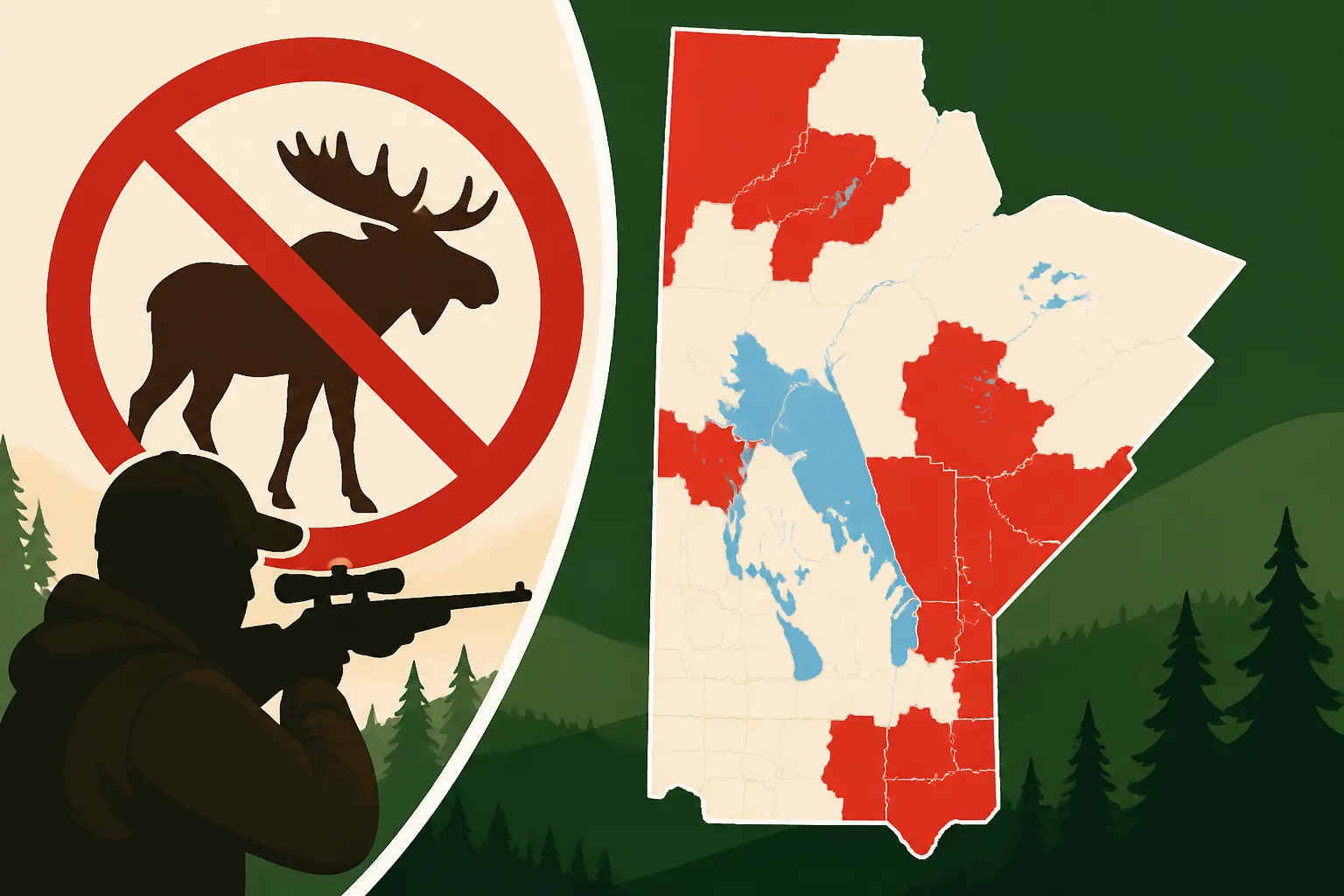
Moose hunting in Manitoba isn't a "one-size-fits-all" situation across the entire province. Different Game Hunting Areas (GHAs) have distinct regulations, and unfortunately, some of them have seen complete closures to moose hunting. These aren't arbitrary decisions; they stem from serious conservation concerns. It’s vital for any hunter to be acutely aware of these restrictions before even thinking about packing their gear.
Identifying Specific Game Hunting Area Closures
The most definitive place to find out where moose hunting is entirely closed is the annual Manitoba Hunting Guide, often referred to as the "Big Game and Fur Seasons" guide. This document is your bible when it comes to regulations. Within it, there are specific sections detailing "Moose Conservation Closures." These sections will explicitly list which GHAs are completely off-limits for moose hunting for the current season. You might also find this information clearly laid out on the official Manitoba government hunting website.
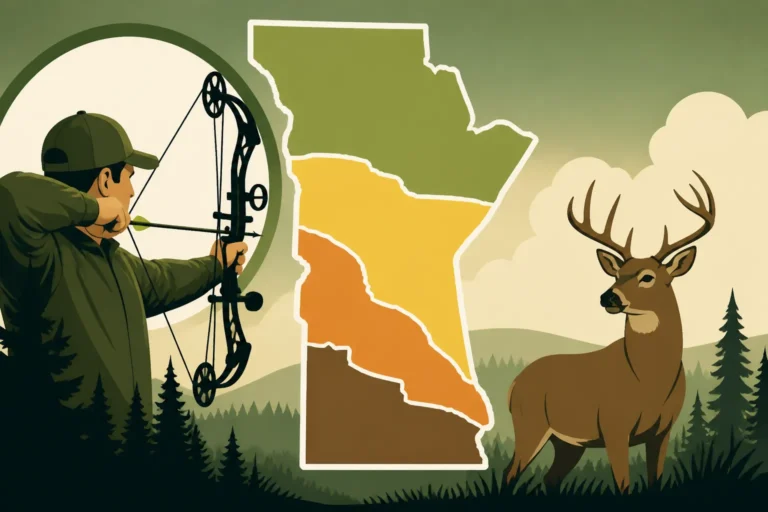
For example, areas that have historically faced significant challenges, such as large portions of the Duck Mountain and Porcupine Hills regions, have seen extended closures or severe restrictions. These aren't just for residents; these closures apply to all hunters, including non-residents. Sometimes, a GHA might be closed to one type of hunting (e.g., rifle) but open to another (e.g., archery in a limited draw), but a full conservation closure means no moose hunting whatsoever. It's crucial to check the GHA number you plan to hunt very carefully, as adjacent GHAs can have wildly different rules. Many hunters find using tools like those found on Scouting a Manitoba Game Hunting Area helpful for reviewing GHA boundaries and regulations.
Interpreting Regulations for Open vs. Closed Areas
It's not always as simple as a clear "open" or "closed" sign. Sometimes, a GHA might be mostly closed, with very limited opportunities through a special draw for a specific season or weapon type, such as an antlerless moose draw. However, when we talk about "entirely closed," it means no moose hunting is permitted under any circumstance in that GHA for that season. This often includes archery, muzzleloader, and rifle seasons.
The wording in the hunting guide is paramount. Look for phrases like "Moose season closed," "No open season for moose," or similar language pertaining to a specific GHA. Don’t assume that because a GHA allows other big game species like deer or bear, moose hunting is also allowed. Each species is managed independently. You need to verify the regulations for moose specifically within your desired GHA. A good practice is to cross-reference the official guide with online resources. Websites that offer digital mapping services, like those that integrate with GoHunt technology, can often layer GHA boundaries and provide regulation summaries, but the official government guide should always be your final authority.
The Reasons Behind Moose Hunting Closures
These blanket closures are never made lightly. They are the result of extensive biological surveys, population assessments, and often, input from various stakeholders, including Indigenous communities, local residents, and conservation groups. The primary goal is always to protect and allow moose populations to rebound when they are in peril.
Addressing Declining Moose Populations
The most significant factor leading to closures is a sustained decline in moose populations. Over the past couple of decades, moose numbers in certain parts of Manitoba have experienced concerning drops. This isn't unique to Manitoba; many jurisdictions across North America have seen similar trends. The reasons are complex and often multifaceted, including habitat loss, disease, predation pressure, and changes in climate.
For instance, the Duck Mountain region, once a moose stronghold, saw its population plummet, which led to a complete and prolonged closure. Scientists believe that a combination of factors, including winter ticks and a changing forest landscape, contributed to this decline. When populations reach a critically low level, the only responsible action is to remove hunting pressure entirely to give the herd a chance to recover. This is a hard pill to swallow for hunters, but it’s a necessary step for long-term sustainability. Understanding What Caused the Duck Mountain Moose Decline provides valuable context.
Conservation and Management Initiatives
Closures are a critical tool in Manitoba's overall moose conservation and management strategy. They are part of a broader effort that might also include habitat improvement projects, intensified monitoring, and research into moose health and disease. The provincial government works with wildlife biologists and local communities to develop these strategies, often through initiatives like the Shared Management Act.
These conservation efforts are often long-term. A GHA that is closed one year might not necessarily reopen the next. It takes years of consistent population growth and favorable conditions for wildlife managers to even consider reintroducing limited hunting opportunities. These decisions are data-driven, relying on aerial surveys, carcass submissions, and public reports. The aim is to achieve a healthy, sustainable moose population that can withstand regulated hunting in the future. Learning about Manitoba's Moose Conservation Closures offers further insight into the provincial approach.
Indigenous Rights and Co-Management
Another crucial aspect of moose management in Manitoba involves respecting and integrating Indigenous treaty rights and traditional knowledge. The provincial government has increasingly moved towards co-management models, especially for species like moose, which hold significant cultural and subsistence value for First Nations communities.
In some cases, closures or specific hunting regulations are enacted in partnership with Indigenous communities to ensure the long-term health of the moose population for all users, including Indigenous harvesters. This collaborative approach acknowledges the deep connection Indigenous peoples have to the land and its resources. It's a testament to the principle of shared stewardship, aiming for sustainable hunting opportunities while honouring treaty obligations. Hunters should be aware that these partnerships can influence season dates, limits, and closures, and these decisions are often communicated through the official hunting guide.
Impact on Hunters and Planning Your Season
Discovering a GHA you wanted to hunt for moose is closed can be a real blow. It forces a significant re-evaluation of your hunting plans and can lead to frustration. However, understanding the situation and adapting is part of being a responsible and resilient hunter.
Challenges for Moose Hunters
The most immediate challenge is simply finding an alternative area. If you’ve spent months scouting a specific GHA, learning the terrain, and identifying moose sign, that effort can feel wasted. For many, moose hunting is a deep passion, and a closure means delaying a cherished tradition or lifetime goal. This can be particularly tough for non-resident hunters who might have limited windows to travel and hunt, or for those who have put in years in the Manitoba big game draw.
Furthermore, closures can sometimes shift hunting pressure to other, open GHAs, potentially leading to more crowded conditions in those areas. This can impact the quality of the hunting experience and even put additional pressure on those open populations. Hunters need to be prepared to pivot their plans, possibly exploring new GHAs or even considering different species. When planning out your hunt and scouting new areas, familiarizing yourself with Manitoba's Game Hunting Areas can make the process smoother.
Exploring Alternative Big Game Species
While moose closures are disappointing, Manitoba still offers fantastic hunting opportunities for other big game species. Many hunters who find their moose plans thwarted decide to shift their focus to whitetail deer or black bear. Manitoba is renowned for its trophy whitetails, especially in the Parkland and Interlake regions, and black bear populations are robust across much of the bush country.
For instance, if you were planning a moose hunt in the Boreal Forest, you might find excellent black bear hunting in the same general vicinity. A dedicated black bear hunt can be incredibly rewarding, whether you're baiting in the spring or hunting during the fall season. Similarly, the province offers incredible Whitetail Hunting in Manitoba with various seasons and methods. Exploring these alternatives can keep your hunting season alive and introduce you to new challenges and experiences. Always check the specific regulations for these alternative species, as their seasons and bag limits will also vary by GHA.
Staying Up-to-Date with Regulations
The hunting regulations in Manitoba are not static; they can change from year to year, sometimes even mid-season if extreme circumstances arise (though this is rare for closures of this magnitude). Therefore, relying on outdated information is a recipe for disaster. Always consult the most current hunting guide issued by Manitoba Conservation and Climate.
Table: Key Information Sources for Manitoba Moose Hunting Regulations
| Information Source | Type of Information Provided | Frequency of Update | Importance Level |
|---|---|---|---|
| Annual Hunting Guide | Official regulations, season dates, GHA maps, draw info | Annually (Spring) | Essential |
| Manitoba Gov. Website | Current regulations, updates, draw results, online licensing | Continual | Essential |
| Local Conservation Office | Clarification on specific rules, local conditions | As needed | High |
| Hunting Organizations | Advocacy, general news, community insights | Ongoing | Moderate |
| GoHunt Mapping Apps | Layered GHA boundaries, public/private land access, basic regs | Frequent (as data updates) | High |
Beyond the guide, regularly check the official Manitoba government website for any updates or advisories. Sign up for newsletters if available. Discussing regulations with local conservation officers can also provide valuable clarification, especially for nuances that might not be immediately clear in the written guide. When planning your trip, consider the information on Planning a Manitoba Hunting Trip to ensure all regulatory checks are factored in.
Navigating Current Moose Hunting Regulations
Successfully navigating moose hunting regulations in Manitoba requires diligence and a proactive approach. It's about being informed and adaptable, especially when faced with conservation closures.
Utilizing Official Resources Effectively
The official Manitoba hunting guide is your most important tool. Don't just skim it; read it thoroughly, paying particular attention to the sections on moose seasons and GHA-specific regulations. It's also wise to check the "Where Manitoba Rules Changed This Year" section, as this often highlights significant alterations like new closures or restricted access.
Beyond the physical or PDF guide, the provincial government's website is an invaluable, up-to-the-minute resource. Not only can you view the regulations, but you can also find GHA maps, apply for draws, and even purchase your license. Some advanced mapping applications, often incorporating data akin to GoHunt, can overlay GHA boundaries onto satellite imagery, helping you visualize exactly where open and closed areas lie. However, always double-check the in-app information against the most recent official government publications to ensure accuracy.
Preparing for Draw-Only Opportunities
Even in GHAs that aren't entirely closed, moose hunting opportunities are often restricted to draw-only licenses. This means you can't simply buy a tag over the counter; you must apply through a lottery system. If your desired GHA is closed, you’ll need to research which other GHAs offer draw opportunities and what the application process entails.
Applying for a draw involves specific deadlines and requirements. You'll need to understand the Manitoba's Elk and Moose Draws process, including application periods, fees, and how party applications work. Draw odds can vary significantly by GHA, with some being notoriously difficult to draw due to high demand and low tag numbers. This process requires foresight, as you typically apply months in advance of the hunting season. Consider applying for multiple species draws to increase your chances of securing a tag for something in Manitoba, even if your initial moose plans are shelved.
Practicing Responsible Hunting Ethics
Regardless of whether an area is open or closed, practicing responsible hunting ethics is paramount. This includes respecting all regulations, ensuring you have the correct licenses and tags, and understanding the boundaries of the GHAs you are hunting. Never assume that a boundary line on an old map is still accurate; things can change.
Furthermore, if you are hunting adjacent to a closed area, exercise extreme caution to avoid accidental trespass or shooting across a boundary into a prohibited zone. Being familiar with local land features, using a reliable GPS with current GHA overlays, and having a good understanding of property lines are all essential. Remember, every hunter is an ambassador for the sport, and adherence to regulations helps maintain public trust and supports ongoing conservation efforts for all species, including Manitoba's precious moose.
Disclaimer
The information provided in this guide is for general informational purposes only and does not constitute legal advice. Hunting regulations, season dates, and GHA classifications in Manitoba are subject to change. Always consult the most current official Manitoba Hunting Guide and relevant provincial government websites or authorities for the definitive and most up-to-date information before planning or engaging in any hunting activity. Failure to comply with regulations can result in significant penalties.