Why the Duck Mountain Moose Season Closed
It's incredibly frustrating when a hunting season closes, especially for a majestic animal like the moose, and doubly so when it happens in a region as iconic as Manitoba's Duck Mountain. For many, hunting isn't just a pastime; it's a deep connection to the land and a cherished tradition. When we lose access to these opportunities, it leaves a void and often a lot of unanswered questions. This guide will thoroughly explain the intricate reasons behind the prolonged closure of the moose season in the Duck Mountain Provincial Forest and surrounding areas, exploring the ecological challenges, the province's proactive conservation efforts, and what the future might hold for these magnificent animals and the hunting community.
The Duck Mountain Moose Closure: A Deep Dive into a Complex Problem
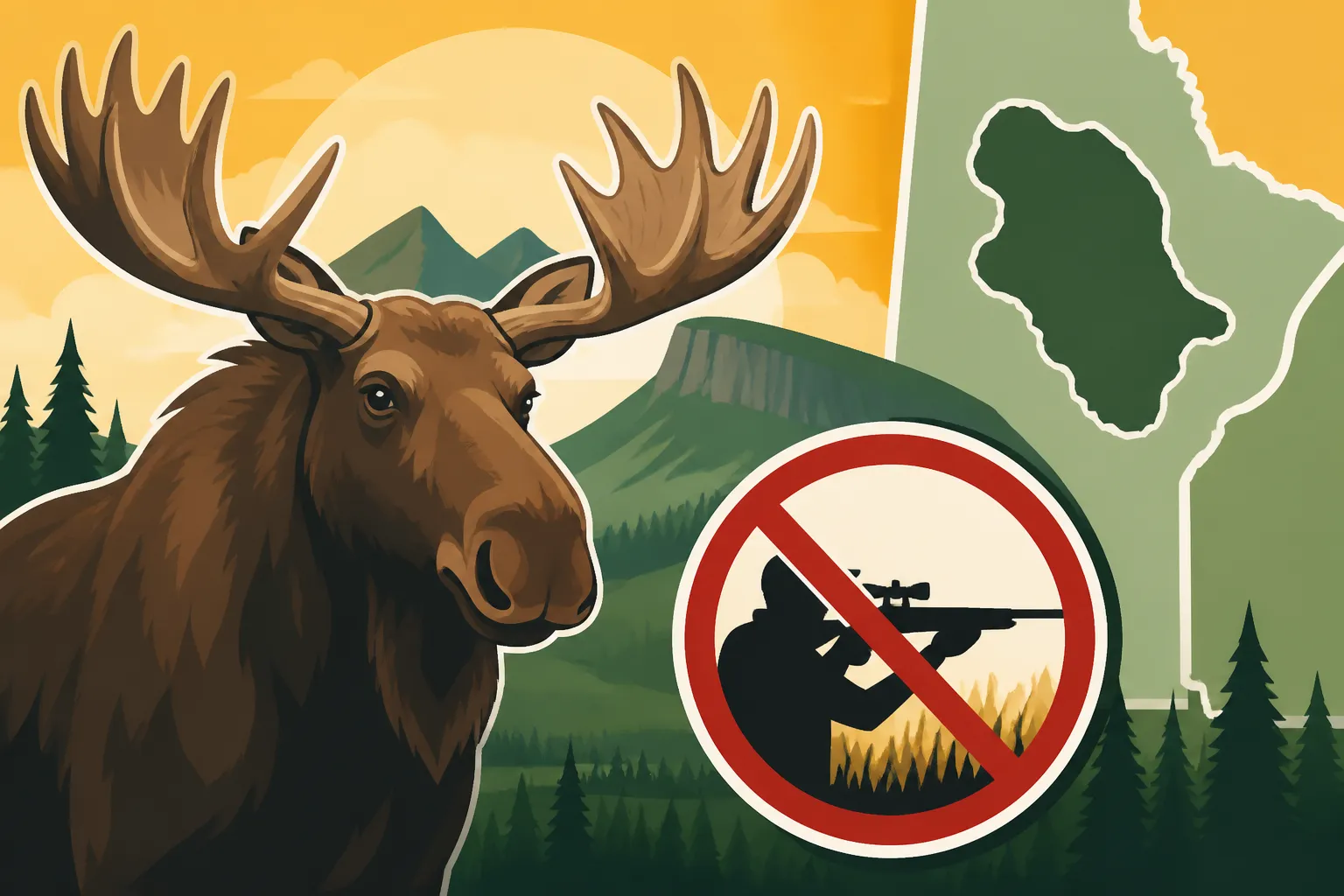
The decision to close a hunting season is never made lightly, and the closure of the moose hunt in Manitoba's Duck Mountain region was a stark indication of a significant and pressing conservation challenge. This wasn't a temporary blip; it was a response to a serious decline that threatened the long-term viability of the moose population in this historically rich area.
When the Seasons First Closed and Why
The initial alarm bells began ringing loud and clear in the late 2000s, leading to the full closure of moose hunting in the Duck Mountain Provincial Forest and parts of the surrounding Game Hunting Areas (GHAs) around 2010-2011. This was a critical moment for wildlife management in Manitoba, as the data from aerial surveys and ground observations indicated a worrying downward trend in moose numbers. Local hunters, Indigenous communities, and biologists had been observing fewer moose, particularly fewer calves, for some time. The evidence pointed towards a population that was struggling to recruit new animals and facing multiple stressors.
The primary concern was that the population had simply fallen to unsustainably low levels. Hunting, even well-regulated hunting, can become an unsustainable pressure when a population is already in decline, unable to bounce back. The closure was a difficult but necessary step to remove that pressure and give the moose a fighting chance to recover. It was a clear signal that something fundamental was wrong, and it kicked off intensified research and monitoring efforts to understand the full scope of the problem. This wasn't unique to Manitoba; many jurisdictions have faced similar tough decisions regarding their moose populations, highlighting a broader ecological concern across North America.
The Immediate Aftermath for Hunters and Local Communities
For resident hunters who had traditionally pursued moose in the Duck Mountain, the closure was a significant blow. Years, sometimes generations, of tradition were suddenly put on hold. Outfitters who specialized in guided moose hunts in the region saw their bookings disappear, impacting their livelihoods and the local economies that relied on hunter dollars. The sense of loss was palpable, not just for the meat or the trophy, but for the experience of being in the bush, tracking Manitoba's largest deer. It forced many to look at Hunting Moose Where Seasons Stay Open in other parts of the province, or to shift their focus to other species.
Many hunters felt frustrated, wondering if their past efforts to hunt responsibly had been in vain, or if there was something they could have done differently. It sparked intense discussions among the hunting community about the health of the herd, the role of various factors, and the path forward. This shared understanding and collaboration between hunters and wildlife managers became crucial in the subsequent years, as everyone sought answers and solutions.
Understanding the Complex Factors Behind Moose Decline
Moose populations are complex, and their health is influenced by a delicate balance of environmental factors, diseases, predators, and habitat conditions. The decline in Duck Mountain wasn't attributable to a single cause but rather a confluence of interacting pressures that created a perfect storm for these majestic animals. If you're wondering Why Manitoba Moose Numbers Fell in this specific area, it's often a puzzle with many pieces.
Disease and Parasite Pressures
One of the most significant culprits identified in the decline of moose in Duck Mountain and elsewhere is the increased prevalence and impact of diseases and parasites.
- Winter Ticks (Dermacentor albipictus): These tiny parasites can have a devastating effect, especially during mild winters. Moose can carry tens of thousands of these ticks, leading to severe blood loss, anemia, hair loss (often called "ghost moose"), and intense itching that causes them to rub off their protective winter coats. This leaves them vulnerable to hypothermia in late winter and early spring. Calves and yearlings are particularly susceptible, often succumbing to the stress and blood loss. The concern is that How Winter Ticks Affect Boreal Moose populations is becoming more acute with changing climate patterns.
- Brainworm (Parelaphostrongylus tenuis): While white-tailed deer are largely unaffected by brainworm, which they carry as a natural host, it is often fatal to moose. The parasite, transmitted through snails and slugs ingested by moose while browsing, causes neurological damage, leading to symptoms like blindness, disorientation, loss of fear of humans, and eventually death. Duck Mountain is an area where deer and moose ranges overlap, increasing the risk of transmission.
These parasites weaken moose, making them more vulnerable to other environmental stresses and predation. It's a cruel cycle where one factor exacerbates another.
Habitat Degradation and Loss
Healthy habitat is the foundation of any thriving wildlife population, and moose are no exception. The Duck Mountain region has seen various changes over the decades that have impacted moose habitat.
- Forest Succession: Moose are primarily browsers, feeding on shrubs and young trees. Mature, dense forests provide cover but often lack the abundant browse moose need. Large-scale disturbances like significant wildfires or extensive logging, when managed properly, can create excellent moose habitat by promoting new growth. However, a lack of such disturbances, or management practices that don't consider moose habitat needs, can lead to forests that are less productive for moose.
- Logging Practices: While logging can create new browse, certain practices can lead to habitat fragmentation or create conditions that favor deer (and thus brainworm transmission) over moose. The key is to manage forest harvest with moose ecological needs in mind, ensuring a mosaic of forest ages and types.
- Climate Change Effects: Beyond just tick proliferation, climate change can also affect habitat directly. Changes in precipitation and temperature patterns can alter the types of vegetation available, potentially reducing crucial browse species or increasing stress on moose dueensuring access to quality forage. This also impacts What Moose Eat Through the Year, making it harder for them to build fat reserves for winter.
Predation and Population Dynamics
Predators like wolves and bears are natural components of a healthy ecosystem. However, their impact on a moose population can become disproportionately high when the moose numbers are already stressed and declining from other factors.
- Wolf Predation: Wolves are efficient moose predators, especially targeting calves and weakened adults. If moose calf survival is already low due to ticks or poor nutrition, sustained wolf predation can prevent the population from rebounding. In a declining herd, even a stable predator population can exert too much pressure.
- Bear Predation: Black bears are opportunistic predators and can be significant calf predators in the spring. If a moose cow is already stressed and her calf is weak, it becomes an easier target.
It’s not simply about having predators; it's about the balance between predator and prey populations. When moose numbers plummet due to other issues, the balance shifts, and predation can prevent recovery.
Manitoba's Response: Conservation Efforts and Management Strategies
Recognizing the severity of the moose decline in Duck Mountain, the Province of Manitoba, alongside various partners, launched a concerted effort to understand and address the issue. The goal was to implement science-based management strategies to facilitate recovery.
Research and Monitoring Initiatives
Understanding the specifics of the decline was paramount. The province invested in extensive research and monitoring programs:
- Aerial Surveys: Regular aerial surveys became a crucial tool to count moose, determine population trends, assess calf recruitment rates, and gather data on population density and distribution. These surveys provide essential benchmarks for evaluating the health of the herd and help wildlife managers determine Manitoba's Moose Population Trend for the region.
- Telemetry Studies: Collaring moose with GPS transmitters allowed biologists to track individual animals, monitoring their movements, habitat use, survival rates, and cause of mortality. This data is invaluable for pinpointing specific vulnerabilities, whether it's disease, predation, or habitat-related issues.
- Collaborative Efforts: The province worked closely with Indigenous communities, local hunters, and organizations like the Manitoba Wildlife Federation to gather traditional ecological knowledge and citizen science data. Hunters reporting observations or contributing samples can be incredibly valuable, and platforms like GoHunt can help disseminate information and collect important field data from those on the ground. This partnership approach reflects the principles of How Shared Management Changed Moose Seasons and conservation efforts.
Habitat Improvement Projects
Efforts were also directed at improving and restoring moose habitat within the Duck Mountain region.
- Forest Management Planning: This involved working with forestry companies and land managers to implement practices that promote moose browse and cover. This can include specific logging prescriptions, creating a diverse forest landscape with varying ages of trees, and ensuring adequate corridors for movement.
- Controlled Burns: Fire, a natural process, plays a vital role in regenerating forests and creating early successional growth that moose prefer. Where appropriate, controlled burns can be used as a management tool to revitalize habitat, though this requires careful planning and execution.
- Wetland and Water Quality Initiatives: Healthy wetlands are also important for moose, providing forage and cooling areas. Protecting and enhancing these areas contributes to overall moose health.
These habitat projects are long-term investments, as forest ecosystems take time to respond and mature into optimal moose habitat.
Community Involvement and Indigenous Perspectives
The success of any large-scale conservation effort relies heavily on the involvement and buy-in of local communities and Indigenous peoples. In Manitoba, Indigenous communities hold deep historical and cultural connections to moose and traditional knowledge that is invaluable to conservation.
- Information Sharing and Engagement: Open communication channels were established to share research findings, discuss management options, and solicit feedback from local residents, including landowners and Indigenous communities.
- Traditional Knowledge Integration: Integrating traditional ecological knowledge passed down through generations provides a holistic understanding of the ecosystem and can offer insights that scientific studies alone might miss. This collaborative approach recognizes the interconnectedness of people and wildlife.
The Path Forward for Duck Mountain Moose and Hunters
The closure of the moose season in Duck Mountain wasn't a permanent condemnation of moose hunting in the area, but rather a necessary pause to ensure a future for the species. The path forward is one of continued vigilance, adaptive management, and shared responsibility. It's a waiting game that requires patience, a virtue hunters often possess in spades.
Current Status and Signs of Recovery
While the recovery of a species facing multiple stressors is rarely quick or linear, there have been some cautious signs of improvement in the Duck Mountain region. Moose numbers have shown some stabilization and, in some localized areas, even slight increases since the closure. Calf recruitment rates, a critical indicator of population health, are also being closely watched for positive trends.
However, wildlife biologists emphasize that even with these hopeful signs, the population remains fragile. Factors like climate change continue to present challenges, and a robust, self-sustaining population that can withstand occasional pressures takes many years, even decades, to establish. Continuous monitoring using tools that GoHunt offers for tracking populations and reporting sightings is absolutely essential.
Potential for Future Openings
The decision to reopen a moose season in Duck Mountain would depend entirely on sustained evidence of a healthy, growing moose population. Wildlife managers would need to see:
- Consistent Population Growth: Not just a year or two of stability, but a multi-year trend of increasing moose numbers across the region.
- Strong Calf Recruitment: A consistently high percentage of calves surviving to adulthood, indicating successful reproduction and survival of young animals.
- Reduced Stressors: Evidence that disease prevalence (like winter ticks and brainworm) is manageable, and habitat conditions are robust enough to support increased numbers.
Even if a season were to reopen, it would likely be a highly restricted and carefully managed hunt, perhaps with limited draw tags, specific zones, or shorter seasons, gradually easing into more opportunities as the population further strengthens. Hunters can stay informed about the status of various hunting opportunities, including potential future draws, through the Manitoba government's official channels and platforms like GoHunt, which often aggregates and displays this information.
Hunting Beyond Duck Mountain
While Duck Mountain remains a focal point for moose conservation, Manitoba offers other excellent opportunities for hunters. The vast boreal forest regions, particularly in the northern parts of the province, still support healthy moose populations. Areas outside of conservation closures often have draw opportunities or general season tags for resident hunters.
Hunters interested in moose can explore options in areas where seasons remain open, always ensuring they understand the specific regulations, license requirements, and any draw application processes. Looking into Moose Hunting Manitoba's Boreal Country or other specific GHAs can provide alternative, rewarding experiences while Duck Mountain's herd continues its journey to recovery. It’s about adapting, respecting the conservation efforts, and continuing to support wildlife management across the province.
Key Factors in Moose Decline
Here's a summary of the primary factors that contributed to the moose season closure in Duck Mountain:
| Factor | Primary Impact on Moose Population | Examples of Mitigation Efforts |
|---|---|---|
| Winter Ticks | Severe blood loss, anemia, hair loss, hypothermia, increased mortality, especially in calves. | Monitoring climate, habitat management to reduce tick exposure. |
| Brainworm (P. tenuis) | Neurological damage, disorientation, blindness, eventual death; spread by white-tailed deer. | Managing deer populations where they overlap moose habitat. |
| Habitat Degradation | Reduced availability of preferred browse, lack of optimal cover, fragmented landscapes. | Forest management (logging, prescribed burns), habitat regeneration. |
| Predation | Increased pressure from wolves and bears, especially on already weakened or declining moose numbers. | Maintaining healthy moose populations to balance predator-prey dynamics. |
| Climate Change | Warmer winters favour tick survival, increased heat stress on moose, altered vegetation patterns. | Long-term strategies for habitat resilience, ongoing research. |
Disclaimer
The information provided in this article is for general guidance and informational purposes only. Hunting regulations, season dates, and conservation statuses can change rapidly. Always consult the most current Manitoba Hunting Guide and official government resources before planning any hunting activity.