Which Species Need a Manitoba Guide
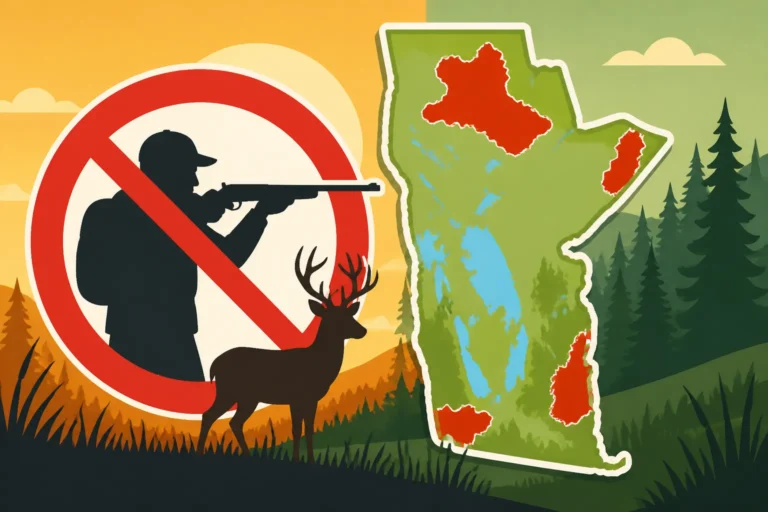
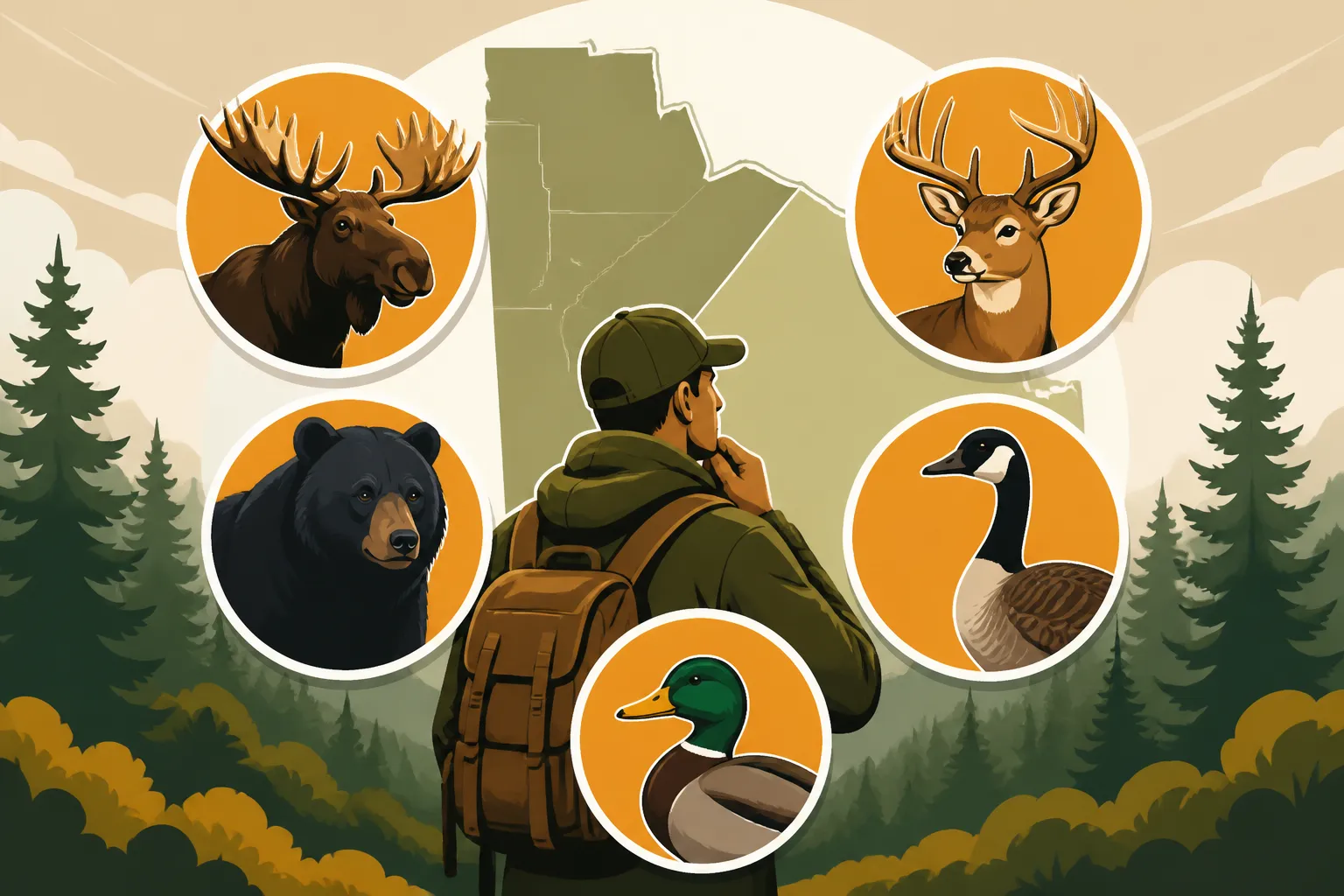
Navigating the specific regulations for hunting in Manitoba can feel like trying to solve a puzzle, especially when you're a non-resident trying to figure out if you really need to hire a guide. It's easy to get overwhelmed by the nuances of provincial and federal rules, leaving you second-guessing your entire trip planning. This comprehensive guide will break down exactly which species require a licensed guide in Manitoba, helping you understand the requirements and plan your next adventure with confidence.
Understanding Manitoba's Guided Hunting Requirements
The question of whether a guide is required often hinges on your residency status and the specific game species you're pursuing. Manitoba has a well-structured system designed to manage its wildlife resources effectively, promote ethical hunting practices, and ensure safety, especially in remote areas. For non-residents, these regulations are often a bit more stringent than for those who call Manitoba home.
Why Some Species Require a Guide
At its heart, the requirement for a guide, particularly for non-resident foreign hunters, is rooted in several key principles. Firstly, it's about conservation and responsible management. Outfitters and guides are often deeply invested in the health of local game populations and act as additional stewards of the land, helping to ensure sustainable hunting practices. They know the Game Hunting Areas (GHAs) intimately, understand herd movements, and often participate in data collection that aids provincial wildlife biologists.
Secondly, it's a matter of logistics and safety. Many of Manitoba's most coveted big game species, like moose and barren-ground caribou, inhabit incredibly remote and challenging terrain. Navigating these vast landscapes, setting up camp, tracking game, and ensuring a safe and successful recovery can be incredibly difficult, if not dangerous, for someone unfamiliar with the territory. A licensed guide provides not just hunting expertise but also essential wilderness survival skills, navigation, first aid, and recovery assistance. They have the necessary equipment, from float planes to specialized ATVs, to access these areas and safely extract game.
Finally, there's an economic component. The outfitting industry plays a significant role in many northern and rural communities, providing jobs and injecting revenue into local economies. By requiring guides for certain species and non-resident categories, Manitoba ensures that these economic benefits are realized, contributing to the overall well-being of the province and its residents.
Defining "Non-Resident" in Manitoba Hunting
Before we dive into specific species, it’s crucial to understand how Manitoba defines a "non-resident," as this classification dictates much of the guiding requirements. In Manitoba, you are considered a non-resident if you do not ordinarily reside in the province. However, there's a significant distinction made between two types of non-residents:
- Canadian Non-Resident: This refers to a person who is a Canadian citizen or a permanent resident of Canada but does not ordinarily reside in Manitoba. If you live in Ontario, Alberta, or any other Canadian province or territory, you fall into this category when hunting in Manitoba.
- Foreign Resident: This applies to any person who is not a Canadian citizen or a permanent resident of Canada. This includes hunters from the United States, Europe, or any other country outside of Canada. The rules are generally stricter for foreign residents, often requiring them to hunt with a licensed guide for most big game.
This distinction is vital because Canadian non-residents often have more flexibility and fewer guiding requirements than foreign residents. While a foreign resident might always need a guide for a specific species, a Canadian non-resident might not, though they might still choose to hire one for the logistical advantages. Understanding Rules for Non-Residents Hunting Manitoba is the first step in planning your hunt.
Specific Species Requiring a Guide for Non-Residents
Manitoba has specific regulations for various big game species, and the requirement for a licensed guide is often tied directly to whether you are a foreign resident or a Canadian non-resident. It's critical to know these distinctions before you apply for a license or book a trip.
Moose Hunting Regulations
For many, moose hunting is the quintessential northern Manitoba experience – a true wilderness adventure in vast boreal forests. However, if you're a non-resident hoping to tag a massive bull, the rules are very clear.
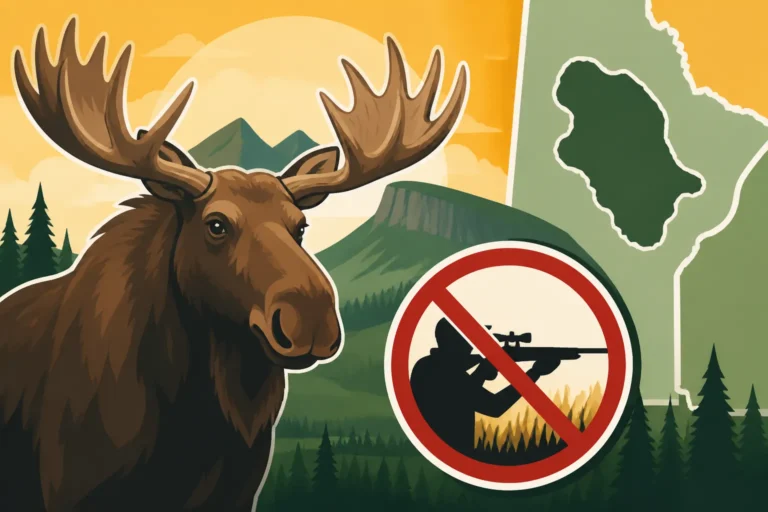
Foreign Residents: If you are a foreign resident (i.e., from outside Canada), you must hunt moose with a licensed Manitoba outfitter and guide. There are no exceptions to this rule. The remote nature of prime moose country, the challenging conditions, and the desire to ensure proper game management all contribute to this requirement. These guided hunts often take place deep within Manitoba's Boreal Forest, in areas like GHA 2, GHA 6, or GHA 10, which are typically only accessible via float plane or lengthy backcountry travel. An outfitter handles everything from transportation and lodging to guiding services, field dressing, and game recovery. This ensures not only your safety but also adherence to all regulations for Moose Hunting Manitoba's Boreal Country.
Canadian Non-Residents: If you are a Canadian citizen or permanent resident living outside Manitoba, you generally do not require a licensed guide to hunt moose. You can apply for a moose licence and hunt independently. However, many Canadian non-residents still choose to hire a guide or an outfitter, especially when pursuing moose in extremely remote regions. The sheer scale of the landscape, the difficulty of access, and the specialized equipment needed for successful moose hunting and recovery often make a guide a wise investment, even if not legally mandated. They can offer invaluable local knowledge, help with calling, and aid in the strenuous task of quartering and packing out a several-hundred-pound animal.
Elk Hunting Requirements
Elk are another prized big game species in Manitoba, found primarily in the Parkland regions and some forest fringes, notably around areas like Riding Mountain National Park and the Duck Mountain country. The guiding requirements for elk are similar to moose, with the same distinction for foreign residents.
Foreign Residents: As a foreign resident, if you draw an elk licence through Manitoba's allocation system, you must hunt with a licensed guide. Elk draws are highly sought after, and the limited availability underscores the need for careful management. The regulations ensure that foreign hunters contribute to the local outfitting economy and adhere to best practices within these sensitive elk habitats. Many of these hunts are offered through specific outfitters who receive allocations for Elk Hunting in Manitoba in designated GHAs.
Canadian Non-Residents: For Canadian non-residents, a licensed guide is generally not required for elk hunting. You can apply for an elk draw as an independent hunter and, if successful, hunt on your own or with resident companions. However, much like moose, the challenges of locating elk, understanding their patterns in specific terrains (like the rugged slopes of the Pembina Valley or the dense cover of the Duck Mountain), and the sheer physical effort involved can still lead many to consider a guided experience. This is especially true for hunters targeting trophy bulls during the bugling season.
Caribou Hunting Specifics
Hunting barren-ground caribou in Manitoba is an unparalleled northern adventure, taking hunters far beyond civilization into the remote tundra. This experience comes with its own set of strict requirements due to the extreme remoteness and the unique migratory patterns of these animals.
Foreign Residents: If you are a foreign resident, hunting barren-ground caribou in Manitoba absolutely requires the services of a licensed outfitter and guide. There are no exceptions. These hunts are almost exclusively fly-in operations, originating from northern communities like Thompson or Gillam, and involve complex logistics. The guide ensures safe transportation, navigation in an unforgiving environment, proper handling of harvested animals, and adherence to specific conservation quotas for the caribou herds. Planning for Barren-Ground Caribou Hunting in Northern Manitoba means planning for a fully guided experience.
Canadian Non-Residents: For Canadian non-residents, the requirement is the same as for foreign residents: you must hunt barren-ground caribou with a licensed outfitter and guide. This is one of the few species where even Canadian non-residents do not have the option of hunting unguided. The primary reason is the sheer inaccessibility and inherent risks associated with hunting in such a remote, harsh environment. Outfitters specialize in these logistics, providing the necessary charter flights, camp infrastructure, and expert guides to make these hunts possible and safe. This collective requirement helps to manage pressure on the herds and ensures a high standard of safety for all participants.
Species That Generally Do Not Require a Guide
While big game like moose, elk, and caribou often come with guiding stipulations, particularly for foreign non-residents, many other popular game species in Manitoba offer more flexibility. This means that for these species, hunters, including most non-residents, typically have the option to hunt independently.
White-tailed Deer Hunting
White-tailed deer are Manitoba's most hunted animal, and for good reason—they are abundant, widely distributed, and offer an exciting challenge. The regulations for deer hunting are generally more accommodating for non-residents than for the larger, more remote big game species.
Foreign Residents: If you are a foreign resident, you do not technically require a licensed guide to hunt white-tailed deer in Manitoba. This is a significant difference from moose, elk, or caribou. However, many foreign non-residents still choose to book a guided whitetail hunt, especially if they are targeting a large, mature buck, which Manitoba is renowned for. Outfiters specialize in understanding deer movements in various habitats, from the Aspen Parkland to dense bush country, and often have access to prime private lands or intimately know productive Crown Land areas. They can provide heated blinds for comfort during the cold Hunting the Rut in Early to Mid November or help you navigate the nuances of Rattling and Calling Parkland Whitetails. While not mandatory, a guided hunt can drastically increase your odds of success and overall experience, especially if you're unfamiliar with the terrain or local hunting strategies.
Canadian Non-Residents: Canadian non-residents have even more freedom when it comes to white-tailed deer. You can purchase a licence and hunt independently without any guide requirement. This is a popular option for many hunters from neighbouring provinces like Saskatchewan or Ontario who enjoy the challenge of scouting their own areas and employing their preferred hunting methods, whether that's still-hunting in the bush or hunting a standing canola field edge. For more in-depth knowledge on tactics, check out resources on Whitetail Hunting in Manitoba.
Black Bear Hunting
Manitoba offers exceptional black bear hunting, particularly during the spring and fall seasons. These hunts are often conducted over bait, which requires specific knowledge and setup, or through spot-and-stalk methods in certain regions. The guiding requirements for black bears can vary, but generally lean towards independent hunting for non-resident Canadians.
Foreign Residents: For foreign residents, hunting black bears often requires a licensed guide. While there might be some specific exceptions based on GHA or a particular outfitter's allocation, the general expectation is that foreign hunters will book a guided black bear hunt. This is largely due to the use of baiting, which requires specific permits and regular maintenance, and the need for proper game identification (especially for judging boar from sow with cubs) and safe recovery in bear country. Outfitters are experts in Baiting Black Bear in Manitoba and can provide safe, established bait sites and comfortable blinds. They ensure you are hunting legally and safely, helping you identify mature bears and assisting with the critical task of field dressing and hide preservation for a rug.
Canadian Non-Residents: Canadian non-residents typically do not need a guide to hunt black bears in Manitoba. You can apply for a black bear licence and hunt independently. Many Canadian hunters manage their own bait sites or pursue bears through spot-and-stalk or still-hunting methods. However, it's essential to be fully aware of Manitoba's bear baiting regulations, especially regarding placement and permitted materials. The remote nature of some of Manitoba's best bear country, such as the vast forests of the Interlake or Eastern Shield, might still lead some Canadian non-residents to consider a guide for enhanced logistics, safety, and expertise, particularly during the Spring Bear Hunting in Manitoba season when bears are just emerging.
Waterfowl and Upland Birds
Manitoba is a world-renowned destination for bird hunters, offering incredible opportunities for ducks, geese, sandhill cranes, and various upland species. When it comes to bird hunting, the rules are generally very open, with no mandatory guide requirements for any category of non-resident.
All Non-Residents (Canadian and Foreign): Whether you're a foreign resident or a Canadian non-resident, you do not need a licensed guide to hunt waterfowl or upland birds in Manitoba. You can purchase the necessary provincial licences and federal permits (like the Migratory Game Bird Hunting Permit and Habitat Conservation Stamp) and hunt independently.
However, many bird hunters, especially those targeting large numbers of geese or specific duck species, opt for a guided experience. Waterfowl outfitters provide immense value by scouting fields daily, setting up massive decoy spreads in Field Hunting Geese in Manitoba Stubble, arranging blinds, and securing access to prime private land. This can save hunters countless hours of scouting and ensure they are in the best possible location for a successful hunt. Similarly, while not common, an upland bird guide might offer access to private land or specialized dogs for Walking Up Sharp-Tailed Grouse in Manitoba or Ruffed Grouse Hunting Manitoba's Bush Trails, enhancing the experience.
For those planning an unguided bird hunt, remember that securing permission for private land is crucial, as much of Manitoba's best waterfowl hunting takes place on agricultural fields. Public land access is available, but often requires more scouting effort to find unpressured birds.
Here's a quick reference table summarizing the general guiding requirements for non-residents:
| Species | Foreign Resident (Outside Canada) Requirements | Canadian Non-Resident Requirements | Common Practice / Recommendation (if not mandatory) |
|---|---|---|---|
| Moose | REQUIRED to hunt with a licensed guide | Not required, but often recommended for remote areas | A guide provides essential logistics, safety, and expertise in challenging terrain. |
| Elk | REQUIRED to hunt with a licensed guide (if drawn) | Not required, but can enhance success in complex habitats | Recommended for draw hunts or if targeting specific trophy animals. |
| Barren-Ground Caribou | REQUIRED to hunt with a licensed guide | REQUIRED to hunt with a licensed guide | Mandatory for all non-residents due to extreme remoteness, logistics, and safety. |
| White-tailed Deer | Not required, but often recommended for trophy hunts | Not required | Many opt for guided hunts for prime access, local knowledge, and increased trophy potential. |
| Black Bear | REQUIRED to hunt with a licensed guide (generally) | Not required | Recommended for baiting setups, safety in bear country, and trophy quality assessment. |
| Waterfowl (Ducks, Geese, Cranes) | Not required, but many hire outfitters for field access and logistics | Not required | Guides offer huge advantages in scouting, decoy setup, and securing prime hunting locations on private land. |
| Upland Birds (Grouse, Partridge) | Not required | Not required | While not common, guides might offer access to private land or specialized dogs. |
| Wolf/Coyote | Not required, but guides often available for combo hunts | Not required | Can be combined with other big game hunts, guides provide valuable calling and tracking expertise. |
Navigating the Rules and Booking a Hunt
Once you understand which species demand a guide, the next step is planning your actual hunt. This involves not only selecting an outfitter but also understanding their role, knowing where to look for reputable operations, and asking the right questions.
The Role of a Licensed Manitoba Guide
A licensed Manitoba guide is more than just someone who points you towards game. They are professionals who provide a comprehensive service designed to maximize your safety, success, and overall experience. Their responsibilities typically include:
- Expert Knowledge: Guides possess an intimate understanding of the hunting area, including game movements, bedding areas, travel corridors, and preferred feeding grounds. They know how to read sign after a fresh snow and where to find concentrations of game.
- Logistics and Access: For remote hunts, guides handle all the complex logistics, from charter flights and boat transportation to setting up comfortable camps. They often have access to prime private land or know the best public land spots that receive less pressure.
- Safety and First Aid: Operating in the wilderness carries inherent risks. Guides are trained in wilderness first aid and carry essential safety equipment, including satellite phones or inReach devices for emergency communication where cell service ends. They know how to handle encounters with wildlife and ensure the group's well-being.
- Equipment and Setup: Guides provide necessary equipment, such as blinds, tree stands, decoys, and specialized vehicles like ATVs or snowmobiles, depending on the terrain and season.
- Field Dressing and Recovery: Harvesting an animal is just the first step. Guides are skilled in efficient field dressing and, critically, in recovering game from challenging terrain. They ensure the meat is handled properly to preserve its quality, adhering to strict meat care in Manitoba's cold snaps guidelines.
- Regulatory Compliance: They ensure that all hunting activities adhere to Manitoba's provincial and federal hunting regulations, including bag limits, season dates, and tag validation rules. A good guide will also be well-versed in Manitoba's CWD Sampling Requirements if hunting in affected GHAs.
Choosing an ethical and professional guide is paramount to a successful and enjoyable hunting trip.
Resources for Finding an Outfitter
Finding the right outfitter is a critical step, particularly for those species where a guide is mandatory or highly recommended. Fortunately, Manitoba offers several excellent resources to help you connect with reputable operations.
One of the best starting points is the Manitoba Lodges and Outfitters Association (MLOA). This organization represents many of the province's top hunting and fishing outfitters, maintaining a directory of licensed and vetted businesses. Their website is an excellent resource for researching different outfitters, understanding package offerings, and verifying credentials.
Online platforms can also be incredibly useful. Websites that specialize in hunting trip bookings and outfitter reviews can provide a wealth of information. You can often find hunter testimonials, photos, and detailed descriptions of services offered. For hunters looking to scout or plan their own trips, tools like GoHunt can provide valuable insights into specific GHAs, game concentrations, and public land access, even if you eventually decide to use an outfitter. GoHunt's mapping capabilities can help you visualize the terrain and understand the challenges a guide would help you overcome.
Don't underestimate the power of word-of-mouth. Talk to other hunters who have been to Manitoba. Their experiences and recommendations can be invaluable in narrowing down your choices. Forums and social media groups dedicated to Manitoba hunting can also offer authentic insights and connections. When checking references, ask about success rates, guide professionalism, camp conditions, and how problems were handled.
Essential Considerations Before Booking
Before you commit to a specific outfitter, it's vital to do your due diligence and ask a comprehensive set of questions. This proactive approach will help manage expectations and ensure there are no surprises down the line.
- Licensing and Insurance: Always verify that the outfitter and their guides are properly licensed by the Province of Manitoba and that they carry adequate liability insurance. This protects both you and the outfitter.
- Package Inclusions and Exclusions: Get a clear, written understanding of what your hunt package includes. Does it cover licences and tags, transportation from the airport, accommodation, meals, trophy preparation, and meat processing? What about unexpected costs like additional fuel or satellite phone usage? Knowing the full financial picture is crucial.
- Success Rates and Expectations: Ask about their typical success rates for the species you're targeting. Be wary of any outfitter who "guarantees" a kill; hunting is inherently unpredictable. Instead, focus on what defines "success" for them and how they measure it.
- Hunter-to-Guide Ratio: Understand how many hunters will be assigned to each guide. A lower ratio (e.g., 1:1 or 2:1) generally means more personalized attention and a better hunting experience.
- Camp Conditions and Amenities: Inquire about the type of accommodation (e.g., lodge, tent camp, cabin), sleeping arrangements, toilet facilities, and whether there's electricity or running water. Knowing what to expect regarding comfort levels is important.
- Emergency Procedures: Especially for remote hunts, ask about their emergency plan, communication methods, and how they would handle a medical emergency or getting stuck in the bush.
- References: A reputable outfitter should be happy to provide references from past clients. Take the time to call these references and ask detailed questions about their experience.
- Deposits and Cancellation Policy: Understand the terms for deposits, final payments, and what happens if you need to cancel or if the hunt is affected by unforeseen circumstances like weather or natural disasters (e.g., wildfires).
- Physical Demands: Be honest with your outfitter about your physical capabilities. Some hunts are more strenuous than others, and they can help match you with a suitable experience.
- Trophy Care and Shipping: Discuss how they handle caping, quartering, and preparing your trophy and meat for transport. Inquire about recommended taxidermists and expeditors for shipping your trophies back home. Many hunters utilize services that streamline taking meat and antlers across the border.
- Permits and Licences: While outfitters often assist, remember that securing your own Manitoba Hunting Licences and What They Cost is ultimately your responsibility.
A good outfitter, like those found on GoHunt's extensive listings, will be transparent and eager to answer all your questions, ensuring you feel prepared and confident before your trip to Manitoba.
Legal Exemptions and Important Nuances
Beyond the general requirements, Manitoba's hunting regulations include several specific nuances and exemptions that are important for non-residents to understand. These can influence whether a guide is needed or how a hunt can be conducted.
Canadian Non-Resident Exemptions
As mentioned earlier, Canadian non-residents often have more flexibility than foreign residents. While foreign residents are mandated to hire a guide for moose, elk (if drawn), and caribou, Canadian non-residents are generally exempt from this requirement for moose and elk. They can hunt these species independently, provided they have successfully drawn the necessary licence. This distinction is a recognition of shared national identity and often assumes a greater familiarity with Canadian wilderness conditions and regulations compared to international visitors.
However, it's crucial to remember that this exemption doesn't negate the practical benefits of a guide, especially when hunting in challenging or remote areas. Even for a seasoned Canadian hunter, navigating the vast tracts of Manitoba's Northern Boreal for moose or the rugged terrain of the Duck Mountain for elk can be incredibly demanding. An outfitter provides logistical support, safety nets, and local knowledge that can turn a challenging hunt into a successful one, even if not legally required. The only big game species for which Canadian non-residents must have a guide is barren-ground caribou.
Mentored and Youth Hunting Programs
Manitoba actively promotes mentored hunting, particularly for youth, to foster the next generation of conservationists and hunters. These programs can sometimes offer different requirements, focusing on education and supervised experiences.
Manitoba's Mentored Youth Hunting Rules allow young, aspiring hunters (aged 12-17) to hunt certain species under the direct supervision of an experienced adult mentor. While this doesn't directly override non-resident guiding requirements for species like caribou, it emphasizes the importance of supervision and responsible hunting practices. For less restricted species like white-tailed deer, a mentored youth from outside the province, accompanied by a licensed resident mentor, might have a simplified path to participation. It's always best to consult the official Manitoba Hunting Guide for the most up-to-date details on these programs, as rules can be subject to change and specific conditions apply.
Penalties for Non-Compliance
Ignoring Manitoba's hunting regulations, especially those pertaining to mandatory guiding, can lead to severe consequences. The province takes its wildlife management and enforcement very seriously, and ignorance of the law is not considered a valid excuse.
Penalties for hunting without a required guide can include:
- Significant Fines: These can be substantial, often in the thousands of dollars, depending on the species and the severity of the violation.
- Seizure of Equipment: Firearms, vehicles, and other hunting equipment used in the commission of an offense can be seized by Conservation Officers.
- Forfeiture of Harvested Game: Any animal taken illegally will be seized and forfeited to the Crown.
- Suspension of Hunting Privileges: Offenders may have their hunting privileges suspended in Manitoba for a period of years, and this suspension can often be recognized by other jurisdictions, impacting your ability to hunt elsewhere.
- Criminal Charges: In serious cases, charges under the Wildlife Act or other relevant legislation can lead to criminal convictions.
Conservation Officers in Manitoba have broad powers, and they regularly patrol hunting areas, conduct checks, and investigate tips from the public. It is imperative to familiarize yourself with all the rules and regulations, especially those related to Manitoba's Game Hunting Areas and the specific requirements for your chosen species and residency status. Always carry your licence in the field and be prepared to present it.
Disclaimer
The information provided in this guide is intended for general informational purposes only and does not constitute legal advice. Hunting regulations in Manitoba can change, and it is the hunter's sole responsibility to consult the most current Manitoba Hunting Guide and relevant provincial legislation before planning or undertaking any hunting activity. Always confirm specific requirements with the Manitoba Department of Natural Resources and Northern Development or a licensed outfitter.