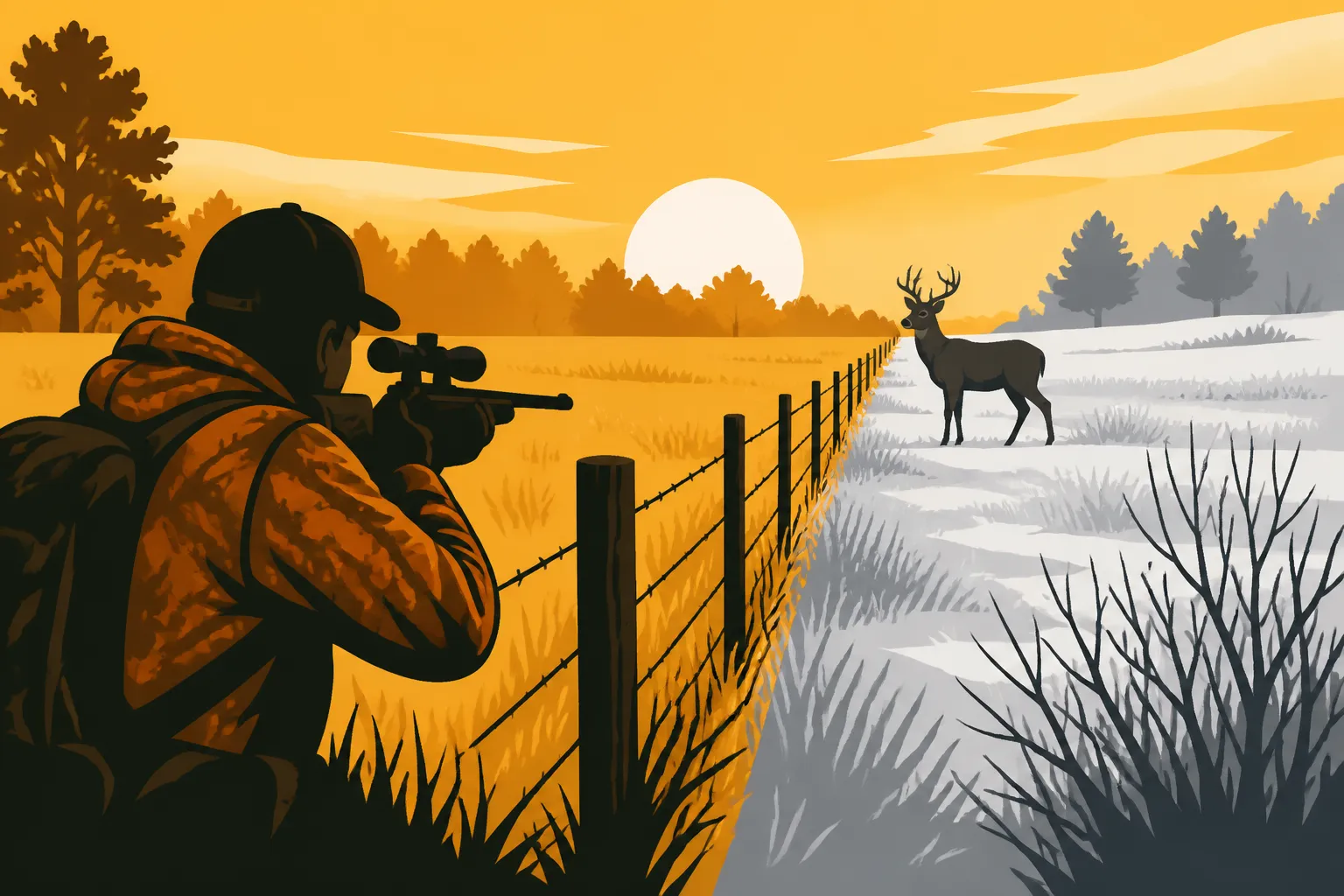
Hunting a Fence Line Between Quarters
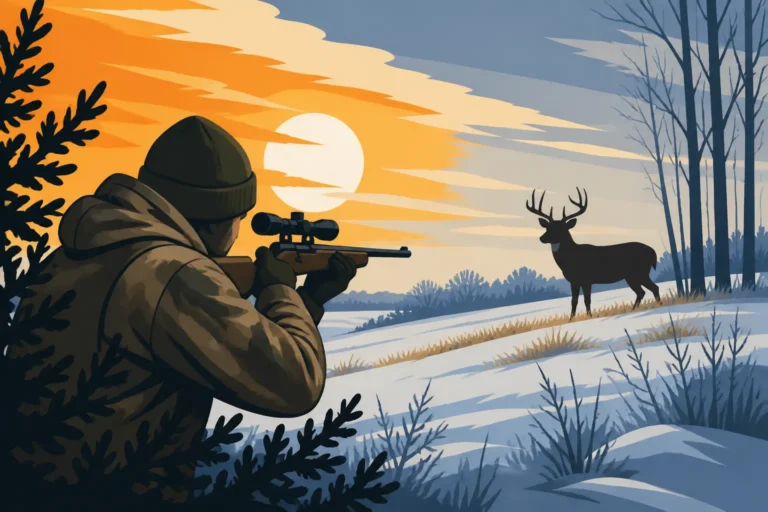
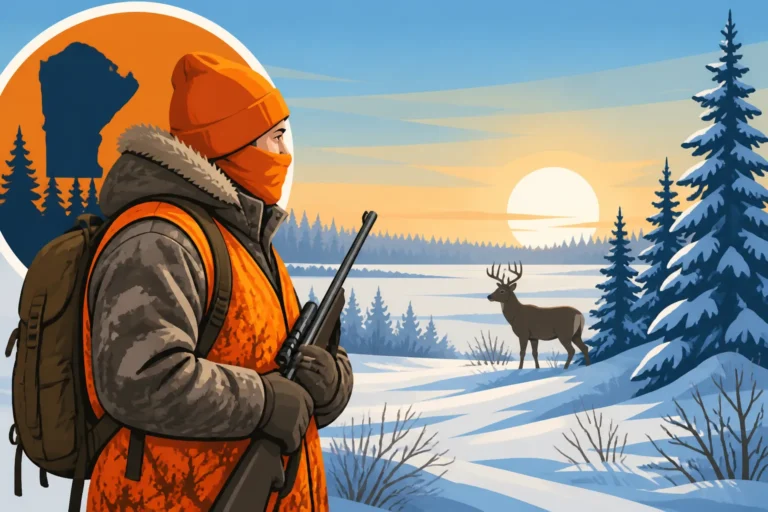
Trying to understand deer movement, especially where different land management practices meet, can feel like you're trying to solve a puzzle with half the pieces missing. One day, you're sure you've got it figured out, and the next, the deer vanish. But if you're overlooking the humble fence line between quarter sections, you might be missing one of the most consistent travel corridors for whitetails in Manitoba. This guide will walk you through how to effectively identify, scout, and hunt these often-ignored hotspots, turning what might seem like a simple boundary into your next successful hunting ground.
Understanding Deer Movement Along Fence Lines
Fence lines, especially those marking the boundaries between different quarter sections of land, might seem like an arbitrary human construct in the vast wilderness of Manitoba. However, to a whitetail deer, they often represent much more than just a division of property. They can be crucial elements in their daily and seasonal movements, dictating their travel patterns, bedding choices, and even feeding habits. Overlooking these seemingly mundane features is a common mistake that can cost hunters opportunities.
Why Fence Lines Attract Whitetails
Deer, like most animals, are creatures of habit, and they inherently seek efficiency and safety in their travels. A fence line, particularly one that has grown up with some brush, small trees, or even just taller grass, offers a subtle sense of cover and security. Imagine a deer needing to travel from a bedding area in a bush pocket on one quarter section to a prime feeding field on another. Instead of crossing wide-open spaces where they're vulnerable, they'll often hug the edge of whatever cover is available. A fence line, even a thin strip of growth, provides just enough visual obstruction to make them feel less exposed.
Furthermore, these lines often mark a change in habitat or land use. One side might be an actively farmed field, while the other could be pasture, an uncultivated bush edge, or even a different crop type. These transitions create a natural edge effect, which is incredibly attractive to whitetails. Deer utilize these edges for foraging, for escaping predators, and as navigational markers. They might follow a fence line that runs along a creek bed, a treeline, or even a subtle elevation change. It's not just about the fence itself; it's about what the fence represents in terms of cover, food, and terrain. This creates predictable travel routes that smart hunters can exploit.
Interpreting Sign Along the Fence
Walking a fence line, especially in the pre-season or after a fresh snow, can be like reading a book. Every rub, every scrape, every track tells a story about the deer that are using this corridor. It's crucial not just to spot the sign, but to interpret what it means. Are these older, weathered rubs from last season, or fresh, shiny marks from a recent visit? Are the tracks leading one way or both ways, indicating a travel route or a momentary stop?
Look for distinct rub lines where bucks have repeatedly rubbed their antlers, usually on small saplings or fence posts. These indicate a well-used pathway, especially during the rut. Scrape lines, often found under low-hanging branches with pawed-up earth beneath them, are another prime indicator of buck activity and communication. Pay attention to the size of the tracks, the depth of impressions, and whether they follow a clear path. Droppings can also give you clues about diet and frequency of use. If you find varied sign—both rubs and scrapes, fresh tracks and droppings—you're likely on a high-traffic area. Remember to note the direction of travel; deer typically follow the path of least resistance, and a fence line often provides just that, allowing them to move efficiently between different parts of their home range. This meticulous detective work is the foundation of successful fence line hunting.
Scouting Strategies for Fence Line Hunting
Effective scouting is the bedrock of any successful hunting endeavor, and when it comes to fence lines between quarter sections, it's absolutely paramount. You can't just stumble upon a good fence line and expect magic; you need to systematically evaluate it, understand its nuances, and predict how deer will use it. This involves a combination of digital reconnaissance and boots-on-the-ground investigation.
Pre-Season Reconnaissance
Before you even step foot in the woods, modern technology offers incredible advantages for pre-season scouting. Start by utilizing mapping applications like GoHunt. These tools allow you to zoom in on your hunting area and immediately identify quarter sections and their dividing fence lines. Look for fence lines that connect different types of cover – perhaps a dense stand of aspen on one side and an open stubble field on the other, or a marshy area leading to a dry ridge. You want to identify areas where the fence line naturally funnels deer. Are there narrow strips of timber or brush? Does the fence follow a natural ditch or creek bed? These are all potential pinch points.
Once you have identified promising fence lines from your digital scouting, it's time for boots-on-the-ground reconnaissance. Walk the entire length of the fence line you plan to hunt, if possible. Don't just look for deer sign; observe the landscape. Identify natural funnels where deer are forced to cross the fence. This could be a low spot in the terrain, a downed section of fence, or a particularly dense patch of cover that provides a safe crossing point. Look for areas where a field edge meets the fence, or where a small woodlot funnels down to a narrow strip along the boundary. These specific spots are where deer are most likely to bottleneck, offering predictable shot opportunities. Also, be aware of man-made crossings like old gates or culverts; deer are opportunistic and will use the easiest path.
Trail Camera Placement
Trail cameras are invaluable tools for fence line hunting, providing round-the-clock surveillance that no human scout can match. When placing cameras along a fence line, consider the angle and height. Position your camera to cover the most likely travel path, often directly along the fence, but also angled to capture deer moving perpendicular to it if there's a crossing point. Set cameras slightly off to the side, perhaps 15-20 yards from the main trail, and aim them down the fence line to capture more ground and avoid spooking deer with a direct flash. Ensure the camera is stable and securely attached to a tree or post, out of direct sunlight, to prevent glare and false triggers.
The data gathered from your trail cameras is gold. Pay close attention to the time of day deer are most active along the fence, which direction they are travelling, and the age class of the bucks you're seeing. Are they primarily nocturnal, indicating too much pressure, or are they moving during legal shooting hours? If you're seeing consistent daytime activity, especially of mature bucks, you've found a prime location. Using cameras effectively allows you to fine-tune your hunting schedule, know exactly when to be on stand, and choose your approach based on real-time deer patterns. GoHunt can often integrate with various trail camera systems, allowing for remote monitoring and data analysis, which is incredibly useful for covering large areas.
Stand Placement and Hunting Tactics
Once you've diligently scouted your chosen fence line and gathered intel, the next critical step is positioning yourself effectively. This isn't just about hanging a stand; it's about careful consideration of every environmental factor to maximize your chances of success and minimize your impact on the deer's natural patterns.
Choosing the Right Stand Location
The most critical factor in stand placement, especially along a linear feature like a fence line, is wind direction. Deer rely heavily on their sense of smell, and if your scent is blowing into their travel corridor, your hunt will be over before it truly begins. Always approach and set up your stand based on the prevailing wind for that day, ensuring your scent cone is blowing away from where you expect deer to approach or pass. You might need multiple stand locations along a single fence line to accommodate different wind directions, or be prepared to hunt from the ground if conditions aren't right for your primary stand.
Next, consider your cover as a hunter. Even if you're in a tree stand, you need natural camouflage to break up your outline. Look for dense foliage, a cluster of branches, or the dark shadow of a large tree. For ground blinds, ensure it blends seamlessly with the surroundings, ideally backed up against a thicket or larger trees. Your objective is to become invisible.
Finally, evaluate your shot lanes and distance. Can you get a clear, ethical shot at the distances you anticipate deer will be moving? Trim branches that obstruct your view or potential shot paths before opening day, but do so judiciously to avoid creating an obvious "hole" in the cover. Understand the maximum ethical range of your weapon (bow or rifle) and ensure your stand is positioned to allow shots within that range. Whether you choose an elevated stand (like a tree stand or an elevated blind) or a ground blind depends on the available cover, the terrain, and your personal preference. Tree stands offer a wider view and elevate your scent, but require suitable trees. Ground blinds offer excellent concealment and are versatile for areas lacking suitable trees, but require more attention to scent control and background cover.
Effective Hunting Strategies
When hunting a fence line, you have a few core strategies at your disposal, each with its own advantages. Still hunting involves slowly and quietly moving along the fence line, stopping frequently to glass and listen. This is particularly effective in areas with intermittent cover or when you're trying to locate deer that might be bedded nearby. It requires extreme patience and attention to detail, moving only when the wind is favorable and your movements are concealed by environmental noise like rustling leaves.
Ambush hunting from a stand is perhaps the most common and often most effective method for fence lines. Once you've chosen your prime stand location based on scouting and wind, settle in and be patient. Deer typically move during the low-light hours of dawn and dusk, but also throughout the day, especially during the peak of the rut. If you're Hunting the Rut in Early to Mid November, bucks will be on the move, actively seeking does, making these fence lines prime cruising lanes. A well-placed stand allows you to intercept deer as they follow these predictable corridors between bedding and feeding areas.
Consider incorporating calls or rattling into your strategy, especially if you're hunting during the breeding season. Soft grunt calls or doe bleats can often pique the curiosity of a passing buck. If you've done your homework and confirmed bucks are active in the area, a strategic rattling sequence can simulate a buck fight and draw in inquisitive deer. Be mindful of rattling volume; in more open parkland areas, you might need to increase your rattling volume in open parkland, but in thicker bush, a softer approach is often better.
Remember to adapt your strategy based on the season. Early season might see deer moving more predictably to food sources. The rut will have bucks actively cruising fence lines for does. The late season, particularly if you're Hunting the Late December Season and snow is deep, might concentrate deer along the most sheltered fence lines or those offering easiest travel. Being flexible and observing deer behaviour on your specific fence line will always yield the best results.
Navigating Property Lines and Regulations
Hunting a fence line inherently means you're operating directly on a property boundary. This brings with it specific considerations regarding land ownership, local regulations, and the absolute necessity of maintaining good relationships with landowners. Failure to understand these aspects can quickly turn a promising hunt into a legal headache or, worse, cost you access to prime hunting ground.
Understanding Quarter Sections and Land Ownership
Manitoba, like much of Western Canada, uses a grid-based land survey system, often dividing land into quarter sections. A quarter section is typically 160 acres (half a mile by half a mile) and is a common unit of land ownership. When you're hunting a "fence line between quarters," you are literally hunting along the boundary of two such parcels. This means that deer may be moving between privately owned lands, Crown lands, or a mix of both. It's imperative that you clearly identify the ownership of the land on both sides of the fence line you intend to hunt.
Digital mapping tools, including those integrated with GoHunt, can often display land ownership overlays, making it easier to determine if you are on Crown land, private property, or a Wildlife Management Area. Even with these tools, there's no substitute for verifying physical markers on the ground, such as survey pins, old fence posts that mark corners, or signage. Always err on the side of caution. If you're unsure, treat it as private land and seek permission. Understanding these boundaries means you know exactly where you can legally hunt and, equally important, where you absolutely cannot.
Legalities and Landowner Relations
In Manitoba, obtaining permission to hunt on private land is not just a courtesy; it's a legal requirement. Manitoba Landowner Permission Law states that hunters must have permission from the landowner before entering or hunting on private property. This applies even if you're hunting "along" a fence line where one side might be Crown land, but the deer you're pursuing could easily step onto private land. A simple conversation can go a long way. Many landowners are receptive to ethical hunters, especially those willing to help with game management or even just respect their property.
A particularly crucial point arises when a wounded animal crosses a fence line onto another property. Even if you shot the animal legally on land where you had permission, you cannot simply cross onto adjacent private land to retrieve it without explicit permission from that landowner. Doing so is trespassing and can lead to serious legal repercussions and irreparable damage to hunter-landowner relations. Before hunting near any property line, especially adjacent to private land, it's a very good idea to proactively discuss this scenario with the adjacent landowner. Ask for permission to retrieve an animal should it cross over. This demonstrates respect and responsibility, and often, landowners will appreciate your foresight and grant permission.
Building and maintaining good relationships with landowners is invaluable. It not only ensures your access but also enhances the overall reputation of hunters. Remember, you are a guest on their land, and your actions reflect on the entire hunting community. Always leave the property cleaner than you found it, be courteous, and follow any specific requests the landowner might have.
| Deer Sign | What It Looks Like | What It Indicates | Best Time to Scout |
|---|---|---|---|
| Tracks | Indentations in mud, snow, or soft earth, usually a split-hoof print. | Recent deer travel; can indicate size, direction, and frequency of movement. | After rain, fresh snow, or early morning dew. |
| Droppings | Small, dark pellets or clumps. Size and shape vary by diet. | Deer presence, diet, and often, recent activity in the area. | Year-round, but easier to spot when fresh. |
| Rubs | Scraped bark on small trees or saplings, often with antler marks. | Buck activity, typically during velvet shed and rut. Indicates travel corridors. | Late summer through late fall. |
| Scrapes | Pawed-up earth, often with an overhead licking branch, usually 3-5 ft in diameter. | Buck communication and territory marking, especially during the rut. | Peak rut (October-November) and immediately pre-rut. |
| Beds | Oval depressions in grass, leaves, or snow. | Deer resting areas; can indicate preferred bedding cover and direction of wind. | Year-round, but clearer in snow or thick vegetation. |
| Trails | Worn paths through vegetation or dirt, often intersecting. | Consistent travel routes between bedding, feeding, and water sources. | Year-round, but most visible in spring/fall or snow. |
Disclaimer
The information provided in this article is for general guidance only and does not constitute legal advice. Hunting regulations, landowner permission laws, and specific GHA (Game Hunting Area) rules in Manitoba can change. Always consult the most current Manitoba Hunting Guide, published by the provincial government, and verify all regulations before engaging in any hunting activities. It is your responsibility to understand and adhere to all applicable laws and regulations.