Hunting a Beaver Dam Crossing
Finding that perfect pinch point in Manitoba's vast landscape can feel like searching for a needle in a haystack, especially when you're looking for where deer and other big game prefer to cross water or dense cover. Beaver dam crossings, often overlooked by less experienced hunters, can be absolute goldmines, funneling game directly into predictable patterns. This guide will walk you through everything you need to know about identifying, scouting, and effectively hunting these crucial natural bottlenecks.
Why Beaver Dams Are Prime Hunting Locations
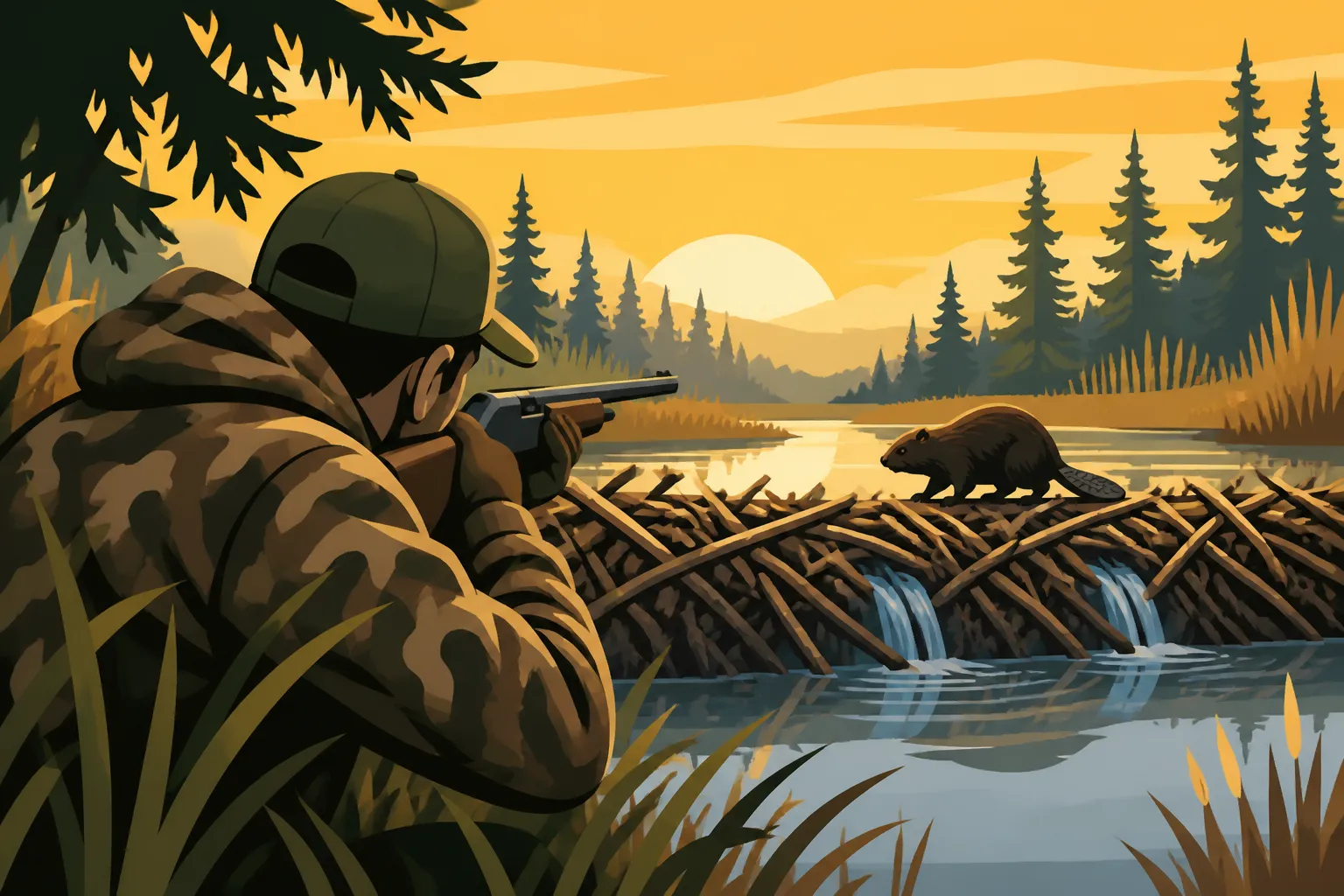
Beaver dams are much more than just piles of sticks and mud; they are engineering marvels that reshape the landscape and, critically for hunters, create predictable travel corridors for a host of wildlife. Animals, just like us, prefer the path of least resistance, and a well-maintained beaver dam offers a dry, stable route across otherwise wet or swampy terrain that they'd rather avoid.
Natural Funnels and Travel Corridors
Think about a dense swamp or a meandering creek in the boreal forest or even the treed fringes of the Parkland. Most animals aren't going to wade through deep, mucky water if they don't have to. A beaver dam provides a raised, solid pathway. This means that deer, moose, and even bears often converge on these dams when moving between bedding areas, feeding grounds, or escape cover. It’s a classic funnel point, concentrating animal movement in a way that very few other natural features can. During certain times of the year, like the early archery season when the bush is thick, or in the heart of the rut when bucks are cruising for does, these dams become high-traffic highways. You might find a single dam serving as the only viable crossing for miles, making it an undeniable hotspot for game movement. It’s not uncommon to see multiple sets of tracks — from a cautious whitetail to a lumbering moose – all using the same narrow path.
Water Sources and Habitat Edges
Beyond simply being a crossing, beaver ponds themselves create incredibly rich habitat. The flooded areas around a dam support a diverse array of plant life that many game animals feed on. Moose, for example, absolutely adore aquatic vegetation, and a beaver pond often becomes a regular cafeteria for them. Deer will use the edges of these ponds for browsing on willow and aspen, especially where the water creates an open lane, allowing sunlight to penetrate and new growth to flourish. The dam itself often forms a distinct edge between open water or marshy ground and drier timber, which is another classic setup for ambushing game. These edges are where animals feel comfortable stepping out of thick cover but still have quick access to it if spooked. Understanding how these features combine – the crossing point, the food source, and the edge habitat – gives you a much clearer picture of why these locations are so valuable to a hunter. It's a miniature ecosystem all its own, constantly drawing animals in for various reasons.
Identifying Productive Beaver Dam Crossings
Finding a beaver dam is one thing; identifying one that consistently funnels game and presents a good hunting opportunity is another entirely. This is where diligent scouting, both from afar and on the ground, becomes absolutely critical. You want to look for specific signs that tell you this isn't just a place beavers live, but a place game travels.
Utilizing Mapping Tools for Initial Scouting
Before you even step foot in the bush, modern mapping applications are your best friend. Services like GoHunt or similar provincial mapping tools can help you zoom in on potential beaver pond systems. Look for areas marked as swamps, marshes, or low-lying wet zones, especially those interspersed within larger blocks of timber or connecting two distinct habitat types, like a dense spruce stand and an aspen ridge. On these maps, beaver dams will often appear as subtle lines or constrictions where a creek or small river backs up into a pond. You’ll see the characteristic "hourglass" shape of a dam or a noticeable change in the water body's width. Pay close attention to any narrow strips of higher ground that extend through or along these wet areas, as these often indicate the path of least resistance for animals. Mark these spots on your digital map, creating waypoints for later on-the-ground investigation. This remote scouting can save you countless hours of slogging through unproductive terrain, directing you to the most promising starting points.
Reading Ground Sign Around the Dam
Once you've identified potential spots on the map, it's time to get boots on the ground. Approach beaver dams quietly and methodically, constantly looking for sign. The dam itself will be your primary focus. Look for fresh tracks of deer, moose, or other game crossing the dam. Are they deep and clear, indicating recent use? Are there multiple sets of tracks heading in both directions? This tells you it’s a regular travel route. Also, keep an eye out for rub lines along the edge of the dam or on trees leading up to it, particularly if you're hunting in the early fall. These indicate bucks are using the area and marking their territory. Scrape lines nearby, especially on higher ground leading away from the dam, are another strong indicator of buck activity during the rut. Don’t just look at the dam itself; scout the immediate approaches on both sides. Where do the game trails lead? Do they merge from several directions onto the dam? This is how you understand the funnel effect. Look for browsed vegetation, fresh droppings, and even bedding areas tucked into cover a short distance from the crossing. If you find heavy concentrations of fresh sign, you've likely found a highly productive crossing. When I'm Scouting a Manitoba Game Hunting Area, I always pay extra attention to these natural choke points.
Strategic Setup and Hunting Tactics
Once you've identified a hot beaver dam crossing, the next crucial step is to strategically set up your hunting location and employ tactics that maximize your chances of success. This involves considering everything from the prevailing wind to your method of concealment.
Choosing the Right Stand Location
Your stand placement is paramount when hunting a beaver dam. You want to be positioned to intercept animals as they approach or cross, but also remain undetected.
Wind Direction is King: This is non-negotiable. Always, always hunt with the wind in your favor, blowing your scent away from where you expect the animals to approach. Beaver dams are often in low-lying areas, and wind currents can be tricky, so use a wind checker frequently. If the wind isn't right, don't hunt that spot that day. It's better to wait for optimal conditions than to risk alerting game.
Approach and Exit Routes: Plan how you will get to and from your stand without disturbing the area. Use existing game trails if possible, but be mindful not to leave excessive scent. Ideally, your approach should be from a direction that doesn't put you in the sightline or scent cone of where game is likely to travel to the dam.
Concealment and Shooting Lanes: Look for natural cover that breaks up your silhouette, whether you're in a treestand or a ground blind. Ensure you have clear shooting lanes to the dam itself and along the most likely approach routes. Consider the sun's position throughout the day – you don’t want to be silhouetted or have the sun directly in your eyes during prime hunting hours. Sometimes, a stand placed a little further back from the dam, overlooking a trail that feeds into it, can be more effective than being right on top of the crossing, especially if the dam is very open. If you're Hunting a Manitoba Bush Edge, these same principles apply – find the edge, find the funnel.
Timing Your Hunt and Patience
Hunting a beaver dam crossing effectively often comes down to timing and patience.
Prime Time for Movement: Animals typically use these crossings most heavily during periods of low light – dawn and dusk. This is when they are moving between bedding and feeding areas. During the rut, however, deer (especially bucks) can be active at any time of day as they search for does. If you're specifically targeting rutting bucks, a full day sit near a productive dam could pay off. Check out Hunting the Rut in Early to Mid November for more insight on peak activity.
Calling and Decoys: While beaver dams are natural attractants, you can sometimes enhance your chances. Soft doe bleats or grunts can be effective for whitetails, especially during the rut. A fawn bleat can sometimes bring in a curious doe or even a protective buck. For moose, calling can be incredibly effective, particularly if the dam crosses a larger, more open swampy area. A cow call or even a bull grunt might bring a moose to investigate. Decoys are less common for beaver dam setups due to the often dense cover, but if you have an open approach, a deer decoy could be considered, especially during the rut.
Patience is Key: Just like any stand hunting, patience is crucial. Animals might not appear immediately, or they might take their time approaching the dam. Be prepared to sit for extended periods, remaining still and alert. Bring snacks, water, and appropriate gear to stay comfortable and focused, especially when Hunting Safely in Deep Winter Cold. A well-chosen beaver dam crossing can be productive throughout various seasons, from Bowhunting Manitoba's Early Season right through to Rifle Hunting Manitoba's Whitetail Rut.
Hunting Different Species at Beaver Dams
While deer are often the primary target for hunters utilizing beaver dam crossings, these natural funnels attract a variety of Manitoba's big game. Adapting your strategy for each species can significantly increase your success.
Whitetail Deer Strategies
For whitetails, beaver dams are often escape routes, quick shortcuts, or rendezvous points.
Early Season: During the early archery season, when foliage is thick, whitetails often stick to established trails. A beaver dam offers a clear, relatively open pathway through otherwise dense bush. Focus on areas where the dam connects a bedding thicket to a food source, like an agricultural field or an oak ridge. You'll likely see does and their fawns using these routes, with bucks following more cautiously. Consider setting up a ground blind discreetly tucked into the treeline on the downwind side.
The Rut: This is prime time. Bucks will use beaver dams as travel corridors while scent checking for does. A buck cruising will take the easiest path, and a dam provides just that. Look for fresh rub lines and scrapes on the approaches to the dam. During this period, rattling antlers and grunt calls can be highly effective. If you're really serious about chasing big bucks in Manitoba's bush country, understanding these specific travel patterns will be invaluable. Remember to check out resources on Rattling and Calling Parkland Whitetails for specific techniques.
Late Season: As snow deepens, deer movement becomes even more restricted, making established crossings like beaver dams even more important. They conserve energy by using cleared paths. Pay attention to winter bedding areas; if a dam connects a cedar swamp to a food source, it will be heavily used. Ensure your gear is suited for the cold if you're Hunting Whitetails at Thirty Below.
Moose and Bear Encounters
While less common than deer, moose and black bears regularly utilize beaver dam crossings, and they present unique hunting opportunities.
Moose: Moose absolutely love marshy, wet environments, and beaver ponds are practically their natural habitat. They will use dams to cross between larger bodies of water or to access different feeding grounds rich in aquatic vegetation. Look for enormous tracks and large piles of droppings. When scouting, pay attention to heavily browsed willows and young aspen. During the moose rut, a bull may use a dam to cross an open area to investigate a cow call. Placing a stand slightly off the dam but overlooking the pond edge can be effective, as moose might feed or linger near the water before crossing. For more on how to draw them in, consider looking into Calling Moose in Manitoba's Boreal Forest.
Black Bears: Bears are opportunists and will use the path of least resistance just like any other animal. They might cross a beaver dam to get from a berry patch to a dense bedding area or simply as part of their daily foraging routine. While less predictable than deer or moose, a dam that sees heavy deer or moose traffic might also see bear activity. Look for bear scat, claw marks on trees, or overturned rocks and logs on the approaches. If you're spring bear hunting, a dam could be a key travel route for bears as they emerge from dens and begin to forage. A good mapping application like GoHunt can help you identify dense bear habitat connected by these waterways.
| Species | Primary Use of Dam | Key Signs to Look For | Recommended Tactics | Optimal Season |
|---|---|---|---|---|
| Whitetail Deer | Travel, Escape, Rutting | Tracks (fresh), Rubs, Scrapes, Droppings | Treestand/Ground Blind, Scent Control, Calls (rut) | Archery, Rut, Late Season |
| Moose | Travel, Foraging, Rutting | Large Tracks, Browsed Willows, Droppings | Spot & Stalk, Calls (rut), Overlooking Pond Edge | Archery, Rifle Season |
| Black Bear | Travel, Foraging | Scat, Claw Marks, Overturned Logs | Discretionary, Scent Control, Opportunistic | Spring, Fall |
Common Mistakes to Avoid
Even with the best intentions and thorough scouting, it's easy to make mistakes when hunting beaver dam crossings. Being aware of these common pitfalls can save you from an unproductive hunt and keep you from educating the local game.
Ignoring Scent Control and Wind Direction
This is hands down the most common and often most detrimental mistake. Animals, especially whitetail deer and moose, have an incredible sense of smell. Beaver dams are often located in low-lying areas where wind currents can swirl unpredictably, making scent control even more critical. Many hunters simply check the general wind direction and assume they're good to go, only to have their scent carry into the crossing point from an unexpected eddy.
The Fix: Never compromise on scent control. Use scent-eliminating sprays, wash your hunting clothes in scent-free detergent, and store them in airtight containers. Always approach your stand from downwind, taking a circuitous route if necessary to avoid crossing prime game trails. Once in your stand, regularly check the wind with a wind checker or a pinch of milkweed fluff. If the wind shifts and starts blowing your scent towards the expected travel path, it's often best to quietly exit and try another location. It’s a tough decision sometimes, especially if you’ve invested time, but pushing the issue will likely only result in spooked animals and a ruined spot for future hunts. Learning to read the subtle changes in the wind in a specific location is part of becoming a seasoned hunter, and it’s something you continually refine, especially in varied terrain like a river valley or a boreal muskeg edge.
Over-Hunting a Productive Spot
When you find a beaver dam crossing that is absolutely hot with activity, it's incredibly tempting to hunt it every single day. While consistency is good, over-pressuring a spot can quickly make it go cold. Animals are smart; they learn quickly to avoid areas where they sense danger. If you're in there too often, leaving too much scent, or bumping deer repeatedly, they will simply find another route.
The Fix: Exercise restraint. If you find a truly great beaver dam crossing, try to treat it like a precious resource. Hunt it strategically, perhaps only during optimal wind conditions and peak activity times (like the rut). After a hunt, give the area a few days or even a week to recover before returning. This allows your scent to dissipate and for animals to regain their confidence in using the crossing. If you have multiple productive spots, rotate between them. This not only keeps your primary locations from getting burned out but also increases your overall chances of success across different areas. Remember, the goal is to harvest an animal without making the entire local population wise to your presence. Sometimes, a successful hunt isn't about how much time you spend in the woods, but how smartly you spend it.
Disclaimer
Hunting carries inherent risks, including but not limited to injury from firearms, falls, exposure to the elements, and wildlife encounters. Always prioritize safety, adhere to all provincial and federal hunting regulations, and obtain appropriate licenses and permits. This guide provides general information and recommendations, but individual hunting conditions and regulations may vary. It is the hunter's responsibility to understand and comply with all applicable laws and to hunt ethically and responsibly.