Hunting the Edge of a Peat Bog
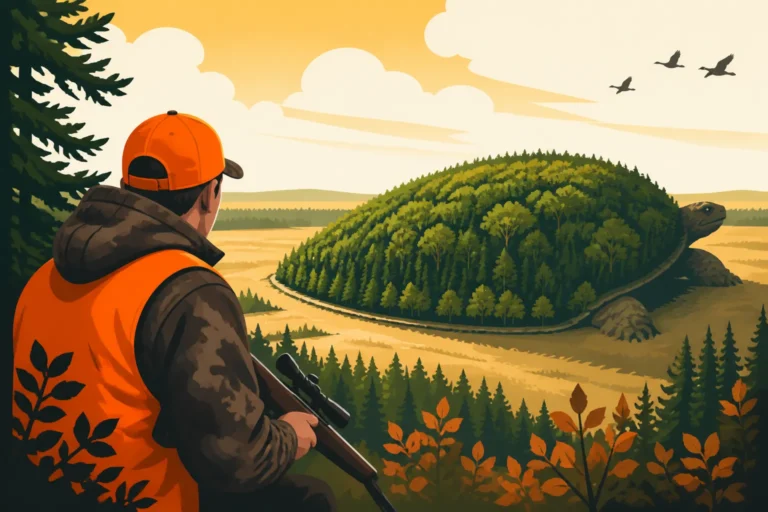
Hunting the wild, untamed edges of Manitoba's peat bogs can feel like stepping into a different world – one that's equally frustrating and rewarding for the determined hunter. Many of us have felt that sinking feeling, quite literally, trying to navigate these often deceptive landscapes, wondering if there's any game to be found amidst the muskeg and black spruce. This comprehensive guide is here to unravel the mysteries of hunting these unique ecosystems, helping you understand how to approach, scout, and successfully hunt the rich transitional zones where bog meets forest, turning those soggy frustrations into triumphant successes.
Understanding Peat Bogs in Manitoba's Landscape
Peat bogs are a quintessential part of Manitoba's diverse wilderness, especially as you move northward into the boreal forest. They're vast, often saturated wetlands characterized by the accumulation of partially decayed plant matter (peat). For the uninitiated hunter, they can seem impenetrable and devoid of life, but this couldn't be further from the truth. The edges, where the bog transitions into drier ground, are often teeming with activity, providing unique opportunities if you know what to look for.
What Makes a Peat Bog Unique for Hunters
Peat bogs are essentially giant, waterlogged sponges, and this unique hydrology shapes everything within them. They are typically acidic and nutrient-poor, supporting a specialized flora like sphagnum moss, black spruce, tamarack, and various sedges and heaths. The dense, often stunted vegetation provides incredible cover, making it difficult for hunters to see far, yet offering unparalleled security for game. Walking through them can be exhausting and noisy, with soft, uneven footing that can easily swallow a misplaced boot or even a person if you're not careful.
From a hunter's perspective, the "open" areas of a bog might seem barren, but the true magic happens where these saturated zones meet solid ground. These transitional edges offer a mosaic of habitats: the damp, dense cover of the bog itself for bedding, the richer soils of the upland for more diverse browse, and the water sources that all animals need. These edges act as natural travel corridors, funnels, and feeding grounds, concentrating game in predictable patterns if you learn to interpret the landscape.
The dense cover found within and along the edges of peat bogs also provides excellent thermal regulation, a critical factor for animals in Manitoba's harsh climate. In summer, the cool, shaded interior offers respite from heat and insects, while in winter, the thick canopy of stunted spruce and tamarack can trap snow, providing insulation and shelter from bitter winds. Understanding these microclimates and how they benefit wildlife is key to predicting where animals will be at different times of the year and under varying weather conditions.
Identifying Productive Bog Edges
Not all bog edges are created equal. Identifying those most likely to hold game requires careful scouting, both on foot and with modern tools. Look for areas where the bog gives way to a distinct change in elevation, even a subtle rise, that brings in different tree species like aspen, birch, or larger conifers. These uplands often provide better food sources – more palatable browse for deer and moose, or berries for bears – that complement the dense cover of the bog.
Game animals, particularly whitetails and moose, are creatures of efficiency. They will use the path of least resistance whenever possible. This means looking for natural pinch points, narrow strips of drier ground that jut into the bog, or subtle ridges that run parallel to its edge. These features channel animal movement, creating predictable travel routes that can be incredibly productive for stand placement or still-hunting. Satellite imagery, especially with tools like GoHunt, can be invaluable for identifying these subtle topographical changes and vegetation shifts without even stepping foot in the bush.
Furthermore, pay close attention to water sources within the larger bog system. While bogs are wet, they might contain more open water in certain areas, or small creeks and drainage channels that attract game. Beaver ponds or old beaver runs on the edge of a bog can be particularly active, as beavers create openings and provide fresh growth that moose find irresistible. These areas often draw in multiple species, offering a concentration of activity that's worth investigating thoroughly.
Strategic Approaches to Hunting Peat Bog Edges
Hunting the edge of a peat bog isn't like hunting open farmland or dense forest. It requires a different mindset, a specific set of skills, and the right gear. Success hinges on understanding how game uses these unique environments and adapting your tactics accordingly. It's about patience, stealth, and sometimes, a willingness to get a little wet and muddy.
Scouting and Access Considerations
Scouting is paramount when hunting peat bog edges. You need to identify those prime transition zones, discern game trails, and figure out the safest and quietest access routes. This often starts long before the season, utilizing satellite maps and topographic layers to pinpoint likely areas where different habitats converge. Look for fingers of higher ground extending into the bog, or distinct changes in tree cover that suggest a drier, more hospitable area for game.
Once you have a few promising spots identified on a map, it's time for boots on the ground. However, accessing these areas can be tricky. Some bog edges might be adjacent to old logging roads or cutlines, offering relatively easy entry. Others might require traversing dense bush or even carefully picking your way across slightly firmer sections of the bog itself. Always prioritize safety and mobility. Wear waterproof boots and bring trekking poles for stability. When scouting a new area, especially around bogs, pay close attention to the firmness of the ground. What looks like solid ground on a map might be a quagmire in reality.
Look for fresh sign: tracks, droppings, rubs, and beds. On the firmer ground at the bog's edge, these signs will be more visible. Pay particular attention to trails that lead into or out of the denser bog cover, especially those that appear well-used. These are likely routes for animals moving between bedding areas in the bog and feeding areas on higher ground. Tools like GoHunt can further refine your scouting, allowing you to mark specific sign locations, plan entry/exit routes to minimize disturbance, and even track your movements through tricky terrain. Remember, these areas see less pressure because they are harder to access, which often means bigger, more mature animals.
Hunting Tactics for Whitetails, Moose, and Bear
Each species interacts with a peat bog edge in its own unique way, demanding slightly different hunting tactics.
For whitetail deer, especially mature bucks, the dense cover of a bog provides an unparalleled sense of security. They will often bed deep within the bog itself, especially during the day, emerging towards evening to feed along the drier edges or in nearby agricultural fields. Your best bet for whitetails is to set up a stand or blind along these distinct travel corridors, particularly where they funnel into a pinch point between the bog and an upland forest. Early morning and late evening are prime times, as deer move to and from their bedding areas. During the rut, bucks will often cruise these edges, following doe trails or scent-checking the perimeter for estrous females. Consider using rattling or grunt calls when hunting in these transition zones, as the dense cover can make it harder for deer to pinpoint sound, drawing them in closer.
Moose are particularly fond of the aquatic vegetation and browse found in and around peat bogs. The young, regenerating growth on the edges, especially species like willows, alders, and sedges, is a crucial food source. Unlike deer, moose are less deterred by the wet ground and will often wade right into the bog to feed. When hunting moose, focus on areas with abundant browse and evidence of heavy feeding. Old logging cuts or burns adjacent to a bog can be hotspots, as they provide fresh growth while the bog offers sanctuary. Still-hunting slowly along the edge, using binoculars to scan ahead, can be effective. If you're calling moose, find a good vantage point overlooking an open stretch or a dense patch of browse and be prepared for them to approach from unexpected directions out of the thick cover. Learning how to effectively Call a Bull Moose in the Rut can make all the difference in these areas.
Black bears are opportunistic omnivores and find peat bog edges attractive for several reasons. In spring, the moist ground often yields early greens and roots, while in summer and fall, berries like blueberries and cranberries are abundant in boggy areas. Bears also use the dense cover for bedding and the water sources for cooling off. If you're Baiting Black Bear in Manitoba, placing a bait site on a firm patch of ground at the very edge of a bog can be highly effective, as bears often feel secure enough to approach from the dense cover. Otherwise, still-hunting through the timber along the edge, or setting up a ground blind overlooking a berry patch, can yield results. Always be vigilant for fresh scat, torn-up logs, or tracks indicating bear activity.
| Species | Typical Behavior at Bog Edge | Recommended Tactics | Ideal Time to Hunt |
|---|---|---|---|
| Whitetail | Bed deep in bog for security, travel edges to feed in uplands/fields, bucks cruise during rut. | Stand/blind on pinch points, funnels, major trails. Still-hunt thick cover. Use calls. | Early morning, late evening. All day during the rut. |
| Moose | Feed on browse (willows, alders) in bog and adjacent uplands, utilize water sources. | Still-hunt slowly, focus on heavy browse areas. Call from vantage points. Look for old beaver activity. | Early morning, mid-day (less pressured), late evening. |
| Black Bear | Forage for greens/roots (spring), berries (summer/fall), use dense cover for bedding. | Baiting on firm edge. Still-hunt berry patches. Ground blind overlooking food sources or travel corridors. | Morning and evening (bait). Day (foraging). |
Essential Gear and Safety for Bog Hunting
Hunting peat bog edges isn't just about strategy; it's also about having the right equipment and prioritizing safety. The unique environment poses challenges that demand preparedness. Without the correct gear, a bog hunt can quickly turn from an adventure into a miserable, even dangerous, experience.
Footwear, Clothing, and Navigation
The most critical piece of gear for bog hunting is undoubtedly your footwear. Forget your regular leather hunting boots. You need tall, 100% waterproof rubber boots, preferably with good ankle support and aggressive tread. Muck Boots, LaCrosse, or similar brands that go at least mid-calf, if not knee-high, are essential. Even with the best boots, prepare for mud and water to come over the top if you misstep. It’s not just about staying dry; it's also about traction on slippery moss and soft ground.
Your clothing should also be waterproof and layered. A good quality waterproof shell jacket and pants are non-negotiable. Even if it's not raining, the vegetation will often be soaking wet, and you'll quickly become drenched without proper protection. Layering is crucial, allowing you to adjust to the temperature fluctuations, especially when you're exerting yourself walking through tough terrain and then sitting still on a stand. Think synthetic or wool base layers that wick moisture away, insulating mid-layers, and a quiet, waterproof outer shell. When it's cold, especially during late season hunts, maintaining core temperature is paramount, as demonstrated in guides like hunting safely in deep winter cold.
Navigation is also key. While you might be hunting a smaller "edge" area, it's incredibly easy to get disoriented in the dense, monotonous bog environment. A reliable GPS unit, a smartphone with a robust mapping app like GoHunt, and a physical compass and map are all essential. Don't rely solely on one device; batteries die, and signals can be lost. Mark your entry point, your stand locations, and any significant landmarks. Knowing how to use satellite imagery effectively beforehand can help you identify unique features that stand out even in the dense cover.
Safety Concerns and Emergency Preparedness
Beyond the immediate discomfort, peat bogs present several significant safety concerns. The soft, uneven ground can lead to falls, twisted ankles, or even the terrifying experience of sinking into a deep mud hole. Always walk deliberately, testing the ground ahead with a trekking pole or your foot. Never hunt alone if possible, and always inform someone of your exact hunting location and your expected return time.
Getting lost is a real possibility. The terrain can be disorienting, with stunted trees that all look alike and limited visibility. This is where your redundant navigation tools become lifesavers. If you do get lost, stay calm, consult your map and GPS, and try to retrace your steps. If night is approaching or you're truly disoriented, it's often safer to stay put, make a small fire if conditions allow, and signal for help, rather than wandering deeper into unknown territory.
Hypothermia is another serious risk, especially in Manitoba's shoulder seasons or if you fall into water. Even on a mild day, getting wet and then sitting still can quickly lead to dangerous core temperature drops. Always carry emergency supplies: a fire-starting kit, a space blanket, extra warm layers, and high-energy snacks. Wildlife encounters are also a possibility; carrying bear spray is always a good idea in any Manitoba bush country, especially where you might surprise a bear at close quarters in dense cover. Remember, preparedness is not paranoia; it's smart hunting.
Preparing for Success and Maximizing Your Experience
Hunting a peat bog edge is an acquired taste, and it's not for every hunter. But for those willing to put in the effort, the rewards can be substantial. These often-overlooked areas can hold some of the most mature and undisturbed game animals, simply because they deter less persistent hunters. Success here often comes down to meticulous preparation, an understanding of the ecosystem, and a healthy dose of grit.
Optimal Timeframes and Weather Conditions
Timing is crucial when hunting peat bog edges. The optimal conditions often involve cooler temperatures that firm up the ground slightly, or even a light frost that can create a thin, walkable crust. Deep snow can also help, as it provides a more consistent surface and makes tracking easier, as discussed in reading sign after a fresh snow. However, too much snow can make access impossible and push animals out to higher ground.
During the early archery season, when Manitoba's archery season opens, the bog edges are often still very wet, but the relative lack of hunting pressure can make them excellent. The cooler days of October and November, leading up to and during the whitetail rut, are often ideal. The ground may be firmer, and the game activity along the edges will be heightened. For moose, cooler fall weather keeps them active, and the dense cover provides excellent daytime bedding. Avoid hunting these areas during heavy rain, as the ground becomes even more treacherous and visibility is severely reduced.
Wind is another critical factor. While it can help carry your scent away, strong winds can make spotting game difficult and obscure animal sounds. Aim for calmer days, especially if you plan to still-hunt or use calls. A gentle breeze blowing from the bog towards your stand can be ideal, carrying your scent into the unhuntable bog while bringing any emerging animals into your effective range.
Ethical Considerations and Conservation
Hunting in unique environments like peat bog edges comes with a responsibility to uphold ethical hunting practices and contribute to conservation. These delicate ecosystems are easily damaged, so tread lightly. Stick to established game trails or the firmest ground you can find to minimize your impact. Avoid disturbing sensitive vegetation more than necessary.
Always be sure of your target and what's beyond it, especially in dense cover where visibility is limited. A quick, clean kill is paramount. If you do make a kill deep in or near a bog, be prepared for a difficult extraction. It's often muddy, strenuous work, and it's your responsibility to retrieve all edible meat. Having a plan for meat care in Manitoba's cold snaps is critical, as you might spend more time on extraction than in drier areas.
Support organizations that work to conserve Manitoba's wetlands and forests. By understanding and respecting these unique habitats, we ensure they remain healthy and vibrant for future generations of hunters and wildlife alike. Report any suspicious activity or environmental damage you observe. Our access to these wild places is a privilege, and protecting them is part of the hunter's ethos.
Navigating Regulations and Permitted Access
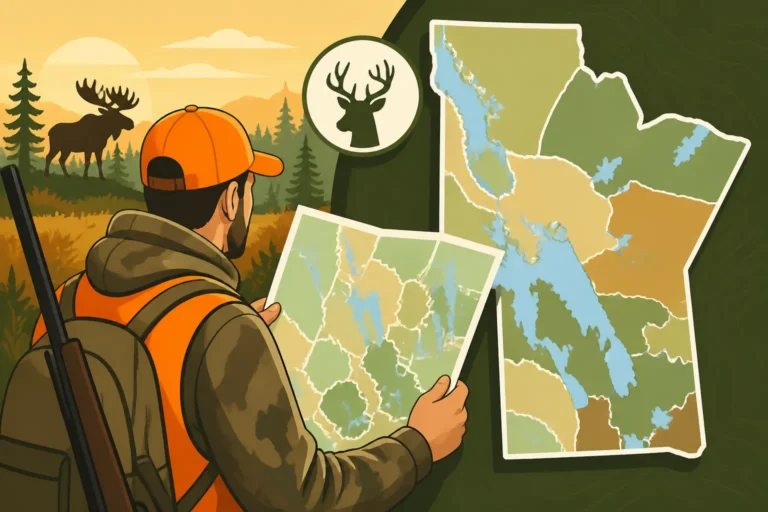
Before venturing into any peat bog country, always consult the current Manitoba Hunting Guide and verify the regulations for your specific Game Hunting Area (GHA). Some boggy areas might fall within Wildlife Management Areas (WMAs) or other protected zones with specific rules. You can find detailed maps and regulations through Manitoba’s conservation offices or online resources.
Be especially aware of land ownership. While many extensive bog systems are on Crown Land, ensuring you're not inadvertently trespassing on private property is essential. Utilize mapping apps to clearly define property boundaries. If you're hunting near a farm or private land, always obtain permission, even if you believe you're on public access points. It's a courtesy that goes a long way and helps foster positive hunter-landowner relations. Understanding Manitoba's Crown Land Access rules is foundational for planning any hunt in these vast public areas.
Lastly, be mindful of any fire bans, road closures, or other seasonal restrictions that might impact your hunt. Remote bog areas can be particularly susceptible to wildfire, and closures can be implemented quickly for safety. Always check local conditions before heading out, especially during dry periods.
Disclaimer
The information provided in this guide is for general informational purposes only and does not constitute legal advice. Hunting regulations and conditions can change rapidly. Always consult the official Manitoba Hunting Guide, relevant government websites, and local authorities for the most current and accurate information before planning any hunting trip. Hunter safety and adherence to all laws are your sole responsibility.