Knocking on Doors in Manitoba Farm Country
It's no secret that finding prime hunting ground can feel like cracking a secret code, especially when you're eyeing those promising fields and bush edges on private land across Manitoba. The thought of knocking on a stranger's door to ask for permission can be intimidating, a real hurdle for many hunters. This guide is all about demystifying that process, helping you feel more confident and prepared to approach landowners in Manitoba farm country and secure those coveted hunting opportunities.
Why the Personal Touch Still Matters Most
In an age dominated by apps and digital maps, it might seem old-fashioned to suggest knocking on doors. But in Manitoba, where relationships and trust still hold immense value, face-to-face interaction remains the gold standard for securing hunting access on private land. It’s about more than just asking; it’s about making a connection.
The Human Element in a Digital Age
While tools like satellite imagery or even apps like GoHunt can show you property lines and ownership information, they can't build rapport. A landowner isn't just granting access to a piece of ground; they're inviting you onto their home, their livelihood, and often, their personal space. They want to know who you are, what you stand for, and if you're someone they can trust. Showing up in person demonstrates respect and effort, qualities that resonate deeply in rural communities. It's an opportunity to look them in the eye, shake their hand, and convey your genuine respect for their property. This initial interaction sets the tone for any potential hunting relationship.
Accessing Unpressured Ground
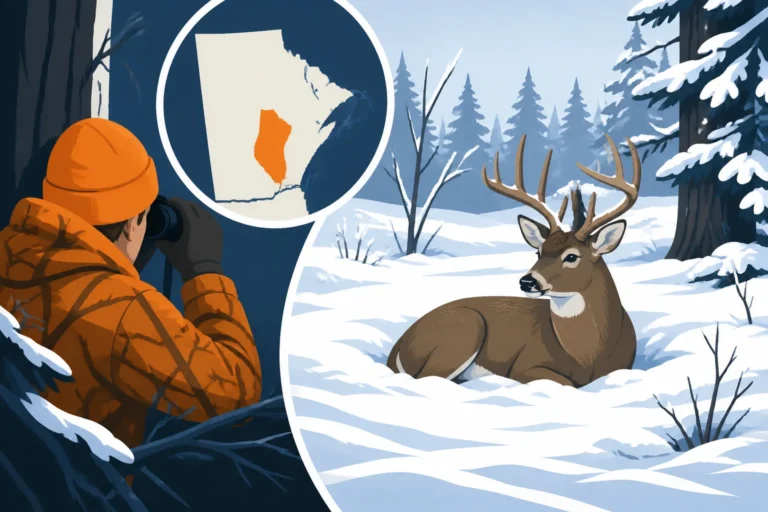
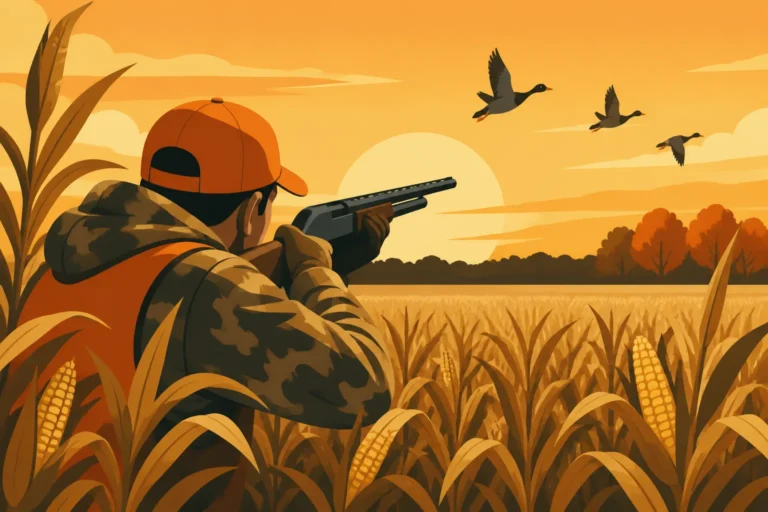
Think about it: most hunters are looking for the easiest way in. They'll scour public lands, or rely on established connections. By taking the time and effort to knock on doors, you're tapping into a pool of land that often sees less hunting pressure. Many landowners, especially those who aren't avid hunters themselves, might be receptive to the idea, particularly if they have wildlife causing crop damage or simply appreciate the idea of their land being put to good use by a responsible individual. This can lead to incredible opportunities for Hunting Whitetails on Manitoba Farmland or even Getting Permission for a Goose Field on ground that hasn't been over-hunted. You might even find yourself hunting a section of standing corn or a swathed grain field at dusk that other hunters simply drive past, assuming it's inaccessible.
Overcoming Common Misconceptions
Some hunters shy away from door-knocking because they assume all landowners will say no, or that it's an imposition. The reality is far more nuanced. While you will undoubtedly encounter "no's" – and that's perfectly normal – you'll also find landowners who are genuinely pleased to be asked. They might appreciate help managing deer populations, or simply enjoy seeing ethical hunters utilize their land. Your approach can make all the difference. Many landowners are simply looking for reassurance that you're safe, respectful, and won't cause any issues. Addressing these concerns proactively, even before they voice them, can turn a hesitant "maybe" into a definitive "yes." Remember, they're often dealing with issues like unauthorized trespassing, so a polite, direct request stands out.
Preparing for Your Door-Knocking Mission
Success in door-knocking starts long before you ever pull into a farmyard. It's about meticulous preparation, research, and presenting yourself in the best possible light. Treat it like a job interview for access to a prime hunting spot.
Scouting from a Distance
Before you even consider driving down a rural road, do your homework. Use online mapping tools, government land atlases, and satellite imagery to identify promising areas. Look for natural funnels, bush pockets, sloughs, or field edges that might hold game. Scouting With Satellite Imagery in Manitoba can reveal potential bedding areas, travel corridors, and feeding locations, helping you pinpoint parcels of interest. Identify the exact property lines and, if possible, the landowner's name. This shows you’ve done your due diligence and aren't just randomly pulling into driveways. Understanding the landscape remotely helps you articulate why you're interested in their specific piece of land.
What to Bring and What to Wear
Your appearance and what you carry speak volumes. Dress presentably but practically – clean hunting clothes (no camo patterns, just practical outdoor wear), or even business casual is often appropriate. Avoid anything that might suggest you're about to jump out and start hunting right then and there.
Here's a list of essentials to have on hand:
- A Detailed Map: A physical map or a digital map on a tablet showing the property boundaries you're interested in. Mark potential hunting spots you've identified through scouting.
- Identification: Your driver's license and your valid Manitoba hunting licence. This demonstrates you're a legal and responsible hunter.
- Hunter Education Proof: Proof of your Manitoba Hunter Education Requirements can further solidify your credentials.
- Permission Slips: Have a pre-printed form ready that outlines the terms of access, liability, and contact information for both parties. This shows professionalism and addresses potential concerns for the landowner regarding Manitoba Landowner Permission Law.
- Small Token of Appreciation (Optional but Recommended): A gift card for a local coffee shop, a box of chocolates, or even a handwritten thank you card for their time, regardless of the outcome. This is a small gesture that can leave a lasting positive impression.
- Pen and Notepad: To take notes, write down names, and record contact information.
It’s about being prepared for any question they might have and showing you've thought through the implications of your request.
Timing Your Approach
Timing is everything. You wouldn't want someone knocking on your door during dinner, right? The same applies to farmers. Avoid busy times like planting in spring, harvest season in late summer/fall, or early mornings when chores are in full swing. Mid-morning or late afternoon on a weekday or weekend can often be best, but always be prepared to be flexible. If you see them actively working in a field, don't interrupt; try again later or politely wave if they happen to come in.
Table: Best & Worst Times to Ask for Hunting Permission
| Time of Day/Season | Best Practice | Rationale |
|---|---|---|
| Early Morning | Avoid | Farmers are busy with chores, livestock, field work. |
| Mid-Morning (9-11 AM) | Good | Chores might be done, before lunch. |
| Lunch Hour (12-1 PM) | Avoid | Family time, potential inconvenience. |
| Early Afternoon (1-3 PM) | Good | Often a quieter period before evening work. |
| Late Afternoon/Evening (4 PM onwards) | Use Caution | Depending on the season, field work might be ongoing, or families are starting dinner. Gauge the situation. |
| Harvest Season (Fall) | Avoid if possible | Farmers are extremely busy and stressed during harvest. |
| Planting Season (Spring) | Avoid if possible | Similar to harvest, high-stress and busy period. |
| Winter | Good | Fewer pressing farm duties, more time to chat. |
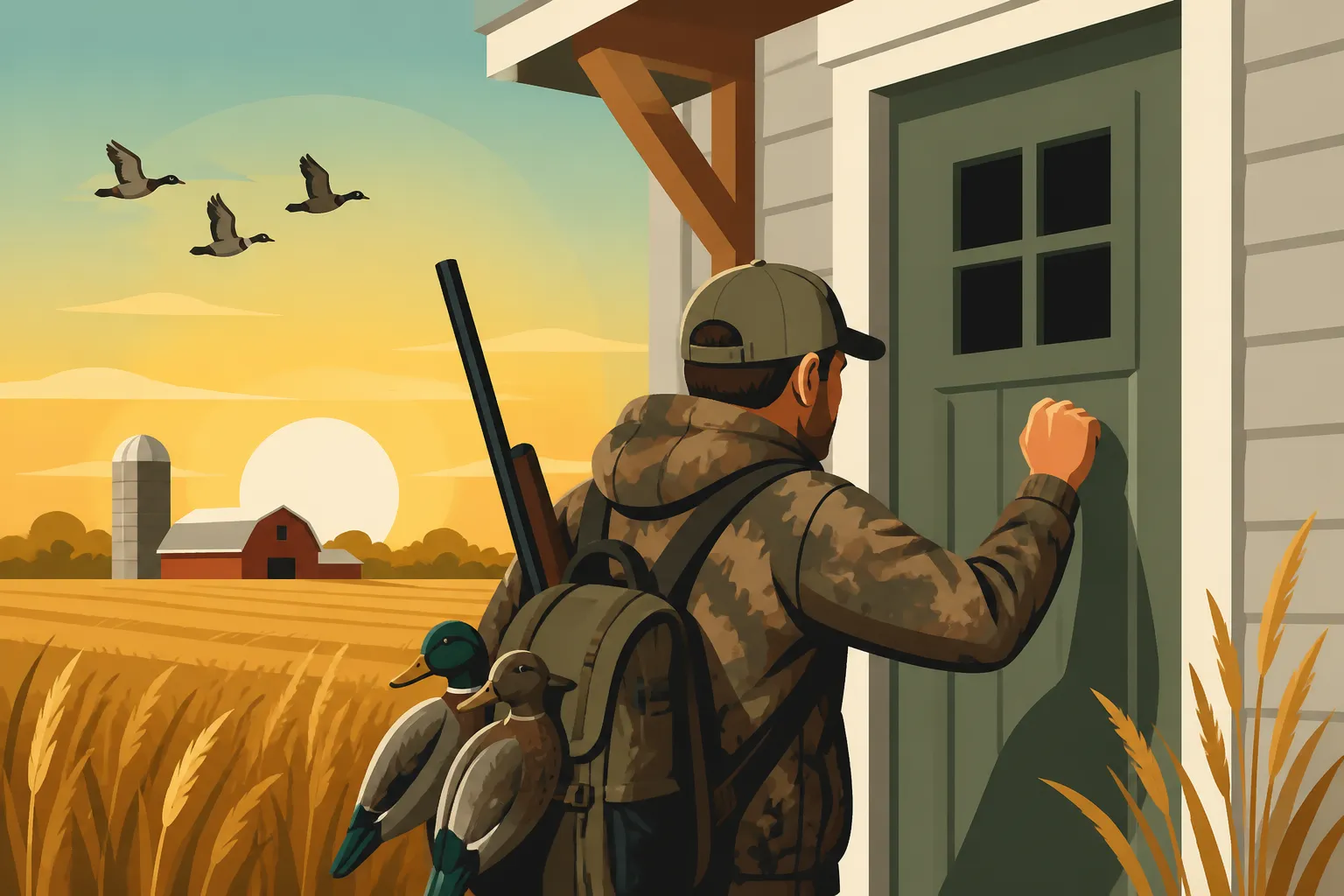
If you spot someone outside, approach them in a non-threatening manner. If they're in the house, a polite knock on the door is fine. Be ready to politely introduce yourself and explain why you're there.
The Art of the Ask: What to Say and How to Present Yourself
This is the moment of truth. How you articulate your request can make or break your chances of getting permission. Be clear, concise, and most importantly, respectful.
First Impressions Matter
When the door opens, or you approach them in the yard, a warm smile and a clear, confident greeting are essential. "Hello, my name is [Your Name]. I apologize for interrupting, but I was wondering if I could speak with you for a moment about hunting on your land." This opening is polite, acknowledges their time, and states your intent without being overly demanding. Immediately follow up with a brief, genuine explanation of your interest. Maybe you've noticed a particular game trail or a nice bluff between two fields that looks promising.
Crafting Your Polite Request
Be specific about what you're asking for. Do you want to hunt deer, geese, or something else? Do you prefer archery, rifle, or muzzleloader? Are you looking for access for a single day, a specific season, or potentially long-term? "I'm interested in bowhunting for whitetail deer during the early season, specifically in the bush line along your north field." This kind of specificity shows you've thought about it and aren't just looking to roam freely.
Key points to cover:
- Respect for property: Emphasize that you will always respect their land, close gates, avoid driving on wet fields, and leave no trace.
- Safety: Highlight your commitment to safety, adherence to all hunting regulations, and awareness of any livestock or farm operations. Mention your Manitoba Hunter Education Requirements again.
- Communication: Offer to share your contact information and ask if they have any specific rules or areas they'd prefer you avoid.
- Reciprocity (if applicable): While not always necessary, if they mention issues with pests like coyotes or deer, you might offer to help with population control. Farmers often appreciate hunters who can help with nuisance animals, especially if they are experiencing crop damage.
- Offer to show them: Offer to walk the boundaries with them or show them on a map the specific areas you're interested in. This transparency can build significant trust.
Remember to listen more than you speak. Let them voice any concerns they might have, and respond thoughtfully and honestly. Avoid making grand promises you can't keep.
Handling a "No" Gracefully
Not every door will open, and not every landowner will grant permission. A "no" is not a personal rejection; it's simply a "no" for that specific piece of land, at that specific time. "I completely understand. Thank you so much for your time anyway. I really appreciate it." Always be gracious. Never argue, complain, or press the issue. A positive attitude, even in rejection, leaves a far better impression than sour grapes. You never know when circumstances might change, or if that landowner might speak highly of your respectful approach to a neighbor who is looking for a hunter. Leave them with a small thank you card or token if you feel it's appropriate.
Building Lasting Relationships and Showing Appreciation
Getting permission is just the first step. Maintaining that relationship is crucial for continued access and for upholding the positive image of hunters in general. This isn't just a one-time transaction; it's a partnership.
Follow-Up Etiquette
If you receive permission, send a thank you note or a quick text message shortly after your visit. Before you go hunting, let them know when you plan to be on their property. "Just wanted to let you know I'll be heading out to the north bush for a few hours Saturday morning. I'll let you know if I see anything!" This simple courtesy keeps them informed and reinforces your commitment to communication. After your hunt, especially if you harvest an animal, a follow-up visit or message is essential. Offering a small portion of meat is a classic gesture of appreciation, or at the very least, sharing a photo of your harvest.
Respecting Boundaries All Season Long
Your word is your bond. If you said you'd only hunt in a certain area, stick to it. If they asked you to park in a specific spot, don't deviate. Be mindful of livestock, fences, and farm equipment. Drive slowly on their access roads. Pack out everything you pack in, including spent shell casings. Don't assume anything beyond the specific permission you were granted. If you want to bring a friend, or try a different species, always ask for permission first. The Manitoba government's Manitoba's Game Hunting Areas guide and local regulations will always apply, but landowner rules take precedence on their property.
Leaving the Land Better Than You Found It
This is the golden rule. Take out any trash you find, even if it's not yours. If you come across a broken fence, notify the landowner or, if it's minor and you're able, fix it. Offer a helping hand if you see them working, even if it's just for a few minutes. Maybe they need help gathering some stray cattle, or moving some equipment. These small gestures demonstrate your value as a respectful user of their land. Your actions throughout the season will determine if you're invited back, not just to Knocking on Doors in Manitoba Farm Country again, but for many seasons to come.
Disclaimer
The information provided in this guide is for general informational purposes only and does not constitute legal advice. Hunters are responsible for understanding and adhering to all current Manitoba hunting regulations, provincial laws, and federal guidelines. Always consult the official Manitoba hunting guide and relevant government resources for the most up-to-date and accurate information. Landowner permission is paramount, and hunters must always secure explicit permission before accessing private property.