Checking Which Manitoba GHAs Are Closed
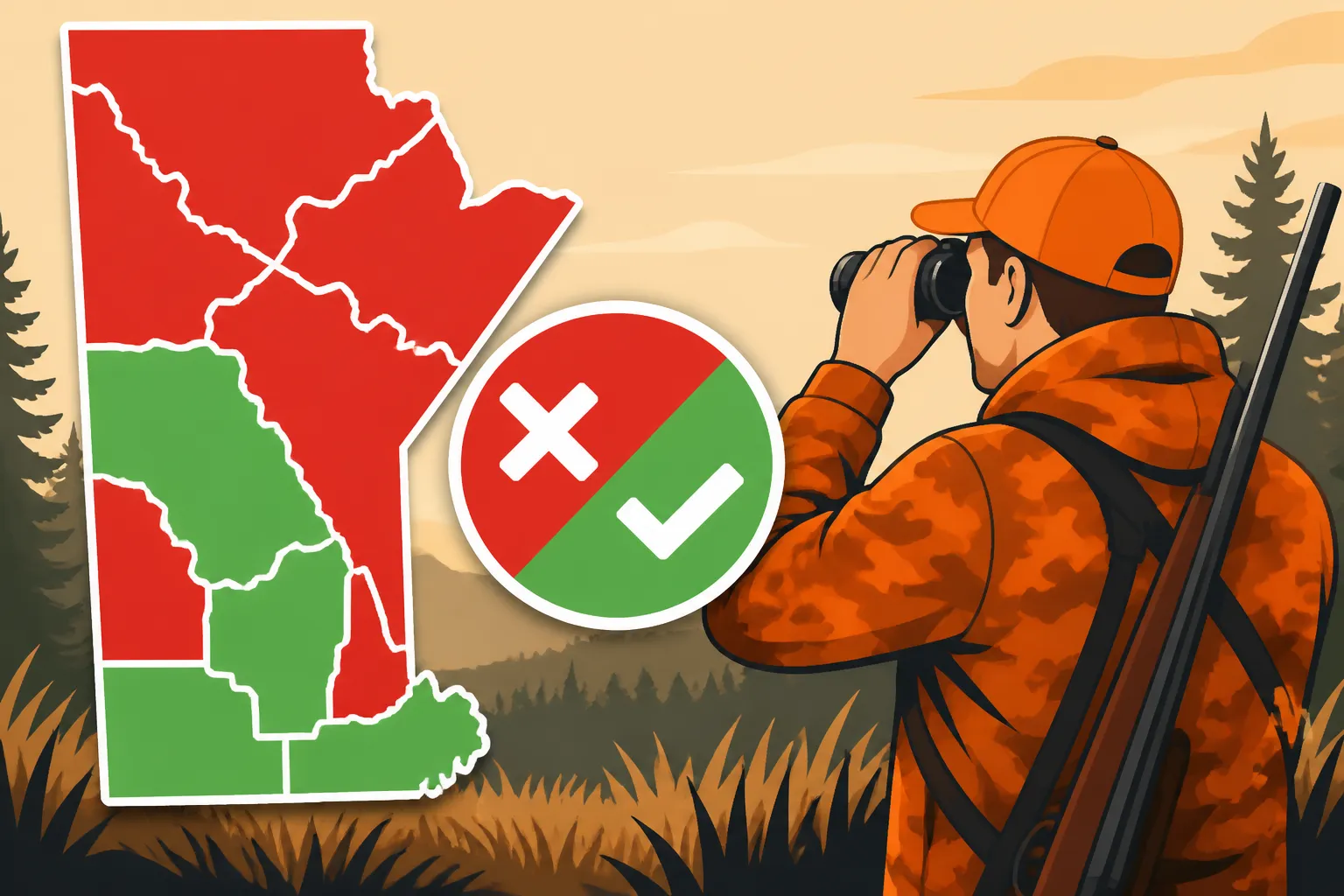
It's incredibly frustrating, isn't it? You spend hours planning your hunt, scouting potential spots, maybe even burning some precious vacation days, only to arrive and find out the Game Hunting Area (GHA) you planned on is suddenly closed, or worse, has restrictions you weren't aware of. Manitoba's regulations can feel like a moving target sometimes, and nobody wants to be on the wrong side of the law, let alone waste a good hunting trip. This guide is here to cut through the confusion and show you exactly how to reliably check which Manitoba GHAs are closed, ensuring your next adventure is both lawful and successful.
The Ever-Changing Landscape of GHA Closures
Navigating the rules and regulations for hunting in Manitoba can often feel like you need a crystal ball. Just when you think you’ve got a handle on things, something shifts. GHAs don't just close for a whim; there are often very specific, and sometimes critical, reasons behind these decisions. Understanding why these closures happen can help you predict potential issues and approach your planning with a more informed mindset.
Why GHAs Close and What It Means for Hunters
Game Hunting Areas in Manitoba can become fully or partially closed, or have restrictions implemented, for a variety of significant reasons. High on that list is conservation. We've seen it firsthand with species like moose, where declining populations in certain regions have led to crucial Manitoba's Moose Conservation Closures. These aren't put in place to punish hunters, but rather to give populations a chance to rebound and ensure healthy ecosystems for future generations. For example, specific zones within the Interlake and Duck Mountain regions have faced restrictions or closures for moose hunting for quite a while now, directly impacting where and how we can pursue them.
Another major factor is disease management, particularly with the ongoing concern of Chronic Wasting Disease (CWD). When CWD is detected in a new area, specific GHAs might be designated as CWD surveillance zones, leading to mandatory Manitoba's CWD Sampling Requirements or even temporary closures to control the potential spread. It’s a serious issue that demands careful management, and hunters play a vital role in monitoring it. Beyond wildlife health, sometimes closures are simply due to environmental factors like devastating wildfires or severe flooding. These emergencies can make access impossible or dangerous, or they can significantly impact wildlife habitat, necessitating temporary shutdowns for public safety and ecological recovery. It's not always straightforward, and it can feel like you need a detective's badge just to figure out where you can legally hunt, but being aware of these underlying causes can certainly help.
Specific Examples of Recent or Ongoing Closures
Let's get real about some of the situations hunters have faced. One of the most prominent examples of ongoing closures affects moose hunting. As mentioned, the provincial government has enacted significant restrictions and full closures in areas like the Duck Mountain Provincial Forest and parts of the Interlake region, specifically impacting certain GHAs. These measures are a direct response to worrying declines in moose populations. If you're planning a moose hunt, knowing Which GHAs Are Closed to Moose is absolutely critical. It’s not just about a species being closed entirely, either; sometimes the season is drastically shortened, or only specific weapons (like archery) are permitted. Hunters who traditionally hunted in areas such as the Duck Mountain faced the reality that Why the Duck Mountain Moose Season Closed was a difficult but necessary step for conservation.
Beyond species-specific issues, external factors can also lead to closures. Imagine you’re geared up for a fall hunt, only to have a massive wildfire break out in your intended GHA. Manitoba is no stranger to wildfires, especially in our forested regions. While thankfully not an annual occurrence in every spot, these can lead to immediate, dynamic closures for safety reasons. Knowing how to stay informed, perhaps by Reading Manitoba Wildfire Closure Maps, becomes part of your pre-hunt routine. These types of closures are often short-notice and can change day by day, which means your planning needs to be flexible and your information sources current.
Your Primary Resources for GHA Status
When it comes to something as important as knowing where you can legally hunt, relying on hearsay or outdated information simply isn't an option. Thankfully, Manitoba provides several official and highly reliable resources designed to keep hunters in the loop. The trick is knowing which ones to trust and how to use them effectively.
The Official Manitoba Hunting Guide and Government Websites
The absolute gold standard for GHA information, and really all Manitoba hunting regulations, is the annual Manitoba Hunting Guide. Published by Manitoba Natural Resources and Northern Development, this guide is your Bible. Every year, before you even think about buying a license, you should be diligently reading through it. You can pick up a physical copy at most license vendors or government offices, but it's also readily available online, which is often more convenient for reference. This guide lays out everything: Manitoba Big Game Season Dates, species-specific rules, legal methods of take, and, crucially, specific GHA regulations, including any closures or restrictions. When you look up Manitoba Whitetail Season Dates by GHA, you'll also see explicit notes about any areas that are off-limits or have special conditions.
However, even the annual guide has its limits. It’s printed well in advance of the seasons, meaning unexpected, in-season changes—like those due to sudden wildfires or emerging disease concerns—won't be reflected. For the most current, real-time updates, you must check the official Manitoba government's hunting and fishing regulations website. This is where you'll find urgent notices, emergency orders, and amendments to the regulations that happen after the guide goes to print. It’s a good habit to check this site just before you head out for a hunt, especially if your trip involves a longer drive or multiple days in the field. Think of the guide as your primary textbook and the website as your daily news update. For a deep dive into the regulations, you'll want to review Where to Read the Manitoba Hunting Guide for more details.
Online Mapping Tools and Hunter Forums
While the official government resources are non-negotiable, supplemental tools and community discussions can also play a role in your planning, provided you approach them with a healthy dose of skepticism and always verify. Many hunters swear by online mapping applications that can overlay GHA boundaries and other crucial land information. Platforms like GoHunt, for instance, offer detailed maps that can help you visualize Reading a Manitoba GHA Map Before You Go and understand How Manitoba GHA Numbers Work in relation to specific parcels of land. Some of these apps might even integrate publicly available closure information, giving you a quick visual reference.
However, a word of caution: while these tools are fantastic for planning routes, identifying access points, or pinpointing property lines, they are not always updated instantly with dynamic government closures. An app like GoHunt might show the general GHA boundaries, but a sudden emergency closure due to a wildfire or an unforeseen CWD detection might not be reflected immediately. It’s crucial to use these tools as aids, not as your sole source of regulatory truth. Always, always cross-reference any information you gather from third-party apps with the official Manitoba government sources. Similarly, hunter forums and social media groups can be great places to hear about local conditions, access issues, or even discussions around known closures. But these are informal platforms; while they can offer valuable insights and shared experiences, never take information from them as gospel without official verification. They are best for confirming what you already suspect or finding out what others are seeing in the field, not for understanding the legal nuances of Manitoba's Game Hunting Areas.
Best Practices for Staying Informed and Hunting Legally
In the world of hunting, ignorance of the law is never an excuse. It's our personal responsibility to ensure we're hunting ethically, safely, and legally. This means adopting a proactive approach to understanding GHA statuses and all relevant regulations.
The Habit of Double-Checking Before You Go
Honestly, the best habit any Manitoba hunter can develop is the regular practice of double-checking regulations. It’s not enough to read the hunting guide once at the beginning of the season. Seasons are long, and things can change. Imagine driving three hours to your favorite deer spot, only to find out that a small section of the GHA you're targeting has been designated as a CWD sampling zone with specific rules you missed. Or perhaps a temporary restriction on certain hunting methods was put in place. It sounds like a headache, but a quick visit to the provincial hunting regulations website a few days before your trip can save you a world of trouble and potential fines.
If you find yourself in a grey area or have very specific, localized questions that the official online resources aren't answering, don’t hesitate to reach out. Your local conservation officers (COs) are a fantastic resource. While they are busy, they are also there to help hunters understand and abide by the rules. Getting clarity directly from them is always a smart move. Remember, your diligence ensures you're upholding the integrity of the hunt and showing respect for our wildlife management efforts. For detailed seasonal information, always consult official provincial sources on dates like Manitoba Big Game Season Dates.
Understanding Different Types of Closures
It's really important to grasp that not all "closures" are the same. A GHA might not be entirely closed, but specific conditions could apply, which are just as critical to understand.
- Full GHA Closures: These are the most straightforward – the entire Game Hunting Area is off-limits to specific hunting activities or altogether. We've seen this with some of the Where Moose Hunting Is Closed Entirely zones in Manitoba due to severe population declines. If a GHA is fully closed for a species you're pursuing, it's a no-go.
- Species-Specific Closures: Here, the GHA itself might be open, but hunting for a particular species within it is prohibited. For example, a GHA might be open for whitetail deer but closed to moose. Always confirm the species you intend to hunt.
- Method-Specific Restrictions: Some GHAs might have unique rules about the methods of hunting allowed. This could mean a GHA is open for archery season but closed to rifle hunting, or vice-versa. Understanding Manitoba Muzzleloader Rules and Seasons or even specific legal firearms and bows for big game in certain areas is part of this.
- Time-Specific or Emergency Closures: These are often the ones that catch hunters off guard. They could be temporary closures due to extreme weather (like severe drought increasing fire risk) or public safety concerns. This is where those last-minute checks of the government website truly shine. Also, specific rules govern activities like Manitoba's Night Hunting Rules, which dictate when and where certain activities are permitted, adding another layer of time-specific regulation.
To help you keep track, here's a quick overview of different types of GHA closures:
| Type of Closure | Description | Example | Hunter's Action Required |
|---|---|---|---|
| Full GHA Closure | Entire GHA is closed to all hunting for a specified period. | GHA X closed entirely for the current hunting season. | Do not enter GHA X for hunting. |
| Species-Specific | GHA is open, but a particular species cannot be hunted. | GHA Y open for deer, but moose hunting is prohibited. | Ensure you are only targeting legal species within GHA Y. |
| Method-Specific | GHA is open, but only certain hunting methods are allowed. | GHA Z open for archery hunting only, no rifles. | Confirm your hunting method is permitted in GHA Z. |
| Time-Specific/Seasonal | GHA is open, but only during specific dates, or at certain times of day. | Waterfowl hunting permitted only during daylight hours in GHA W. | Adhere strictly to opening and closing dates/times for GHA W. |
| Emergency/Temporary | Short-notice closure due to unforeseen events (e.g., wildfire, CWD outbreak). | GHA P temporarily closed due to active wildfire until further notice. | Check official government updates immediately before your hunt. |
By being aware of these different nuances, you'll be much better equipped to interpret regulations and ensure you're hunting legally and responsibly every time you head out into Manitoba’s beautiful wilderness.
Disclaimer
The information provided in this article is for general guidance and informational purposes only, and does not constitute legal advice. Hunting regulations in Manitoba can change, and it is the individual hunter's responsibility to consult the most current official Manitoba Hunting Guide and government websites for all applicable laws, regulations, and GHA statuses before engaging in any hunting activities.