Why Manitoba Bucks Grow Heavy Bodies
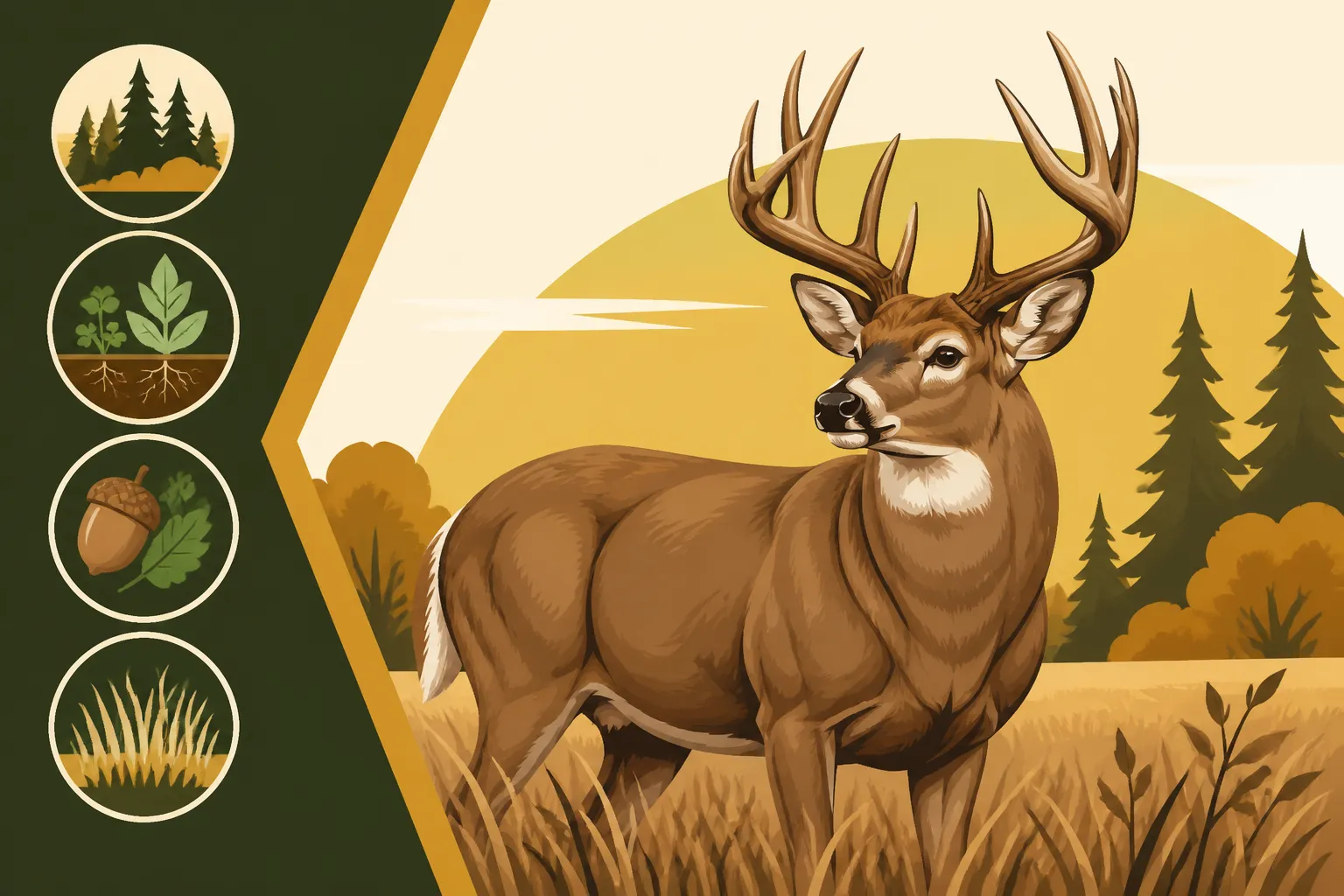
It's a common observation, whether you're a seasoned hunter or just an outdoor enthusiast, that the whitetail bucks roaming Manitoba's diverse landscapes often appear exceptionally large-bodied. This isn't just an illusion; our province is renowned for producing some truly massive deer. If you've ever found yourself asking why Manitoba bucks grow heavy bodies, you're in the right place. This guide will explore the unique environmental, genetic, and habitat factors that contribute to these impressive animals.
The Environmental Advantages of Manitoba Whitetails
Manitoba's geographical position and unique blend of ecosystems provide an almost ideal environment for whitetail deer to thrive, not just in numbers but in physical stature. The confluence of rich agricultural lands, extensive cover, and a challenging climate all play a significant role in fostering these large animals.
Rich Agricultural Landscapes and Diverse Forage
One of the primary drivers behind Manitoba bucks growing such heavy bodies is the sheer abundance and quality of food available. Our province is an agricultural powerhouse, particularly in the southern and central regions. Vast fields of crops like canola, soybeans, corn, and various grains aren't just for human consumption or livestock; they are a literal buffet for deer. These agricultural fields offer a readily available, high-calorie, and protein-rich diet that allows deer to quickly pack on weight.
Imagine a young buck growing up with access to hundreds of acres of lush alfalfa in the spring, followed by protein-packed soybeans in the summer, and then carbohydrate-rich corn and cereal grains right into the fall. This consistent, nutrient-dense diet fuels rapid growth and helps them build significant fat reserves. Compare this to deer in heavily forested regions with less diverse or poorer quality forage, and you start to see why Manitoba deer have an edge. Hunters often focus their efforts on finding Hunting a Standing Canola Field Edge or Hunting a Swathed Grain Field at Dusk precisely because these areas offer such critical nutrition. Beyond cultivated fields, the natural vegetation in Manitoba's parkland and bush country, including aspen, willow, and various forbs, complements the agricultural bounty, providing essential vitamins and minerals throughout the year.
Harsh Winters and the Need for Robustness
While abundant food sources contribute significantly to growth, Manitoba's famously harsh winters act as a powerful natural selection mechanism. Only the strongest, healthiest, and most robust deer are typically able to endure the deep cold and heavy snow that can blanket the province for months. A deer needs substantial body mass and fat reserves to generate enough heat and survive periods of limited forage access.
This environmental pressure means that generations of Manitoba deer have been naturally selected for traits that promote survival in extreme conditions – namely, a larger body size and efficient metabolism. Smaller, weaker individuals are less likely to make it through a severe winter, particularly younger deer or those not in peak condition. This ensures that the genetic pool is continually refined, favouring animals with the inherent capacity to grow larger bodies. Hunters who understand How Deep Snow Moves Deer Into Cover know that these challenges force deer to adapt, consolidating into sheltered areas where their large bodies can better withstand the elements. This relentless weeding out of the less robust leads to a population dominated by deer that are, quite simply, built tough. You might even find yourself Hunting Whitetails at Thirty Below and truly appreciate the resilience required to thrive here.
Genetics and Herd Dynamics
Beyond the environmental factors, the genetic makeup of Manitoba's deer herds, combined with effective management strategies, plays a critical role in developing heavy-bodied bucks. It’s a fascinating interplay between nature's blueprint and human influence.
Natural Selection for Size
As mentioned, Manitoba's climate is a stern teacher, and natural selection here strongly favors larger, more robust animals. This isn't just about surviving winter; it's also about competitive advantage. Larger bucks generally have an easier time dominating breeding opportunities during the rut, leading to their genes being passed on more frequently. This continuous cycle of natural selection over many generations has effectively "bred" larger body sizes into Manitoba's whitetail population.
The deer found here are a testament to adaptation. While deer everywhere adapt to their local conditions, the specific blend of food abundance and severe winters in Manitoba creates a unique evolutionary pressure. It's a key reason Why Northern Bucks Carry More Body Mass compared to deer from more temperate climates. Bucks need to be able to put on significant weight in the fall to survive the winter, and those that are genetically predisposed to do so are the ones that pass on their traits. This explains why hunters often report seeing such impressive deer when Whitetail Hunting in Manitoba, particularly in regions known for their agricultural productivity and challenging weather.
Age Structure and Management
While genetics lay the foundation, the age structure of the deer herd significantly influences how many bucks reach their full growth potential. If too many young bucks are harvested before they can mature, fewer truly heavy-bodied deer will exist in the population. In Manitoba, responsible hunting practices and management strategies contribute to a healthy age structure, allowing bucks to age and fully develop.
Manitoba has various hunting seasons, including archer, rifle, and muzzleloader, which, when combined with draw systems in certain areas, help manage harvest rates. For instance, understanding Manitoba Rifle Deer Opening Day and subsequent season dates can give insight into harvest pressure. Allowing bucks to survive for multiple seasons means they have more time to fully develop their skeletal structure and muscle mass. A buck typically doesn't reach its peak body weight until 4.5 to 6.5 years old, sometimes even older. If a large proportion of bucks are harvested at 1.5 or 2.5 years old, they never get the chance to become truly heavy-bodied. Strategic management, coupled with hunters often voluntarily passing on younger deer, creates a scenario where more bucks can reach these older age classes, resulting in those massive, heavy-bodied specimens we admire. This is Why Bush Country Bucks Live Longer – reduced hunting pressure and denser cover allow more deer to reach maturity.
Nutritional Superiority and Habitat Quality
Beyond the overarching environmental and genetic factors, the specific details of what Manitoba deer consume and where they live are crucial to understanding their impressive size. Quality nutrition and secure habitat are the cornerstones of physical development.
Protein-Rich Crops and Natural Vegetation
The diet of a Manitoba whitetail is nothing short of exceptional. During the spring and summer, growing crops like alfalfa, clover, peas, and young corn provide incredibly high protein levels, essential for muscle and bone development. As the season progresses into fall, mature corn and cereal grains offer a concentrated source of carbohydrates, perfect for building critical fat reserves needed for winter survival. This nutritional cycle is a perfect storm for growth.
Consider the immense energy a buck expends during the rut in November. To recover from this demanding period and prepare for winter, they need a significant caloric intake. The standing and swathed fields across Manitoba’s agricultural belt deliver this in spades. Even within the more forested zones, the adjacent farmland often acts as a supplementary feeding ground. Natural vegetation, such as browse from aspen and willow, various berries, and forbs, further enriches their diet with essential micronutrients. This combination ensures that deer have access to a complete and superior nutritional profile year-round, which directly translates into larger body mass. Even in the thickest bush, knowing Reading Whitetail Sign in Manitoba Aspen can lead you to critical feeding areas. GoHunt mapping technology can often highlight these prime agricultural and natural forage areas, making it easier for hunters to pinpoint high-quality deer habitat.
Ample Cover and Reduced Stress
A deer's ability to grow a heavy body isn't solely about food intake; it's also heavily influenced by its overall health and stress levels. Manitoba offers extensive habitat that provides ample cover, allowing deer to conserve energy and reduce stress from predation and human disturbance. From dense bush country to expansive slough rings and shelterbelts, deer have numerous places to bed down, hide, and move securely.
Think about a whitetail in a wide-open prairie environment versus one in Manitoba's mixed bush and agricultural landscape. The deer with abundant cover can move more freely, spend less energy evading predators, and find secure bedding areas to digest their food and rest. This reduced stress means that more of their energy can be directed towards growth and maintaining health, rather than constantly being on high alert or having to flee. Areas like the Hunting Manitoba's Parkland Region or Hunting the Interlake Between the Lakes are famous for combining excellent cover with rich food sources, creating ideal conditions for large deer. Knowing How Slough Country Concentrates Manitoba Game also highlights the importance of these varied habitat features. The dense cover also plays a critical role in protecting deer from the harsh winter winds, further contributing to energy conservation.
Understanding the "Big Body" Phenomenon
The collective impact of these factors creates the "big body" phenomenon unique to Manitoba. It's not just about aesthetics; it's a testament to adaptation, survival, and a rich ecosystem.
Fat Reserves and Winter Survival
For a Manitoba whitetail, a "heavy body" isn't just muscle and bone; it's also a significant amount of fat. These fat reserves are absolutely crucial for surviving the prolonged and often brutal Manitoba winters. A buck that enters winter with a well-developed layer of fat has a far higher chance of making it through to spring, even if food becomes scarce or temperatures plummet.
These fat stores provide insulation and, more importantly, a sustained energy source when the deer's metabolic rate needs to increase to combat the cold. Bucks typically lose a significant amount of weight during the rut due to intense activity and reduced feeding. The ability to quickly regain and then exceed that weight in the late fall is directly linked to the quality and abundance of forage. This is why a buck can appear almost gaunt in late November but incredibly robust just a month prior. The sheer volume of high-energy food available in Manitoba allows them to build these life-saving reserves. Knowing What Whitetails Eat Through a Hard Winter further illustrates this need for pre-winter preparation.
Antler Growth Versus Body Growth
It's a common misconception that huge antlers always mean a huge body, and vice versa. While generally a healthy, mature deer will have both, antler growth and body growth compete for resources, especially in younger deer. In Manitoba, the superior nutrition and opportunity to age often allow bucks to excel in both departments.
During their younger years (1.5 to 3.5 years old), a buck's body is still primarily focused on skeletal and muscular development. Most of its nutritional intake goes towards increasing its physical size. Once a buck reaches physical maturity, usually around 4.5 to 5.5 years old, more of its energy and nutrients can be diverted towards antler growth. The fact that Manitoba's deer have such a strong nutritional base means they often reach their peak body size efficiently, and then have surplus resources for impressive antler development in subsequent years. This is why Why Manitoba Bucks Grow Heavy Bodies often correlates with impressive racks, but not always in the youngest age classes. Using advanced tools like GoHunt helps hunters not only understand deer movement but also identify key areas where mature deer might be found, increasing the chances of encountering these truly grand animals that have had the chance to develop both their bodies and antlers fully. This dynamic highlights the long-term benefit of a high-quality habitat on both aspects of a trophy animal.
| Factor | Impact on Body Weight | Examples in Manitoba |
|---|---|---|
| Nutrient-Rich Forage | Provides abundant calories and protein for rapid growth, muscle development, and fat storage. | Corn, soybeans, alfalfa fields, natural aspen, willow browse. |
| Harsh Winters | Acts as a natural selector, favouring genetically robust and large-bodied individuals capable of surviving extreme cold and limited food. | Deep snow, sustained sub-zero temperatures requiring significant fat reserves. |
| Age Structure | Allows bucks to reach full physical maturity (4.5+ years), when body weight peaks, due to managed harvest rates and hunter choices. | Responsible hunting seasons, hunters passing younger deer, longer lifespans in dense bush. |
| Ample Cover | Reduces stress from predation and human disturbance, allowing deer to conserve energy and direct resources towards growth and health. | Dense bush, shelterbelts, large sloughs, remote Crown Land areas. |
| Genetics | Generations of adaptation to the Manitoba environment have selected for deer with a predisposition to grow larger and more robust bodies. | High prevalence of large-bodied deer across multiple regions, especially the Parkland and Interlake. |
Ultimately, the impressive heavy bodies of Manitoba whitetail bucks are a direct result of a perfect storm of environmental blessings, evolutionary pressures, and thoughtful management. It's a combination that makes hunting in Manitoba a truly unique and rewarding experience for those who appreciate the sheer scale of our native wildlife.
Disclaimer
The information provided in this article is for general guidance and informational purposes only. Hunting regulations, season dates, and land access rules can change frequently. Always consult the most current Manitoba Hunting Guide and relevant provincial authorities before planning any hunting activity. Safety should always be your top priority.