Hunting Whitetails at Thirty Below
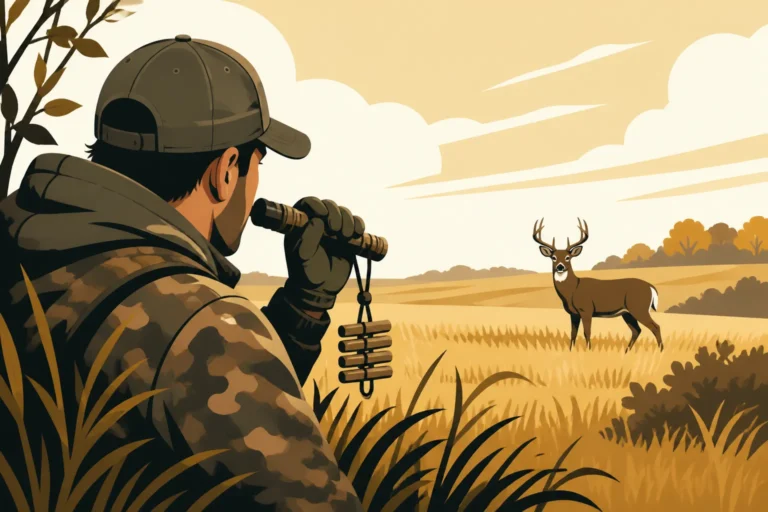
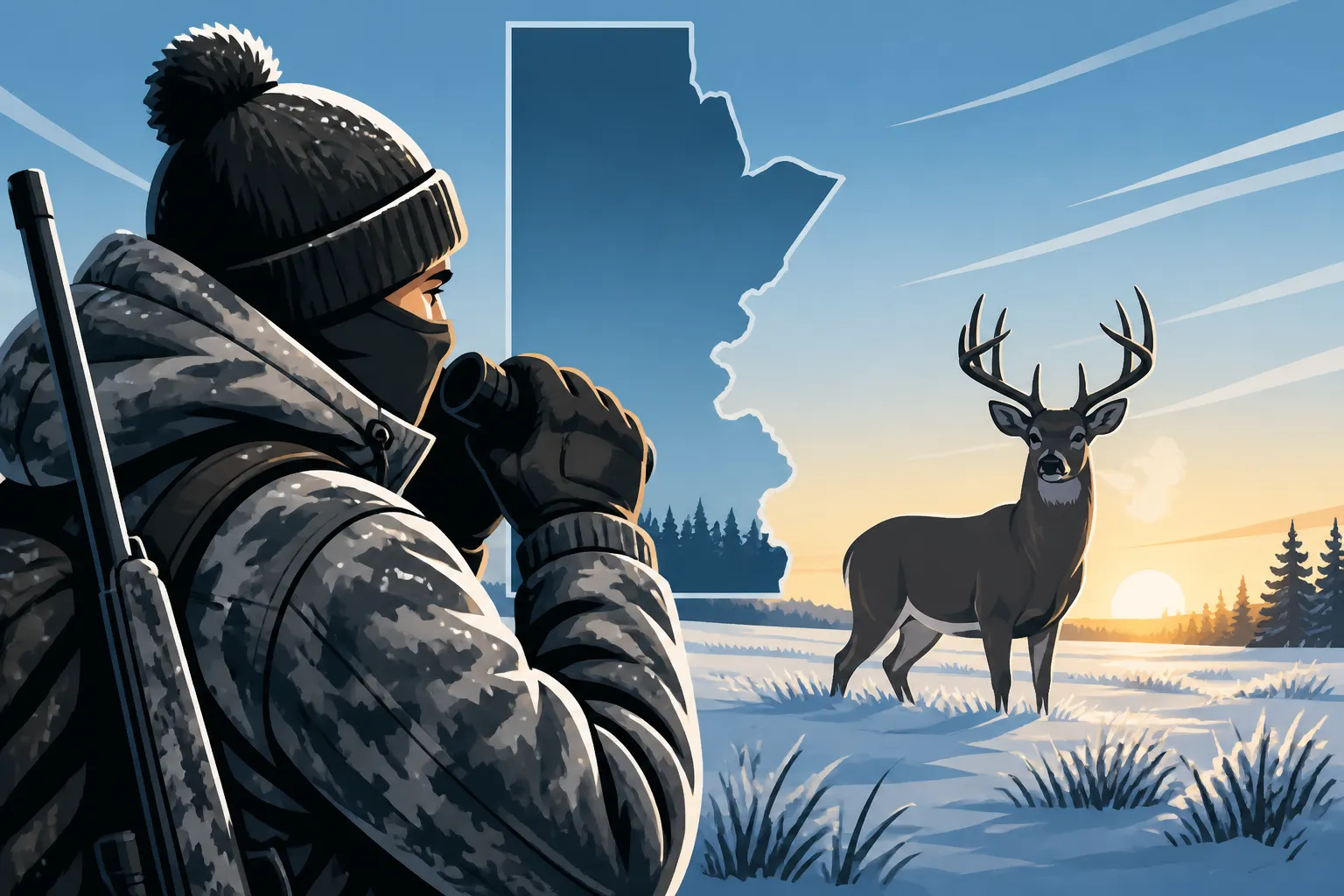
Alright, let's talk about something truly unique to hunting in Manitoba: facing down whitetails when the mercury plunges to thirty below zero. Many hunters shy away from these bone-chilling conditions, but for those who brave the extreme cold, there's a certain magic and a real opportunity to punch a tag. This isn't just about bundling up; it's about understanding how your body, your gear, and the deer themselves react when the air bites with such ferocity. This guide will walk you through the precise strategies, essential gear, and critical safety measures needed to not just survive, but to succeed on a frigid Manitoba whitetail hunt.
The Unforgiving Reality of Extreme Cold Whitetail Hunting
Hunting in temperatures that dip to -30°C (-22°F) or colder isn't for the faint of heart. It transforms every aspect of the hunt, from the clothing you choose to the way you approach a stand. The air itself feels heavy, and exposed skin can suffer frostbite in mere minutes. But here's the kicker: this extreme cold often makes deer more predictable, concentrating them in specific areas and influencing their movement patterns in ways that can actually work to your advantage. You just have to be prepared for the brutal challenges it presents.
What Happens to Your Body in Sub-Zero Conditions
When the thermometer drops to thirty below, your body starts working overtime just to keep your core temperature stable. This isn't just about shivering; it's a profound physiological response. Your blood vessels constrict to reduce heat loss, especially in your extremities, which is why fingers and toes are often the first to go numb. If you’re not properly dressed, or if you become inactive for too long, hypothermia can set in quickly, dulling your judgment and making basic tasks incredibly difficult. The physical toll is immense; simply walking through deep snow can drain your energy reserves far faster than in milder weather. You’re constantly battling the cold, and that battle requires fuel and meticulous preparation.
The Impact of Extreme Cold on Your Hunting Gear
It's not just you that struggles; your gear faces its own set of challenges. Plastic components on optics or firearms can become brittle and snap. Metal parts, when touched with bare skin, can cause immediate frostbite. Batteries in rangefinders, GPS units, and cell phones drain at an alarming rate, often lasting only a fraction of their normal runtime. Even your rifle's action can slow down due to lubricants thickening, potentially affecting reliability. Bowstrings can become stiffer, and release aids can malfunction. This means you need to select gear that's specifically designed for extreme cold or take extra precautions to protect what you have, ensuring everything is fully functional when that deer steps out.
Outfitting for Arctic Whitetails: Essential Cold Weather Gear
Success in thirty-below hunting starts long before you ever step foot in the bush. It begins with your clothing system, which must be meticulously planned to manage moisture and retain heat, even during periods of high exertion followed by long stretches of inactivity. Think layers, and then think more layers, but smart layers.
The Art of Layering for -30°C
Layering isn't just a buzzword; it's a survival strategy. You need a system that allows you to add or subtract insulation as your activity level changes. Start with a good base layer: merino wool or synthetic materials are your best friends here, as they wick moisture away from your skin, preventing that clammy, chilling feeling. Avoid cotton like the plague. Next comes your mid-layers, providing the bulk of your insulation. Fleece, down, or high-loft synthetics are excellent choices. On top of that, you'll need a robust outer shell that is both windproof and water-resistant (ideally waterproof, though deep cold often means dry cold). This shell protects your insulation layers from wind chill, which can dramatically increase the perceived temperature. Don't forget a warm hat that covers your ears, a neck gaiter or balaclava, and a good pair of insulated mittens with thin liners so you can still handle your rifle or bow.
Here’s a basic layering example for extreme cold:
| Layer Type | Material | Function |
|---|---|---|
| Base Layer | Merino Wool/Synthetic | Wicks moisture, light insulation |
| Mid Layer (Thin) | Fleece/Synthetic Loft | Adds warmth, breathable |
| Mid Layer (Thick) | Down/Synthetic Puffy | Primary insulation, high warmth-to-weight |
| Outer Layer | Windproof/Waterproof | Blocks wind, sheds snow, provides protection |
| Extremities | Wool/Synthetic | Hats, balaclavas, insulated mittens with liners, heavy socks |
Keeping Extremities Warm: Boots, Mittens, and Warmers
Your hands and feet are the most vulnerable to frostbite, and once they get cold, it's incredibly hard to warm them up again. Invest in the best possible insulated boots you can afford, rated for extreme cold (think -70°C). Make sure they are a size or two larger than your normal shoe size to allow for thick wool socks and plenty of air circulation, which acts as insulation. Don't cinch them too tight, as that restricts blood flow. For hands, mittens are generally warmer than gloves because they allow your fingers to share warmth. Look for mittens with removable liners so you can change them if they get damp. Chemical hand and foot warmers are absolute game-changers; carry plenty and activate them well before you feel cold. I've often taped foot warmers to the top of my toes and the bottom of my heel for all-day warmth. When you're Sitting All Day in a Manitoba Blind, these small comforts make all the difference.
Essential Accessories and Emergency Gear
Beyond clothing, a few other items are critical. A good quality thermos filled with hot coffee, tea, or soup can be a lifesaver, providing internal warmth and hydration. Bring high-energy snacks that won't freeze solid, like chocolate bars, nuts, or energy gels. A robust headlamp with fresh batteries (and spares stored in an inside pocket to keep them warm) is non-negotiable, as daylight hours are short. A portable heating source, such as a catalytic heater designed for ground blinds, can be a game-changer for maintaining comfort. Always carry fire-starting materials, a sharp knife, and a small first-aid kit. Consider adding a satellite communication device like an inReach if you're venturing into remote areas where cell service is non-existent. For a more comprehensive list of what to pack, check out our guide on a Winter Truck Kit for a Manitoba Hunt.
Adapting Your Whitetail Hunting Strategy for Deep Cold
When temperatures plummet, whitetails alter their behavior significantly to conserve precious energy. Understanding these shifts is key to successful hunting in these conditions. They become incredibly focused on shelter and food, and their movement patterns become more restricted.
Where Deer Seek Shelter: Thermal Cover and Bedding Areas
In -30°C weather, deer prioritize thermal cover above almost everything else. They will seek out the densest conifer stands, thick willow swamps, or even deep creek bottoms that offer protection from the biting wind and trap what little heat radiates from the ground. These areas, known as "wintering yards" or "deer wintering areas," become magnets. Instead of ranging widely, deer will often move only enough to feed before returning to these sheltered pockets. As you might expect, finding Where Manitoba Whitetails Bed in Deep Snow becomes your primary scouting objective. Using satellite imagery or tools like the GoHunt app can help you identify these dense stands or topographical features that offer thermal advantages before you even hit the field. Look for dark green patches on maps, indicating dense evergreens, or areas with significant elevation changes that provide lee slopes from prevailing winds.
Understanding Whitetail Movement Patterns in Extreme Cold
Deer movement during extreme cold is drastically reduced. They conserve energy by staying bedded down for longer periods. This means the classic "dawn and dusk" hunting windows might extend slightly, but overall, deer activity will be lower. When they do move, it's typically a direct line from their bedding area to a food source and back. They're not meandering; they're making an energy-efficient dash. This offers a unique opportunity for hunters: if you can pinpoint these travel corridors between prime thermal cover and a consistent food source, you can intercept them. Consider hunting mid-day, as deer might choose the warmest part of the day to make their brief foray for food. Look for fresh tracks in the snow leading directly between these key areas. Our article on Reading Whitetail Sign in Manitoba Aspen offers more insights into interpreting tracks in these conditions.
Key Food Sources When Everything Else is Frozen
In deep winter, accessible food sources become limited. Deer will rely on browse that remains available, such as dogwood, willow, and aspen buds and bark. Agricultural fields with leftover grains, like standing corn or soy stubble, can also be critical if they're not completely buried under snow. Deer will work incredibly hard to reach these calories. Focus your efforts on hunting edges where these food sources meet dense thermal cover. This might be a bush edge bordering a stubble field or a willow run alongside a standing cornfield. The deer aren't moving for fun; they're moving for survival, and that means they'll be at these limited food sources.
Tactical Approaches for Hunting in Deep Freeze
Once you understand how deer behave in extreme cold, you can adapt your hunting tactics to increase your chances of success. This often involves choosing specific stand locations and being patient, knowing that opportunity windows might be brief.
Stand Placement Near Bedding and Food Intersections
Given the deer's focus on conserving energy, your stand placement becomes critical. Forget covering vast amounts of ground; instead, concentrate on the pinch points and travel corridors that connect dense thermal cover with accessible food sources. Look for trails that cut through thick bush, especially those leading out of deep evergreen stands or heavy willow bottoms. A stand placed on a Hunting a Manitoba Bush Edge where it meets a stubble field can be incredibly productive. These are the narrow funnels deer will use to minimize their exposure to the elements. Remember, deer will try to stay out of the wind, so consider prevailing wind directions when selecting your spot. A good elevated stand or blind that offers some protection from the wind can make a long sit much more bearable.
Still-Hunting and Tracking in the Snow
While sitting in a stand can be effective, deep snow and extreme cold also create excellent conditions for still-hunting or tracking. The fresh snow blankets the ground, making your footsteps quieter, and it records every movement of a deer. If you find fresh tracks leading into a thick bedding area, slowly and methodically still-hunting into the wind can pay off. Move deliberately, pausing often to scan ahead, using binoculars to pick apart dense cover. This is a tactic often employed for Hunting Whitetails in Manitoba's Bush Country. The deer will be less likely to hear you over the crunch of the snow, and their reduced movement might mean they’re less alert. However, the extreme cold demands a high level of physical exertion for this method, so ensure you manage your layers to prevent sweating and subsequent chilling.
Utilizing Ground Blinds for Comfort and Concealment
When the temperatures are truly brutal, a well-insulated ground blind can be your best friend. A blind offers a degree of protection from the wind and elements that an open stand simply cannot. Many hunters even use portable propane heaters inside their blinds (with proper ventilation, of course!) to make the long sits tolerable. This comfort allows you to stay on stand longer, increasing your chances of catching a deer moving during those precious few hours of activity. A good quality pop-up blind, brushed in with natural cover, can offer excellent concealment without the need to climb a tree in frigid conditions. When considering a ground blind, think about one with a dark interior to help you disappear.
Safety is Paramount: Surviving the Manitoba Winter Outdoors
Hunting at thirty below is not without significant risks. Hypothermia and frostbite are real dangers, and mechanical failures can quickly turn a minor inconvenience into a life-threatening situation. Prioritizing safety is not just good practice; it’s essential for coming home.
Recognizing and Preventing Hypothermia and Frostbite
Hypothermia occurs when your body loses heat faster than it can produce it, leading to a dangerously low core body temperature. Symptoms start with shivering, confusion, and clumsiness, progressing to slurred speech and loss of consciousness. Frostbite, on the other hand, is the freezing of body tissue, usually in extremities like fingers, toes, nose, and ears. It begins with numbness and a white or grayish appearance of the skin. The key to both is prevention: wear appropriate layers, stay hydrated (even though it's cold, you still sweat!), eat high-energy foods, and don't hesitate to head back to warmth if you feel symptoms starting. Check on your hunting partners regularly. If you need more information on preparing for the dangers, review our guide on Hunting Safely in Deep Winter Cold.
Vehicle and Communication Preparedness
Your vehicle is your lifeline in remote winter conditions. Always ensure your gas tank is full. Carry an emergency kit that includes booster cables, a shovel, traction aids (like sand or kitty litter), extra warm clothing, emergency blankets, a first-aid kit, a high-quality tow strap, and a fully charged power bank for your phone. Tell someone where you are going and when you expect to return. Cell service can be spotty in many of Manitoba's hunting areas, so consider a satellite communication device if you’re heading into truly remote locations. Getting stuck or breaking down at thirty below can become a survival situation in a matter of hours.
Meat Care in Freezing Temperatures
While the cold helps preserve meat, it also presents its own challenges. The extreme cold can freeze a deer carcass quickly, making field dressing difficult. It's often best to get the deer field dressed as quickly as possible to allow the body heat to dissipate, preventing souring, but also to prevent the meat from freezing solid before you can quarter or transport it. If it freezes too hard, it becomes incredibly difficult to handle. Be mindful of exposed meat freezing to your clothing or equipment. Once the deer is field dressed, transport it promptly to a location where it can be properly handled. Our article on Meat Care in Manitoba's Cold Snaps has more detailed advice on this topic. It’s a delicate balance between letting it cool and preventing it from becoming a rock-solid block of venison.
Final Considerations for the Determined Hunter
Hunting at thirty below requires a different mindset, a higher level of preparedness, and an unwavering commitment to safety. It's not a casual pursuit; it's a test of endurance and skill. But for those willing to embrace the challenge, the rewards can be immense.
The satisfaction of harvesting a whitetail in such formidable conditions is truly unique. You've outsmarted an animal that is perfectly adapted to its environment, in an environment that pushes both of you to the limits. Moreover, many other hunters stay home, meaning less pressure in prime hunting areas. This often translates to better opportunities for those who dare to venture out. Exploring Manitoba's vast landscape, from its Game Hunting Areas to its sprawling bush country, truly comes alive in the quiet of a deep winter hunt. And remember, before you head out, tools like GoHunt can be immensely helpful for scouting prospective hunting locations and understanding terrain features that will influence deer movement in extreme cold.
So, if you’re ready to pull on those extra layers and face the biting Manitoba wind, a winter whitetail hunt at thirty below might just be the most memorable and rewarding hunting experience of your life. Just be smart, be safe, and be prepared for the ultimate cold weather adventure.
Disclaimer
The information provided in this article is for general guidance and informational purposes only. Hunting regulations, seasons, and requirements can change frequently. Always consult the most current Manitoba Hunting Guide and relevant government websites before planning any hunting trip. Hunter safety is paramount; always follow safe hunting practices and be prepared for all potential conditions.