Guided Hunts for Hunters From the States
For many hunters in the United States, the dream of an incredible hunting adventure often turns into a logistical nightmare, especially when considering an international trip. The thought of navigating foreign regulations, understanding different hunting cultures, and simply getting your gear across the border can be incredibly intimidating, leaving many to stick closer to home. But let me tell you, Manitoba offers some truly world-class hunting experiences, and a guided hunt can be the perfect solution to iron out all those worries. This guide is here to break down everything you need to know about embarking on a fantastic guided hunt in Manitoba as a hunter from the States, making that dream a whole lot more achievable.
Understanding the Appeal and Requirements for US Hunters in Manitoba
Manitoba, with its vast tracts of wilderness ranging from pristine boreal forest to sprawling parkland and rich agricultural fields, presents an irresistible allure for hunters seeking diverse big game and waterfowl opportunities. However, for our friends south of the border, there's a unique set of circumstances that makes a guided hunt not just a convenience, but often a necessity and certainly a major advantage. Understanding these aspects upfront can really help shape your expectations and planning.
Why Manitoba Draws Hunters from the United States
There's a reason why so many American hunters look north to Manitoba. First off, the sheer quality of game is a huge draw. We're talking about incredible populations of White-Tailed Deer, Manitoba's Most Hunted Animal, with the potential for truly massive-bodied bucks, especially in our bush country. Then there's the Black Bears Across Manitoba's Bush Country, renowned for their size and variety of color phases, offering a thrilling spring or fall hunt. And let's not forget the waterfowl; Manitoba is a critical staging ground on the Central Flyway, attracting millions of ducks and geese, creating some of the most spectacular field hunts you could ever imagine. The landscape itself is a character in the hunt, offering everything from vast grain fields to dense forests and pristine lakes. The variety, the remoteness of some areas, and the opportunity to pursue species that might be less accessible or challenging in the lower 48 are huge motivators. It’s an adventure that feels both accessible and truly wild.
Navigating Non-Resident Hunting Regulations
One of the biggest hurdles for any non-resident hunter is understanding the local hunting laws, and Manitoba has specific rules for those coming from outside Canada. The most significant one for our friends from the States is often the requirement to hunt certain species with a licensed outfitter or guide. For big game like moose, elk, and most caribou hunts, a licensed outfitter is absolutely mandatory for foreign residents. While Whitetail Hunting in Manitoba and black bear hunting don't always demand a guide by law, many US hunters still opt for one due to the benefits they offer in unfamiliar territory. Understanding Rules for Non-Residents Hunting Manitoba is step one, and an outfitter is your best resource here. They know the ins and outs, keeping up with any changes year to year, which honestly, can be a full-time job in itself. Trying to decipher all the regulations on your own, especially across different GHAs (Game Hunting Areas), can be overwhelming and lead to costly mistakes.
Licence and Tag Requirements for US Residents
Beyond needing a guide for certain species, you'll also need the appropriate licences and tags. As a non-resident, your licence fees will differ from resident fees, and it's important to factor this into your budget. Each big game animal you intend to harvest requires a specific tag, and these often come with specific GHA allocations or draw requirements. Your outfitter will be instrumental in ensuring you purchase the correct licences and tags well in advance of your hunt. They often handle the paperwork, or at least guide you through the process, which is a huge relief when you’re dealing with an unfamiliar system. For migratory birds, you'll also need a federal Migratory Game Bird Hunting Permit on top of your provincial licence. Don't forget, these aren't just pieces of paper; they are your legal right to hunt, and having them in order is paramount. You can find detailed information on What a Non-Resident Licence Costs and Manitoba Big Game Tag Cost Per Species through official channels or by consulting your chosen outfitter.
Essential Logistics for Crossing the Border and Hunting in Manitoba
One of the most anxiety-inducing parts of planning an international hunting trip for many US hunters is the actual crossing of the border, especially with firearms. The thought of potential delays, misunderstandings, or even being denied entry can be enough to make some throw in the towel. But with proper preparation and understanding, it's a straightforward process, and a good outfitter will often provide specific guidance here too.
Bringing Firearms into Canada
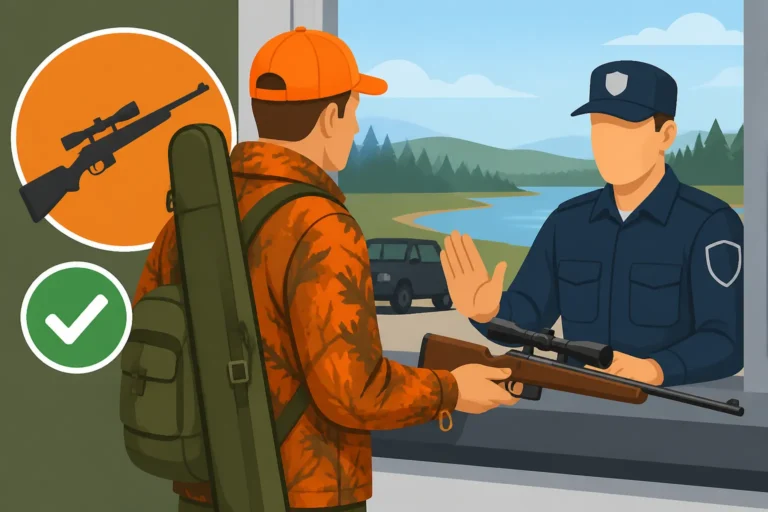
This is often the biggest sticking point for US hunters. You absolutely can bring your hunting rifles and shotguns into Canada, but there's a strict process to follow. You cannot just show up at the border with your firearm. You'll need to complete a Non-Resident Firearm Declaration Form (Form CAFC 909) in triplicate. This form acts as a temporary licence for your firearms, and it must be confirmed by a Canadian Border Services Agency (CBSA) officer at your port of entry. There's a fee associated with this declaration, and it's valid for up to 60 days. Crucially, your firearms must be "non-restricted" for hunting purposes – handguns and many semi-automatic rifles are generally prohibited. When driving, ensure your firearms are unloaded and securely stored in the trunk or a locked case, separate from ammunition. For those considering Flying to Manitoba With a Rifle, there are additional airline-specific rules regarding hard-sided, lockable cases and declared, unloaded status. Your outfitter should be able to provide the most up-to-date advice on Declaring a Firearm at the Canadian Border and ammunition limits, making this a much smoother process.
Ammunition Regulations
Just like firearms, ammunition has specific regulations for import. You are allowed to bring a reasonable quantity of ammunition for hunting purposes. Typically, this means up to 200 rounds per firearm, but it's wise to confirm current limits with your outfitter or the CBSA directly, as these can sometimes change. The ammunition must also be stored separately from the firearm itself, usually in a locked container. Trying to bring excessive amounts or prohibited types of ammunition can cause significant delays or even confiscation, so it’s always best to be conservative and adhere strictly to the guidelines. Remember, border agents are there to enforce laws, and being well-prepared and respectful goes a long way.
Driving Versus Flying to Your Hunt
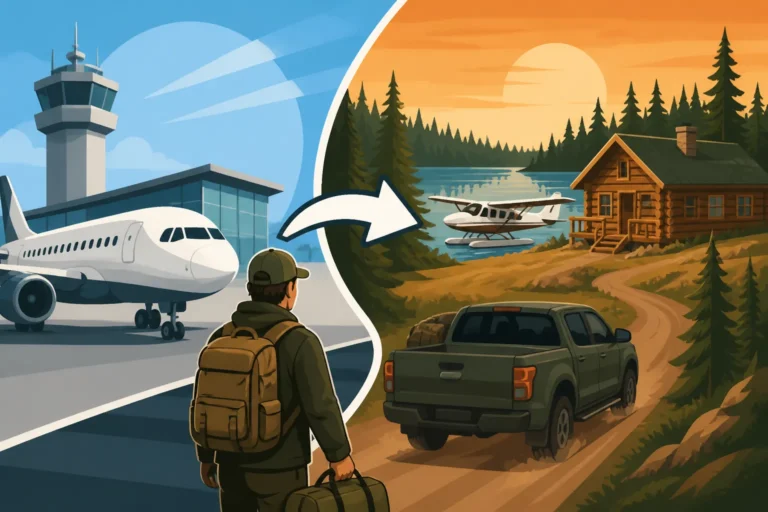
Manitoba is a big province, and how you choose to travel can greatly impact your overall experience and costs. Many hunters from states like North Dakota, Minnesota, or even Wisconsin find driving to be a practical and cost-effective option, especially if they're bringing a lot of gear or hunting with a group. Driving allows for more flexibility with luggage, easier transport of harvested game (within legal limits and CWD requirements), and the ability to explore a bit more of the province if time allows. However, for those coming from further afield, flying into Winnipeg (YWG) is often the most efficient choice. From Winnipeg, your outfitter might arrange transportation to camp, or you might rent a vehicle, depending on the camp's location. For remote Northern Manitoba hunts, a float plane charter from a hub like Flin Flon or Thompson is often part of the package. Each option has its pros and cons regarding cost, time, and logistics, so discuss this thoroughly with your outfitter as part of your trip planning. They'll have valuable insights based on their camp's location and accessibility.
| Travel Method | Pros | Cons | Best For |
|---|---|---|---|
| Driving | More gear flexibility | Long travel times from distant states | Hunters close to the border, groups |
| Personal vehicle for side trips | Fuel costs, potential for poor road conditions | Bringing larger quantities of personal items | |
| Easier game transport (post-hunt) | |||
| Flying | Faster for long distances | Baggage restrictions, firearm declarations | Hunters from southern/western states |
| Less personal vehicle wear & tear | Rental car needed or outfitter shuttle | Time-constrained trips | |
| Can reach remote areas via connecting flights |
Choosing and Collaborating with Your Manitoba Outfitter
The success of your guided hunt largely hinges on the outfitter you choose. This isn't just about finding someone who can take you to animals; it's about finding a reputable partner who provides a safe, enjoyable, and well-organized experience. With so many options out there, it can feel like a daunting task to pick the right one.
Vetting and Selecting a Reputable Outfitter
Finding a good outfitter starts with research. Don't just pick the first one you see. Look for outfitters with a long-standing history, positive reviews, and proper licensing. You want to know they're legitimate, insured, and committed to ethical hunting practices. Platforms like BookYourHunt can be a great starting point for browsing different operations and reading reviews from past clients. Similarly, GoHunt provides resources that can help you research different areas and identify outfitters operating in those regions. Ask for references, and actually call them! Talk to past clients about their experiences: the quality of the camp, the guides, the food, the hunting pressure, and the overall atmosphere. Pay attention to how the outfitter communicates with you before booking. Are they prompt? Are they transparent about costs and what's included? A good outfitter will welcome your questions and provide detailed answers, like what kind of Manitoba Black Bear Hunt Prices or Manitoba Moose Hunt Prices you can expect. They should be transparent about their success rates, but also realistic about what a hunt entails. Remember, it's a "hunt," not a "kill guarantee."
Key Questions to Ask Before Booking
When you're talking to potential outfitters, have a list of Questions to Ask Before Booking ready. These should cover everything from the specifics of the hunt itself to camp amenities and what happens in emergencies. For example:
- What is the typical group size for this hunt? What's the hunter-to-guide ratio?
- What is included in the package price (e.g., meals, lodging, transportation from the airport, trophy care)? What's not included (e.g., licences, tips, meat processing, taxidermy, alcohol)?
- What are the camp facilities like (e.g., cabins, tents, running water, showers, cell service)?
- What kind of terrain will we be hunting, and what's the physical demand?
- What is your policy on wounded game?
- Can you provide a detailed itinerary for a typical hunt day?
- What is your cancellation and refund policy, and do you recommend travel insurance?
- What's the best time of year to book for the species I'm interested in, considering factors like the When the Whitetail Rut Peaks Here or bear activity?
- What kind of gear and clothing do you recommend I bring, especially considering Manitoba's variable weather? (e.g., Dressing for Manitoba's November Cold).
Asking these questions helps you set clear expectations and avoid any unpleasant surprises once you arrive.
What to Expect from Your Guided Hunt Package
A guided hunt package in Manitoba typically covers much more than just the hunt itself. Most outfitters include comfortable lodging, delicious home-cooked meals, and expert guiding services. This means your guide will handle scouting, calling, tracking, and often even field dressing and initial game retrieval. Transportation to and from hunting areas, often using quads, side-by-sides, or trucks, is usually part of the deal. Depending on the species, this could mean Baiting Black Bear in Manitoba ahead of time, setting up blinds, or knowing the precise locations for Field Hunting Geese in Manitoba Stubble. Many outfitters also offer assistance with trophy care, such as caping and quartering your animal, and preparing it for transport or shipment to a taxidermist. Some even have freezer facilities. The goal is to provide a seamless experience where you can focus on the hunt itself, leaving the logistics and heavy lifting to the professionals.
Beyond the Basic Hunt Package
Beyond the standard inclusions, many outfitters offer additional services that can enhance your trip. This might include assistance with booking flights to remote locations, arranging for a Manitoba Taxidermists and Trophy Shipping, or even providing extra activities for non-hunting companions. For those looking for a truly comprehensive experience, some offer combo hunts, allowing you to pursue more than one species during your trip, perhaps a bear and a Hunting Manitoba's Fall Bear Season waterfowl hunt. Make sure you understand exactly what your chosen outfitter's package entails and what optional extras might be available. This is also where you'll need to consider additional costs like licences, government fees, and gratuities for your guide and camp staff. Understanding how Tipping Works on a Guided Hunt is important, as guides often rely on these gratuities.
Maximizing Your Guided Hunt Experience
A guided hunt is an investment, both financially and in terms of your time and excitement. To truly get the most out of it, there are a few things you can do to prepare, communicate effectively, and truly immerse yourself in the Manitoba wilderness experience.
Preparing for Your Manitoba Adventure
Preparation is key, and this extends beyond just packing your hunting gear. Physically, consider the demands of your chosen hunt. If you're Rifle Hunting Manitoba's Whitetail Rut in tough bush country, or hiking for upland birds, you'll want to be in reasonable shape. Practice with your rifle or bow extensively before you arrive; your guide will appreciate a confident shot. Familiarize yourself with common distances and shooting scenarios. Mentally, be prepared for potential challenges. Hunting is unpredictable; weather can change quickly, animals don't always cooperate, and success is never guaranteed. Embrace the journey, not just the outcome. Read up on the species you'll be hunting, their habits, and the local ecosystem. The more you know, the more you'll appreciate the expertise of your guide and the environment you're in.
Communication and Expectations with Your Guide
Your guide is your partner in this adventure, and open communication is vital. Before you even set foot in the field, clearly articulate your expectations and what you hope to achieve from the hunt. Are you looking for a trophy of a lifetime, or is it more about the experience and filling the freezer? What are your physical limitations? Do you have any specific preferences, like still-hunting versus sitting in a blind? During the hunt, listen to your guide's advice. They spend countless hours in these areas, studying the animals and their movements. They know the terrain, the local conditions, and the nuances that lead to success. Don't be afraid to ask questions, but also trust their judgment. Good guides are passionate about what they do and want you to have a memorable experience. This partnership, built on respect and clear communication, is often what elevates a good hunt to an exceptional one.
Embracing the Manitoba Wilderness and Culture
Beyond the thrill of the hunt, take time to appreciate the unique beauty and culture of Manitoba. From the vast, open skies of the prairie to the rugged, ancient rock of the Canadian Shield, it's a province of incredible diversity. You might be Hunting Whitetails on Manitoba Crown Land one day and calling coyotes in open fields the next. Embrace the quiet moments in the bush, the crisp morning air, and the camaraderie of camp life. Many outfitters operate in rural communities, offering a glimpse into local life. While your main focus is hunting, being open to the broader experience, including the local food, stories, and landscapes, will enrich your trip immeasurably. A guided hunt in Manitoba isn't just about harvesting an animal; it's about experiencing a truly wild and beautiful part of North America, with all the comfort and expertise a seasoned outfitter can provide.
Disclaimer
This article is for general informational purposes only and does not constitute professional advice. Laws, prices and regulations vary by location and change over time. Consult a qualified professional for guidance on your specific situation.