Hunting a Frozen Lakeshore in the North
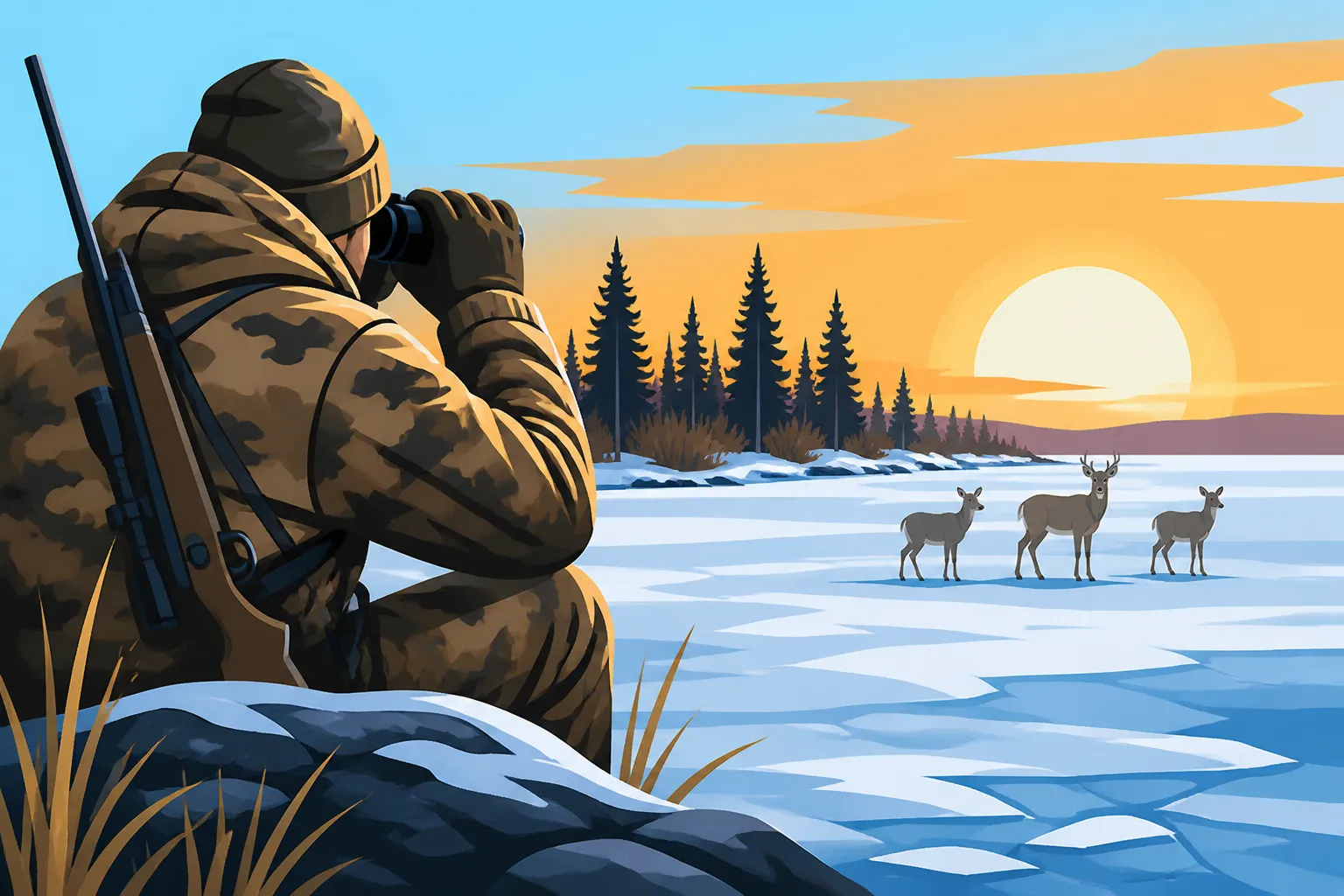
There's a raw, silent beauty to Manitoba's frozen north, and for many hunters, the thought of tracking game along a vast, ice-covered lakeshore is both a daunting challenge and an irresistible draw. Winter hunting in these remote areas presents unique opportunities and significant risks, demanding meticulous planning, specialized gear, and a deep respect for the unforgiving environment. This guide will walk you through how to successfully and safely navigate a hunt along a frozen lakeshore in northern Manitoba, focusing on strategies to find and approach game in this truly wild setting.
Why Frozen Lakeshores Attract Game in Winter
When the deep cold sets in and snow blankets the landscape, animals in northern Manitoba don't just disappear; they adapt. Frozen lakeshores, often overlooked by those unfamiliar with the North, become vital travel corridors, feeding grounds, and even thermal sanctuaries for various species. Understanding why they are there is the first step to a successful hunt.
Travel Corridors and Edge Habitat
Imagine an animal trying to move through three feet of snow in dense boreal forest. It's exhausting, slow, and leaves a clear trail. Now, picture that same animal using the smooth, often wind-swept surface of a frozen lake, or the more open, slightly less snow-bound edge where the treeline meets the ice. It's a no-brainer. Lakeshores act as natural highways, funneling deer, moose, and even wolves and bears (before denning fully or during mild winter thaws) along predictable routes. These "edges" where forest meets ice are prime transition zones.
During winter, especially after a fresh snowfall, these edges become even more critical. Animals, especially the larger ungulates like moose, will often use the ice for efficient travel between islands, across bays, or to access different feeding areas on opposing shorelines. This concentrated movement makes these areas high-probability spots for intercepting game. Look for points extending into the lake or narrow sections where animals might cross more readily.
Food Sources and Thermal Cover
While a frozen lake itself might seem barren, the shoreline habitat bordering it is often rich with winter browse. Willow, aspen, and other deciduous shrubs, often found growing vigorously along the water's edge, provide essential nutrition for deer and moose. The evergreens—spruce and balsam fir—offer vital thermal cover, particularly during brutal cold snaps or heavy snow. Animals will often bed down in these sheltered pockets, especially on south-facing slopes that catch what little winter sun there is.
The combination of accessible food sources right next to good cover, all easily reached via the frozen lake surface or its immediate edge, creates an irresistible draw. A mature bull moose might browse willow tips in a sheltered bay all morning, then retreat into a thick stand of spruce just off the ice edge to chew his cud for the afternoon. Knowing these patterns, and how animals prioritize food and warmth, is key to predicting their movements.
Navigating the Dangers of Ice and Extreme Cold
Hunting Manitoba's frozen north isn't just about finding game; it's about surviving the elements. The risks associated with vast expanses of ice and truly extreme cold are substantial and demand the utmost respect and preparation. Ignoring them isn't just foolish; it's potentially fatal.
Unpredictable Ice Conditions
The biggest danger on any frozen lakeshore is, without a doubt, the ice itself. What looks solid can be treacherously thin, especially over flowing water, spring-fed areas, or where currents are present, like narrows between lakes or river mouths. Early winter and late winter are particularly risky, but even mid-winter, a warm spell or heavy snow can destabilize ice. Hunting Safely in Deep Winter Cold covers general considerations, but ice specific hazards are in a league of their own.
You must assume the ice is unsafe until proven otherwise. Never rely on tracks alone, as a lighter animal might cross safely where a heavy hunter, gear, or snowmobile would plunge through. Always carry ice picks or spud bars, and know how to use them. If traveling by snowmobile or ATV, carry a rescue rope, a full change of clothes in a waterproof bag, and travel with a partner. Even better, consult locals about known safe crossings and notoriously dangerous spots.
The Sheer Brutality of Northern Manitoba Winters
Beyond the ice, the cold itself is a relentless adversary. Temperatures in northern Manitoba can easily drop to -30°C (-22°F) or colder, with wind chills plummeting even further. Frostbite can set in within minutes on exposed skin, and hypothermia is a constant threat. Remote locations often mean help is hours, if not a day, away.
Proper layering, high-quality insulated outer wear, and serious attention to extremities (hands, feet, head) are non-negotiable. Sitting still in a stand or blind, even for a short time, amplifies the cold's effect. Having a contingency plan for a vehicle breakdown, getting lost, or an unexpected night out is paramount. Your winter truck kit should be exhaustive, including extra fuel, an axe, a shovel, blankets, food, and a satellite communication device. Seriously consider a Winter Truck Kit for a Manitoba Hunt if you're heading North.
Strategic Scouting and Planning for Frozen Lakeshores
Success on a northern frozen lakeshore hunt begins long before you set foot on the ice. It requires diligent digital scouting, followed by meticulous on-the-ground reconnaissance, often done well in advance or even during the hunt's initial days. This strategic approach minimizes guesswork and maximizes your chances of encountering game.
Digital Reconnaissance with Mapping Tools
Before you even pack your bags, fire up your digital mapping tools. Services like onX Hunt and GoHunt are indispensable for identifying potential hot spots on northern lakeshores. Start by looking for topographical features that funnel game: narrow points, small islands, sheltered bays with dense timber, and the mouths of creeks or rivers. These are natural travel ways and bedding areas.
Pay close attention to changes in vegetation visible on satellite imagery. Darker green areas often indicate coniferous stands (spruce, fir) that provide excellent thermal cover. Lighter areas might be aspen or willow, crucial browse for moose and deer. Trace old logging roads or cutlines that intersect the shoreline – these can be travel routes or provide access. Identify areas with varied terrain, such as a bluff rising from the lake edge, offering both shelter and a vantage point. Pin potential ice crossings, but remember, digital intel is not a substitute for real-world ice checks. Consider downloading offline maps, as Where Manitoba Cell Coverage Ends is often right at your destination.
| Feature Type | Why It's Important | What to Look For Digitally |
|---|---|---|
| Points/Narrows | Funnel game movement along the shoreline or across ice. | Land masses extending into the lake, constrictions in the lake body. |
| Sheltered Bays | Offer protection from wind and cold, often hold good browse. | Indentations in the shoreline, especially with dense treeline. |
| Islands | Can serve as bedding areas or waypoints for game traveling on ice. | Any landmass surrounded by water/ice, particularly those close to shore. |
| Creek/River Mouths | Potential travel corridors, often have diverse vegetation; dangerous ice. | Visible water flow lines, deltas, or breaks in the ice pattern. |
| Vegetation Changes | Indicate food sources (browse) and thermal cover (evergreens). | Different shades of green on satellite imagery, distinct forest types. |
On-the-Ground Sign Reading in Snow
Once you're in the field, the snow becomes your ultimate guide. A fresh blanket of snow, especially after a couple of days of calm, can reveal a wealth of information. Look for tracks leading onto or off the ice, along the shoreline, and into the timber. Pay attention to the size and depth of tracks, which can indicate the animal's size and how recently it passed. Reading Sign After a Fresh Snow is particularly critical here.
Beyond tracks, look for rub lines on small trees and saplings, indicating rutting activity or simply bucks marking their territory. Scrapes, though less common in deep winter, can still be found. Most importantly, look for browsed vegetation—snapped twigs, stripped bark, or clipped branches—which tells you where animals are actively feeding. This sign, combined with the wind direction and time of day, will help you narrow down bedding areas and travel patterns. Don't forget to look for scat; fresh droppings are a clear indicator of recent activity.
Essential Gear and Safety Considerations
A successful hunt on a frozen northern lakeshore hinges not just on finding game, but on being prepared for anything the environment throws at you. Your gear isn't just about comfort; it's about survival.
Dressing for Extreme Cold and Ice Safety Gear
Layers, layers, layers. This isn't a suggestion; it's an imperative. Start with a good moisture-wicking base layer, add insulating mid-layers like fleece or wool, and top it off with a high-quality, windproof, waterproof outer shell. For standing or sitting still, a thick, insulated parka and bibs are essential. Your extremities need special attention: multiple pairs of wool socks, insulated rubber boots (ensure they're rated for extreme cold), heavy mittens over gloves, and a warm hat that covers your ears are crucial. Boots for Sitting Still in Deep Cold offers specific advice.
For ice safety, never go without a spud bar (a heavy chisel on a pole) to test ice thickness as you go. Ice picks, worn around your neck, are vital for pulling yourself out if you break through. A rope, at least 50 feet long, is also a good idea. Consider investing in a flotation suit, especially if you'll be on snowmobiles. A small, lightweight emergency kit with a fire starter, whistle, compass, and first-aid supplies should always be in your pocket.
Navigating the Frozen Landscape and Emergency Preparedness
While walking is always an option, covering vast lakeshores in the North often requires mechanical assistance. Snowmobiles and ATVs (quads) are common, but they add to the risk profile, especially on ice. Always adhere to Quad and Side-by-Side Rules on Crown Land and any specific GHA regulations. Travel slowly, especially in areas of unknown ice thickness. If a quad or sled breaks through, it can pull you down with it.
Beyond ice concerns, simply getting stuck in deep snow or having a mechanical breakdown can quickly turn into a life-threatening situation in remote areas. Always tell someone your exact route and expected return time. Carry extra fuel, tools for minor repairs, a spare drive belt for your snowmobile, and a tow rope. A satellite messenger or phone is critical, as cell service is unreliable, if not completely absent, in most of northern Manitoba. Knowing What to Do If You Get Stuck in the Bush is not just good practice; it's essential for remote northern hunting.
Effective Hunting Techniques on Frozen Lakeshores
Once you've safely reached your hunting grounds and completed your scouting, it's time to put those insights into action. Hunting a frozen lakeshore requires a blend of stealth, patience, and adaptability to capitalize on the unique conditions.
Still-Hunting and Stalking the Edges
For many, still-hunting the shoreline is the most rewarding way to hunt a frozen lakeshore. This technique involves moving extremely slowly, taking a few steps, then pausing for several minutes to scan the landscape thoroughly. Use binoculars to pick apart dense timber, check behind every downed log, and scrutinize every shadow. The key is to see the animal before it sees you. Hunting a Manitoba Bush Edge gives excellent pointers for this type of movement.
Focus your still-hunting efforts on those pinch points, sheltered bays, and areas where you've found fresh sign. As you move, pay attention to the wind, keeping it in your face or quartering to you to carry your scent away from potential game. When stalking an animal seen at a distance, use the terrain and dense shoreline vegetation for cover. Sometimes, using the more open, wind-swept ice can offer a quieter approach, but always exercise extreme caution and be aware of your silhouette against the open white.
Setting Up for Ambushes and Stands
If scouting reveals consistent game movement through a particular area—a narrow crossing between islands, a well-used trail leading from the lake into a feeding area, or a sheltered bedding pocket—setting up an ambush or a stand can be highly effective. This requires patience and the ability to endure the cold.
Choose a stand location that offers good visibility of the travel corridor while providing excellent cover for yourself. Consider the sun's angle throughout the day to avoid being backlit. Wind direction is, again, paramount. You might need to set up several stand locations to account for shifting winds. A ground blind, especially one camouflaged with natural materials like snow and evergreen boughs, can offer more thermal protection than an exposed tree stand. For species like moose, which might move slowly and deliberately, a well-placed stand overlooking a high-browse area near the water's edge can pay off handsomely. Remember to consider Sitting All Day in a Manitoba Blind and pack accordingly for the extreme cold.
Disclaimer
This article is for general informational purposes only and does not constitute professional advice. Laws, prices and regulations vary by location and change over time. Consult a qualified professional for guidance on your specific situation.