Flying Into a Remote Manitoba Camp
For many hunters, the idea of truly getting away from it all, far from roads, cell service, and other people, is the ultimate dream. But getting to those remote corners of Manitoba’s wilderness, where the biggest, most unpressured game often roam, can feel like an impossible logistical challenge. This guide is all about demystifying the process of flying into a remote Manitoba camp, helping you plan for an unforgettable backcountry hunting adventure that feels worlds away from the everyday.
Why Fly-In Camps Are the Ultimate Manitoba Adventure
There’s a unique allure to a fly-in hunting camp that regular road-accessible spots just can’t replicate. It’s not just about the challenge or the bragging rights; it's about experiencing the raw, untamed wilderness of Manitoba in a way few ever do. You trade convenience for solitude, and accessibility for exclusivity, often leading to some of the most rewarding hunts of a lifetime.
The Allure of Unpressured Game
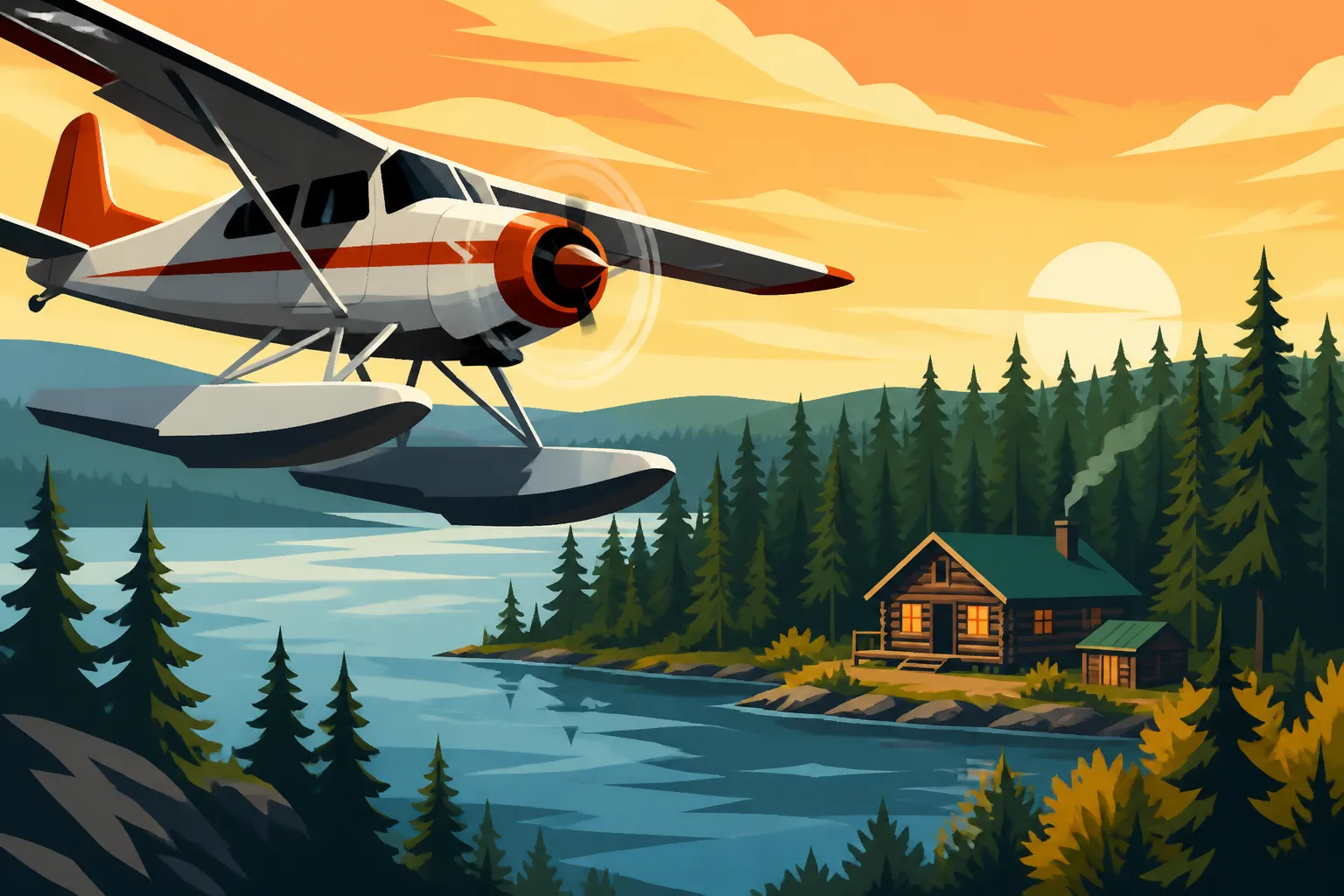
Imagine stepping out of a float plane onto a pristine lake shore, knowing that the nearest road might be hundreds of miles away. This isn't just a romantic notion; it has a direct impact on the quality of your hunt. Animals in these remote territories rarely encounter human pressure. They haven't learned to associate the sound of an ATV or a vehicle door slamming with danger. This often translates into more natural animal behaviour, less skittish game, and, quite frankly, better opportunities to find and harvest mature animals that haven't been pushed around by a constant parade of hunters. For species like moose or caribou, venturing into these far-flung locales can be a game-changer. The sheer scale of the landscape and the undisturbed habitat allow game to thrive, often reaching impressive sizes.
Escape the Crowds and Find True Wilderness
The noise, the traffic, the constant sight of other trucks parked along the bush roads – these are common frustrations for hunters in more accessible areas. A fly-in camp eliminates all of that. When you’re miles deep in the boreal forest or on the edge of the northern tundra, your only companions are your hunting partners and the wildlife itself. This creates an immersive experience, a chance to truly disconnect and appreciate the vastness of Manitoba’s natural beauty. It's a profound sense of isolation that can be incredibly therapeutic. You’ll hear the call of loons, the rustle of wind through ancient trees, and maybe the distant howl of a wolf pack. This isn't just a hunt; it's a wilderness expedition where every moment, from setting up camp to glassing a distant ridge, feels like a genuine adventure. If you're looking to hunt Barren-Ground Caribou Hunting in Northern Manitoba or even remote Black Bear Hunting in Manitoba, a fly-in approach often offers the best, most authentic experience.
Planning Your Bush Plane Expedition
Embarking on a fly-in hunt requires meticulous planning. This isn't a spur-of-the-moment decision; it involves coordinating with air charter services, understanding logistical limitations, and preparing yourself for a truly self-sufficient experience. The success of your trip hinges on how well you anticipate the unique challenges of remote access.
Choosing a Reputable Air Charter Service
Finding the right air charter is paramount. You're not just booking a ride; you're entrusting your safety and the success of your hunt to their expertise. Look for companies with a long-standing reputation for safety, reliability, and experience flying into Manitoba's remote regions. Ask about their fleet, maintenance schedules, and pilot experience in backcountry conditions. Don't hesitate to ask for references from past hunting clients. A good charter service will be transparent about their operations and helpful in guiding you through the planning process. They can offer invaluable advice on everything from departure points, to optimal flight times, and even suggesting good fishing spots near your hunting area. When considering Manitoba Fly-In Camps and Float Planes, always prioritize safety records and client testimonials.
Weight Limits and Packing Smart for Remote Access
This is often the biggest hurdle for new fly-in hunters. Bush planes, especially float planes, have strict weight and balance limitations. Every pound counts. You can't just throw everything but the kitchen sink into your duffel.
Here’s a table outlining common considerations for packing:
| Item Category | Priority & Considerations | Weight Saving Tips |
|---|---|---|
| Gear | Rifle/bow, optics, camp essentials (tent, stove), field dressing kit | Share bulky items, choose lightweight versions (titanium pot) |
| Clothing | Layers for all weather, waterproof outerwear, extra socks | Avoid cotton, pack synthetic or wool for warmth/lightness |
| Food & Water | Non-perishables, high-calorie, easily prepared meals, water filter | Dehydrated meals, instant coffee, purify local water |
| Safety | First-aid, GPS/satellite communicator, signaling devices, survival kit | Combine kits, ensure batteries are fresh, test before leaving |
| Recovery | Game bags, ropes, knife sharpener, small saw | High-strength, lightweight rope, vacuum-seal game bags |
You'll need to think critically about every item. Do you really need it, or is there a lighter, more compact alternative? Will your group share certain items, like a communal stove or a large cooler for game? Discussing these details with your hunting partners and the air charter beforehand is crucial. Understand What a Fly-In Camp Weight Limit Means and adhere to it strictly; exceeding it can mean leaving essential gear behind or incurring extra costs.
Essential Gear for Your Fly-In Camp
Beyond the obvious hunting equipment, certain items become absolutely critical when you're truly off-grid. A reliable satellite communication device (like a Garmin inReach or Zoleo) isn't just a luxury; it's a necessity for emergencies, especially since cell service will be non-existent. A robust first-aid kit tailored for backcountry injuries is a must. Navigation tools, including a reliable GPS (like a device loaded with onX Hunt maps, which can be downloaded for offline use) and a physical map and compass, are indispensable. Even if you're using digital tools, a physical backup is always wise.
Consider lightweight, durable camping gear – a reliable tent that can withstand strong winds and rain, a compact cooking system, and a sleeping bag rated for colder-than-expected temperatures. For processing game, a sharp, high-quality knife, game bags, and a small, foldable saw will be invaluable. Don't forget a headlamp with extra batteries, fire-starting supplies, and enough fuel for your stove for the entire trip. Preparing for various contingencies will ensure your comfort and safety.
What to Expect Once You're There
Stepping off that plane into the stillness of a remote Manitoba camp is an experience like no other. But the adventure doesn't stop there. You're now truly immersed in the wilderness, and your success will depend on your ability to adapt to camp life and hunt effectively in a vast, unblemished landscape.
Camp Life Without Amenities
Forget flushing toilets, hot showers, or reliable internet. Your fly-in camp will likely be a rustic affair, whether it’s a canvas tent setup or a basic cabin without plumbing or electricity. Embracing this simplicity is part of the experience. You’ll be cooking over a camp stove or open fire, drawing water from the lake (and filtering it!), and managing waste responsibly. It’s a chance to reconnect with basic living and appreciate the small comforts.
Days typically start early, often before dawn, and end after dark. There will be chores: gathering firewood, purifying water, maintaining camp cleanliness, and simply preparing for the next day's hunt. This self-sufficiency builds camaraderie among your group and fosters a deep appreciation for the effort involved in hunting in such an environment. It’s a far cry from a cozy lodge, but for many, it's exactly what they seek – a genuine wilderness experience.
Hunting Strategies for Remote Territories
Hunting in remote areas demands different tactics. Since game is less pressured, they might exhibit more natural patterns. However, the sheer size of the territory can also make finding animals challenging. Scouting beforehand with tools like GoHunt, which can help analyze satellite imagery to identify potential game funnels, bedding areas, and feeding grounds, can be incredibly helpful. You might be Hunting Manitoba's Far Northern GHAs or focusing on specific features like Hunting a Beaver Dam Crossing.
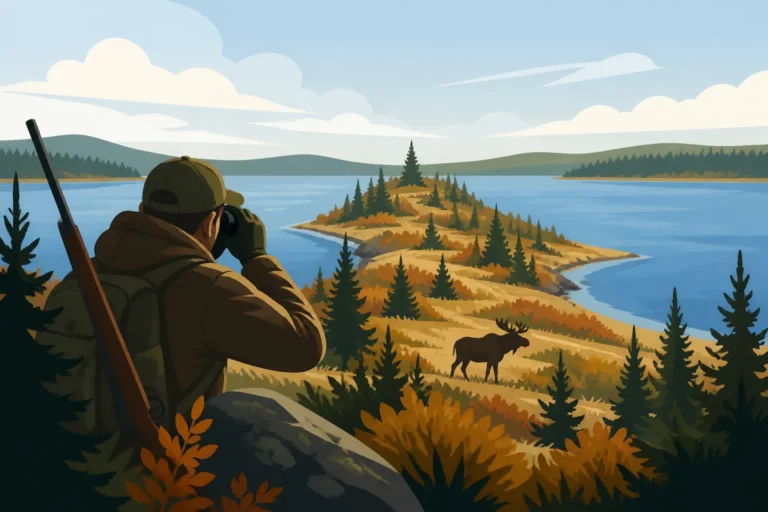
Instead of road hunting, you'll be covering ground on foot, potentially using a small boat or canoe if you're on a lake system. Patience, keen observation skills, and the ability to cover vast distances are key. Focus on identifying natural travel corridors, water sources, and prime feeding areas. Glassing large expanses from high points, if available, can be very effective. Since the animals aren't used to human presence, they might not bolt at the first sign of you, giving you more time for a clean shot. Ethical hunting practices and shot placement are always paramount, but especially so when deep in the backcountry, where tracking an injured animal over long distances is incredibly arduous.
Game Care and Extraction in the Backcountry
Harvesting an animal in a remote camp presents its own set of logistical challenges. Unlike roadside kills, you can’t just back a truck up to it. You’ll need to be prepared for quartering the animal in the field, likely far from camp, and packing the meat out. This requires strong game bags, a good pack frame, and physical stamina. Knowing how to quickly and efficiently field dress and quarter an animal is crucial, especially if temperatures are warm. Meat Care in Manitoba's Cold Snaps is vital to prevent spoilage.
Transporting the meat back to camp, and eventually to the pickup point, is a major undertaking. If you're near water, a canoe or small boat can be a lifesaver. Otherwise, it's all about sweat equity. Once back at camp, proper cooling and storage are essential. Consider bringing a robust cooler and dry ice if feasible, or ensure you have a shaded, airy spot to hang meat, especially in cooler conditions. For those successful in a remote Moose Hunting Manitoba's Boreal Country trip, Quartering a Moose Alone in the Bush becomes an invaluable skill.
Navigating Challenges and Staying Safe
While the allure of a remote fly-in hunt is strong, it's crucial to acknowledge and prepare for the inherent challenges and potential risks. Being proactive about safety and having contingency plans in place will ensure your adventure remains a positive one.
Weather Delays and Contingency Plans
Manitoba weather is notoriously unpredictable, especially in the north. A clear, calm morning can quickly turn into a raging storm, grounding planes and stranding hunters. Understand that weather delays are a real possibility, both for your drop-off and your pickup. Build extra buffer days into your travel schedule. Don't book your return flight home for the day after your planned pickup from camp. This flexibility can save you a lot of stress and expense.
Have extra food and supplies for an additional few days in case of a delay. Your air charter service will monitor weather conditions closely and will communicate any changes. It's frustrating to be stuck, but patience is key. Rushing a flight in unsafe conditions is never worth it. Always discuss potential weather scenarios and the air charter's protocol for delays before you book.
Communication and Emergency Preparedness
As mentioned earlier, reliable communication is non-negotiable. A satellite communicator is your lifeline to the outside world. Not only can it be used for emergencies, but it can also allow you to send check-in messages to loved ones. Everyone in your group should know how to use it.
Beyond communication, a comprehensive emergency plan is vital. This includes:
- First Aid Training: At least one member of the group should have advanced first aid or wilderness first responder training.
- Survival Kit: Include essentials like fire starters, emergency shelter, signaling mirror, whistle, and extra water purification tablets.
- Bear Awareness: You will be in bear country. Carry bear spray and know how to use it. Store food properly to avoid attracting animals.
- Navigation Skills: Beyond GPS, know how to read a map and use a compass. Batteries die, and electronics fail.
- Share Your Plan: Leave a detailed itinerary with someone reliable back home, including your air charter details and expected check-in times.
Understanding Manitoba's Northern Fly-In Access also means acknowledging the remoteness. Should an emergency arise, help is not minutes away. Self-reliance and preparedness are your best defenses.
Respecting the Wilderness and Leaving No Trace
When you hunt in these pristine, remote areas, you become a steward of the land. The "leave no trace" principle isn't just a suggestion; it's a fundamental responsibility. Pack out everything you pack in, including all garbage, food scraps, and spent casings. Dispose of human waste properly, far from water sources and camp areas. Use biodegradable soaps sparingly.
Avoid damaging trees or disturbing the natural environment more than necessary. The goal is for the next person, or perhaps even yourself on a future trip, to find the camp and surrounding area in the same or better condition than you found it. This respect ensures that these incredible fly-in hunting opportunities will remain available for generations to come, preserving the wild spirit of Manitoba's backcountry.
Disclaimer
This article is for general informational purposes only and does not constitute professional advice. Laws, prices and regulations vary by location and change over time. Consult a qualified professional for guidance on your specific situation.