When Gravel Roads Drift Shut
One of the most frustrating realities of hunting in Manitoba during the late season, especially as winter truly digs in, is staring down a gravel road that was perfectly clear a few days ago, only to find it completely impassable, drifted shut with snow. This guide is all about understanding why those gravel roads become snow-blocked, how to anticipate it, and what strategies you can employ to still access your hunting grounds, or at least avoid getting stuck trying.
The Inevitable Reality of Manitoba Winters and Gravel Roads
Anyone who's spent a winter in Manitoba knows that snow isn't always the biggest problem – it's the wind that whips it around. This combination creates unique challenges, particularly for accessing hunting areas via the vast network of gravel roads that crisscross our province.
Why Gravel Roads Are So Susceptible to Drifting
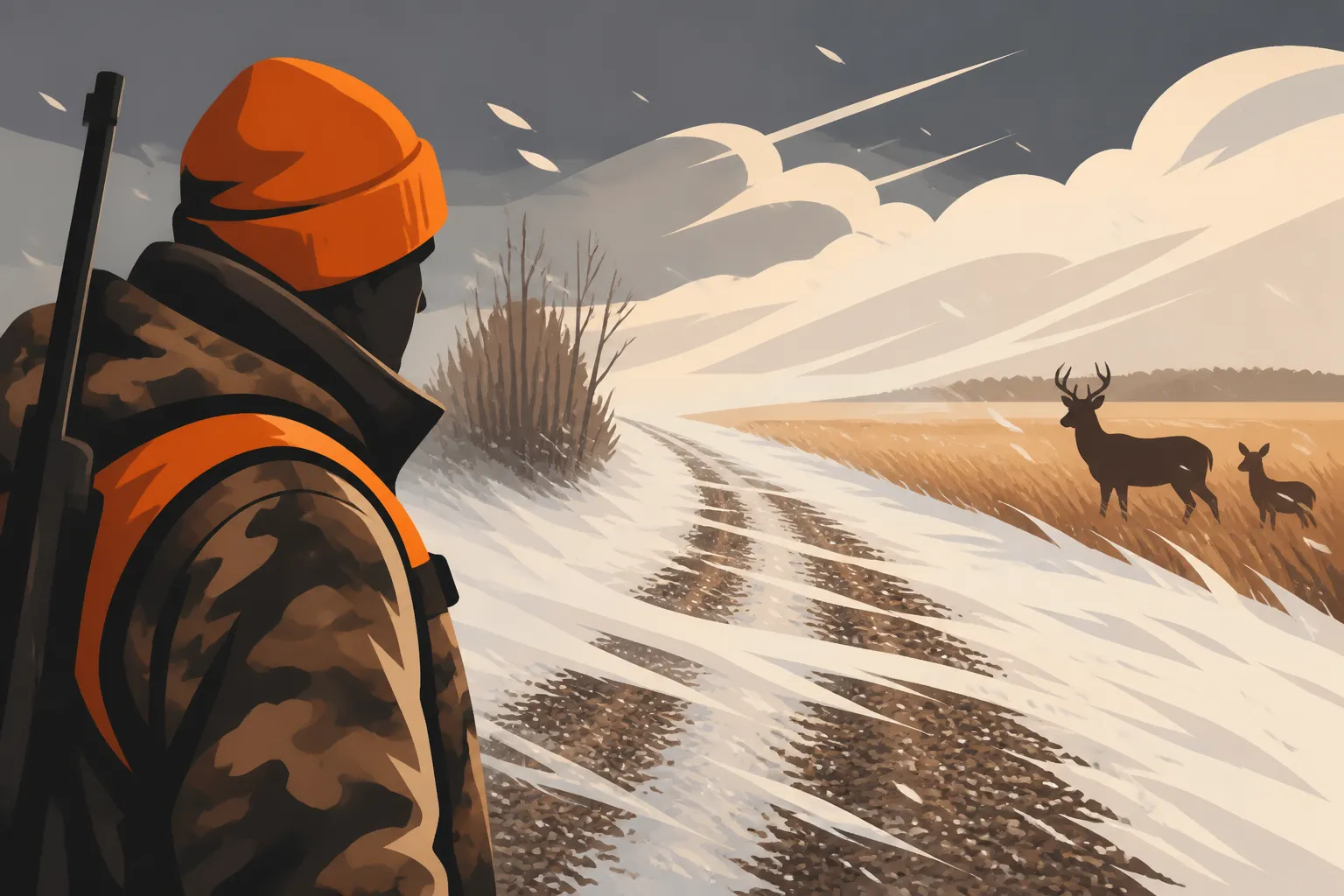
Picture this: mile after mile of wide-open prairie or parkland, vast fields stretching to the horizon. When a strong north or northwest wind blows after a fresh snowfall, that snow has nowhere to go but to accumulate in the lowest points, and often, that's exactly where our gravel roads are. Unlike paved highways which are often built up with higher roadbeds, many gravel roads are simply cut through the landscape, making them perfect wind traps.
The physics of it are pretty straightforward: wind picks up loose snow, and as it encounters any slight obstruction or dip, it loses momentum and dumps its load. A road cut a few feet below field level, or even just a slight elevation change, can become a massive drift in a matter of hours. Add to this the lack of natural windbreaks like dense bush or tall shelterbelts, which are often cleared back from road allowances, and you have a recipe for roads that quickly become impassable. It's a universal frustration, knowing your favourite hunting spot is just beyond that snow wall, yet completely out of reach.
Impact on Late Season Hunting Opportunities
The consequence of these drifted roads for late-season hunters is profound. Many of us look forward to Hunting the Late December Season when deer are often concentrated, and predators like coyotes and wolves are more active, making for prime hunting. However, when the backroads are drifted, a significant portion of what could be excellent hunting ground becomes inaccessible.
This isn't just an inconvenience for getting to your stand or blind; it directly impacts your ability to scout, set up, and most critically, to retrieve game. Imagine successfully harvesting a buck in deep snow, only to realize the access road is drifted for a mile, leaving you with a monumental task of dragging it out. It forces hunters to think differently, sometimes abandoning well-scouted spots simply because the snow dictates where you can and cannot go. It's a stark reminder that in Manitoba, Mother Nature often has the final say in our hunting plans.
Predicting and Preparing for Road Closures
While you can't stop the snow from drifting, you can certainly get smarter about predicting it and preparing for it. A little foresight goes a long way in avoiding a sticky situation, or at least in planning an alternative.
Monitoring Weather Patterns and Forecasts
Becoming a keen observer of weather patterns is probably the most crucial skill for any late-season Manitoba hunter. It's not just about the temperature or whether it's snowing; it's about the wind. Always pay close attention to wind speed and direction in conjunction with recent or forecasted snowfall. A forecast showing light snow followed by strong winds from the north or west is a red flag for drifting conditions on east-west running gravel roads.
Don't just rely on general regional forecasts. Dig a little deeper and look for local weather advisories for rural municipalities. These often provide more specific details on wind chill warnings, snowfall accumulations, and potential travel advisories for secondary roads. Having a few trusted weather apps or even checking government weather websites regularly can give you a significant advantage in anticipating which roads might become problematic. This information allows you to adjust your hunting plans, perhaps heading to areas with better-sheltered access or preparing for a longer walk in.
Utilizing Digital Tools for Road Status and Access
In today's hunting world, digital mapping tools have become indispensable, and they can be a lifesaver when dealing with drifted roads. Platforms like onX Hunt and even tools accessible via GoHunt can provide invaluable insights long before you ever leave your driveway.
These apps allow you to overlay land ownership, property boundaries, and terrain features onto satellite imagery. You can use this to identify potential problem areas for drifting – look for long stretches of road running through open fields without any tree lines or shelterbelts. Conversely, you can also identify roads that might be more sheltered by dense bush or topography, which might remain open longer. Scouting With Satellite Imagery in Manitoba can reveal routes less prone to drifting or highlight alternative walking access points that avoid the worst of the snow accumulation. By studying these maps, you can often identify a safer, albeit sometimes longer, route or plan your approach on foot more effectively. They can also help you understand property lines if you need to consider Getting Permission for a Goose Field or deer hunting on adjacent land.
Physical Reconnaissance and Local Knowledge
Nothing truly beats getting out there and seeing the roads for yourself, or better yet, tapping into local knowledge. If you're planning a hunt in an area, consider a scouting trip before the deep snow and persistent winds set in. Drive the roads you intend to use and mentally note areas that look like they'd be prone to drifting. Are there long, open stretches? Are there low spots? Are the road allowances wide open to the fields?
Even more valuable is connecting with local landowners or residents. Farmers, in particular, spend their lives navigating these very roads and often have an intimate knowledge of which sections drift first and worst, and which ones tend to stay clear. A friendly chat can provide intelligence that no app can replicate. They might even suggest an alternative access point you never knew existed. Knocking on Doors in Manitoba Farm Country isn't just for gaining permission; it's also a fantastic way to gather invaluable local intel about the land, game movement, and yes, road conditions.
Strategies for Navigating or Bypassing Drifted Roads
When you inevitably encounter a drifted road, the decisions you make next can mean the difference between a successful hunt and a frustrating, or even dangerous, ordeal. It's about having the right gear, the right mindset, and knowing when to push forward and when to turn back.
Equipment and Vehicle Preparedness
Trying to navigate drifted gravel roads unprepared is a recipe for disaster. First and foremost, a reliable 4×4 truck with good, aggressive winter tires (many experienced Manitoba hunters even opt for studded tires) is practically a necessity for late-season hunting. Even then, capability has its limits.
Beyond the vehicle itself, a comprehensive Winter Truck Kit for a Manitoba Hunt is non-negotiable. This isn't just about jumper cables; think heavy-duty shovel, a recovery strap (not just a tow rope!), traction mats, and even a bag of sand or cat litter for grip. More importantly, your personal emergency kit should be robust: extra-warm layers of clothing, a thermos of hot beverage, high-energy snacks, a powerful flashlight, matches/lighter, and a reliable communication device. While cell service can be spotty, a satellite messenger or a two-way radio might be your only link to the outside world if you get stuck deep in the bush. And perhaps the most crucial piece of advice: never, ever venture into potentially impassable areas alone. Always let someone know your route and expected return time.
Alternative Access Methods When Roads Are Impassable
When vehicle access is completely shut down, it doesn't necessarily mean the hunt is over. It just means you need to get creative. Snowmobiles and ATVs equipped with tracks can be game-changers for accessing remote areas, provided you understand and adhere to Quad and Side-by-Side Rules on Crown Land. These machines can float over snowdrifts that would swallow a truck, making those far-off spots suddenly reachable. However, always be mindful of snow depth, hidden obstacles, and the sheer cold when operating these machines.
For those who prefer a more traditional approach, or when motorized access isn't feasible, embrace human power. Snowshoes or cross-country skis can transform a frustrating slog through deep snow into an efficient, quiet way to cover ground. This requires different planning: pack lighter, wear appropriate layering to manage exertion and prevent sweating out, and ensure your footwear is up to the task of keeping your feet warm and dry for extended periods. Hunting Safely in Deep Winter Cold takes on a whole new meaning when you're miles from your vehicle on foot. The peace and quiet of still-hunting through deep snow on snowshoes can be incredibly rewarding, offering a unique late-season experience.
Considering the Trade-offs of "Pushing Through"
There's a fine line between cautious determination and outright recklessness when facing a drifted road. It's a gamble we've all considered: "Can I just power through this?" The potential rewards of reaching that prime hunting spot can be tempting, but the risks are significant.
Getting stuck is not just an inconvenience; it can lead to vehicle damage, a lengthy and expensive tow bill, and in severe cold, it can become a genuine survival situation if you're far from help. Before you commit, realistically assess the depth and density of the snow, the length of the drift, and your vehicle's capabilities. Is there an alternative route, or is this the only way?
It's also essential to be mindful of property rights. Even if a road is a public allowance, if it's clearly impassable and unmaintained, attempting to "push through" might put you in a precarious situation that could damage private land or block access for others. Knowing when to turn back, when to find a new spot, or when to simply call it a day is a sign of an experienced and responsible hunter. What to Do If You Get Stuck in the Bush is not a guide you want to need to reference in real-time, so prevention is key.
Post-Storm Recovery and Road Clearing
Once a major snow event has passed and the wind has done its work, the waiting game begins. Understanding how roads are cleared can help manage your expectations and even inform your hunting strategy.
Understanding Municipal and Provincial Plowing Priorities
It's a fact of rural life that not all roads are created equal when it comes to snow clearing. Generally, provincial highways are the top priority, followed by major arterial gravel roads that connect communities. Those smaller, less-travelled gravel roads and dead-end access routes that often lead to prime hunting areas? They're usually at the bottom of the list, and sometimes, they might not see a plow for days, or even weeks, if at all.
This means that if you're relying on a specific backroad to get to your favourite whitetail haunt, you might be out of luck for a while. Municipalities have limited resources, and they prioritize routes for essential services and resident access. Hunting access, unfortunately, is rarely a priority for a plow operator. This reality often requires hunters to either be incredibly patient or to adopt one of the alternative access methods discussed earlier.
Accessing Unplowed Areas After a Significant Drift
Ironically, roads that are permanently "drifted shut" after a major snow event can sometimes become the best places to hunt. Why? Because vehicle access is cut off for everyone. This automatically reduces hunting pressure significantly, turning what was once a commonly accessed area into a remote, undisturbed sanctuary for game.
Once the initial drift sets in, and if no plows are coming, these unplowed roads can offer fantastic opportunities for hunters willing to put in the effort on foot, snowmobile, or ATV with tracks. Finding Ground Other Hunters Drive Past means embracing the effort required to get beyond the plowed sections. Whitetails, in particular, will often yard up in dense cover when snow gets deep, and these untouched areas might lead directly to their wintering grounds. Exploring these challenging, snow-bound areas can lead to incredibly rewarding hunts, especially for savvy hunters targeting animals seeking refuge in the deep snow, like those found when Where Manitoba Whitetails Bed in Deep Snow. Sometimes, a drifted-in gravel road leads directly to a Hunting a Frozen Slough Crossing which becomes a game funnel. You might be Hunting Whitetails at Thirty Below, but the lack of pressure makes it worthwhile.
Here's a quick comparison of different types of roads and their drifting susceptibility:
| Road Type | Susceptibility to Drifting | Plowing Priority | Best Late-Season Access Strategy (Post-Drift) |
|---|---|---|---|
| Paved Provincial HWY | Low to Moderate | High | Standard Vehicle Access (usually clear) |
| Major Gravel Road | Moderate to High | Moderate | 4×4, Monitor Conditions, Snowmobile Possible |
| Minor Gravel Road | High to Very High | Low | Snowmobile/ATV (tracked), Snowshoes/Skis |
| Dead-End Bush Trail | Very High | Very Low / None | Snowmobile/ATV (tracked), Snowshoes/Skis |
Remember, the solitude and potential for untouched game in areas where gravel roads have drifted shut can be a powerful draw. It's all about being prepared, adaptable, and respecting the raw power of a Manitoba winter.
Disclaimer
This article is for general informational purposes only and does not constitute professional advice. Laws, prices and regulations vary by location and change over time. Consult a qualified professional for guidance on your specific situation.