Manitoba GHAs Reachable Only by Plane
When you dream of truly wild places, far from roads and human hustle, Manitoba's remote fly-in Game Hunting Areas (GHAs) often come to mind. These are the places where the whisper of the wind is the only constant sound, where animals live largely unpressured, and where your own resourcefulness is tested. This isn't just a trip; it's an expedition into the heart of untouched wilderness, and this guide is here to walk you through everything you need to know about reaching and hunting these incredible, plane-only destinations.
The Call of the Wild: Why Fly-In GHAs in Manitoba Are Unique
There's a special allure to hunting areas that are simply inaccessible by road. It means fewer people, less pressure on the game, and an undeniable sense of raw adventure. Manitoba offers some incredible opportunities for those willing to take to the skies to find their hunt, stretching from the northern reaches of the boreal forest to the very edge of the tundra.
Defining "Plane-Only" Access: Beyond the Road System
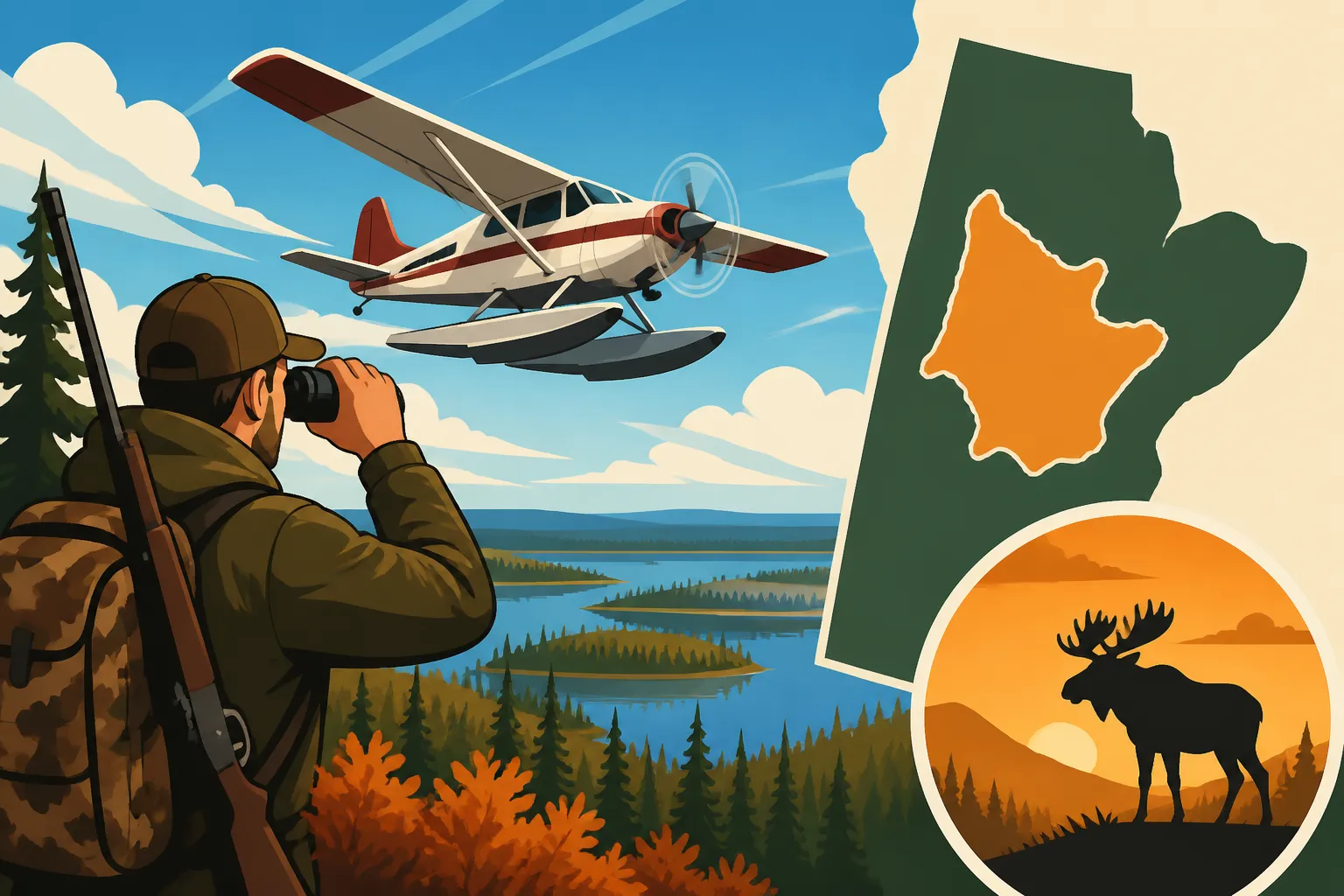
When we talk about "plane-only" GHAs, we're really talking about vast tracts of Manitoba's northern wilderness that have no established road infrastructure. You can't just hop in your truck and drive to these spots, no matter how good your four-wheel drive is. Access is solely by air, typically a float plane or, in some cases, a wheeled plane landing on a remote airstrip if one exists. This remoteness isn't an accident; it's what preserves these areas as some of the most pristine hunting grounds available.
The terrain itself often dictates this aerial access. Imagine endless stretches of dense boreal forest, dotted with countless lakes, rivers, and muskeg, or the rugged, rocky expanse of the Canadian Shield transitioning into open tundra. Building roads through such landscapes is often impossible, cost-prohibitive, or simply undesirable from a conservation perspective. This means that the only way to reach your hunting camp or drop-off point is to fly over these expansive, wild territories, giving you a bird's-eye view of the untouched beauty below. The sheer scale of these areas, often covering thousands of square kilometers, makes any other form of access impractical for hunting purposes.
This isolation is precisely what many hunters crave. It strips away the conveniences and distractions of modern life, forcing you to rely on your skills, your gear, and your hunting partners. The quiet of these remote camps is profound, punctuated only by the calls of loons, the rustle of wind through the trees, or the distant howl of a wolf. It’s a complete immersion in the wild, offering an experience that simply cannot be replicated on road-accessible land. You truly feel like you've stepped back in time, into a landscape where nature holds undeniable sway.
Species Found in Manitoba's Remote North
The big draw for many hunters venturing into Manitoba's fly-in GHAs is the opportunity to pursue iconic northern big game species in their natural, unpressured habitats. While other species exist, certain animals truly define the remote hunting experience here.
Barren-ground caribou are often at the top of the list for hunters willing to fly in. These majestic animals undertake vast migrations, and accessing their northern range often requires a float plane or even a chartered flight to a remote tundra camp. The challenge of hunting Barren-Ground Caribou Hunting in Northern Manitoba is immense, but the reward of a successful hunt in such a wild setting is unparalleled. These herds move across vast, open landscapes, and spotting them from the air or tracking them across the tundra adds an epic dimension to the hunt.
Moose are another prime target in the remote boreal forests. Away from logging roads and easy access, these areas hold some fantastic moose populations. The density of prime moose habitat – wetlands, willow bottoms, and young regrowth – is incredible, offering superb opportunities for calling in a bull. Hunting Moose Hunting Manitoba's Boreal Country in these fly-in areas often means longer stalks, more physical effort, and a true test of your bush skills. You're not just looking for a moose; you're immersing yourself in its undisturbed world, listening to the echoing calls through the vast northern bush.
Black bears also thrive in Manitoba's expansive northern forests. With plenty of untouched habitat and abundant food sources, these remote GHAs can produce impressive bears. While baiting is a common method in more accessible areas, a fly-in bear hunt might involve spot-and-stalk opportunities in remote clearings, or carefully set baits in pristine wilderness, far from any human disturbance. The chance to pursue a large, unpressured boar in a truly wild setting adds another layer of excitement and challenge to the experience. Sometimes, if you're lucky and the tags align, you might even get the chance to add a wolf to your caribou or moose hunt, as these predators are a natural part of the northern ecosystem.
The Untouched Landscape: Boreal Forest to Tundra Edge
Manitoba's remote fly-in GHAs offer an incredible spectrum of landscapes, each presenting its own unique challenges and beauty. Understanding these environments is crucial for planning your hunt and adapting your strategies.
The journey often begins over the vast, dense boreal forest, an endless sea of spruce, jack pine, and tamarack, interspersed with poplar and birch. This forest is riddled with countless lakes, rivers, and wetlands – a mosaic of water and timber that provides critical habitat for moose and bear. Hunting in these areas means navigating thick cover, understanding how animals use terrain features like ridges, creek bottoms, and islands of higher ground. The sheer scale can be daunting, but with detailed maps and careful planning, these areas hold fantastic game potential. The canopy can be thick, making visibility limited, so still-hunting, listening for subtle sounds, and understanding wind direction become paramount.
As you fly further north, especially towards areas like those where barren-ground caribou roam, the landscape gradually transforms. The dense boreal forest thins out, giving way to what’s known as the "taiga" – a transition zone where sparse forests mingle with open rocky outcrops, vast peat bogs, and stunted trees. Eventually, you reach the tundra edge, a treeless expanse dominated by low-lying shrubs, mosses, lichens, and vast open spaces. This is a dramatically different hunting environment. The visibility is often expansive, making spotting game from a distance possible, but it also means the animals can spot you. The ground can be challenging underfoot, a mix of soft muskeg, rocky ridges, and boggy areas, making long hikes physically demanding.
Each of these distinct landscapes, from the deep green of the boreal to the ochre and grey of the tundra, presents specific considerations for a hunter. The weather can change dramatically and quickly in the North, and the ground itself will influence your choice of footwear, the type of shelter you bring, and how you approach your quarry. This isn't just a backdrop; the landscape itself is an active participant in your hunting adventure, demanding respect and careful preparation.
Planning Your Aerial Expedition: Logistics and Licensing
Embarking on a fly-in hunt is not a spur-of-the-moment decision. It requires meticulous planning, from choosing your destination to securing the right permits, and understanding the unique demands of traveling by air into the wild.
Researching Your Target GHA and Species
The first step in planning any remote hunt is thorough research. You need to identify which specific Game Hunting Areas are truly "plane-only" and then determine which GHAs align with your target species and preferred hunting style. Are you dreaming of a caribou hunt in the far north, or a moose adventure in the deep boreal? Each choice will narrow down your GHA options considerably. It's not enough to simply know the GHA number; you need to understand the terrain, the typical game movements, and any specific regulations that might apply to that particular area.
Modern mapping tools are absolutely invaluable here. Platforms like onX Hunt allow you to virtually scout these remote areas from your computer or tablet, long before you ever step foot in a plane. You can pore over detailed satellite imagery, identifying potential campsites, glassing points, water sources, and natural travel corridors for game. This kind of pre-trip reconnaissance, combined with checking Scouting With Satellite Imagery in Manitoba, can give you a significant advantage once you’re on the ground. You can mark waypoints, measure distances, and get a real feel for the topography, which is especially critical when you're thousands of miles from the nearest road.
Beyond mapping, you’ll need to delve into the specific regulations. This means consulting the official Manitoba hunting guides for Manitoba Big Game Season Dates and species-specific rules. Don't assume that rules in road-accessible areas apply universally; remote GHAs can sometimes have different seasons, limits, or even unique restrictions designed to protect pristine populations. Websites like GoHunt (though often focused on Western US draws) can still offer broader insights into big game hunting strategies or general gear reviews that might apply to any remote hunt, helping you refine your approach, even if not providing Manitoba-specific GHA data.
Chartering a Float Plane: What to Expect
The float plane is your lifeline to these remote areas, and booking a charter is a critical part of the planning process. Float planes are specialized aircraft designed to land on water, making them perfect for accessing the myriad of lakes and rivers that crisscross Manitoba's northern wilderness. You'll typically arrange your charter from a base camp or small town located at the edge of the road network, where the float plane operators are based.
When booking, communication is key. You'll need to discuss your group size, the amount of gear you plan to bring, and your desired drop-off and pick-up locations. The most crucial factor will be the weight limit. Aircraft have strict payload restrictions, and adhering to these limits is non-negotiable for safety. This means every pound of gear, every ounce of food, and every hunter counts. Understanding What a Fly-In Camp Weight Limit Means is paramount, as it directly impacts your packing strategy and how many trips the plane might need to make to get your entire party and gear in. It’s not uncommon for groups to divide their gear into separate loads if they exceed the plane's capacity for a single trip.
Different types of aircraft offer varying capacities and range. Smaller planes like a Cessna 185 or 206 might suit a couple of hunters with moderate gear, while larger aircraft like a De Havilland Beaver or Otter can accommodate more people and significantly more weight. Your choice of outfitter or charter company will often dictate the available aircraft. Ensure you understand the flight plan, expected duration, and contingency plans for bad weather. Weather can cause delays in remote flying, so building in an extra day or two at either end of your trip for travel is always a wise decision to avoid missing connecting flights or returning to work late.
Licensing, Permits, and Non-Resident Considerations
No matter how remote your hunting destination, proper licensing and permits are absolutely essential. This is not a place where you want to cut corners or leave anything to chance. For any hunt in Manitoba, you’ll need to acquire the appropriate resident or non-resident hunting licence, along with the specific tags for the species you intend to harvest. Details on these can be found in Manitoba Hunting Licences and What They Cost.
For non-residents, especially those from outside Canada, there are additional layers of consideration. Rules for Non-Residents Hunting Manitoba are explicit, and generally, foreign residents (from countries other than Canada) are required to book their big game hunt with a licensed Manitoba outfitter. This means a fly-in hunt for caribou, moose, or bear will almost certainly involve contracting with an outfitter who will handle much of the logistical heavy lifting, including chartering planes, setting up camps, and guiding the hunt. Understanding Which Species Foreign Hunters Must Book Guided is crucial before you even start researching GHAs.
Canadian non-residents, however, often have more flexibility and may be able to conduct self-guided fly-in hunts, provided they meet all other licensing and safety requirements. Regardless of your residency status, ensure all your paperwork is in order well in advance. Print multiple copies of your licences and tags, keep them protected, and make sure they are accessible. Game Hunting Area boundaries are clearly defined, and you must operate strictly within the legal parameters of your licence and GHA.
Preparing for Self-Sufficiency in the Manitoba Bush
A fly-in hunt means you are almost entirely self-reliant once the plane drops you off. There's no corner store, no quick trip back to the truck for forgotten items, and certainly no cell service in most of these areas. Every item you bring must serve a purpose, and your preparedness for unexpected challenges is paramount.
Essential Gear for Remote Survival and Hunting Success
Packing for a fly-in hunt is a delicate balance between necessity and the strict weight limits of a bush plane. Every item needs to be meticulously chosen for its utility, durability, and weight. Think layers for clothing, as northern Manitoba weather can swing dramatically from warm days to freezing nights, even in early fall. High-quality rain gear is non-negotiable; staying dry is key to staying warm. Insulated outer layers, warm hats, gloves, and sturdy, waterproof boots designed for extended walking and sitting in cold temperatures are paramount.
Your sleeping system needs to be robust. A good quality sleeping bag rated for colder temperatures than you anticipate (it's always better to be too warm than too cold), a durable sleeping pad for insulation and comfort, and a reliable tent or shelter are fundamental. For cooking, lightweight and efficient camp stoves, fuel, and dehydrated or non-perishable food items will be your best friends. Don't forget a comprehensive first-aid kit that can handle everything from minor cuts to more serious injuries, including any personal medications. It's often a good idea to pack two separate smaller first-aid kits rather than one large one, in case one gets lost or separated from your main pack.
For hunting, your rifle or bow should be sighted in and reliable. Bring extra ammunition, a cleaning kit, and any specialized optics like binoculars or a spotting scope. Knives for field dressing, a sharpening stone, game bags, and cordage for hanging meat are also crucial. Consider a small, lightweight saw or hatchet for camp chores. Remember, everything you pack in, you will also need to pack out, potentially with the added weight of game meat and a trophy.
Navigation and Emergency Communication
In remote, trackless wilderness, reliable navigation tools are absolutely essential. A good quality handheld GPS device loaded with detailed maps (including any points of interest you marked during your onX Hunt scouting) is your primary tool. Don't just rely on electronics; always carry a physical map of your GHA and a compass as backup. Know how to use them, even if you prefer your GPS. Being able to navigate by terrain features, sun, and stars can be a literal lifesaver if your electronics fail.
Beyond knowing where you are, being able to communicate in an emergency is paramount. Cell service is virtually non-existent in Manitoba's fly-in GHAs. A satellite phone or a two-way satellite messenger device (like a Garmin inReach or Spot device) is a critical piece of safety gear. These devices allow you to send and receive messages, track your location, and, most importantly, send an SOS signal in a true emergency. Make sure your device is charged, functional, and that you understand how to use it before you leave home.
Before you fly in, establish an emergency plan with someone back home. Provide them with your exact GHA, your intended route or hunting area, your expected return date, and contact information for your float plane charter. Arrange check-in times with your satellite device. This person becomes your point of contact, and if you fail to check in, they can initiate a search or rescue effort. This level of preparedness isn't about paranoia; it's about responsible hunting and ensuring that help can find you if you ever truly need it in a place where self-rescue might be impossible.
Food, Water, and Camp Setup
Planning your food and water strategy is critical for a remote fly-in hunt. Given the weight restrictions, dehydrated meals are a popular choice due to their light weight and ease of preparation. Supplement these with high-energy snacks, coffee, and other lightweight, calorie-dense foods. Carefully portion everything and pack it efficiently. Remember that a fresh moose or caribou liver can make a fantastic meal early in the hunt, so leave a little room in your initial food plan for this wild delicacy!
Water sources are usually abundant in northern Manitoba – countless lakes and rivers. However, drinking directly from these sources is generally not advisable due to potential contaminants. Bring a reliable water purification system, such as a filter, purification tablets, or a portable UV sterilizer. Carrying a few large collapsible water bladders is also useful for transporting water from your source back to camp.
Setting up a safe and secure camp is a primary concern. Choose a site that offers some protection from the elements, access to water, and is elevated to avoid potential flooding. In bear country, which all of northern Manitoba is, rigorous bear-proof measures are essential. This means cooking and storing all food and scented items well away from your sleeping area, ideally by hanging them from a sturdy tree or storing them in bear-resistant containers. Keep your camp clean, free of food scraps, and always be aware of your surroundings. A well-organized, clean, and bear-conscious camp is a safe camp, allowing you to focus on the hunt.
The Hunt and Beyond: Experience and Responsibility
The moment the float plane fades into the distance, leaving you surrounded by an immense silence, the true fly-in hunting experience begins. It’s a test of skill, endurance, and patience, but it also comes with a profound responsibility to the land and the animals.
Hunting Strategies in Remote Environments
Hunting in plane-only GHAs is a fundamentally different experience than hunting close to roads. Forget about short walks from the truck; here, extensive foot travel is the norm. You'll be covering vast distances on foot, often through challenging terrain, so physical fitness is a key component of success. The animals in these areas are often less accustomed to human presence, but they are still wild and possess keen senses.
Your strategy will largely depend on your target species. For Barren-Ground Caribou Hunting in Northern Manitoba, patience and expansive glassing are crucial. You'll often be spotting animals at great distances across the open tundra, requiring precise stalking skills to close the gap. For moose, calling can be incredibly effective, especially during the rut. Setting up in prime moose habitat and imitating cow or bull calls can draw a curious bull right into your shooting lane, but it takes patience and understanding of their behaviour. Calling Moose in Manitoba's Boreal Forest requires both skill and a deep appreciation for the habitat.
Still-hunting through dense boreal forest for deer or bear requires slow, deliberate movements, utilizing the wind to your advantage, and constantly scanning for movement or signs. Reading Sign After a Fresh Snow can be particularly effective for tracking animals in late season. Regardless of the species or specific tactics, remember that you are deep in their territory. Respect their senses, move quietly, and be prepared for long hours in the field.
Meat Care and Trophy Preservation in the Field
A successful hunt in a remote GHA comes with the immediate challenge of field dressing, meat care, and trophy preservation. With no immediate access to butcher shops or walk-in coolers, you are entirely responsible for ensuring your hard-won game is handled correctly. This is not just about ethics; it's about preventing spoilage and honouring the animal.
As soon as an animal is down, the clock starts. Efficient and thorough field dressing is paramount to quickly cooling the carcass. For larger animals like moose or caribou, quartering the animal in the field is usually necessary to facilitate transport, especially if you're packing it out on foot to your camp. Get the hide off quickly, remove all internal organs, and get the meat cooled as rapidly as possible. Meat Care in Manitoba's Cold Snaps provides excellent guidance on handling game in various temperatures. Hang quarters in game bags in a shady, airy spot to promote cooling and protect from insects and scavengers.
For trophies, careful caping of the head and hide is necessary for taxidermy. If you're after a bear rug, ensuring the hide is fleshed and salted properly is vital to prevent hair slippage. Antlers or horns need to be protected during transport to avoid damage. When it's time to fly out, your float plane operator will have specific requirements for how meat and trophies should be packed. Large game bags, heavy-duty tarps, and sturdy boxes or coolers are often used. Packing Caribou Out to a Float Plane offers specific advice, but the principles apply to any large game. Remember, the weight of the meat and trophy will count towards your plane's payload, so plan for additional flights or reduced personal gear if necessary.
Environmental Stewardship and Respect for the Land
Hunting in Manitoba's plane-only GHAs comes with a heightened sense of responsibility. These are truly wild places, and our actions as hunters directly impact their pristine nature. Adhering to "Leave No Trace" principles is not just a suggestion; it's a fundamental ethical obligation. Pack out everything you pack in, including all trash, spent casings, and even food scraps. Minimize your impact on the vegetation and terrain. Leave your camp as if you were never there.
Beyond leaving no physical trace, it's crucial to understand and respect all regulations governing these areas. This includes GHA boundaries, specific season dates, bag limits, and any special closures or restrictions. For instance, some areas may have Manitoba's Moose Conservation Closures to allow populations to recover, and it's your duty to know and follow these rules. This adherence to regulations is about more than just avoiding fines; it's about contributing to sustainable wildlife management and preserving these incredible resources for future generations.
The privilege of hunting in such untouched wilderness comes with a profound responsibility. It's an opportunity to connect with nature on a deeper level, to test your skills, and to experience the raw beauty of Manitoba's North. By practicing ethical hunting, showing respect for the land, and leaving only footprints, we ensure that these plane-only GHAs remain wild, vibrant, and accessible to those who seek true wilderness adventures.
Disclaimer
This article is for general informational purposes only and does not constitute professional advice. Laws, prices and regulations vary by location and change over time. Consult a qualified professional for guidance on your specific situation.