Hunting Around Lac du Bonnet
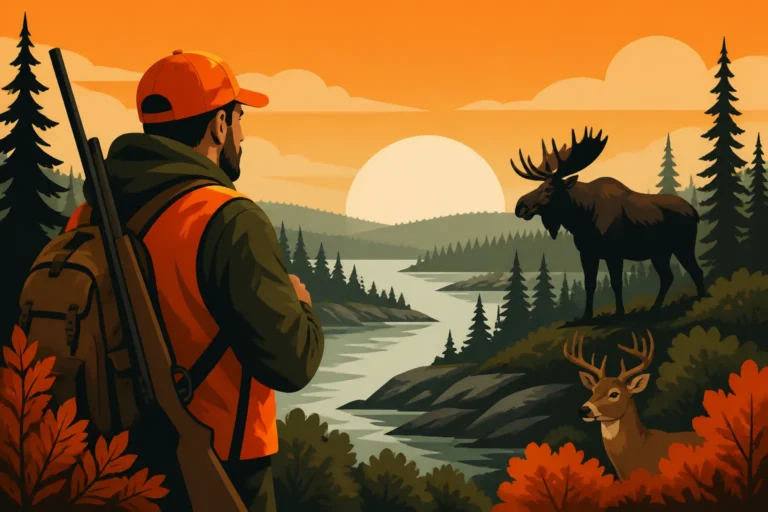
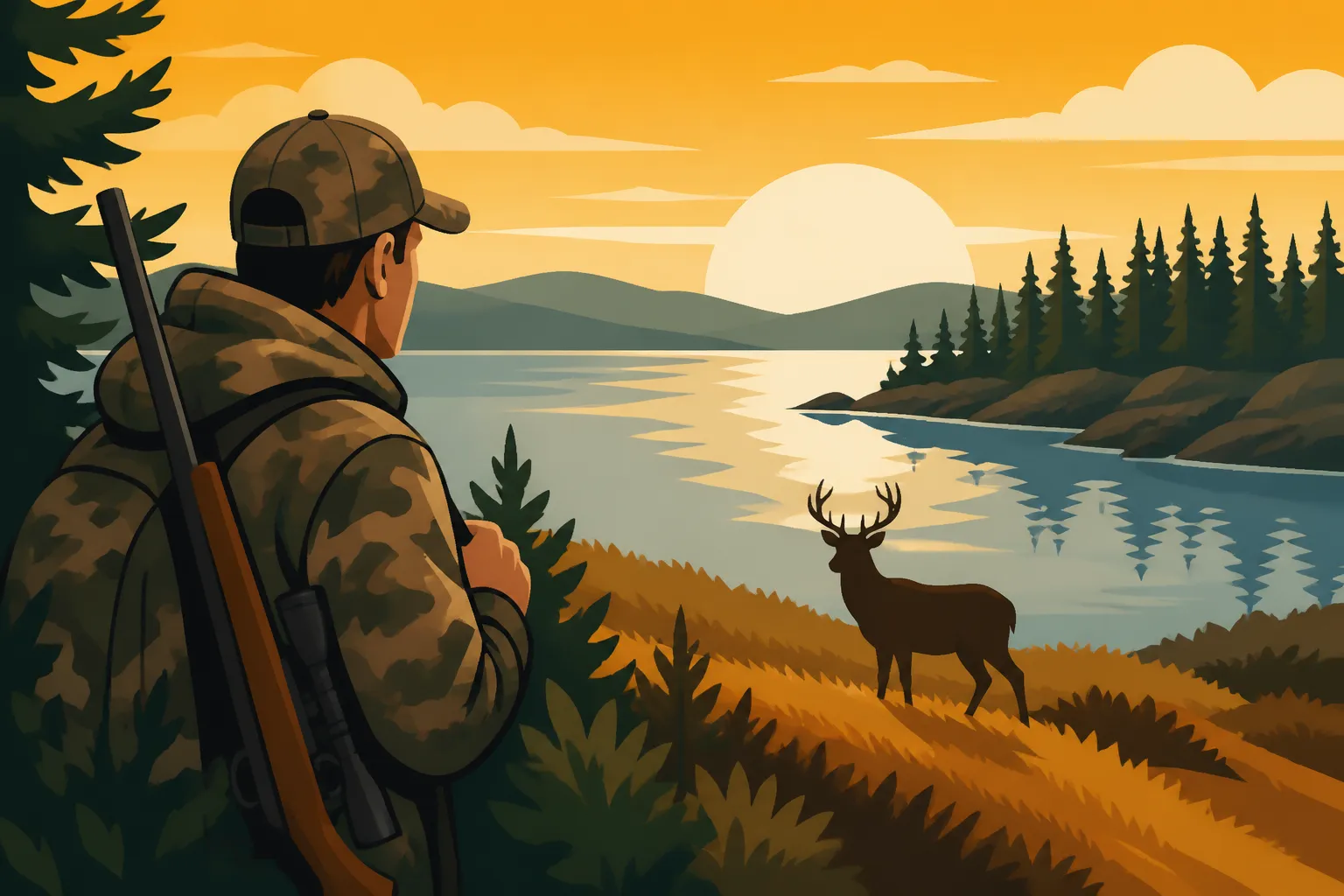
Oh, the Lac du Bonnet area! If you've ever found yourself gazing at those beautiful granite outcrops, sparkling lakes, and dense boreal forests, you know it's a special place. But if you're like many hunters, you might also feel a touch of overwhelm trying to figure out where to even begin in such a unique, rugged landscape. This guide is all about demystifying hunting around Lac du Bonnet, helping you navigate its distinct terrain and understand the incredible opportunities it holds for connecting with Manitoba's wild side.
The Unique Character of Lac du Bonnet's Hunting Grounds
Hunting around Lac du Bonnet isn't like chasing deer in the flat farmlands of southwestern Manitoba or calling moose in the far northern reaches of the province. This area sits squarely in Manitoba's Eastern Shield country, a geological marvel that dictates everything from the types of game you'll find to how you'll approach your hunt. It's a landscape sculpted by ancient glaciers, leaving behind a mosaic of granite bedrock, dense stands of black spruce and jack pine, vibrant mixed forests of poplar and birch, and countless lakes and rivers. This isn't just pretty scenery; it fundamentally shapes the game's behaviour and the hunter's strategy.
Dominant Habitats and Their Influence
The Eastern Shield, particularly around Lac du Bonnet, is characterized by its distinct blend of forest types and water features. You'll encounter vast stretches of boreal forest, where the ground can be a mix of rocky outcrops and boggy muskeg. Interspersed are pockets of deciduous trees, especially along water bodies and in areas that have seen past logging or wildfire activity. These varied habitats create a complex ecosystem that supports a diverse range of wildlife, but also demands a flexible hunting approach.
For instance, whitetails here aren't typically found in massive numbers congregating in agricultural fields like in other parts of the province. Instead, they’re often more spread out, sticking to the fringes where different habitat types meet, or in the more productive mixed wood areas. Moose, on the other hand, thrive in the wetter, boggy areas and along the edges of the numerous lakes and streams, browsing on willows and aquatic vegetation. Bears find sanctuary and food throughout the entire region, with their movements often dictated by berry crops, denning sites, and human-provided attractants like bait sites. The sheer amount of water also makes this area a fantastic draw for waterfowl, with countless small lakes and sloughs acting as staging areas and feeding grounds. You can learn more about this general region by reading Hunting Manitoba's Eastern Shield Country.
Primary Game Species to Target
While the Lac du Bonnet area offers a variety of hunting opportunities, a few species truly stand out as prime targets for residents and non-residents alike. Each requires a different mindset and approach, adapted to the specific challenges and rewards of the shield country.
- White-tailed Deer: These are the bread and butter for many hunters, but expect a different challenge here. Whitetails in the shield country are often bushier and can be harder to pattern than their farmland cousins. They use the thick cover to their advantage, moving stealthily through dense spruce and jack pine. You'll find them often along rocky ridges, beaver flowages, and especially where poplar and birch stands offer more nutritious browse. The key is finding those pockets of good feed and cover, often dictated by past logging or fire, and focusing your efforts there.
- Black Bear: The Lac du Bonnet region is prime black bear habitat. The dense forests, abundant berry crops, and vast unpressured areas make it an excellent spot for both spring and fall bear hunts. Bears here often grow quite large, and there's a good chance of encountering different colour phases, from the more common black to cinnamon or even chocolate browns. Baiting is a popular and effective method here, allowing hunters to pattern bears and get a good look before taking a shot. We've talked extensively about this in Black Bear Hunting in Manitoba.
- Moose: While not as universally abundant as deer or bear, moose can be found in the wetter, more remote sections around Lac du Bonnet. These are often solitary creatures, preferring the quiet solitude of muskegs, beaver ponds, and thick spruce swamps. Calling during the rut can be highly effective, especially around waterways. If you’re truly looking for a challenge and the chance at a magnificent bull, this area holds potential, but often requires more effort and deeper penetration into the bush. For a deeper dive into hunting these majestic animals, check out Moose Hunting Manitoba's Boreal Country.
- Waterfowl and Upland Birds: The myriad lakes, rivers, and marshes make Lac du Bonnet a waterfowl paradise during migration. Mallards, pintails, and various diving ducks use the extensive water systems. Additionally, the mixed forests provide excellent habitat for ruffed grouse, and sometimes spruce grouse in the denser conifer stands. Walking old logging roads, ATV trails, or even canoe portages can yield great results for upland bird hunters.
Accessing Hunting Land Around Lac du Bonnet
One of the biggest advantages of hunting in the Lac du Bonnet area is the sheer amount of public land. Unlike many other hunting regions, you won't always be knocking on doors for permission here. However, understanding where the public land is, and how to effectively navigate it, is absolutely crucial. This is where modern tools become indispensable, saving you countless hours of scouting and frustration.
Crown Land vs. Private Property
Manitoba has a substantial amount of Crown Land, and the Eastern Shield, including the Lac du Bonnet region, is no exception. These are lands owned by the province and generally open to public hunting, subject to specific regulations and seasonal closures. However, interwoven with this Crown Land are private parcels, cottages, and commercial properties, especially closer to the town and along the major waterways. Respecting private property is paramount, and inadvertently trespassing can ruin a hunt and damage the reputation of all hunters.
This is where a good mapping app truly shines. Tools like onX Hunt are invaluable for clearly delineating Crown Land from private holdings, showing property lines, and even often indicating landowner names. Before you ever leave your driveway, you can zoom in on the specific Game Hunting Area (GHA) you plan to hunt and identify access points, potential pinch points, and large blocks of accessible land. This foresight means you spend more time hunting and less time guessing. Manitoba Crown Land Access provides excellent information on this topic.
Navigating the Terrain: Roads, Trails, and Waterways
Accessing hunting areas around Lac du Bonnet is a mix of convenience and challenge. You'll find a good network of paved and gravel roads, especially near the town and connecting to various communities. However, once you venture off these main arteries, access often quickly transitions to ATV trails, old logging roads, or even requires watercraft.
- Roads: Many areas are accessible by truck, especially along gravel roads and smaller municipal routes. These often provide a good starting point for walk-in hunting. Be aware that these roads can become very soft after heavy rain or during spring thaw, and some might not be maintained in winter.
- ATV Trails & Old Logging Roads: These are your gateway to deeper bush country. They offer fantastic access for hiking, but if you plan to use an ATV, make sure you understand the rules for operating them on Crown Land and specific trails. These trails are also excellent for still hunting or setting up blinds, as game often uses them as travel corridors. Keep an eye out for fresh tracks on these trails, as they can tell you a lot about local game movement.
- Water Access: Given the abundance of lakes and rivers (like the Winnipeg River system itself), a boat or canoe can open up entirely new hunting opportunities. Many remote islands and shoreline areas are only accessible by water, offering unpressured hunting for deer, bear, and waterfowl. Scouting these areas by boat can reveal hidden bays, points, and cover that land-based hunters might miss. Just remember to always prioritize safety on the water, especially in colder weather.
A Quick Look at Local GHAs
The Lac du Bonnet area falls primarily within certain Game Hunting Areas (GHAs), which define the specific regulations, season dates, and species limits. Before planning any hunt, you absolutely must confirm which GHA you'll be in and consult the most current Manitoba Hunting Guide. These GHAs are the official administrative boundaries for hunting, and understanding them is non-negotiable.
| GHA | Primary Game Species | Key Features | Access Notes |
|---|---|---|---|
| GHA 20A | Whitetail, Bear, Moose, Waterfowl | Eastern Shield, dense bush, numerous lakes | Good road access on main routes, but quickly becomes ATV/boat dependent off paved roads. |
| GHA 20B | Whitetail, Bear, Moose, Waterfowl | Similar to 20A, but often more remote in parts | Can require more extensive travel or water access to reach deeper sections. |
| GHA 20C | Whitetail, Bear, Moose, Waterfowl | Includes portions of the Whiteshell Provincial Park fringe. | Check specific park boundary regulations carefully, as hunting is restricted within much of the park. |
| GHA 26 | Whitetail, Bear, Moose, Waterfowl | More northern extent of the shield. | Can be very remote, often relying on resource roads or water access. |
Always double-check the current Manitoba Hunting Guide for precise GHA boundaries, regulations, and season dates before planning your trip. For more general information on how these areas work, you can read Manitoba's Game Hunting Areas.
Specific Hunting Tactics for the Lac du Bonnet Region
Hunting in the shield country around Lac du Bonnet demands a different set of skills and strategies than hunting in open agricultural lands. The dense cover, rocky terrain, and presence of large predators (like bears and wolves) mean you need to be prepared for rugged conditions and adapt your approach.
Still Hunting and Stand Hunting in the Bush
For whitetails and even bear, still hunting is incredibly effective here. This involves moving slowly and deliberately through the bush, pausing frequently to observe, listen, and scan for movement. The goal isn't to cover vast distances, but to move quietly enough to surprise game that might be bedded or feeding nearby. Focus on areas of mixed timber, transitions between dense spruce and more open poplar stands, or along the edges of swamps and beaver flowages. Pay close attention to fresh tracks, rubs, and scrapes, particularly in the lead-up to and during the rut. Reading Whitetail Sign in Manitoba Aspen can help you interpret what you find.
Stand hunting is also a solid tactic, but requires careful placement. Instead of overlooking massive fields, you'll be keying in on natural funnels, pinch points between water bodies, or active trails connecting bedding areas to food sources. Look for subtle elevation changes, like rocky ridges, or game trails crossing beaver dams. These can be natural travel corridors. A comfortable, well-placed tree stand or ground blind can be deadly, especially during the rut when bucks are actively cruising for does. Consider hanging a stand on a natural choke point. Hanging a Stand on a Manitoba Bush Edge might give you some ideas.
Bear Baiting in the Boreal
If black bear is your primary target, baiting is undeniably one of the most successful methods in this dense environment. The thick cover makes traditional spot-and-stalk hunting very challenging, though not impossible. Setting up an active bait site allows you to draw bears into a predictable location, giving you the opportunity to assess the animal and make an ethical shot.
When baiting, consistency is key. Establish your bait well in advance of your hunt, if possible, and maintain it regularly. Use strong-smelling attractants and high-calorie foods. Placement is also critical: choose a spot with good cover for yourself, a clear shooting lane, and escape routes for the bear. Ensure your bait is well away from residences, public trails, and other areas where it might attract unwanted attention. Remember to check all local regulations regarding baiting, as rules can change. You'll find more details on this in Setting a Bear Bait Site in Manitoba.
Waterfowl and Upland Bird Strategies
For waterfowl, scouting is paramount. Drive or boat around the numerous lakes and sloughs in the evening to locate where birds are feeding and roosting. Set up decoys on a likely looking water body or field edge early in the morning, and be prepared for some fast shooting. The sheer number of small water bodies means there's always potential to find undisturbed birds.
Upland birds like ruffed grouse thrive in the successional forests. Walk old logging roads, ATV trails, and the edges of clearings. A good bird dog can be a tremendous asset, but even without one, moving slowly and being alert can lead to flushing birds. Listen for the drumming of a ruffed grouse, especially in spring, and keep an eye on poplar and birch trees, as grouse often feed on their buds. You can learn more about finding them in Ruffed Grouse Hunting Manitoba's Bush Trails.
Planning Your Hunt and Local Considerations
A successful hunt around Lac du Bonnet isn't just about finding game; it's about being prepared for the environment, understanding the local nuances, and prioritizing safety. The shield country is beautiful, but it can be unforgiving if you're not ready.
Weather, Terrain, and Essential Gear
The weather in this part of Manitoba can be highly variable. Early fall might be mild and pleasant, but late fall and winter hunts can involve significant cold, snow, and ice. Always pack layers of clothing, including good quality waterproof and windproof outer layers. Sturdy, waterproof boots are non-negotiable, given the wet and rocky terrain. Navigation is critical: even with GPS apps like onX Hunt or GoHunt, always carry a compass and a physical map as a backup. Cell service can be spotty to non-existent in more remote areas, so a satellite communication device (like a Garmin inReach or a SPOT device) is a smart investment for emergency situations. Consider reading Where Manitoba Cell Coverage Ends to better understand the limits.
The terrain itself dictates gear choices. Backpacks should be capable of carrying extra layers, food, water, and emergency supplies. If you're successful, you'll need to be prepared to pack out your game, which might mean a significant hike over uneven ground. A game cart might be useful on ATV trails, but off-trail, it's often quartering and backpack hauling.
Safety in the Bush
Hunting in the remote nature of the Eastern Shield means taking personal safety seriously.
- Tell Someone Your Plans: Always let a non-hunting contact know exactly where you're going, your expected return time, and who you're with.
- Bear Safety: While black bears are generally shy, encounters are possible. Carry bear spray, know how to use it, and be aware of your surroundings, especially when moving quietly or around blind corners. Store food securely in camp.
- Water Safety: If using a boat, wear a PFD. Be aware of changing weather conditions and strong currents on larger rivers.
- First Aid: Carry a comprehensive first aid kit and know basic wilderness first aid.
- Navigation: As mentioned, redundant navigation tools are key. It's easy to get disoriented in dense bush, especially if you're not used to the endless similar-looking stands of trees.
- Blaze Orange: Manitoba requires hunters to wear specific amounts of blaze orange during certain seasons. Always comply with these regulations to ensure you are visible to other hunters.
Respecting the Environment and Regulations
When hunting around Lac du Bonnet, remember you are a guest in a wild and delicate ecosystem. Practice Leave No Trace principles, pack out everything you pack in, and leave the land cleaner than you found it. Respect all hunting regulations, including season dates, bag limits, and firearm restrictions. Manitoba has very specific rules about Manitoba Big Game Season Dates and other species, so make sure you are fully compliant.
Consider getting involved with local conservation efforts. Hunters are often the best conservationists, and contributing to habitat projects or reporting suspicious activity helps ensure that hunting opportunities remain for future generations. For instance, the ongoing health of the moose population in the boreal forest is always a concern, and respecting conservation efforts in specific GHAs, such as Manitoba's Moose Conservation Closures, is crucial.
The Lac du Bonnet area offers a rich and rewarding hunting experience for those willing to embrace its unique challenges. With careful planning, the right gear, and a deep respect for the land, you can create unforgettable memories in one of Manitoba's most beautiful hunting regions.
Disclaimer
This article is for general informational purposes only and does not constitute professional advice. Laws, prices and regulations vary by location and change over time. Consult a qualified professional for guidance on your specific situation.