Manitoba Wildfire and Road Closures
There's nothing quite like the excitement of planning a Manitoba hunting trip, whether it's for whitetails, bear, or ducks. But sometimes, Mother Nature throws a curveball, and one of the most disruptive challenges we face here in the Prairies and Boreal is wildfire and the resulting road and area closures. This guide will walk you through what these closures mean for your hunting plans, how to stay informed, and what you can do to navigate these often unpredictable situations to keep your season on track.
Understanding the Threat: Why Wildfires and Closures Matter to Hunters
Wildfires aren't just an ecological event; they're a significant operational challenge for hunters in Manitoba. When a blaze ignites, especially in remote or heavily forested areas, the ripple effects can drastically alter access, displace game, and even pose direct safety risks. It's a reality that every hunter needs to be prepared for, especially as our summers seem to bring longer, hotter, and drier spells.
The Annual Cycle of Wildfire Risk
Manitoba experiences a fairly predictable cycle of wildfire risk, though the severity varies wildly year to year depending on snowpack, spring rains, and summer temperatures. Typically, the spring thaw, often in April and May, brings a high risk of grass fires and bush fires as dormant vegetation dries out before the green-up. These can quickly spread with strong winds. Then, we often see a lull, but by late July and through August and September, particularly if the province has seen prolonged drought, the risk escalates again, especially in the Boreal regions. This late summer/early fall period can directly conflict with prime hunting seasons for various species.
This annual cycle means that hunters planning trips for early bear, archery deer, or even early goose seasons need to be acutely aware of fire conditions long before they pack their gear. A fire that starts far from your planned hunting grounds can still result in broad access restrictions, even if the direct threat has passed. We've all heard stories of hunters having to abandon camps or change plans last minute due to a quickly developing situation. It's not just about the flames, but the smoke, the emergency response, and the need to keep people out of harm's way.
The Immediate Impact on Access and Safety
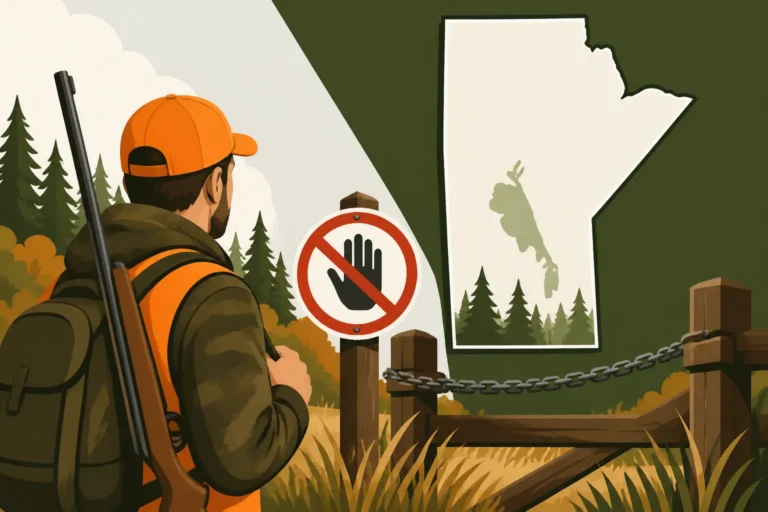
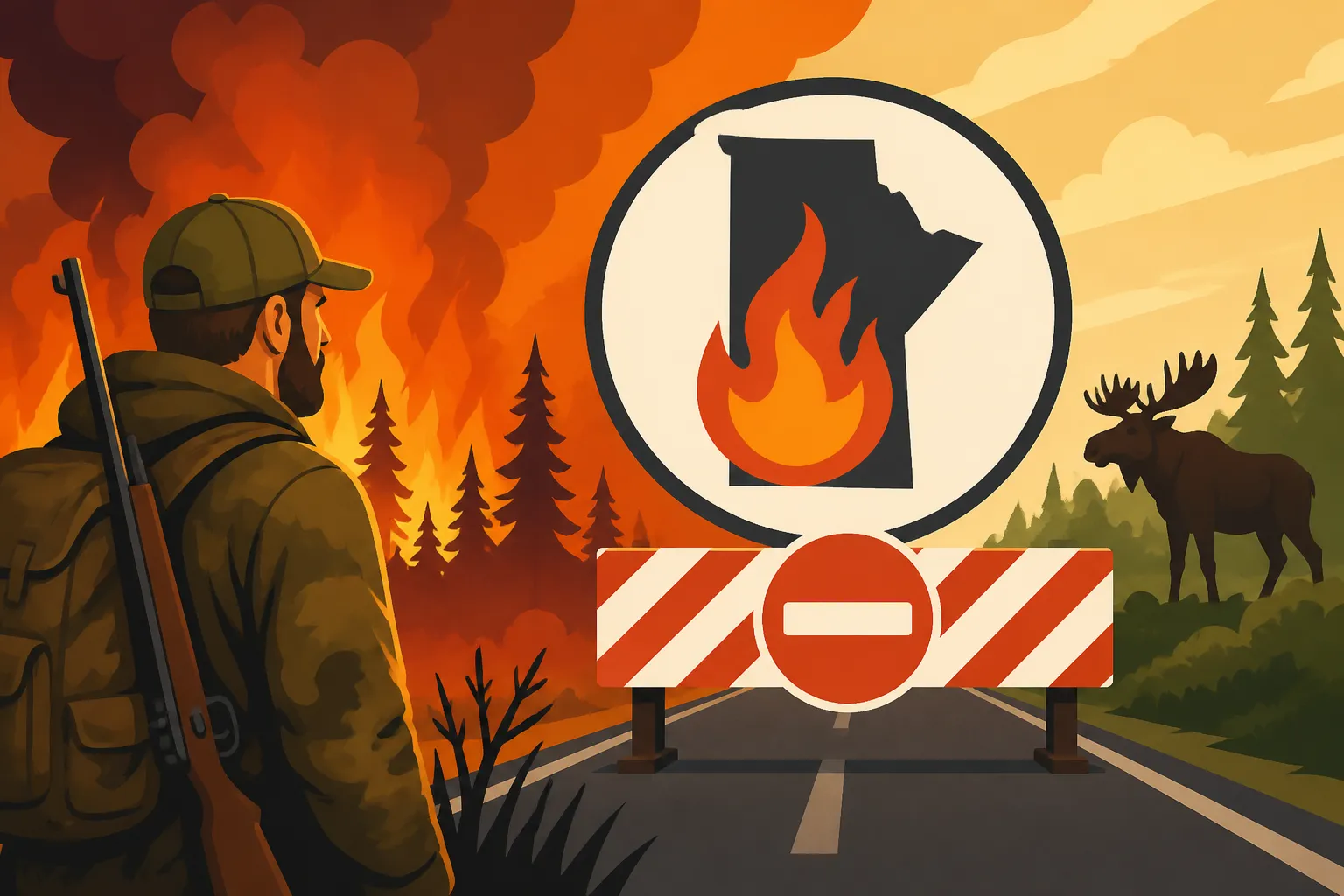
When a wildfire breaks out, the immediate priority for provincial authorities is public safety. This often means implementing road closures, area closures, and even full-blown fire bans. For hunters, this translates directly into denied access to prime hunting areas, or worse, being stuck in an area that suddenly becomes unsafe. Imagine driving hours to your favourite deer stand location, only to find the access road chained off with "Area Closed" signs because of a fire 50 kilometers away. It's a frustrating but necessary measure.
Beyond physical access, the smoke from large wildfires can make hunting difficult, reducing visibility and affecting game movement. A thick pall of smoke over the landscape is not only unpleasant but can obscure important landmarks, making navigation treacherous, especially in unfamiliar territory. Your safety is paramount, and understanding that these closures are put in place for everyone's protection, including emergency responders, helps put the frustration into perspective. Sometimes, the best hunt is the one you don't take when conditions are dangerous.
How Wildfires Affect Hunting Land and Wildlife
The impact of wildfires on hunting land and wildlife is complex, extending far beyond the immediate disruption. While a fire might seem like a purely destructive force, it's also a natural process that shapes ecosystems, creating both challenges and opportunities for game and hunters over time.
Short-Term Disruption and Displacement
In the immediate aftermath of a wildfire, the short-term effects on wildlife are profound. Animals will flee the flames, often moving into adjacent unburned areas, or seeking refuge in wetlands, river bottoms, or other natural firebreaks. This can lead to temporary overpopulation in these unaffected pockets, increasing competition for resources. Deer, moose, and bear might move out of their established home ranges, making them harder to pattern for hunters. The landscape they knew has suddenly changed, and they're often disoriented and on the move.
This displacement can also temporarily reduce game density in the directly affected burn zones. While some animals might return quickly if sufficient forage remains, others, particularly those with specific habitat requirements, may take longer to re-establish themselves. For hunters, this means that an area that was productive one year might be a ghost town the next, or conversely, a bordering area might suddenly see an influx of game. Being adaptable and willing to scout new areas or shift your focus is key.
Long-Term Habitat Changes and Opportunities
While the immediate devastation of a wildfire can be disheartening, ecologically, fires are often vital for regenerating forest and prairie ecosystems. In the long term, fires can create incredibly productive wildlife habitat. For example, a severe burn in a mature forest might open up the canopy, allowing sunlight to reach the forest floor. This stimulates a flush of new growth – grasses, forbs, and browse species like aspen and willow – which are critical food sources for moose and deer. You'll often see moose thriving in new growth after a burn, and elk also benefit from these rejuvenated areas. For instance, understanding Why Burned Ground Grows Big Bulls can totally shift your perspective on hunting these areas a few years post-fire.
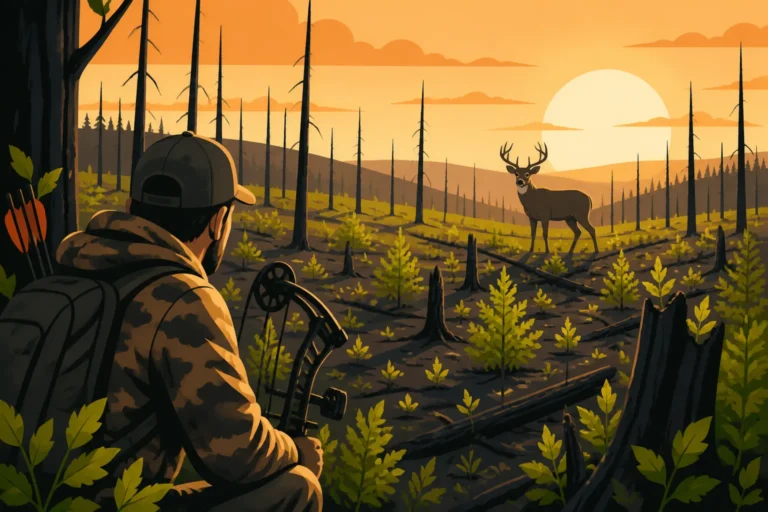
Three to five years after a significant burn, these areas can become honeycombs of cover and feed, attracting game that was displaced initially. The standing dead timber also provides excellent bedding cover and security. Hunters who are willing to put in the time to scout these regenerating burn sites can often find incredible opportunities. Think about Hunting a Burned Block Three Years On – the undergrowth is often thick, providing both food and excellent hiding spots for wary game. This ecological reset is a natural part of Manitoba's landscape and savvy hunters learn to read these changes as opportunities.
Navigating Road and Area Closures
Understanding the various types of closures and how they're implemented is crucial for any hunter hoping to avoid disappointment or, worse, running afoul of the law. These aren't suggestions; they are directives put in place for safety and resource protection.
Types of Closures You Might Encounter
Manitoba authorities can implement several types of closures depending on the severity and location of wildfires. The most common are fire bans, which restrict open fires, campfires, and sometimes even off-road vehicle use that could spark a blaze. These are often province-wide or cover large regions. Then there are road closures, where specific roads or segments of roads are blocked to public traffic. These are usually to facilitate emergency vehicle access or protect travelers from active fires or hazards like falling trees.
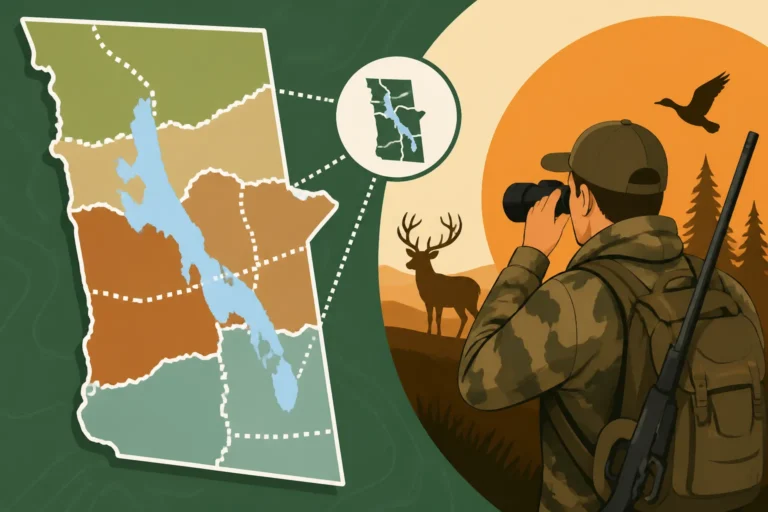
More restrictive are area closures, which encompass entire Game Hunting Areas (GHAs) or large tracts of Crown Land. These mean absolutely no public entry for any reason, including hunting. These are typically enacted when there's an active, uncontrolled fire, or a significant risk of one, within that specific zone. Finally, travel restrictions might be put in place, allowing limited access for residents or permit holders but prohibiting recreational use. It's important to remember that these restrictions can change rapidly, so checking frequently is key.
Respecting Closure Orders and Their Purpose
It can be incredibly frustrating to have your long-anticipated hunting trip derailed by a closure, especially if you feel the immediate danger isn't where you are. However, it is absolutely paramount to respect all closure orders. These decisions are made by fire management professionals and are based on real-time data, forecasted conditions, and the safety of both the public and emergency personnel. Ignoring a closure sign or barricade isn't just illegal, carrying hefty fines and potential prosecution, but it puts you and others at unnecessary risk. Fire behaves unpredictably, and what seems safe one moment can become a death trap the next.
Furthermore, driving on closed roads can damage them, impede emergency vehicles, and make it harder for crews to do their job. Hunters have a responsibility to be good stewards of the land and good citizens, and that includes complying with these vital safety measures. Thinking you can sneak in will only add to the problems authorities are trying to manage. Your hunting season isn't worth endangering lives or risking a criminal record.
Specific Rules for Different Land Types
The rules and enforcement of closures can sometimes vary slightly depending on the type of land. For example, closures on provincial Crown Land or within Provincial Forests are usually well-marked and widely publicized by the Manitoba government. Wildlife Management Areas (WMAs) may have additional specific regulations, and it's always wise to check the specific WMA rules in the annual hunting guide. Manitoba's Wildlife Management Areas are often critical habitat, making their protection a high priority.
If you are planning to hunt on private land, even if Crown Land around it is closed, you still need to ensure your access doesn't cross any restricted areas. This is where communication with landowners becomes even more vital. They might have up-to-date local information that isn't immediately apparent on provincial maps. Remember Manitoba Landowner Permission Law still applies, and they have the final say on access to their property. Understanding these nuances helps you plan realistically and avoid complications.
Staying Informed: Tools and Resources for Hunters
In a dynamic situation like wildfires and closures, accurate and timely information is your most valuable asset. Relying on old maps or word-of-mouth simply won't cut it. Modern technology and official channels are your best friends.
Official Government Channels and Websites
The primary source for information on wildfires, fire bans, and road/area closures in Manitoba will always be the provincial government's official channels. The Manitoba Wildfire Service website and their social media accounts are consistently updated with the latest fire bulletins, danger ratings, and maps. Similarly, Manitoba Infrastructure and Transportation will provide updates on highway and road closures. I can't stress this enough: bookmark these sites on your phone and computer.
Beyond general provincial updates, specific regional offices may offer localized information that's highly relevant to your hunting spot. A quick phone call to a local conservation office or a park office can sometimes provide insights that aren't yet online. Always cross-reference information from different official sources to get the most complete picture. Don't rely on a single news report; go straight to the source.
Leveraging Mapping Apps and Community Forums
In addition to official government sites, modern mapping applications have become indispensable for hunters navigating changing conditions. Digital mapping tools like onX Hunt often integrate layers that show public land boundaries, roads, and sometimes even real-time wildfire perimeters or closure zones, making it incredibly easy to visualize restricted areas. I always check my onX Hunt app before heading out, especially if I'm going into a new area or if fire risk is high. It's a game-changer for understanding access points and alternative routes.
While not official sources, online hunting forums and local social media groups can also be valuable. Hunters often share ground-level observations about conditions, road status, and even game movement in response to fires. However, treat these sources as anecdotal and always verify critical information with official channels. Another platform, GoHunt, while often geared towards western hunting, provides excellent tools for digital scouting and researching different units, skills that are highly transferable to adjusting your Manitoba hunt plans in response to closures. It's all about being prepared and having multiple information streams. Scouting With Satellite Imagery in Manitoba can also be hugely helpful to identify alternative access points or new areas to explore if your primary spot is impacted.
| Type of Closure | What It Means for Hunters | Where to Get Info |
|---|---|---|
| Fire Ban | No campfires, open fires; may include off-road vehicle restrictions. | Manitoba Wildfire Service Website, Local News |
| Road Closure | Specific roads are impassable, often due to fire activity or emergency access. | Manitoba Infrastructure and Transportation, Local RCMP |
| Area Closure | Entire zones or GHAs are off-limits for public entry, including hunting. | Manitoba Wildfire Service Website, Conservation Offices, GHA Maps |
| Travel Restriction | Limited access for specific purposes (e.g., residents), recreational use prohibited. | Manitoba Wildfire Service Website, Local Conservation Officers |
Planning Your Hunt Around Potential Closures
Given the unpredictability of wildfires, the best strategy for hunters is proactive planning. Don't wait until a fire is burning near your spot; consider potential closures as part of your initial trip preparation.
Developing Contingency Plans
One of the most effective ways to mitigate the impact of wildfires is to have multiple contingency plans. Instead of having just one prime hunting spot, research and scout several alternative locations within different Manitoba's Game Hunting Areas or even different regions of the province. If your go-to area becomes inaccessible due to a closure, you'll have a backup (or two!) ready to go. This might mean having a plan for Crown Land and another for an area where you have private land permission.
This flexibility also extends to species. If deer season is impacted by closures in your area, perhaps you have a plan for upland birds in a different zone, or you shift your focus to species less affected by habitat changes. Diversifying your options is key. Consider different habitat types, too – a fire in a dense boreal forest might not affect open prairie farmland in the same way, opening up options for Waterfowl Hunting Manitoba's Grain Fields if deer hunting is stalled.
Hunting in Burned Blocks
While a fresh burn might be a no-go zone, as discussed earlier, a burned area that is a few years old can be incredibly productive. These "regenerating" burns offer a mosaic of new growth for browse, thick cover, and often provide excellent visibility for glassing distant animals. Learning to read the stages of regrowth after a fire can give you a significant advantage. The rich nutrients returned to the soil create an explosion of forage, attracting deer, elk, and moose. What Wildfire Did to Manitoba Game Range explains this ecological succession in detail.
When hunting burned blocks, be mindful of hazards like falling dead trees (widowmakers) and hidden ash pits that can be surprisingly deep and hot. Footing can be uneven, and navigating through downed timber is tough. But for those willing to put in the effort, these areas can yield some truly exceptional hunting. Just make sure the closure orders have been lifted before you enter!
Considering Early or Late Season Hunts
The timing of your hunt can also play a significant role in avoiding wildfire impacts. Early archery seasons for deer or bear, often in late August or September, can sometimes coincide with the peak of the wildfire season, especially after a dry summer. If your primary hunting grounds are in high-risk areas, consider if shifting your focus to different zones or species might be wise. Alternatively, if a particular area has just experienced a major fire, perhaps delaying your hunt a year or two might be beneficial to allow game to return and habitat to regenerate.
Conversely, late-season hunts, particularly those after significant snowfall, are far less likely to be impacted by active fires. While you'll have to contend with Hunting Safely in Deep Winter Cold, you won't be worrying about smoke or area closures due to a blaze. This might involve Hunting the Late December Season or even Hunting an Extended Deer Season GHA where available. Each season presents its own challenges, but understanding the fire risk helps you choose the right challenge for your hunt.
Disclaimer
This article is for general informational purposes only and does not constitute professional advice. Laws, prices and regulations vary by location and change over time. Consult a qualified professional for guidance on your specific situation.