Who Can Get a Night Hunting Permit
Hunting in Manitoba is an incredible experience, but it also comes with a deep responsibility to understand and respect the province's regulations. One area that causes a lot of confusion and can lead to serious trouble if misunderstood is night hunting. Many hunters dream of extended hours, but the reality is far more restrictive than most realize. This guide will clarify exactly who can obtain a night hunting permit in Manitoba, delving into the specific legal frameworks and safety considerations that govern this highly controlled activity.
Understanding Manitoba's Night Hunting Landscape
For many hunters, the idea of pursuing game under the cloak of darkness holds a certain mystique. However, in Manitoba, night hunting isn't a general privilege; it's a heavily restricted activity governed by specific legislation and, importantly, by established rights. Historically, hunting after sunset has always been viewed with extreme caution due to inherent safety risks and ethical concerns. The province's regulations, particularly those reinforced by the Safe Hunting and Shared Management Act, are designed to manage wildlife populations responsibly and, above all, ensure public safety.
This means that the general assumption that anyone can apply for a "night hunting permit" simply doesn't hold true here. The rules are much more nuanced, often tied to specific rights and very limited circumstances. If you're a hunter planning your trips, it's crucial to understand these distinctions thoroughly. Ignorance of the law is never an excuse, and violating night hunting rules can lead to severe consequences, jeopardizing your hunting future in Manitoba and potentially incurring hefty fines or even jail time. To get a full picture of the broader regulations, it's always a good idea to consult official resources on Manitoba's Night Hunting Rules.
Why Night Hunting is Restricted
The reasons behind Manitoba's strict night hunting prohibitions are multi-faceted and deeply rooted in both safety and wildlife management principles. First and foremost, safety is paramount. Identifying your target accurately in low light or darkness is incredibly challenging, dramatically increasing the risk of accidentally shooting another hunter, a non-target animal, or even livestock. Furthermore, ensuring a safe backstop beyond your target becomes nearly impossible without adequate visibility, posing a significant danger to nearby residences, roads, or other public spaces. Hunters are taught to be 100% certain of their target and what lies beyond it – a standard that night hunting makes exceedingly difficult for most scenarios.
Beyond safety, there are significant ethical considerations at play. Many argue that night hunting gives hunters an unfair advantage over wildlife, going against the principles of fair chase. It can also cause undue stress to animals, disrupting their natural nocturnal patterns. From a wildlife management perspective, uncontrolled night hunting could lead to overharvesting of certain species, making it difficult for conservation efforts to maintain healthy populations. Additionally, there’s the aspect of public perception and potential conflict with landowners. Bright lights and gunshots in the dark can be alarming to rural residents, leading to understandable concerns about safety and property rights. These combined factors solidify the rationale for the highly restrictive approach Manitoba takes to night hunting.
Who is Eligible for a Night Hunting Permit
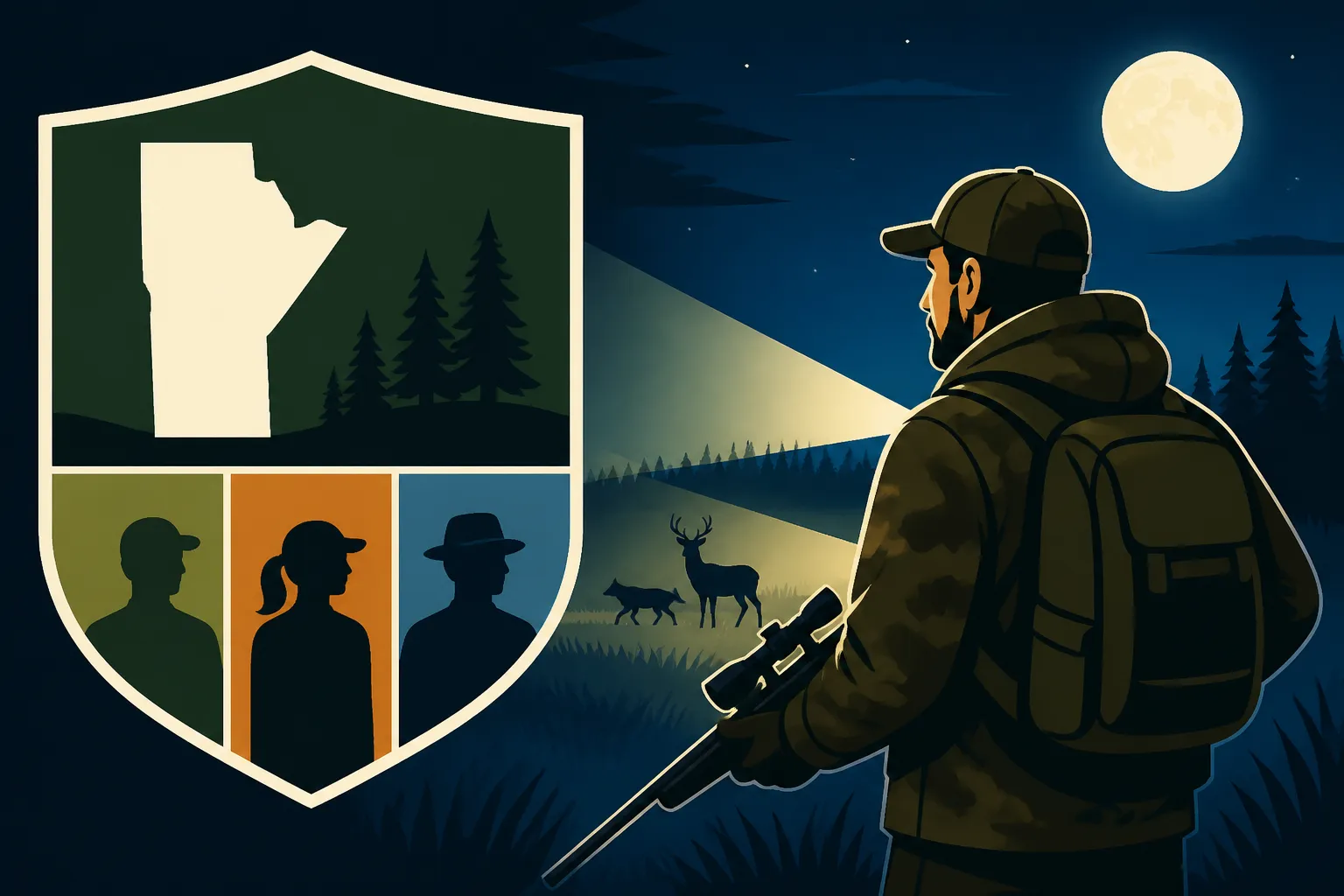
This is where the core of the matter lies, and it's essential to be absolutely clear: night hunting permits are generally NOT available to the public for recreational hunting in Manitoba. The ability to hunt at night is primarily an exercise of constitutionally protected Indigenous harvesting rights. For non-Indigenous hunters, the opportunities are extremely limited, bordering on non-existent for typical sport hunting.
Indigenous peoples in Manitoba have inherent and treaty rights to hunt for food, social, and ceremonial purposes. These rights are recognized by the Canadian Constitution and are managed through a framework of shared responsibility with the province. As such, Indigenous hunters, when exercising these rights, are permitted to hunt at night, subject to certain safety guidelines and conditions. This is not about a "permit" in the traditional sense that one applies for through a government portal like GoHunt (which is a great tool for understanding land boundaries, by the way). Instead, it's about the inherent right to harvest, with responsibilities tied to safe practice.
The Role of Treaty Rights in Night Hunting
The legal foundation for night hunting in Manitoba largely rests on the treaty and Aboriginal rights of Indigenous peoples. These rights are distinct from the general hunting licences and seasons that apply to non-Indigenous hunters. The recognition of these rights is enshrined in Section 35 of the Constitution Act, 1982, and has been affirmed through various court decisions. This means that Indigenous communities have the right to hunt, fish, and trap, including at night, to provide for their sustenance, cultural practices, and community needs.
However, the exercise of these rights is not without regulation. Manitoba works with Indigenous communities on what is termed "shared management," which seeks to uphold these rights while also ensuring public safety and sustainable wildlife populations. For instance, specific regulations exist regarding the use of lights, distances from roads and occupied dwellings, and approved areas for night hunting, all aimed at minimizing risk. For hunters of all backgrounds, understanding these distinctions is paramount. While a tool like GoHunt is excellent for identifying general land designations and property lines for daytime scouting, it does not delineate areas specific to Indigenous harvesting rights or provide guidance on exercising those rights, which falls under different legal and community frameworks. For a deeper dive into this complex topic, understanding Treaty Hunting Rights and Shared Management is crucial.
Special Cases and Exceptions Beyond Indigenous Rights
While Indigenous harvesting rights account for the vast majority of legal night hunting in Manitoba, there are extremely rare and highly regulated exceptions that sometimes involve night-time activities. These are not "hunting permits" for the general public, nor are they for recreational purposes.
The most common non-Indigenous exception pertains to crop damage permits issued to agricultural producers. When specific wildlife species, such as deer or elk, are causing significant damage to crops, Manitoba Sustainable Development (now Manitoba Environment and Climate Change) may issue a permit to a farmer or their designated agent to harvest these animals outside of regular seasons or hours. This can, on occasion, include night-time removal, but it is done under extremely strict conditions, often with direct oversight, and is focused purely on nuisance animal control rather than sport hunting. These permits are not easily granted and require proof of substantial damage. You can learn more about these specific authorizations here: Crop Damage Permits for Farmers.
Beyond crop damage, authorized wildlife management or research activities conducted by government agencies or approved research institutions might involve night-time work. This could include spotlight surveys, animal capture for tagging, or population control measures. Again, these are not opportunities for the general public to participate in night hunting, but rather controlled scientific or management operations. It is critical to reiterate that for the average resident or non-resident hunter, there is no pathway to obtaining a permit to hunt recreationally at night in Manitoba.
The Permit Application Process (or Lack Thereof for General Public)
This might be the most important section for many readers: there isn't a conventional "night hunting permit" application process available for the general public in Manitoba. If you are a non-Indigenous hunter looking to hunt recreationally, you simply cannot apply for or receive such a permit. This is a common misconception that needs to be clarified to prevent serious legal issues.
For Indigenous hunters exercising their treaty rights, the process isn't about applying for a permit from the province in the same way one applies for a big game draw. Instead, it involves understanding and adhering to the safety guidelines and principles established through ongoing dialogue between the province and Indigenous communities. These guidelines ensure that while rights are exercised, they are done so safely and responsibly. Indigenous hunters are expected to be fully aware of these protocols, which often include specific lighting requirements, notification procedures, and considerations for proximity to public roads, homes, and communities. These guidelines also often specify the Approved Crown Land for Night Hunting where such activities are permissible, aiming to minimize conflicts and maximize safety for everyone.
Safety Considerations and Public Responsibility
Regardless of who is night hunting, safety remains the absolute priority. For Indigenous hunters exercising their rights, and for anyone involved in the very few authorized control activities, the responsibility for safe practices is immense. This includes unequivocally identifying your target species, ensuring there are no other animals, people, or structures beyond your target, and using appropriate lighting to confirm both the target and the surroundings.
Communication is also key. If you are operating under one of the rare exceptions allowing night-time activity, clear communication with local law enforcement, conservation officers, and nearby landowners is critical. This transparency can prevent misunderstandings and unnecessary alarm. Tools like GoHunt are fantastic for mapping and understanding property lines during the day, which helps in avoiding trespass or accidental discharge near dwellings. Even if not directly related to a night permit, the habit of thorough scouting and understanding the land, which GoHunt facilitates, is crucial for safe hunting practices in any context. Remember, every hunter has a role to play in promoting a safe and ethical hunting environment, and that extends to respect for regulations and public perception.
Consequences of Illegal Night Hunting
The penalties for illegal night hunting in Manitoba are severe and reflect the gravity of the offense. These aren't minor infractions; they are taken very seriously by enforcement agencies because of the significant safety risks to the public and the potential harm to wildlife populations. If caught night hunting without legal authorization, individuals can face substantial fines, typically ranging from thousands of dollars, and the forfeiture of seized equipment, which can include firearms, vehicles, and even ATVs.
Beyond financial penalties, offenders can also face license suspensions, prohibiting them from hunting for multiple years, effectively ending their ability to participate in the sport for an extended period. In more serious cases, especially those involving repeated offenses, negligence, or danger to human life, jail time is a very real possibility. Conservation officers have broad powers to investigate and lay charges for hunting violations. The message is clear: attempting to circumvent these regulations is not worth the risk. Understanding and adhering to Manitoba Penalties for Hunting Violations should be a strong deterrent to anyone considering unlawful night hunting.
Navigating Hunting Regulations and Resources
Understanding the intricacies of hunting regulations in Manitoba can feel like navigating a maze, but it's an essential part of being a responsible hunter. For any questions regarding night hunting, or any other aspect of the sport, the most authoritative source is always the official Manitoba Hunting Guide. This comprehensive document is updated annually and details all seasons, limits, GHA boundaries, and specific rules like those surrounding night hunting. You can always find the latest version on the Manitoba Environment and Climate Change website. Taking the time to read through Where to Read the Manitoba Hunting Guide is not just a recommendation; it's a fundamental responsibility.
While government publications provide the letter of the law, tools like GoHunt are invaluable for visualizing these regulations on the ground. GoHunt allows you to overlay property boundaries, Crown land, and GHA maps onto satellite imagery, which is incredibly useful for scouting and planning. Although it won't grant you a night hunting permit, understanding your hunting area thoroughly is a non-negotiable step for safe and ethical hunting, day or night. This includes knowing where specific zones begin and end, and identifying potential access points or exclusion zones. Proper planning, informed by both regulatory documents and mapping technology, ensures you're always on the right side of the law. Before you even step into the field, make sure you're confident in Reading a Manitoba GHA Map Before You Go.
Understanding GHA Specifics
Manitoba is divided into numerous Game Hunting Areas (GHAs), each with its own specific regulations regarding seasons, species, and sometimes even methods. While night hunting is largely prohibited across all GHAs for the general public, understanding the GHA system is still vital for any hunter. Each GHA has a unique number and boundary, often defined by geographical features, roads, or survey lines. Knowing How Manitoba GHA Numbers Work is fundamental, as your hunting license will often specify which GHAs you are permitted to hunt in for certain species.
For instance, while a night hunting permit isn't applicable to regular deer hunting, knowing the specific GHA regulations will guide you on when and where you can legally pursue whitetails during daylight hours. This might involve understanding zones with extended seasons or specific rules for certain types of terrain, such as those that apply to Hunting a Manitoba GHA in Deep Snow. Even if your focus isn't night hunting, the discipline of knowing your GHA, understanding its nuances, and being aware of any specific local conditions is crucial for a successful and lawful hunting experience.
| Criterion | Indigenous Hunter Exercising Treaty Rights | Non-Indigenous General Public Hunter | Crop Damage Permit Holder (Rare Exception) |
|---|---|---|---|
| Eligibility | Yes, based on inherent and treaty rights | No, not for recreational purposes | Yes, under specific conditions of crop damage and provincial authorization |
| Permit Type | Not a traditional permit; exercise of right with safety guidelines | Not applicable; no permit available | Specific provincial authorization, not a general hunting permit |
| Purpose | Food, social, and ceremonial purposes | Recreational hunting (prohibited) | Nuisance wildlife control, property protection |
| Regulations | Subject to safety guidelines, distances from dwellings/roads, specific areas | Night hunting prohibited for all species | Strict conditions, oversight, often limited time/area |
| Equipment | Legal hunting equipment, often with specific lighting requirements | Not applicable | Legal hunting equipment, specified lighting |
| Consequences of Violation | Violation of safety guidelines or non-compliance can lead to issues | Severe fines, license suspension, equipment seizure, potential jail time | Violation of permit conditions can lead to severe penalties |
Disclaimer
The information provided in this guide is for general informational purposes only and does not constitute legal advice. Hunting regulations can be complex and are subject to change. Always consult the most current Manitoba Hunting Guide and relevant provincial legislation, or contact Manitoba Environment and Climate Change directly, for accurate and up-to-date information before engaging in any hunting activities.