Why the Parkland Holds So Much Game
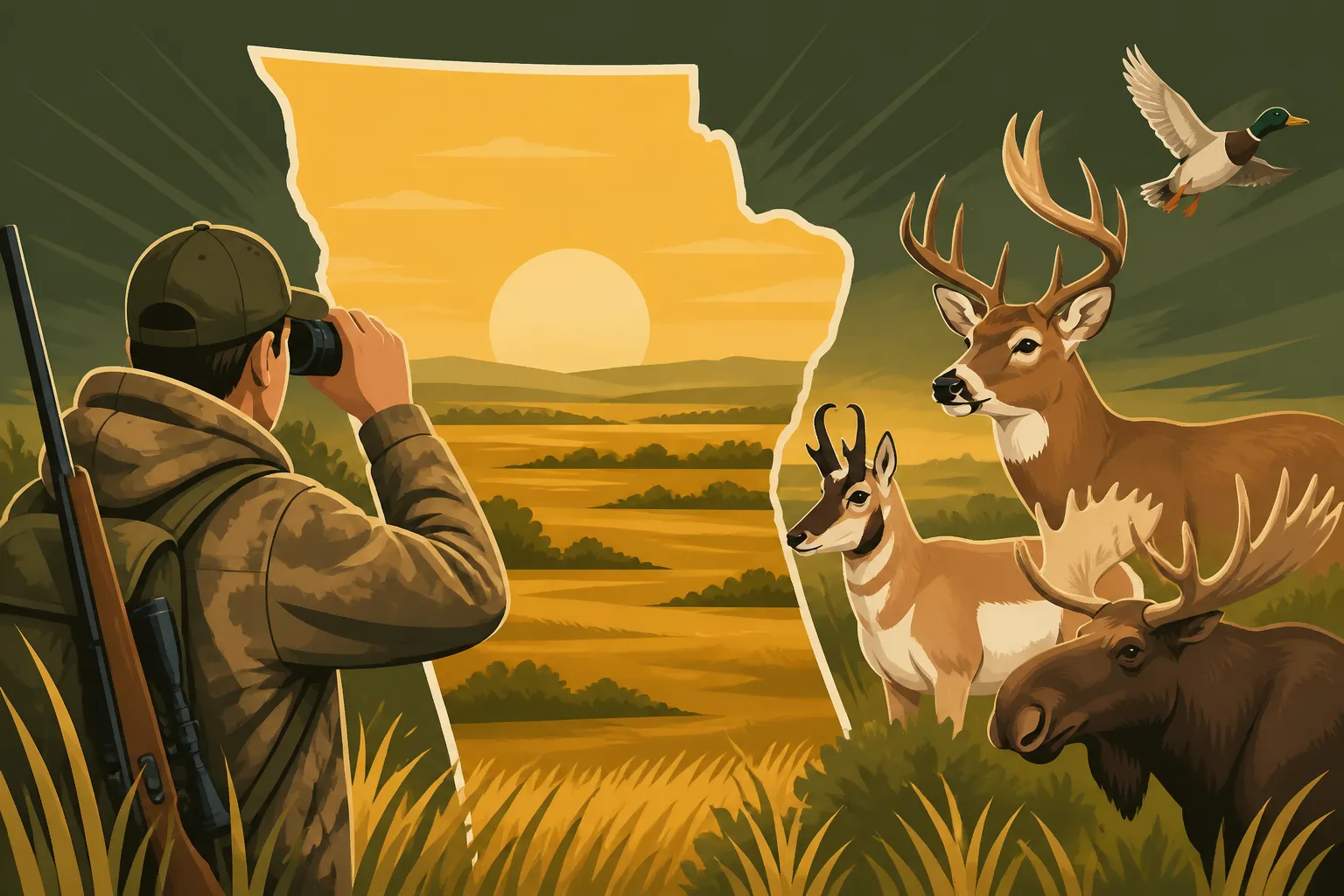
Many hunters look at a map of Manitoba and see vast expanses of forest or flat farmland, wondering where the real action is. But there's a unique transition zone, the Parkland, that consistently holds an incredible abundance of game, often to the surprise of those who haven't experienced it. This guide will explore the specific ecological features and habitat characteristics that make Manitoba's Parkland region a genuine wildlife magnet, drawing in a diverse array of species and providing exceptional hunting opportunities.
Ecological Diversity and Habitat Mosaic
The Parkland region isn't just one thing; it's a beautiful tapestry woven from different ecosystems. This incredible variety is the primary reason it supports such a high density and diversity of game animals. It’s a place where different habitat types intermingle in a way that maximizes their utility for wildlife, offering everything an animal needs within a relatively small area.
Interspersed Woodlands and Open Grasslands
Imagine driving through rolling hills where pockets of dense aspen and oak bluffs abruptly give way to expansive stretches of native prairie grasses and cultivated fields. This isn't just scenic; it's a functional paradise for wildlife. The woodlands provide crucial thermal cover during harsh winters, shielding animals from biting winds and deep snow, and offering essential escape cover from predators. They offer secure bedding areas where deer and elk can feel safe, hidden from prying eyes. These bluffs often feature a thick understory of shrubs and young trees, creating an ideal nursery for fawns and calves, protecting them during their vulnerable early weeks when they are most susceptible to predation. The mosaic pattern means that animals don't have to travel far to find different resources, minimizing exposure and energy expenditure. Understanding these unique features is key when Hunting a Poplar Ridge in Parkland.
On the other flip, the open grasslands and small hayfields within this mosaic offer prime foraging opportunities. Deer and elk will typically move out of the timbered pockets at dawn and dusk to graze on nutrient-rich grasses and browse on various forbs. This constant shift between cover and feed creates natural travel corridors and choke points that savvy hunters can exploit. The edges where these two habitat types meet are absolute hotspots, providing both security and sustenance within mere yards of each other. It's this continuous interplay between dense cover and open feeding grounds that fuels the vibrant ecosystem, supporting larger populations than either habitat type could alone.
Wetland and Riparian Zones
Beyond the woods and fields, the Parkland is often dotted with sloughs, potholes, and meandering creeks. These wetlands and riparian zones add another critical layer of diversity and are fundamental to the region's game numbers. They act as natural magnets, drawing in everything from waterfowl and upland birds to thirsty deer, moose, and even elk. The water itself is a life source, but the unique vegetation that grows around these wet areas—cattails, bulrushes, willows, sedges, and various aquatic plants—provides both additional food and dense cover.
For waterfowl, these wetlands are obvious breeding grounds and crucial staging areas during migration, offering abundant food and safe resting spots. For big game, they offer cool bedding spots in hot weather and vital water sources, especially during dry spells when other sources might diminish. You'll often find well-worn deer trails cutting through willow thickets surrounding a slough, leading directly to an easy drink. These areas also support a rich insect population, which in turn supports various bird species, creating a robust food web that benefits the entire ecosystem. Hunting a Frozen Slough Crossing is a testament to how crucial these water features remain, even when ice-bound, as they often dictate predictable travel routes for big game.
Abundant Food Sources and Agricultural Influence
It’s no secret that where there’s good food, there’s often good game. The Parkland region benefits immensely from its blend of natural forage and agricultural bounty, providing a smorgasbord for wildlife year-round. This consistent and varied food supply is a primary driver for the region's impressive game populations.
Rich Forage from Diverse Plant Life
The natural areas within the Parkland, like the aspen parkland bluffs, river valleys, and native prairies, are teeming with diverse plant species that offer exceptional forage. Deciduous trees like aspen, poplar, and oak provide palatable browse, especially young shoots, leaves, and buds that are crucial for winter survival. Various shrubs, such as saskatoon, chokecherry, highbush cranberry, and pincherry, offer not only browse but also highly nutritious berries in late summer and fall. These natural food sources are crucial for animals to build up fat reserves before the onset of the brutal Manitoba winter.
Underneath the tree canopy and across the open grasslands, a wide array of forbs (broad-leaved plants) and various grasses contribute to a balanced and diverse diet for herbivores. This natural richness means that even without agricultural influence, the Parkland would be a highly productive habitat. It ensures a baseline of high-quality nutrition that allows animals to grow healthy bodies and, for deer and elk, develop impressive antlers. This natural abundance contributes directly to Why Manitoba Bucks Grow Heavy Bodies. A well-nourished animal is a resilient animal, better equipped to face environmental challenges.
The Impact of Agriculture on Game Populations
While natural forage is undeniably important, the extensive agricultural activity in the Parkland elevates its game-holding capacity to another level. Farmers cultivate vast fields of corn, wheat, barley, oats, canola, and sunflowers. After harvest, these fields leave behind an incredible amount of waste grain and plant matter, which becomes an easily accessible and highly palatable food source for deer, elk, waterfowl, and upland birds throughout the fall and winter. A standing cornfield, for instance, provides both high-energy food and incredibly dense cover, making it a perfect winter haven for deer. Hunting a Standing Canola Field Edge can be incredibly productive, not just for deer seeking cover but for the residual feed left behind after the combines have passed.
The juxtaposition of dense bush, water, and rich agricultural fields creates a dynamic ecosystem that is hard to beat. Animals can retreat into the safety of the woods during the day and emerge under the cover of darkness to feed voraciously in the fields. This consistent access to high-calorie, readily available food allows for greater survival rates, especially for fawns and calves, and supports larger, healthier adult animals. The sheer caloric intake available to animals in the Parkland is a major driver behind the impressive game populations found here, enabling robust growth and higher fawn recruitment rates.
Water Availability and Cover Density
Beyond food, the availability of clean water and ample secure cover are non-negotiable for thriving wildlife populations. The Parkland excels in both these crucial aspects, creating an environment where game can not only survive but truly flourish. Without these two elements, even abundant food sources would not be enough to sustain high animal densities.
Pervasive Water Sources
As mentioned, the Parkland is characterized by numerous sloughs, potholes, streams, and small lakes. This means that unlike some drier regions, game animals rarely have to travel far to find water. This proximity to water is particularly critical during hot summer months when dehydration can be a serious threat, and during the intense periods of the rut when animals are highly active and need to rehydrate frequently. Even in winter, sources like springs, seepages, or deeper sloughs that don't freeze solid provide access to water, albeit sometimes under many layers of snow and ice.
This reliable water supply contributes significantly to the overall health and vigor of the animal populations. Well-hydrated animals are more resilient to disease, can better withstand temperature extremes, and are generally in better physical condition for breeding and raising young. Hunters using resources like GoHunt often pinpoint these water sources on mapping applications to predict game movement, especially when Scouting a Manitoba Game Hunting Area. Knowing where the water is can dictate where the game will be at various times of the day, even if it's just a small cattail slough tucked away in a field.
Dense Thermal and Escape Cover
The Parkland’s woodlands, often composed of dense aspen, oak, and willow thickets, provide exceptional cover. This isn't just a few scattered trees; these are often impenetrable blocks of timber, creating ideal sanctuaries for wildlife. This dense, multi-layered cover serves multiple critical purposes:
- Thermal Regulation: During Manitoba's notoriously cold winters, dense cover acts as a crucial windbreak and helps to trap radiant heat, allowing animals to conserve vital energy. In summer, the deep shade provided by the canopy offers significant relief from the sun and heat, reducing stress on the animals and preventing overheating. This is particularly important for large-bodied animals like moose and elk, and absolutely vital for vulnerable fawns and calves.
- Escape from Predators: The thick vegetation provides immediate and effective refuge from predators, whether they be coyotes, wolves, or human hunters. Animals can quickly melt into the dense bush, making it challenging for predators to pursue them effectively and forcing them to break off a chase. This sense of security reduces chronic stress levels, allowing animals to feed and rest more freely in the surrounding areas without constant vigilance. Hunting Whitetails in Manitoba's Bush Country is all about understanding and navigating these thick cover pockets.
- Bedding Areas: Within these dense cover patches, animals create bedding areas where they can rest, ruminate, and hide. These spots are often strategically located to offer maximum visibility or scent detection of approaching threats, while simultaneously keeping the animal itself hidden from view. Hunters often find significant sign, such as rubs, scrapes, and tracks, on the edges of these bedding thickets, indicating consistent use.
Species Interdependence and Population Dynamics
The rich environment of the Parkland fosters complex interrelationships between species, and understanding these dynamics helps explain why game populations are so robust and resilient in this region. It's not just about individual factors but how they all work together in a finely tuned ecological machine.
Multi-Species Coexistence
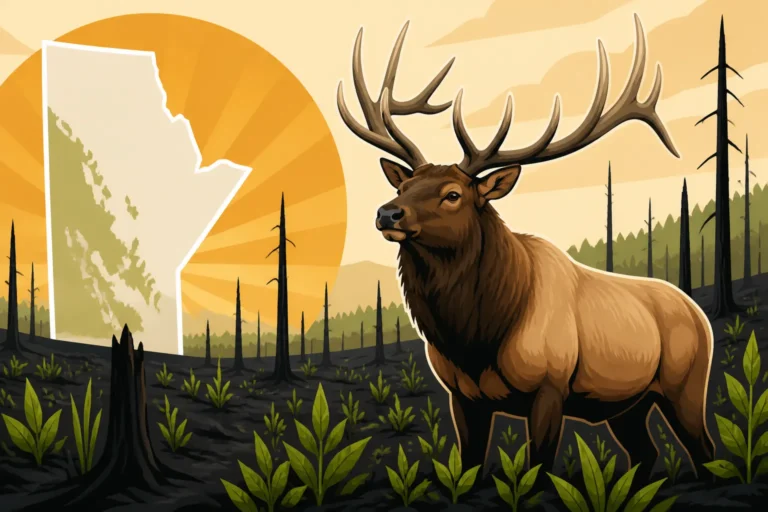
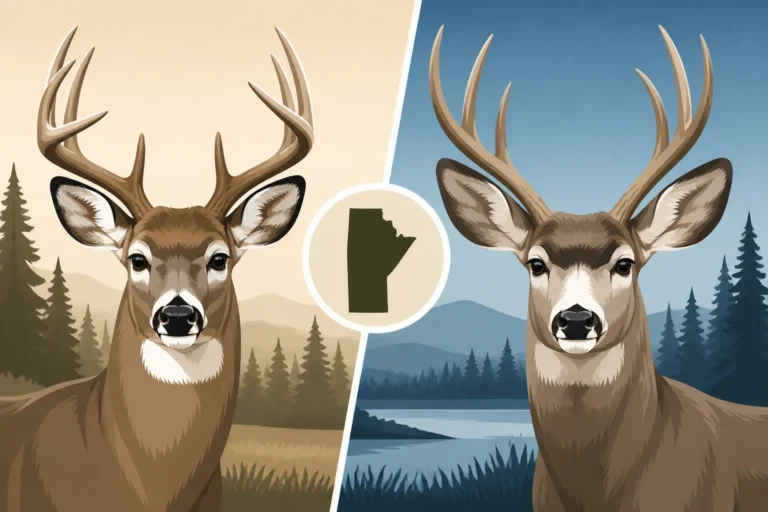
The Parkland supports a remarkable array of game animals, from White-Tailed Deer, Manitoba's Most Hunted Animal and Elk in Manitoba's Parkland and Mountains to Manitoba's Upland Birds and Where They Live like ruffed grouse, sharp-tailed grouse, and Hungarian partridge. This successful coexistence is possible because the diverse habitat offers a multitude of niches for many different species. While some animals, like deer, might primarily browse in the dense woodlands, others, like elk, might prefer to graze in the open fields, only retreating to the timber when disturbed or seeking cover. Different species often utilize the same landscape but in slightly different ways or at different times, minimizing direct competition.
The presence of multiple species can sometimes lead to competition for resources, but in an area as resource-rich as the Parkland, the sheer abundance often minimizes direct, detrimental competition. Different animals have slightly different dietary preferences or preferred habitat structures, allowing them to largely share the landscape without unduly impacting each other. This diversity often means a hunter pursuing one species might encounter another, adding to the richness of the hunting experience. Using advanced tools like GoHunt can help analyze species distribution and movement patterns in specific Game Hunting Areas (GHAs), providing insights into these coexisting populations.
Natural Checks and Balances
While the Parkland boasts impressive game numbers, it's not without its natural regulatory mechanisms. Predator populations, such as coyotes and, in some northern parts of the Parkland, wolves, play a role in keeping prey populations healthy by culling the weak, old, or sick. However, the dense cover and abundant forage in the Parkland often allow prey animals to evade predators more effectively and maintain strong numbers, as there are ample places to hide and enough food to keep them robust. The overall health of the ecosystem means animals are often in prime condition, making them less susceptible to predation pressure than in more stressed environments.
The environment also dictates natural population swings. Factors like exceptionally harsh winters, disease (such as Chronic Wasting Disease, which necessitates Manitoba's CWD Sampling Requirements), or prolonged drought can impact game numbers. However, the Parkland's inherent resilience—its diverse food sources, reliable water, and ample cover—often allows populations to bounce back more quickly and robustly than in more fragile, monoculture ecosystems. This robust ecological foundation ensures that even after a challenging year, the Parkland tends to recover its game populations effectively. Understanding Why Manitoba Deer Numbers Swing is a complex topic, but the Parkland's inherent diversity and richness often cushion these fluctuations, leading to consistently productive hunting seasons.
The table below offers a snapshot of how the Parkland's key features support various game species:
| Feature | White-Tailed Deer | Elk | Upland Birds | Waterfowl | Black Bear |
|---|---|---|---|---|---|
| Forest/Bush Bluffs | Bedding, browse, escape cover, thermal protection | Thermal cover, escape cover, rub/scrape areas | Roosting, nesting, drumming logs (grouse), bugging | Minimal direct use, some nesting in edges | Denning, foraging for berries, escape cover |
| Open Grasslands/Fields | Grazing, feeding on waste grain, sunning | Extensive grazing, feeding on crops | Dusting, feeding on seeds, strutting grounds | Feeding on waste grain, loafing | Foraging for plants, insects in edges |
| Wetlands/Riparian | Water, browse (willows), cooling, travel corridors | Water, cooling, wallows, specific forage | Water, insect foraging, nesting (some species) | Primary habitat, nesting, feeding, resting | Water, foraging for berries, roots, insects |
| Agricultural Edge | High-calorie food, cover (standing crops) | High-calorie food, often causes crop damage | Abundant seed food, winter cover (corn, sunflowers) | Abundant waste grain, crucial staging/feeding | Occasional foraging, especially corn/sunflowers |
| Topography | Rolling hills provide vantage and varied habitat | Rolling hills, often utilize elevated positions | Varied terrain offers diverse micro-habitats | Varied terrain provides diverse pond/slough types | Varied terrain for den sites and travel |
The "Parkland" isn't just a geographical term; it's a descriptor for an ecological sweet spot where nature provides an optimal blend of resources. Hunters who understand this intricate balance and learn to read the landscape for these specific features will consistently find success and truly appreciate Hunting Manitoba's Parkland Region. This is why year after year, the Parkland continues to be a premier destination for a variety of game.
Disclaimer
This article is for general informational purposes only and does not constitute professional advice. Laws, prices and regulations vary by location and change over time. Consult a qualified professional for guidance on your specific situation.