When Manitoba Bucks Drop Their Antlers
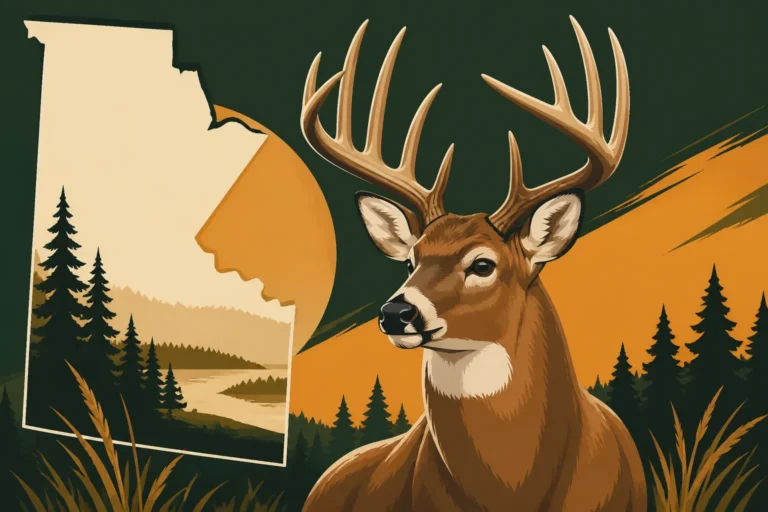
One of the most fascinating cycles in nature for any deer hunter, and often one that brings a mix of curiosity and mild obsession, is when those magnificent antlers finally drop. It's a moment that signals the end of one season and the quiet beginning of the next, prompting countless discussions and questions among us. This guide will walk you through the factors influencing when Manitoba's white-tailed bucks shed their antlers, where to look for them, and how to approach shed hunting ethically.
Understanding the Biological Factors Behind Antler Shedding
The shedding of antlers is a complex, hormonally driven process that marks a significant transition in a buck's annual cycle. It's not just a random event; it's intricately tied to their biology and the changing seasons, a testament to nature's incredible design.
The Role of Testosterone and Photoperiod
At the heart of antler shedding lies the ebb and flow of a buck's testosterone levels. During the intense period of the rut, roughly from late October through Hunting the Rut in Early to Mid November in Manitoba, a buck's testosterone is at its peak. This hormone is crucial for antler hardening, maintaining the pedicle (the bony base from which antlers grow), and driving all those rut-related behaviors like fighting, scraping, and chasing does.
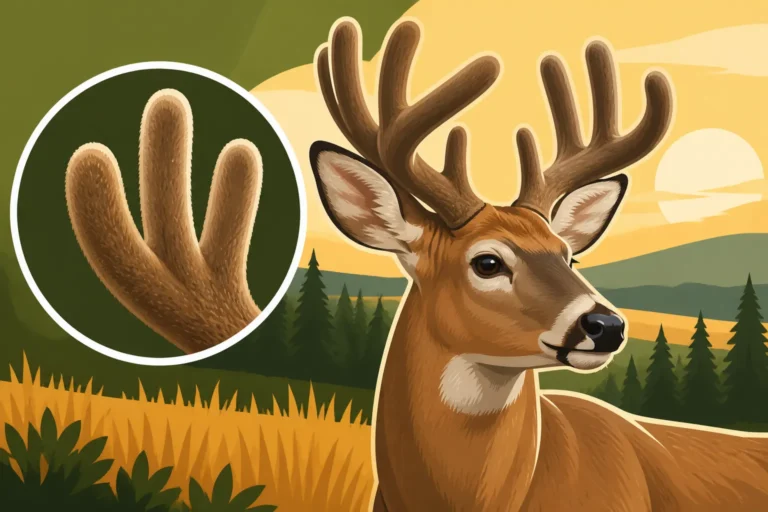
Once the breeding season winds down and a buck has expended immense energy pursuing does, his testosterone levels begin a steady decline. This drop isn't just because the rut is over; it's primarily triggered by the decreasing daylight hours – the photoperiod – as winter progresses. Shorter days signal to the buck's endocrine system that it's time to shift gears. As testosterone falls, specialized cells called osteoclasts begin to reabsorb calcium at the pedicle-antler junction, weakening the connection until the antler detaches. It's a gradual process, but once that connection is compromised, it only takes a knock or a shake of the head for an antler to fall.
Nutritional Impact on Antler Retention
While photoperiod is the main orchestrator, a buck's overall health and nutritional status play a huge supporting role in when he sheds. Think of it this way: growing a set of antlers is an incredibly energy-intensive process, demanding vast amounts of protein and minerals, especially calcium. Add to that the sheer physical drain of the rut, where bucks might lose 20-30% of their body weight, scarcely eating while constantly moving and fighting.
A buck that has gone through a particularly brutal rut, perhaps one that was highly competitive or lasted longer due to local conditions, will be more physiologically stressed. If this is compounded by a tough winter where food sources are scarce or hard to access, his body will prioritize survival over holding onto antlers. Poor nutrition means his body can't sustain the structures as long, leading to an earlier drop. Conversely, a buck that came out of the rut in good shape and has access to ample winter forage might hold onto his headgear a little longer. It's all about their internal resource management, and the demands of What Whitetails Eat Through a Hard Winter directly impact this.
Typical Antler Drop Timeline in Manitoba
Understanding the exact timing of antler drop is a blend of biological science and local observation. While there's a general window, pinpointing the precise day can feel like trying to hit a moving target.
The General Window
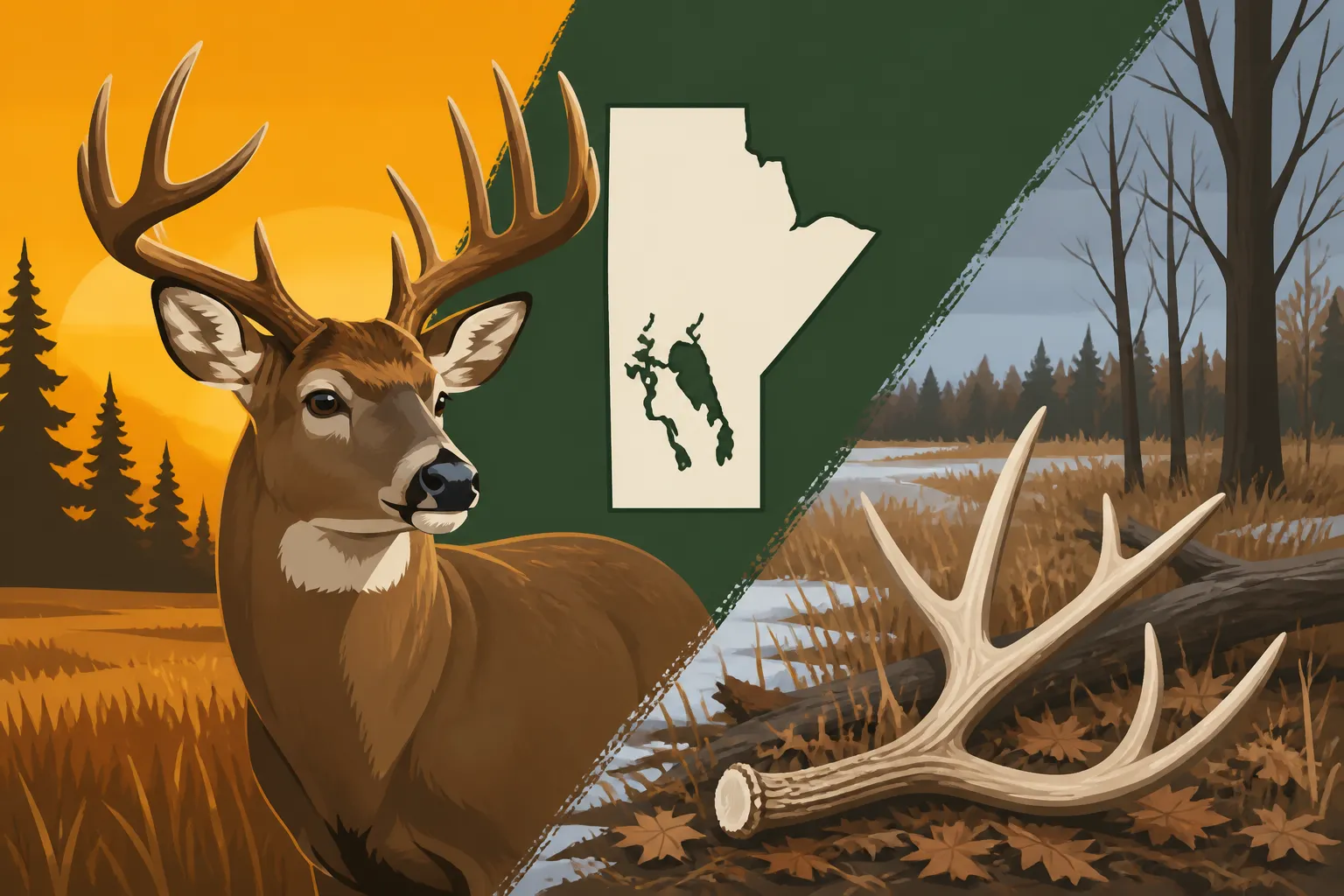
In Manitoba, the vast majority of white-tailed bucks will shed their antlers sometime between late December and early March. The real "shed bonanza" often kicks off in February, especially in the latter half, and continues strongly into the first few weeks of March. This is when most hunters planning to hit the bush looking for sheds will start to find consistent results.
However, it's not a hard and fast rule. You'll hear stories of individual bucks dropping an antler in December, particularly older, exhausted animals, or conversely, a hardy youngster still carrying both sides well into April. These are typically the exceptions to the rule, but they serve as a reminder that nature rarely operates on a strict schedule. This general window provides the best guidance for when to start preparing your shed hunting expeditions.
Factors Influencing Early vs. Late Drop
Many variables can shift a buck's personal antler drop schedule. It’s a delicate balance of internal and external pressures.
Buck Age
Age plays a significant role in antler retention. Generally, older, more mature bucks tend to shed their antlers earlier than younger bucks. This is often attributed to the greater energy expenditure and higher testosterone levels they experience during the rut. A seasoned old warrior buck, who dominated the breeding, might simply be more physically exhausted, leading to an earlier hormonal drop and subsequent shedding. Younger bucks, often less involved in the most strenuous parts of the rut, might hold onto their antlers a bit longer as their bodies recover. Think about the big-bodied bucks we see in Manitoba; Why Manitoba Bucks Grow Heavy Bodies implies they have the resources, but also the intense rut takes a toll.
Rut Intensity
The severity and duration of the rut can also sway the timing. A particularly intense rut, perhaps one with a skewed buck-to-doe ratio leading to more competition, or prolonged periods of active breeding, will deplete a buck's physical reserves more drastically. Bucks that run themselves ragged during the breeding season are more likely to shed earlier. Their bodies are simply signaling that it's time to recover and rebuild, and those antlers are an expensive appendage to maintain once their purpose is served.
Winter Severity
Manitoba winters can be notoriously harsh, and the weather absolutely factors into antler drop. A severe winter, characterized by prolonged periods of extreme cold and deep snow, can significantly stress deer populations. When conditions are tough, What a Hard Manitoba Winter Culls can lead to deer needing to conserve every bit of energy. In such scenarios, bucks might shed their antlers earlier as a physiological response to conserve resources needed for survival. Conversely, a milder winter with easily accessible forage might allow bucks to retain their antlers for a longer period. Deep snow can also make movement more challenging, increasing the likelihood of antlers getting knocked off during travel through thick cover.
Individual Variation
Finally, always remember the individual buck. Just like people, every deer is unique. Some bucks might simply be predisposed to shedding earlier or later due to genetics, or localized factors that aren't immediately obvious. You might observe a consistent shedder on your property year after year, or a buck that seems to defy the odds, holding onto his rack well past his peers. This individuality is part of what makes shed hunting so unpredictable and, let's be honest, so much fun!
Shed Hunting Strategies in Manitoba
Once the antlers start hitting the ground, the real fun begins: shed hunting! It's like a treasure hunt in the winter woods, and in Manitoba, knowing where and when to look can make all the difference.
Best Time to Start Looking
Patience is a virtue when it comes to shed hunting in Manitoba. While a few early sheds might appear in late December or January, you’ll generally want to hold off your serious efforts until mid-February, extending through March. This period typically sees the peak of antler drop across the province. If you go out too early, you might spook deer that are still holding their antlers, or simply come up empty-handed.
The ideal scenario often involves a bit of a thaw after a period of snow, which can reveal sheds that were previously buried. A fresh snowfall can also sometimes help, as it might highlight dark antlers against a white background, though deep, crusty snow can make walking incredibly difficult and sheds hard to spot. Keep an eye on local conditions and be ready to hit the bush when the timing feels right. You'll often find that even if a buck drops one side, he may carry the other for days or even weeks longer, so repeat visits to prime areas can be productive.
Key Areas to Focus Your Search
Deer are creatures of habit, especially in winter when conserving energy is paramount. This predictability is your greatest ally when shed hunting. Think about where deer spend their time during the toughest part of the year.
Bedding Areas: These are often thick, south-facing slopes, dense willow runs, or stands of conifers that offer protection from the wind and sun. Deer will spend a significant portion of their day bedded down here. As they lie down and stand up, or shake their heads, a loose antler can easily pop off. Areas described in Where Manitoba Whitetails Bed in Deep Snow are prime locations.
Feeding Areas: Bucks need to eat to recover and survive the winter. Focus on field edges, areas with standing corn or canola, pockets of browse, and even winter food plots if they exist. Deer will travel to these areas, feed, and then return to bed. An antler can get knocked off as they feed, especially if they’re pushing through brush or navigating fences to get to the food. Using digital mapping tools like GoHunt can help you identify these agricultural fringes and potential food sources.
Travel Corridors: These are the highways deer use to get between bedding and feeding areas. Look for well-used trails, fence lines, creek bottoms, and dense bush edges like Hunting a Manitoba Bush Edge. Any obstacle, like jumping a fence or crossing a frozen creek, can jar an antler loose. Bucks often move along these paths, and antlers tend to be dropped where they pause, rub, or navigate tight spots.
Obstacles and Funnels: Any place where a deer has to exert a little extra effort or navigate a tight squeeze is a potential drop zone. Think about cattle fences they might jump over, small creek crossings, or even tight spots in dense bush that require them to duck their heads. These minor impacts can be just enough to dislodge an antler that's already loose.
Techniques for Successful Shed Hunting
Finding sheds isn't just about being in the right place; it's about employing smart tactics.
One common and effective technique is grid searching. This means systematically walking an area in a grid pattern, ensuring you cover every square foot. Walk slowly, with your head up, scanning both sides for that tell-tale curve or tine. Many sheds are found not by looking directly down, but by spotting them out ahead or to the side. Binoculars can be surprisingly useful, especially in open areas, to scan ahead for anything that looks out of place. This is where scouting tips like Reading Whitetail Sign in Manitoba Aspen come in handy, as understanding the natural environment helps you identify key areas to grid.
Bringing a trained shed dog can dramatically increase your success rate. These dogs are specifically trained to locate and retrieve antlers, covering ground much faster than a human and using their superior sense of smell. Always ensure your dog is well-behaved and that you have permission to bring them if you're on private land.
When there's snow on the ground, timing your hunt after a fresh thaw or when snow cover is minimal can be advantageous. However, don't write off snowy conditions entirely. Sometimes, an antler can stand out starkly against white snow, especially if it's been exposed for a while. If the snow is too deep, consider waiting; pushing through heavy snow is exhausting for you and can spook deer. Remember, the goal is to find the sheds, not disturb the wildlife.
| Factor | Tends Towards Earlier Drop | Tends Towards Later Drop |
|---|---|---|
| Buck Age | Older, more dominant bucks (higher rut intensity) | Younger bucks (less strenuous rut) |
| Rut Intensity | Very intense, prolonged rut (high energy expenditure) | Mild or shorter rut (less energy drain) |
| Winter Severity | Severe cold, deep snow, scarce food (high stress) | Mild winter, accessible forage (lower stress) |
| Physical Condition | Poor condition post-rut, low body fat | Good condition post-rut, healthy |
| Genetics | Individual predisposition (some lines shed earlier) | Individual predisposition (some lines hold longer) |
| Injury/Illness | Recent injury or illness (stress response) | Healthy, no recent major injuries |
| Dietary Minerals | Deficient diet in key minerals (calcium, phosphorus) | Sufficient access to mineral-rich food sources |
Ethical Considerations and Local Regulations
Shed hunting is a fantastic way to extend your time in the woods and connect with the habitat, but it's crucial to approach it responsibly and ethically. Our actions can impact the very animals we appreciate.
Respecting Wintering Deer
Manitoba winters are no joke, and deer are often living on the edge during the coldest months. Their energy reserves are low, and they rely heavily on stored fat to survive. Any unnecessary stress can be detrimental, potentially leading to increased mortality. This is why it's incredibly important to minimize disturbance to deer, especially if you encounter them while shed hunting.
If you spot deer, observe them from a distance. Do not actively pursue or push them, especially if they are moving slowly or seem to be conserving energy. Flushing deer repeatedly can cause them to burn precious calories they desperately need to survive the cold and lack of forage. Be mindful of their habitat and their struggle. The satisfaction of finding a shed should never come at the expense of a deer's well-being. Think about what we learn from posts like Hunting Safely in Deep Winter Cold about how vulnerable deer can be.
Landowner Permission and Crown Land Rules
Just like hunting, shed hunting requires permission on private land. You might not be carrying a firearm, but you are still accessing someone else's property, and respecting their boundaries and wishes is paramount. Always knock on doors, introduce yourself, and politely ask for permission to look for sheds. Building good relationships with landowners is essential for maintaining access to quality outdoor opportunities, and it demonstrates respect for their property. Failing to obtain permission could lead to charges under Manitoba Trespass Law for Hunters.
When it comes to Manitoba's Crown Land Access, the rules are generally more open, but it's still wise to be informed. Understand where Crown Land boundaries lie (tools like GoHunt or provincial land maps are invaluable for this) and be aware of any specific regulations or closures for certain areas, such as Wildlife Management Areas or special conservation zones. Some areas might have restrictions on off-road vehicle use, or other activities that could impact shed hunting. Always double-check the latest provincial hunting and trapping guides for any updates or specific rules regarding shed collection. Being knowledgeable and respectful ensures we can all continue to enjoy these winter pursuits for years to come.
Disclaimer
This article is for general informational purposes only and does not constitute professional advice. Laws, prices and regulations vary by location and change over time. Consult a qualified professional for guidance on your specific situation.