Beaver and Muskrat Numbers Up North
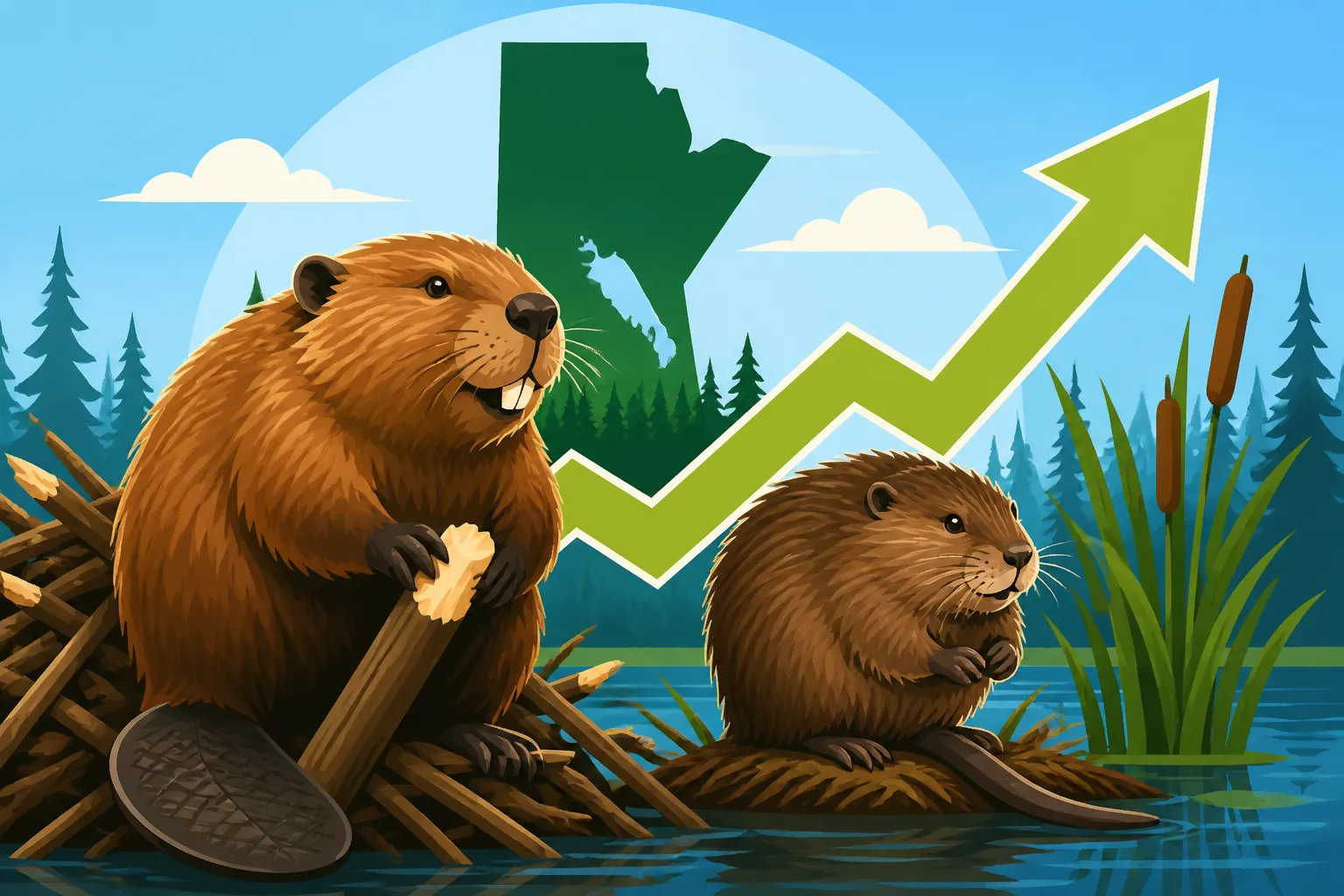
In the vast, wild stretches of Northern Manitoba, understanding the ebbs and flows of furbearer populations, particularly species like beaver and muskrat, is more than just academic curiosity; it's a vital part of managing the land and an essential piece of knowledge for anyone involved in trapping or observing wildlife. These industrious creatures are foundational to the northern aquatic ecosystems, and their numbers can tell us a lot about the health of the environment around them. This guide will explore the dynamics of beaver and muskrat populations in Manitoba's northern reaches, shedding light on what influences their presence and what it means for the landscape.
The Lifeblood of Northern Waters: Understanding Beaver Populations in Manitoba
Beavers are nothing short of nature's engineers. Their ability to drastically alter water flow and create new wetland habitats makes them a keystone species, particularly in the intricate network of lakes, rivers, and slow-moving streams that characterize Northern Manitoba. The presence and density of beaver populations are usually a strong indicator of water availability, forest health, and the overall stability of an ecosystem.
In the northern regions, where vast tracts of boreal forest meet the tundra transition, beaver activity can create vital oases of still water, which are crucial for countless other species. Their dams slow down water, preventing rapid runoff and erosion, and create deep ponds that don't freeze solid in the severe winter months. This provides critical overwintering habitat for fish and amphibians, and access to water for moose and Barren-Ground Caribou in Northern Manitoba seeking refuge from predators or simply a drink.
Beaver Ecology and Habitat Up North
Northern Manitoba's beavers thrive in areas where deciduous trees, especially aspen, willow, and birch, are plentiful, providing both building materials for their lodges and dams, and a primary food source. They prefer slow-moving waterways, small streams, and lake edges where they can easily fell trees and construct their elaborate aquatic homes. The bush country of the boreal forest, with its mixed stands and numerous small waterways, offers ideal conditions for these large rodents.
Their populations aren't static; they fluctuate based on a variety of factors, including food availability, water levels, predation pressure from animals like wolves and Wolverine in the Northern Bush, and, historically, trapping intensity. A healthy beaver colony can consist of a pair and their offspring from the previous two years, typically ranging from 4 to 8 animals. When food sources are abundant, these colonies can expand rapidly, leading to a noticeable increase in beaver activity. Conversely, when resources dwindle or trapping pressure is high, numbers can decline.
Impact of Beaver Activity on the Northern Landscape
The environmental impact of beavers is profound and multifaceted. Their dam-building creates new wetlands, expanding crucial habitat for waterfowl like ducks and geese, and providing breeding grounds for amphibians and insects. These new ponds can also filter water, trapping sediments and pollutants, which in turn improves water quality downstream. This natural engineering creates a mosaic of habitats, increasing biodiversity in areas that might otherwise be monotonous forest or open water.
However, the impact isn't always seen as entirely positive by all. In some instances, beaver dams can flood timber valuable for logging or impede water flow through culverts and roads, causing practical challenges for human infrastructure. For trappers, understanding where beavers are active is key. Platforms like GoHunt can be incredibly useful for scouting these prime areas remotely, allowing trappers to identify suitable waterways and potential dam locations before they even set foot in the field. This blend of traditional knowledge and modern mapping can make a real difference when planning a trapline or a hunting expedition.
Small but Mighty: The Dynamics of Muskrat Populations Up North
Muskrats, while much smaller than beavers, play an equally significant role in the aquatic ecosystems of Northern Manitoba. These semi-aquatic rodents are highly prolific and serve as a crucial food source for a wide array of predators, making their population dynamics central to the health of the entire food web. Their lives are intimately tied to wetlands, marshes, and slow-moving waterways, often sharing these habitats with their larger beaver counterparts.
Like beavers, muskrats are an indicator species; their numbers can quickly reflect changes in water quality, habitat availability, and predation pressure. A boom in muskrat populations often means an abundance of shallow, productive wetlands, while a sharp decline can signal environmental stress or changes in predator numbers.
Muskrat Ecology and Preferred Habitat
Muskrats prefer shallow, marshy areas with abundant emergent vegetation like cattails, bulrushes, and sedges, which they use for food and to build their dome-shaped lodges or bank dens. In Northern Manitoba, these habitats are common around the edges of lakes, slow-moving rivers, and particularly in the numerous small wetlands and sloughs scattered through the boreal and aspen parkland fringe. These areas often freeze solid in winter, but muskrats adapt by creating "push-ups" under the ice – feeding platforms constructed from vegetation that allow them to continue foraging.
Their reproductive capacity is truly impressive. Females can have multiple litters per year, with each litter typically containing 5-8 young. This high reproductive rate allows muskrat populations to rebound quickly from downturns, but also makes them susceptible to dramatic fluctuations driven by environmental conditions. Harsh winters with prolonged deep freezes, coupled with low water levels, can devastate muskrat populations, as their shallow feeding areas become inaccessible or freeze solid.
Population Fluctuations and Ecological Role
Muskrat populations are known for their cyclical nature, often experiencing boom-and-bust periods. These cycles are influenced by a combination of factors, including predator-prey dynamics, disease outbreaks, and habitat changes. When muskrat numbers are high, they provide an abundant food source for a wide range of predators, including Red Fox and Arctic Fox in Manitoba, mink, owls, hawks, and even large fish. This abundance, in turn, can support higher predator populations, creating a delicate balance within the ecosystem.
Conversely, when muskrat numbers crash, it can have ripple effects throughout the food chain, impacting the survival rates of their predators. This makes them a critical link, acting as a natural buffer for other prey species. For trappers, understanding these cycles is essential for sustainable harvesting. Knowing when populations are strong allows for more productive trapping seasons, while recognizing periods of decline helps in reducing pressure to allow populations to recover. Trappers often monitor winter conditions, like ice thickness and snow depth, to predict how muskrats will fare, as these conditions are significant predictors of future numbers.
Key Factors Shaping Northern Furbearer Numbers
The populations of both beaver and muskrat in Northern Manitoba are not solely determined by their own biological traits. They are constantly shaped by a complex interplay of environmental, human, and ecological factors that can cause dramatic shifts in their numbers over time. Understanding these drivers is crucial for anyone hoping to forecast furbearer abundance or contribute to sustainable management.
Environmental Influences
Water is life for these semi-aquatic species, so water levels and climate patterns are perhaps the most dominant environmental factors. Prolonged droughts can significantly reduce available wetland habitat, making existing areas shallower and more vulnerable to freezing in winter. This directly impacts muskrat survival, as their shallow lodges and feeding areas become exposed or freeze through. Beavers, while more resilient due to their dam-building, can also suffer if smaller streams dry up, limiting their ability to create new ponds and access food sources. Conversely, periods of high precipitation can create expanded wetlands, leading to furbearer population booms.
Winter severity is another critical factor. Deep and prolonged cold snaps, especially when coupled with thick ice and minimal insulating snow, can make foraging extremely difficult for both species. Muskrats may struggle to maintain open water access to their food caches, and beavers might find their underwater food piles frozen solid or depleted. Hunting Safely in Deep Winter Cold is a challenge for humans, but a matter of survival for furbearers.
Predation and Disease
The northern ecosystem is a dynamic web of predator and prey. Both beavers and muskrats are vital food sources, and their numbers are naturally regulated by predators. Muskrats are prey for virtually anything that eats meat, including mink, foxes, coyotes, owls, and eagles. Wolf Pack Size in the Boreal Forest can also influence beaver numbers, particularly younger, less experienced beavers that stray too far from water. Lynx, for example, are highly dependent on the Lynx and the Snowshoe Hare Cycle, but will also readily prey on muskrats if hare numbers are low.
Disease outbreaks can also sweep through furbearer populations, causing rapid declines. For muskrats, diseases like hemorrhagic septicemia can be devastating, especially in dense populations. Beavers can be susceptible to giardiasis or tularemia, though widespread, population-altering outbreaks are less commonly reported. As the climate changes, understanding how these diseases might spread or emerge in new areas becomes increasingly important for conservation.
Trapping Pressure and Human Activity
Historically, trapping has been a major influence on furbearer populations. For species like beaver and muskrat, which have commercially valuable pelts, trapping pressure can directly impact local densities. Sustainable trapping practices, regulated by seasons and quotas, are designed to ensure that populations remain healthy and viable for future generations. Trappers often become astute observers of population trends in their specific areas, using their firsthand knowledge to inform their activities and contribute to data collection.
Habitat alteration through human activities like logging, agriculture, and urban development can also affect furbearer numbers. While logging can sometimes create new aspen growth that benefits beavers in the short term, widespread habitat fragmentation or destruction of wetlands for agriculture can have long-lasting negative impacts. Similarly, pollution of waterways can degrade habitat quality, making it unsuitable for these sensitive aquatic animals. When Hunting a Boreal Muskeg Edge or Hunting a Beaver Dam Crossing, trappers are often walking through areas that have been influenced by human activity for decades.
Implications for Trappers and the Northern Ecosystem
For trappers working in Northern Manitoba, understanding the health and dynamics of beaver and muskrat populations isn't just a casual interest—it's foundational to their livelihood and an ethical responsibility. These furbearers represent a renewable resource, and successful, sustainable trapping relies on deep knowledge of their biology, habitat, and how they interact with the broader environment.
Managing for Sustainability and Opportunity
Effective furbearer management involves a blend of scientific data and traditional ecological knowledge. Trappers, often operating on registered traplines, are essentially stewards of the land, making observations about animal health, population density, and habitat changes that are invaluable. They can report unusual findings to wildlife officials, contributing to a more comprehensive understanding of the ecosystem. The Manitoba Trapping and Furbearer Licences system helps ensure that trapping is conducted responsibly and within established guidelines.
Sustainable harvesting means removing a portion of the population without jeopardizing its long-term viability. For muskrats, this often means capitalizing on years of high populations, knowing that numbers will eventually decline naturally. For beavers, it means carefully managing colony numbers to prevent overpopulation that could lead to habitat degradation or conflict with human infrastructure, while still leaving enough breeding stock to ensure healthy recruitment. Many trappers consult resources like GoHunt to analyze changes in terrain or water bodies over time, helping them identify areas where furbearer activity might be increasing or decreasing.
The Broader Ecological Role
Beyond their commercial value, beavers and muskrats play irreplaceable roles in shaping the northern landscape and supporting its biodiversity. Beavers, through their dam-building, create diverse aquatic habitats that are critical for countless species, from waterfowl to fish, and contribute to water retention in the landscape. These beaver-created wetlands are dynamic environments, constantly changing and providing different successional stages of habitat.
Muskrats, with their high reproductive output, form a crucial base of the food pyramid for a vast array of predators. Their abundance directly influences the health and numbers of other furbearers and raptors. The cyclical nature of muskrat populations also acts as a natural buffer, ensuring that predators have an alternative food source when other prey, like Snowshoe Hare and Its Ten Year Cycle, are at a low point.
For those planning to venture into trapping or simply keen to observe the wildlife of Northern Manitoba, keeping an eye on these two species offers a fascinating window into the health and resilience of the boreal ecosystem. A trip along an Hunting Along an Old Trapline Cut or through a Hunting a Willow Run for Whitetails might reveal subtle signs of their presence, giving you a deeper appreciation for the intricate web of life that thrives in these wild places.
| Species | Primary Habitat | Population Trend (General) | Key Ecological Role |
|---|---|---|---|
| Beaver | Streams, small rivers, lake edges; areas with deciduous trees. | Relatively stable, local fluctuations. | Keystone species, ecosystem engineers, habitat creators. |
| Muskrat | Marshes, shallow wetlands, slow-moving waterways with emergent vegetation. | Highly cyclical, rapid boom-and-bust. | Primary prey species, vital food chain link. |
Disclaimer
This article is for general informational purposes only and does not constitute professional advice. Laws, prices and regulations vary by location and change over time. Consult a qualified professional for guidance on your specific situation.