What a Big Boreal Black Bear Weighs
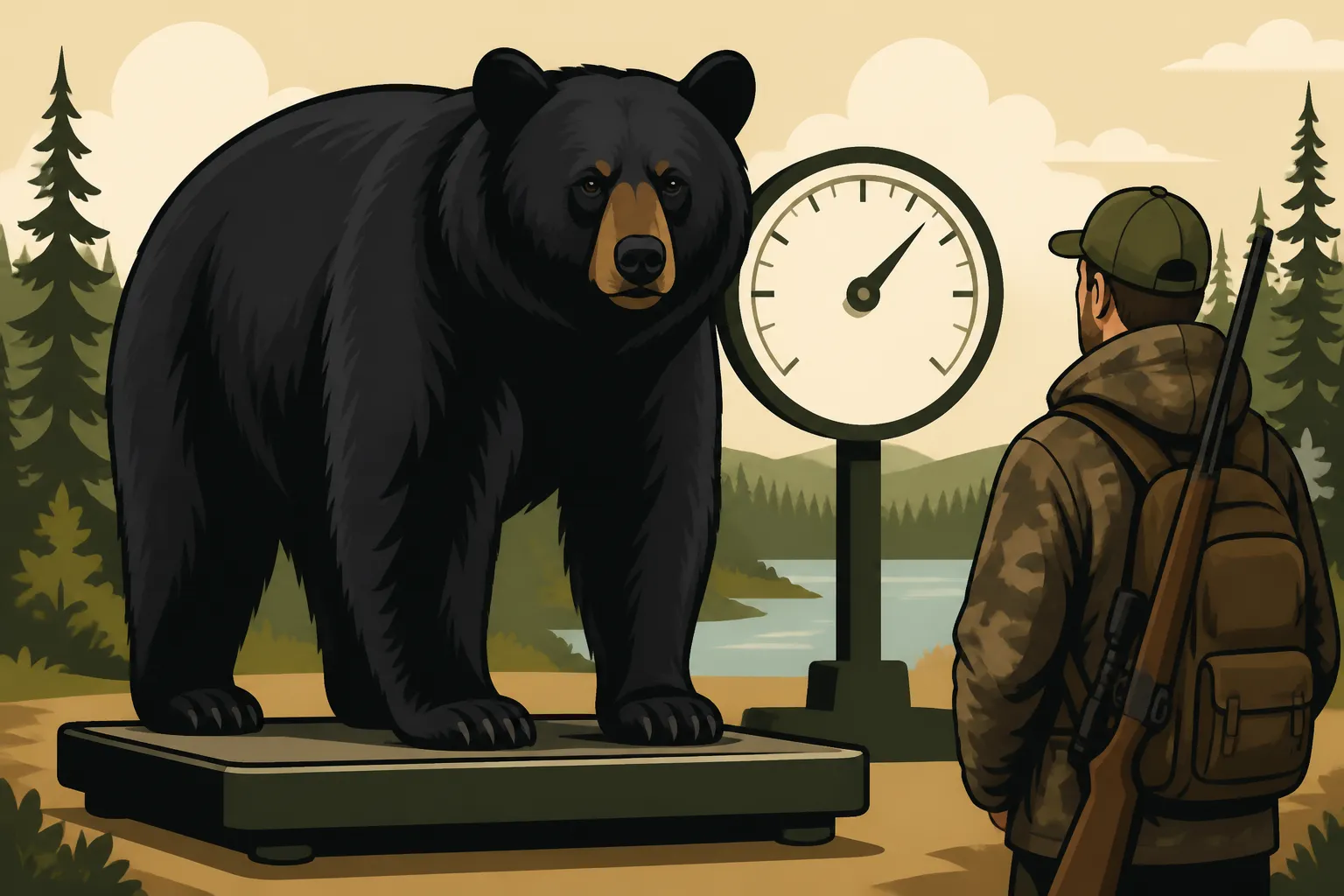
Many hunters dream of taking a truly massive black bear, but when you’re out in the vastness of Manitoba’s boreal forest, trying to size up an animal from a distance, it can be tough to really grasp just how heavy a truly big one can get. This guide is all about helping you understand the real weights of black bears found in our province's northern wilderness, what contributes to their size, and what you can honestly expect to encounter on a hunt here.
Understanding Black Bear Weights: More Than Just the Scale
When we talk about a "big" black bear, it's easy to picture those jaw-dropping photos from outfitters, but the reality for most hunters is a range of weights. It's crucial to understand the average before we get to the exceptional.
Average vs. Exceptional Weights
For most of us, an average adult black bear in Manitoba's mixed forest and boreal regions will typically weigh in the range of 150 to 250 pounds. These are healthy, mature bears, often prime for hunting. Females, or sows, generally fall on the lower end of that spectrum, while mature males, or boars, will trend higher. However, when you hear whispers of "giant" bears, you're usually talking about animals pushing well over 300 pounds, sometimes even 400 or more. These are the exceptions, often older, dominant boars that have had years to grow and thrive. They are the true trophies, and they don't come easy. It's important to keep a realistic perspective; while Manitoba definitely produces some monsters, the majority of bears harvested will be in that respectable 150-250 lb range.
Consider a spring hunt near The Pas or Flin Flon. You might be glassing a fresh green-up in a clearcut or sitting a bait site. The bears moving through early in the season, just out of their dens, might look thinner than their fall counterparts. A 200-pound bear in spring looks entirely different from a 200-pound bear in the fall, which is laden with fat. This visual difference is where many hunters, myself included, can misjudge size.
Factors Influencing a Boreal Bear's Size
Several key elements come together to determine just how big a black bear gets, especially in a diverse ecosystem like Manitoba's boreal forest. It's not just luck; it's a culmination of age, genetics, and environment.
Firstly, age is perhaps the most significant factor. Black bears grow throughout their lives, albeit at a slower rate once they reach maturity. A bear hitting 8-10 years old, or even older, has simply had more time to pack on the pounds and develop its skeletal structure. These older bears have survived numerous winters, evaded hunters, and navigated the challenges of the wild. They're the ones most likely to tip the scales well into the "big bear" category. For instance, an impressive boar spotted during a Black Bear Hunting in Manitoba trip near Thompson might be 12-15 years old, a true veteran of the north.
Secondly, genetics play an undeniable role. Just like people, some bear lineages simply have the genetic predisposition to grow larger than others. Even with abundant food, a bear from a smaller genetic line might never reach the colossal size of a bear born into a line of giants. While you can't control genetics, knowing that certain regions consistently produce larger bears can hint at the genetic potential within that population. This is where researching areas through resources like GoHunt, or speaking with local outfitters, can give you insights into the general quality of bears in a specific Game Hunting Area (GHA).
Finally, and crucially for boreal bears, is food availability and habitat quality. The boreal forest, while vast, isn't uniformly rich in food. Areas with a good mix of mature forests, wetland edges, and regenerating clearcuts often provide a smorgasbord of sustenance. This includes a wealth of berries (saskatoons, blueberries, raspberries), various nuts (hazelnuts, acorns where oaks are present), succulent new growth, insect larvae found in rotting logs, and even opportunistic scavenging or predation on moose and deer calves in the spring. Bears that have consistent access to high-calorie food sources, year after year, will naturally outgrow those in sparser environments.
The seasonal cycles also significantly influence a bear's weight. Bears emerging from hibernation in spring are at their leanest, having burned through their fat reserves. As spring progresses, they seek out carrion, fresh grasses, and early berries. By late summer and fall, however, it's a race to pack on as much fat as possible before denning. This is when they hit their peak weights, gorging on abundant berries, corn (if near agricultural fringes), and other calorie-rich foods. A bear you see in August while Hunting Manitoba's Fall Bear Season will almost certainly be heavier than the same bear spotted in May.
Specifics of Manitoba's Boreal Black Bears
Manitoba's boreal forest is a special place, a truly wild expanse that contributes significantly to the province's reputation for big game, including its impressive black bears.
Why Manitoba's Boreal Region Grows Big Bears
Manitoba’s boreal region is a sprawling, rugged landscape characterized by dense coniferous and mixed forests, countless lakes, rivers, and vast areas of muskeg. This pristine, relatively undisturbed habitat is a primary reason why it consistently produces large black bears. The sheer expanse of wilderness means less human pressure and disturbance compared to more settled areas. Bears here have ample space to roam, establish territories, and, critically, live to older ages. An old, wise boar is a heavy boar, and the boreal environment allows them the longevity to reach those impressive sizes.
Furthermore, the diverse ecosystems within the boreal forest offer a rich and varied diet for bears. From the early spring growth along riverbanks and beaver ponds, to the prolific berry patches that explode in the summer sun, bears have a smorgasbord of natural foods. Think about the abundance of blueberries, raspberries, and saskatoons in a good year, or the protein boost they get from insect larvae found under rocks and in decaying wood. They’ll also opportunistically prey on young moose or deer calves in the spring, and are excellent scavengers. This constant access to high-calorie, natural food sources fuels their growth, allowing them to accumulate significant fat reserves for the long winter ahead.
The climate itself plays a role, too. Our long, cold winters mean that bears need to put on a serious amount of fat to survive hibernation. This natural imperative drives them to feed aggressively during the spring, summer, and fall, which directly contributes to their overall body mass. You also find areas within the boreal that are less accessible, serving as natural sanctuaries where bears can grow without constant hunting pressure. This combination of vast habitat, abundant food, and minimal disturbance creates an ideal environment for bears to not just survive, but to truly thrive and reach impressive sizes.
What Hunters Can Realistically Expect
When you’re planning a hunt in Manitoba’s boreal, it's exciting to dream of a giant, but what’s a realistic expectation? Most adult black bears harvested in this region will be mature animals weighing between 180 and 350 pounds. This is a solid, respectable size for a black bear, offering plenty of meat and a good challenge. Of course, there are always those outliers, the truly enormous boars that push the 400-pound mark or even higher. These are the bears that make headlines and hunters' legends, but they are not the norm for every hunt.
The challenge, especially if you’re Setting a Bear Bait Site in Manitoba, is accurately judging a bear's weight and size in the field. Adrenaline and excitement can easily make a 250-pound bear look like a 350-pounder! You'll often hear hunters talking about visual cues like head-to-body ratio, belly sag, and shoulder mass to help gauge size, but it takes experience to get it right. What's more important than chasing a specific weight is looking for a mature animal, typically a large boar, that exhibits the characteristics of an older bear – a blocky head, thick neck, and a substantial, often swaying, gait.
For non-resident hunters, or those looking for a truly top-tier experience, booking with a reputable outfitter is often the best route to increase your chances of finding one of these larger boreal bears. Outfitters spend countless hours scouting, baiting, and monitoring bears, often using trail cameras to get a better read on the local population and the specific animals frequenting their sites. They often have a long history in certain areas and a deep understanding of the local bear population dynamics. GoHunt, for example, can be a useful tool for researching outfitters and specific regions known for producing larger bears, allowing you to compare options and reviews.
Here's a general table to help set realistic expectations for black bear weights in Manitoba's boreal forest:
| Category | Average Weight (Spring) | Average Weight (Fall) | Exceptional Weight (Fall) |
|---|---|---|---|
| Adult Sow (Female) | 100 – 180 lbs | 150 – 250 lbs | 280+ lbs |
| Adult Boar (Male) | 150 – 250 lbs | 250 – 400 lbs | 450+ lbs |
| Average Harvested Bear | 150 – 200 lbs | 200 – 300 lbs | 350+ lbs |
Note: These are estimates. Individual bear weights can vary widely based on age, genetics, and food availability in a given year.
Field Dressing and Logistics Considerations
Successfully harvesting a big boreal black bear is just the beginning of the adventure. The next steps involve some serious physical effort and careful planning to ensure you handle the animal properly.
Estimating Weight in the Field
Accurately estimating a black bear's weight in the field is one of the trickiest parts of bear hunting. The excitement of the moment can play tricks on your eyes, making every bear look like a giant. However, experienced hunters rely on a combination of visual cues to get a better assessment, even without a scale. The "trophy triangle" concept is often taught: imagine a triangle from the ears to the nose. On a young bear, this triangle will appear long and pointed, with ears looking relatively large compared to the head. On an older, mature boar, the triangle will be wider and more equilateral, with the ears appearing much smaller in proportion to the broad, blocky head.
Beyond the head, look at the bear's body mass. A truly heavy bear will have thick, muscular shoulders that appear to extend beyond its ears when looking from the front. Its belly will often sag, especially in the fall when it's laden with fat, giving it a waddling gait. Pay attention to the thickness of its legs and the overall bulk of its torso. Is it long and gangly, or does it have a compact, barrel-chested appearance? A bear that looks truly "wide" from the side, rather than just long, is often a good indicator of substantial weight. It’s also helpful to observe how it moves; a very heavy bear might seem to move more deliberately, almost ponderously, compared to a younger, more agile animal. This is especially useful if you are trying to make a judgment for Judging a Boar From a Sow With Cubs.
Handling and Transporting a Heavy Bear
Once a big bear is down, the real work begins. A 300-pound bear, let alone a 400-pound one, is an immense amount of dead weight, often located in remote, challenging terrain. Field dressing is paramount for cooling the carcass and preserving the meat. This is where multiple sharp knives, a good bone saw, and plenty of game bags become your best friends. Be prepared to quarter the animal on site. Trying to drag a whole bear of that size, particularly through thick boreal bush or over uneven ground, is often an impossible task for one or even two people.
For many hunters, especially those operating from a vehicle-accessible camp, an ATV or side-by-side is indispensable for recovery. Even then, getting a quartered bear loaded onto a quad and back to camp can be a strenuous undertaking. If you're in truly remote country, consider packing out the meat in multiple trips, or relying on a boat or float plane if hunting an area like those described in Flying North for Manitoba Caribou. Proper Meat Care in Manitoba's Cold Snaps is vital, even for fall bear hunts when temperatures can still be mild; prompt cooling prevents spoilage. Remember, a big bear means a lot of meat, and it's your responsibility as a hunter to ensure none of it goes to waste.
Record Book Bears and Trophy Potential
While the sheer weight of a black bear is impressive, it's important to remember that most record-keeping organizations, like Boone and Crockett or Pope and Young, measure black bear trophies by their skull size, not body weight. A wide, long skull with significant circumference is what counts for the record books. However, there's a strong correlation: older, heavier bears generally have larger skulls. So, while you're celebrating the weight of your bear, don't forget to take careful measurements of the skull for potential entry.
Manitoba has a well-deserved reputation for producing exceptional black bears, with several animals making it into the record books over the years. This speaks to the quality of the habitat and the management practices that allow bears to reach mature ages and impressive sizes. If you suspect you've taken a truly large bear, carefully skin the head, ensuring you leave ample meat and tissue on the skull for proper cleaning and measurement. Many outfitters are experienced in preparing skulls for taxidermy and official scoring. You can find more information about Manitoba's impressive bear records and what constitutes a record-book animal by looking into Manitoba's Record Black Bear and Its Score. Even if your bear doesn't make the book, a heavy boreal black bear is a remarkable trophy in its own right, a testament to the wildness of Manitoba. For those interested in preserving their memories, learning how to go about Skinning a Bear for a Rug is a common next step for such a magnificent animal.
Seasonal Variations and Hunter Preparations
The time of year you hunt black bears in Manitoba can significantly impact their physical condition and, consequently, their weight. Understanding these seasonal differences is key to setting expectations and preparing for your hunt.
Spring vs. Fall Bear Weights
Spring bear season in Manitoba, which typically runs from late April to mid-June, offers a unique hunting experience. Bears are just emerging from hibernation, having used up much of their fat reserves over the winter. Consequently, spring bears tend to be leaner, and generally weigh less than they will later in the year. Their diet in the spring consists largely of new green growth, roots, and any available carrion from winter-killed animals. While you can still harvest a very large, old boar in the spring, it will likely not carry the same amount of fat and overall body mass as it would in the fall. Hunters targeting spring bears often prioritize finding mature boars before they encounter sows with cubs, making judgment skills for Judging a Boar From a Sow With Cubs even more critical.
Conversely, fall bear season, running from late August through October, is when bears are at their absolute heaviest. This is their hyperphagic period, where they are intensely focused on consuming as many calories as possible to build up fat reserves for the upcoming hibernation. The boreal forest provides an abundance of berries, nuts, and other mast crops during this time. A bear that weighed 200 pounds in the spring might easily tip the scales at 300 pounds or more by late fall, having packed on a tremendous amount of fat. This makes fall hunts, like Hunting Manitoba's Fall Bear Season, particularly appealing for hunters looking for maximum body weight and fat for rendering. The challenge of field dressing and transporting a fall bear is often compounded by this increased weight, requiring even more preparation.
Preparing for a Big Boreal Bear Hunt
Regardless of the season, pursuing a large boreal black bear requires thorough preparation – physically, mentally, and with the right gear. These aren't hunts for the faint of heart, especially if you're venturing into remote areas.
First and foremost, physical fitness is paramount. Whether you're hiking through dense bush to a bait site or tracking a bear after the shot, the terrain can be challenging. Then comes the arduous task of field dressing and potentially quartering and packing out hundreds of pounds of meat. Being in good shape will make the entire experience safer, more enjoyable, and significantly increase your chances of successfully recovering your animal. This often involves navigating difficult terrain where you might be Hunting a Boreal Muskeg Edge or an old logging road.
Next, your gear must be up to the task. This includes a reliable firearm or bow, appropriate ammunition, and sturdy, sharp knives for field dressing. Don't skimp on quality for these essential tools. Good game bags are critical for keeping meat clean and protected from insects. If you're hunting in areas with ATV access, consider bringing a game cart or a winch for heavier bears; even with a quad, trying to load a whole bear can be a back-breaking ordeal. For truly remote hunts, especially if you're alone or with limited help, knowing how to quarter and pack out a large animal efficiently is non-negotiable, similar to strategies used for Getting a Moose Out With a Quad. Many hunters find mapping apps like GoHunt invaluable for navigating the vast boreal landscape, marking bait sites, and tracking game trails.
Finally, mental preparedness is just as important. Bear hunting can involve long periods of waiting, often in solitude, followed by moments of intense action. Understanding bear behavior, knowing shot placement, and being ready for the logistics of recovery are all part of the mental game. Researching the area you plan to hunt, whether independently or through an outfitter, is a crucial step. Knowing the specifics of Timing a Manitoba Spring Bear Hunt or the late-season challenges of cold weather, perhaps referencing resources like Colour Phase Black Bears in Manitoba to help with identification, will help you go into the field confident and ready for whatever the Manitoba boreal throws your way.
Disclaimer
This article is for general informational purposes only and does not constitute professional advice. Laws, prices and regulations vary by location and change over time. Consult a qualified professional for guidance on your specific situation.