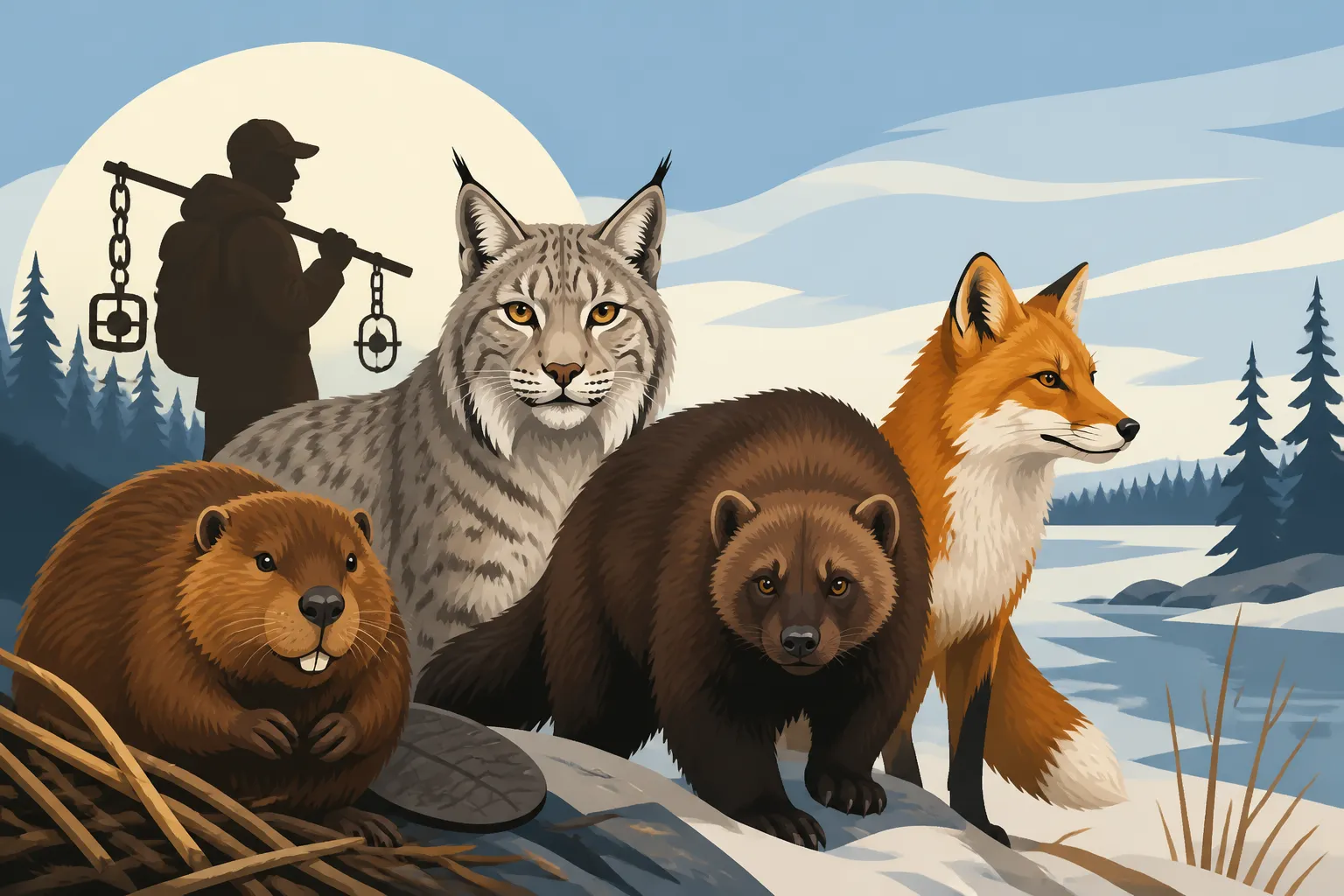
Manitoba’s Furbearers and Trapping Country
Manitoba offers a truly diverse and challenging landscape for those interested in furbearers and the traditional pursuit of trapping. It can feel overwhelming trying to understand the myriad species, their specific habitats, and the regulations that govern this age-old practice across such a vast and varied province. This guide aims to demystify Manitoba's rich furbearer populations and the world of trapping, offering a realistic look at what it takes to participate in this vital part of our provincial heritage.
Understanding Manitoba's Furbearer Landscape
Manitoba is a province of dramatic ecological transitions, from the southern farmlands to the vast northern boreal forests and even touches of tundra further north. This incredible diversity directly impacts the types and densities of furbearer species found here, making it a unique place for trappers. Navigating these different zones, each with its own specific challenges and rewards, is central to understanding furbearer management and successful trapping.
The Ecological Zones of Furbearer Distribution
Our province can broadly be broken down into several distinct ecological zones, and each zone acts like a giant, natural map for where you'll find certain furbearers thriving. Down south, in the agricultural belt and the aspen parkland, you're looking at a mix of species that can adapt to human presence and fragmented habitats. Think coyotes, red fox, skunks, and raccoons, often thriving along shelterbelts, creek bottoms, and field edges. As you move north into the Interlake and the vast boreal forest, the species mix shifts dramatically. Here, you're entering the realm of marten, fisher, lynx, beaver, otter, and wolves, which require more extensive, unbroken wilderness. Further north still, towards the tundra transition, you might even encounter Arctic fox or wolverine, though these are far more elusive and require specialized northern expertise.
This understanding of zones is crucial for any trapper. You wouldn't set out for marten in the middle of a wheat field, just as you wouldn't expect a robust raccoon population in the deep northern bush. It's about aligning your efforts with where the animals naturally occur, a skill that veteran trappers hone over decades. Knowing which GHA you're in, and what kind of habitat it primarily offers, is your first step in identifying target species. Many trappers use sophisticated mapping software like GoHunt to overlay habitat types and terrain features with GHA boundaries, making this initial scouting much more efficient.
The Importance of Habitat Quality and Food Sources
Furbearer populations are incredibly sensitive to habitat quality and the availability of food, much like any other wildlife. A healthy population of mice, voles, and snowshoe hare will mean a healthy population of predators like lynx, fox, and marten. Similarly, lush wetlands and flowing creeks are essential for beaver and muskrat, which in turn attract otter and mink. A major change in habitat, such as a large-scale timber harvest, a forest fire, or even prolonged drought conditions, can significantly alter furbearer numbers and distribution for years.
Consider the classic example of the snowshoe hare cycle, which heavily influences lynx numbers. When hare populations are high, lynx thrive; when hare numbers inevitably crash, lynx populations follow suit. This ecological dance is something trappers observe firsthand, often adjusting their efforts based on these natural ebbs and flows. For those who hunt Lynx and the Snowshoe Hare Cycle, understanding this dynamic is paramount. It’s not just about knowing where to find an animal, but why it's there in good numbers, and what makes a particular area prime for them. This deeper understanding is what separates a truly skilled trapper from a novice.
Key Furbearer Species and Their Habits
Manitoba is home to a rich array of furbearers, each with its own unique habits, preferred habitats, and specific challenges for trappers. Getting to know these animals intimately is part of the trapper's journey, building a connection to the wild landscape they inhabit.
Beaver: The Engineers of the North
Beavers are arguably one of Manitoba's most impactful furbearers, constantly reshaping the landscape with their dams and lodges. You'll find them almost anywhere there's slow-moving water and a good supply of deciduous trees like aspen and willow for food and building materials. From the smallest prairie creek to the vast northern rivers, if the conditions are right, beavers will be there. They are largely nocturnal, especially when active on land, but can be seen working diligently at dawn and dusk around their structures.
Trapping beaver often involves understanding their underwater travel routes, feeding areas, and dam-building habits. They're a powerful animal, and their fur is highly prized. Trappers often focus on areas where beaver populations are healthy, but also where their activities might conflict with human interests, such as flooding roads or timber stands. Understanding beaver behaviour, such as their food caches and preferred dam locations, is key to successful and humane trapping. You'll often find these industrious rodents in the Interlake region, which boasts an abundance of wetlands and watercourses, contributing to Beaver and Muskrat Numbers Up North.
Marten and Fisher: Agile Hunters of the Boreal Forest
These two mustelids are highly sought-after for their luxurious fur and represent a true boreal trapping experience. Marten, smaller and more arboreal, prefer mature coniferous and mixed forests, often utilizing hollow trees or rock crevices for dens. They're incredibly agile, often chasing squirrels and other small prey through the treetops. Fisher, larger and more robust, also inhabit the boreal forest but tend to spend more time on the ground, often along creek bottoms or dense stands of timber. They're known for their fierce predation, even taking on porcupines.
Both marten and fisher are territorial and can cover significant ground. Trapping them requires deep woods knowledge, often involving setting lines in remote areas, sometimes accessible only by snowmobile or ski in winter. The quality of their fur is exceptional in the colder months, making winter trapping paramount for these species. Knowing their travel patterns, and what kind of cover they prefer, is essential for a successful trap line. Many trappers consult resources like GoHunt to identify suitable forested areas and track their trapline routes in these remote regions. The article Marten and Fisher in the Boreal delves deeper into the specifics of these fascinating animals.
Coyotes and Wolves: The Prairie and Boreal Predators
Manitoba offers opportunities for both coyote and wolf trapping, each presenting its own set of challenges. Coyotes are incredibly adaptable and are found throughout the agricultural and parkland regions of the province, right up to the edges of the boreal forest. They thrive in mosaic landscapes of fields, bush, and shelterbelts, preying on rodents, hares, and deer fawns. They are intelligent and wary, making them a true test of a trapper's skill. You can learn more about their distribution in Coyotes Across the Farmland Belt.
Wolves, on the other hand, are creatures of the deep wilderness, primarily found in Manitoba's vast boreal forests and northern regions. They exist in established packs and require extensive territories. Trapping wolves is a specialized pursuit, demanding considerable knowledge of their movements, pack dynamics, and remote wilderness skills. The rewards, both in terms of the animal's fur and the sheer challenge, are immense. Understanding Wolf Pack Size in the Boreal Forest is crucial for anyone considering this demanding form of trapping. Both species play a critical role in maintaining the health of their ecosystems by regulating prey populations.
Fox, Skunk, Raccoon, and Other Smaller Furbearers
Manitoba is also home to a variety of smaller furbearers that offer valuable opportunities, particularly for those trapping closer to agricultural lands or settled areas. Red fox are common across the southern and central parts of the province, often seen hunting rodents in open fields or denning in bush pockets. Their beautiful fur is always in demand. Up north, you might even encounter Arctic fox in the tundra transition zones, as explored in Red Fox and Arctic Fox in Manitoba.
Raccoons and skunks are abundant, especially in the agricultural belt and around human settlements. Raccoons are highly intelligent and adaptable, often found near water sources or in woodlots, feeding on almost anything. Skunks, while less sought after for fur, are often incidentally trapped and require careful handling. Other species include mink, weasel (short-tailed and long-tailed), and badger in the prairie regions. Each of these animals contributes to the intricate web of Manitoba's furbearer populations and offers different opportunities for trappers.
Trapping Seasons and Regulations
Understanding Manitoba's trapping seasons and associated regulations is paramount. These rules are in place not only for the sustainability of furbearer populations but also for public safety and ethical practice. Ignoring them can lead to serious consequences, and ignorance is no excuse in the eyes of the law.
Navigating Season Dates and Licensing Requirements
Manitoba's trapping seasons are species-specific and can vary slightly by region to account for different ecological conditions and population dynamics. Generally, fur quality peaks in colder months, so many seasons are concentrated from late fall through winter. For specific dates, trappers must always consult the most current Manitoba Hunting, Angling and Trapping Guide, published annually by the province. This document is your bible for Trapping Season Dates by Species and is non-negotiable reading.
Beyond season dates, obtaining the correct licenses is fundamental. To trap in Manitoba, you typically need a trapping license, which often requires proof of having completed a trapper education course. These courses cover everything from furbearer biology and identification to humane trapping methods and legal requirements. If you're wondering about the specifics, you'll want to look into Getting a Manitoba Trapping Licence. There are different classes of licenses, such as Resident Trapping Licenses for various zones or Registered Trapline licenses, which grant exclusive trapping rights over specific tracts of Crown land. Understanding which license applies to your situation is the first step before you even think about setting a snare or trap.
Humane Trapping Practices and Equipment Rules
Manitoba, like all jurisdictions in Canada, places a strong emphasis on humane trapping. This means utilizing traps and methods that are designed to cause quick, clean dispatch or to hold an animal without injury, depending on the trap type. The use of certain trap types, sizes, and setting methods is regulated to ensure ethical practice. For instance, body-gripping traps (Conibears) are widely used for many furbearers and must be set in specific ways to be effective and humane. Foot-hold traps also have regulations regarding jaw spread and modifications, and live-capture traps must be checked frequently.
There are strict rules regarding what equipment is permissible and how it must be deployed. For example, traps must be visibly tagged with the trapper's name and address or license number. The frequency of checking traps is also regulated to minimize animal suffering. These regulations reflect a commitment to responsible wildlife management and are designed to ensure that trapping is carried out in a way that respects the animals. Any trapper must be thoroughly familiar with these rules before heading into the field.
Accessing Trapping Country: Crown Land and Registered Traplines
Much of Manitoba's prime trapping country lies on Crown land, which is public land managed by the province. While a general trapping license allows you to trap on Crown land, many productive areas, particularly in the boreal forest, are designated as Registered Traplines. These are specific parcels of Crown land allocated to individual trappers, granting them exclusive trapping rights. This system helps manage furbearer populations, reduces conflicts between trappers, and provides an incentive for trappers to maintain healthy populations on their lines.
Understanding Manitoba's Crown Land Access is important for any trapper. If you are not a Registered Trapper, you cannot trap on someone else's registered line. For those aspiring to trap commercially or on a long-term basis, securing a Registered Trapline is a significant step. This often involves waiting lists or purchasing an existing line from a retiring trapper. It's a system designed to encourage sustainable management and ensure that trapping remains a viable pursuit for generations. For more localized information, resources like GoHunt can often show boundaries for various land designations, including some public and private lands, though official registered trapline maps are best obtained from government sources.
Responsible Trapping Practices and Ethics
Trapping in Manitoba isn't just about catching animals; it's a deep commitment to responsible land stewardship, ethical treatment of wildlife, and adherence to a strict code of conduct. It's a way of life that demands respect for the environment and the animals it sustains.
Ethical Considerations and Conservation
At its core, ethical trapping means prioritizing the welfare of the animals and the health of the furbearer populations. This isn't just a legal requirement; it's a moral one. Trappers are often the first line of defense against disease outbreaks, habitat degradation, or unsustainable population shifts in remote areas. They provide valuable data to wildlife managers, contributing to overall conservation efforts. For example, trappers can report unusual animal deaths or disease symptoms, helping authorities monitor conditions like chronic wasting disease, which affects deer populations, as detailed in Manitoba's CWD Sampling Requirements.
Good ethics also dictate taking only what is needed and utilizing all parts of the animal possible. Waste is not an option for the ethical trapper. Furthermore, respecting other land users, such as hikers, snowmobilers, or other hunters, is critical. A trapper's presence on the land should be nearly invisible, leaving no trace but their tracks. This commitment to conservation and respect for the natural world is a cornerstone of Manitoba's trapping community.
Minimizing Non-Target Catches and Preventing Conflicts
One of the biggest challenges and ethical responsibilities for trappers is minimizing non-target catches. This means setting traps in such a way that they primarily target the intended species, reducing the chance of catching domestic animals or other wildlife. Careful site selection, appropriate bait and lure choices, and proper trap placement are all essential to this. For example, setting a trap specifically for marten should ideally be done in a way that makes it inaccessible to larger animals or pets.
Prevention of conflicts also extends to human interaction. Trappers must be aware of their surroundings, especially in areas where there might be public access. Traps should not be set near trails, roads, or residential areas where domestic animals could be at risk. Clear signage, where appropriate, can also help inform the public. If a non-target animal is caught, the ethical trapper has a responsibility to handle the situation humanely, whether that means releasing the animal if it's unharmed or contacting relevant authorities if it's a protected species or domestic pet. This proactive approach helps maintain a positive image for trapping and prevents unnecessary issues.
Safety in the Bush: Personal and Public
Safety is paramount, both for the trapper and for anyone else who might encounter trapping equipment. For the trapper, this means being prepared for Manitoba's often harsh weather conditions, especially during the winter months when most furbearers are harvested. Proper clothing, navigation tools, emergency supplies, and a means of communication (like a satellite phone in remote areas) are non-negotiable. Knowing Hunting Safely in Deep Winter Cold is as vital for a trapper as it is for a hunter.
Public safety also means ensuring traps are set responsibly. Body-gripping traps, while effective, are powerful and can cause serious injury if improperly handled or encountered by an unsuspecting person or animal. Trappers must ensure their sets are placed in a way that minimizes risk, often by using enclosures or elevated sets. Education through recognized trapper education courses instills these safety principles, ensuring that trappers are well-versed in minimizing risks to both themselves and others.
The Role of Trapping in Conservation and Economy
Trapping in Manitoba is more than just a recreational pursuit or a means of harvesting fur; it plays a significant, though often unseen, role in wildlife management, conservation, and the rural economy.
Wildlife Management and Population Control
Trappers act as informal wildlife managers, especially in remote areas where government oversight is less frequent. By harvesting furbearers, they help manage populations, reducing overpopulation that could lead to disease or habitat degradation. For instance, in some areas, beaver populations can become so dense that their damming activities cause extensive flooding, impacting roads, timber, or agricultural land. Trappers can help mitigate these conflicts. Similarly, judicious harvesting of predators like coyotes or wolves can, in specific local contexts, help balance prey populations, though this is a complex ecological dynamic.
The data provided by trappers, through mandatory reporting of their harvest, is also invaluable. This information contributes to a larger understanding of furbearer population trends, informing future management decisions regarding season lengths, bag limits, and conservation efforts. Without this ground-level knowledge, wildlife managers would have a much harder time assessing the health and sustainability of furbearer populations across such a vast province.
Economic Contribution to Rural and Indigenous Communities
Trapping, though perhaps not as prominent as in past centuries, still contributes meaningfully to Manitoba's rural and Indigenous economies. For many in remote northern communities, particularly Indigenous communities, trapping remains a vital source of income, connecting them to traditional ways of life and providing a sustainable livelihood. The sale of raw furs to auctions or buyers injects money into these communities, supporting families and local businesses.
Beyond the direct sale of fur, there's an entire support industry for trapping: equipment manufacturers, suppliers of traps, snares, lures, and other gear. While perhaps not as large as the big game hunting industry, this niche economy still provides jobs and specialized services. For many, trapping is not just a job, but a deep-seated cultural practice, and its economic aspect helps preserve this heritage. The connection to the land and traditional knowledge passed down through generations is invaluable, and the economic incentive helps keep that alive.
Historical Context and Future Sustainability
Trapping holds a deep historical significance in Manitoba, dating back centuries to the fur trade that shaped the province's very foundations. It was one of the primary drivers of exploration and settlement, establishing routes and relationships that still resonate today. This rich heritage is a point of pride for many trappers, who see themselves as carrying on a tradition that is intrinsically linked to the land.
Looking forward, the sustainability of trapping relies on continued responsible practices, sound wildlife management, and adapting to changing environmental conditions. As climate patterns shift and habitats evolve, trappers will need to be flexible and informed. The ongoing educational programs, like those for Manitoba Hunter Education Requirements, play a crucial role in ensuring that new generations of trappers understand their responsibilities and possess the skills to practice their craft sustainably. This blend of tradition, science, and adaptability will ensure that Manitoba's furbearers and trapping country remain a vibrant part of the province's natural and cultural landscape.
Getting Started in Trapping: Education and Equipment
Embarking on a trapping journey in Manitoba is a commitment that requires proper education, the right equipment, and a deep respect for the craft and the wildlife. It’s not something you jump into lightly.
Mandatory Trapper Education
Before you can even apply for a trapping license in Manitoba, you generally need to complete an approved trapper education course. These courses are comprehensive, covering everything from furbearer biology, identification, and ecology to humane trapping techniques, trap setting, skinning, fur handling, and relevant laws and regulations. They are designed to equip new trappers with the knowledge and skills necessary to trap safely, ethically, and effectively. It’s not just a hoop to jump through; it's foundational learning.
These courses often include both classroom instruction and practical field exercises, where you learn how to properly set various trap types, read animal sign, and handle fur. This hands-on experience is invaluable. For anyone seriously considering trapping, this education is the essential first step. It ensures that every new trapper entering the field understands their responsibilities towards the animals and the environment.
Essential Trapping Equipment and Outfitting
The initial investment in trapping equipment can be substantial, but it's an investment in safety, efficiency, and humane practice. Your basic kit will need to include a variety of traps and snares appropriate for the species you intend to pursue and compliant with Manitoba regulations. This might mean body-grip traps (like Conibears) in various sizes, foot-hold traps, and snares. You'll also need specialized tools like trap setters, wire, swivels, and anchors.
Beyond the traps themselves, consider your personal gear. Winter trapping in Manitoba demands specialized clothing to stay warm in extreme cold, sturdy boots, and reliable transportation (often a snowmobile for deeper lines). A good knife for skinning, stretching boards or wire stretchers for fur preparation, and a keen eye for animal sign are also critical. Many veteran trappers compile their gear over years, often making adjustments based on personal experience and the specific challenges of their trapline. Resources like GoHunt can help you scout and plan your routes, but the physical gear is all about hands-on practice and preparation for the conditions you'll face.
The Learning Curve and Finding Mentors
Trapping has a significant learning curve. It's not just about setting a trap; it's about understanding animal behavior, reading the landscape, adapting to weather, and mastering the art of fur handling. This kind of knowledge is best gained through experience, and ideally, through mentorship. Finding an experienced trapper who is willing to take you under their wing can accelerate your learning tremendously. They can share practical tips, demonstrate techniques, and offer invaluable insights that you won't find in any textbook.
Many trappers also spend countless hours scouting. This involves walking, snowshoeing, or snowmobiling potential areas, looking for tracks, scat, dens, and other signs of furbearer activity. It's a continuous process of learning and adapting, and every year brings new challenges and lessons. The rewards, however, go far beyond the monetary value of fur; they include a deep connection to the land, an intimate understanding of wildlife, and the satisfaction of participating in a time-honored tradition.
| Furbearer Species | Primary Habitat | Typical Prey/Food Source | Trapping Challenge |
|---|---|---|---|
| Beaver | Ponds, rivers, wetlands with deciduous trees | Aspen, willow, aquatic vegetation | Underwater sets, powerful animal, dam integrity |
| Marten | Mature coniferous/mixed forests | Small mammals (squirrels, voles), birds | Remote locations, arboreal nature, small size |
| Fisher | Boreal forest, dense timber, creek bottoms | Snowshoe hare, porcupine, small mammals | Aggressive nature, remote access, large territory |
| Coyote | Farmland, parkland, forest edges | Rodents, hares, deer fawns | Wary, intelligent, adapting to human presence |
| Wolf | Deep boreal forest, northern wilderness | Moose, deer, caribou | Remote access, pack dynamics, highly intelligent |
| Red Fox | Open fields, shelterbelts, bush pockets | Rodents, hares, birds | Wary, adapting to fragmented habitats |
| Raccoon | Woodlots, riparian areas, near settlements | Omnivorous (corn, berries, insects, fish) | Intelligent, nocturnal, minimizing non-target catches |
| Muskrat | Marshes, sloughs, slow-moving water | Aquatic vegetation | Underwater sets, water level fluctuations |
Disclaimer
This article is for general informational purposes only and does not constitute professional advice. Laws, prices and regulations vary by location and change over time. Consult a qualified professional for guidance on your specific situation.