Crop Damage Permits for Farmers
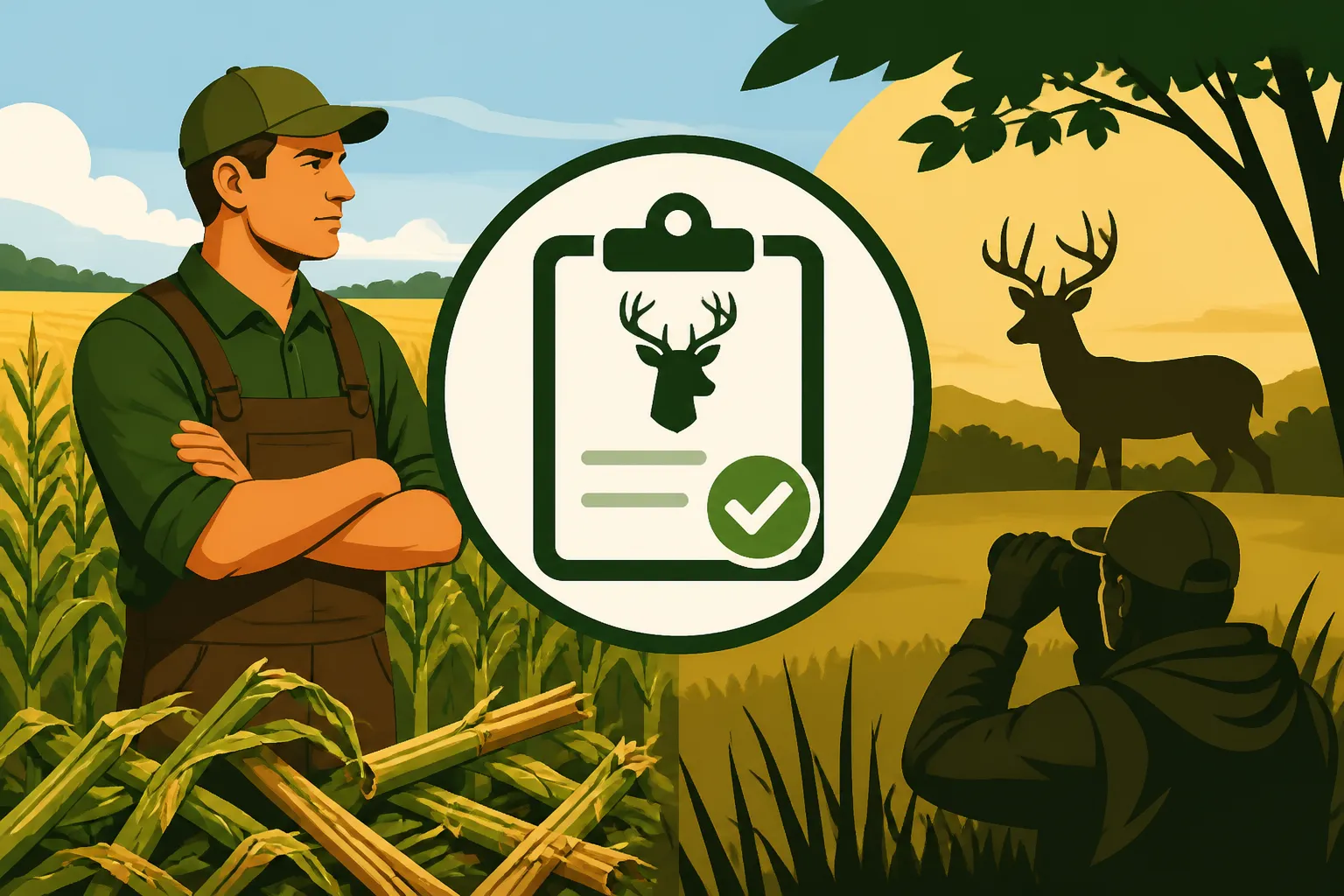
As a farmer in Manitoba, seeing your hard work and livelihood literally walked over, munched on, or trampled by wildlife can be one of the most frustrating experiences imaginable. It's a disheartening reality when deer feast on your standing crops, elk browse your hay bales, or thousands of geese descend on your swathed grain, turning months of effort into a significant financial loss. This guide is here to walk you through the process of understanding and obtaining crop damage permits, offering a crucial tool for managing these pervasive issues and protecting your agricultural investment.
Understanding Crop Damage Permits in Manitoba
Crop damage permits are a critical, albeit often misunderstood, component of wildlife management in agricultural regions across Manitoba. They're essentially a last-resort tool, authorized by Manitoba Conservation and Climate, designed to help farmers mitigate significant financial losses caused by problematic wildlife when conventional deterrents just aren't cutting it. It's not about indiscriminately culling animals; it's about targeted intervention to protect your crops and livelihood when wildlife populations reach a point where they cause severe, undeniable damage.
The Problem Farmers Face
The sheer scale of crop damage from wildlife in Manitoba can be staggering. We're not just talking about a few deer nibbling at the edge of a field; often, it's entire herds of whitetails moving in to decimate acres of canola, soy, or corn. Imagine a field of ripe oats, ready for harvest, suddenly becoming a nightly buffet for a large group of elk, trampling far more than they consume. Or consider the frustration of watching hundreds, even thousands, of migrating geese and Sandhill Cranes descending on your swathed cereal crops, shattering heads and leaving nothing but flattened stalks. This isn't just an inconvenience; it's a direct hit to your bottom line, potentially reducing yields by a substantial percentage, leading to lost income that can severely impact a farm's viability. The emotional toll of seeing your hard work undone by animals can be immense, leading to feelings of helplessness and profound irritation.
The Philosophy Behind the Permits
The existence of crop damage permits reflects a delicate balance Manitoba strives to maintain: supporting the health and abundance of its diverse wildlife populations while also recognizing the need to protect agricultural interests. Wildlife, after all, is a shared public resource, and its management is a responsibility borne by everyone. However, when certain species' populations expand or shift their behaviour to the point where they are causing repeated, significant, and documented harm to agricultural producers, specific management actions become necessary. These permits acknowledge that farmers shouldn't bear the sole burden of wildlife impacts. The philosophy is typically one of reactive management after preventative measures have failed or proven impractical. It's about providing a safety valve when other methods of population control and deterrence are insufficient. The goal is to address specific, localized problems rather than to implement broad, sweeping population reductions, always with an eye towards minimizing conflict and promoting coexistence where possible.
Eligibility and Application Process
So, you're a farmer, you're experiencing substantial crop damage, and you've tried everything else. Now what? The process for obtaining a crop damage permit in Manitoba is structured to ensure that these permits are issued responsibly and only when truly necessary. It's not a quick fix, but it's a vital avenue for relief.
Criteria for Receiving a Permit
To be eligible for a crop damage permit, you generally need to be a landowner or a leaseholder actively engaged in agriculture and directly experiencing significant damage. The key word here is "significant." Manitoba Conservation and Climate will want to see evidence that the damage is substantial and impacting your operation economically. This typically means:
- Documented Damage: You'll need to demonstrate clear and visible damage to your crops, forage, or stored feed. This often involves providing photos, video evidence, and sometimes even a site visit from a conservation officer to assess the extent of the problem. They need to verify that the damage is indeed caused by wildlife and not other factors.
- Attempted Deterrents: Conservation officials will usually ask what non-lethal methods you’ve already tried to mitigate the damage. This could include fencing, scare devices, noise cannons, effigies, or changing planting patterns. The permits are generally a measure of last resort, so demonstrating that you've exhausted other options is crucial.
- Species Identification: You'll need to identify the specific species causing the damage (e.g., White-tailed Deer, Elk, Canada Geese). Different species might have different permit conditions.
- Location and Context: The proximity of your damaged fields to known wildlife corridors, major Manitoba's Game Hunting Areas (GHAs), or provincial forests might also be considered in understanding the larger wildlife dynamics contributing to your problem.
It's important to remember that these permits are not a general license to hunt on your property outside of regular seasons; they are specific to mitigating documented crop damage.
Step-by-Step Application Guide
Applying for a crop damage permit typically involves a few key steps:
- Contact Your Local Conservation Office: This is your first and most important step. Reach out to the nearest Manitoba Conservation and Climate office. They are the ones who manage these permits and will guide you through the specific requirements in your area. You can find their contact information through the provincial government website.
- Explain Your Situation: Clearly articulate the problem you're facing. Describe the species involved, the type of damage, the extent of the damage, and the financial impact it's having on your farm.
- Provide Evidence: As mentioned, be prepared to submit photos, videos, and any other documentation of the damage. A conservation officer might schedule a visit to your property to conduct their own assessment. This direct observation helps them understand the scope and nature of the wildlife issue.
- Discuss Deterrent Efforts: Detail all the non-lethal measures you've already put in place or considered. This demonstrates your commitment to responsible wildlife management and that you're seeking the permit as a necessary last option.
- Complete Necessary Paperwork: You'll likely fill out an application form that collects all relevant details about your farm, the wildlife problem, and the proposed mitigation.
- Receive Your Permit (If Approved): If your application is approved, the permit will outline specific conditions, including the species, the number of animals that can be removed, the dates the permit is valid, and the methods allowed. It's crucial to read and understand every detail of this document.
The timeline for approval can vary. Conservation offices understand the urgency of active crop damage, especially during critical planting or harvesting periods, and will often try to expedite the process. However, thoroughness is paramount, so allow for a reasonable processing time. While resources like GoHunt are fantastic for hunters to scout and understand game movements, they aren't directly part of the permit application process itself. However, understanding game patterns, which GoHunt helps with, can indirectly inform your discussions with conservation officers about why your property is a hotspot for damage.
Conditions and Restrictions of Crop Damage Permits
Receiving a crop damage permit isn't a blank cheque to manage wildlife as you see fit. These permits come with very specific conditions and restrictions that must be rigorously followed. Understanding these details is critical, not only for legal compliance but also for maintaining a good relationship with Manitoba Conservation and Climate.
Permitted Actions and Limitations
Each permit is tailored to the specific damage situation and will clearly define what you are, and are not, allowed to do:
- Species and Numbers: The permit will specify which species can be taken (e.g., "5 white-tailed deer" or "up to 20 Canada geese"). Exceeding these numbers is a serious violation.
- Location: The permit is typically valid only on the specific land where the damage is occurring. You cannot use it to remove animals from adjacent properties or other parts of your land where no damage has been verified.
- Timeframes: There will be strict start and end dates for when the permit is valid. This often aligns with the period of active crop damage, such as during the growing season or harvest.
- Methods: The permit will outline the legal methods allowed for taking animals. This usually involves firearms or archery equipment, and sometimes specific restrictions on calibres or shot types. You may not be permitted to use certain methods like snares or poisons, which are generally illegal for game animals.
- No Trophy Hunting: It's absolutely crucial to understand that these permits are for damage control, not for trophy hunting or recreational sport. Animals taken under a crop damage permit generally cannot be kept for their antlers or hides as trophies. The primary purpose is to remove the problem animal or to deter the group.
- No Commercial Sale: You cannot sell any part of an animal taken under a crop damage permit. The meat typically must be utilized for personal consumption, donated, or properly disposed of, depending on the species and specific permit conditions. This is a critical distinction from regular hunting licences.
Violating any of these conditions can lead to severe penalties, including fines, confiscation of equipment, and even loss of future hunting privileges or permit eligibility.
Mandatory Reporting and Compliance
Once you have a permit, your responsibilities don't end there. Strict reporting and compliance are non-negotiable elements of the program:
- Accurate Record-Keeping: You are generally required to keep detailed records of every animal taken under the permit. This includes the date, time, species, sex, and location. This information is vital for Manitoba Conservation to monitor the effectiveness of the permits and to track wildlife populations and damage trends.
- Submission of Reports: These records must be submitted to Manitoba Conservation and Climate within a specified timeframe, often immediately after an animal is taken or at the expiry of the permit. Failure to submit these reports promptly and accurately can jeopardize your ability to obtain future permits.
- Carcass Disposition: Instructions on what to do with the carcass will be provided. For larger game, there may be requirements for proper field dressing and utilization of meat, similar to those found under regular hunting licences, even if the trophy parts cannot be kept. For smaller game or birds, specific disposal methods might be required to prevent disease spread or attractants.
- Cooperation with Officers: You must cooperate fully with any conservation officer inspections or inquiries regarding your permit. They may conduct follow-up visits to verify compliance or to further assess the damage situation.
Compliance with all permit conditions and reporting requirements is paramount. It builds trust between agricultural producers and wildlife management, ensuring the program remains effective and available for those who genuinely need it. It also underscores the serious nature of lethal wildlife management outside of regulated hunting seasons.
The Role of Hunters in Crop Damage Management
While crop damage permits are issued directly to farmers, the broader hunting community plays a significant, often overlooked, role in mitigating these issues. A healthy, active hunting population is one of the most effective tools for managing game species that commonly cause agricultural damage.
Public Hunting Pressure and Its Impact
Regular hunting seasons are the primary, large-scale mechanism for managing wildlife populations, including those species that impact agriculture, such as deer, elk, and various waterfowl. When hunters are active in an area, especially in regions with good access like Hunting Whitetails on Manitoba Farmland or Field Hunting Geese in Manitoba Stubble, they contribute to keeping animal numbers in check. This sustained pressure helps prevent populations from growing so large that they overwhelm the carrying capacity of the land or become a persistent nuisance for farmers.
Hunters provide several benefits:
- Population Control: Through legal harvest, hunters directly reduce the numbers of animals that can cause damage. This is particularly effective for species like whitetails and elk.
- Dispersal and Behaviour Modification: Hunting pressure can also change animal behaviour, making them more wary of human activity and potentially pushing them away from easy targets like cultivated fields. This dispersal effect, even without a kill, can reduce damage.
- Economic Contribution: Hunters contribute economically to wildlife management through licence fees and excise taxes on equipment, funding conservation efforts that indirectly benefit farmers.
For farmers experiencing damage, encouraging ethical hunting on their property during open seasons can be a proactive step to manage local wildlife populations before they necessitate a crop damage permit.
Landowner-Hunter Collaboration
This is where the rubber meets the road. Building strong, respectful relationships between landowners and hunters is arguably the most powerful, yet underutilized, tool in crop damage management.
- Building Trust: Many farmers are hesitant to allow hunting on their land due to past negative experiences. However, if hunters approach landowners respectfully, offer assistance, and demonstrate ethical behaviour, trust can be built. A simple conversation, asking for permission (which is legally required under Manitoba Landowner Permission Law), can open doors.
- Targeted Hunting Efforts: Farmers can identify specific areas of their property where damage is most severe. They might then allow trusted hunters to target these areas, focusing efforts where they are most needed. For instance, if you're consistently seeing deer along a specific bush edge, a hunter familiar with Hunting a Manitoba Bush Edge could be invaluable.
- Assistance with Problem Animals: In some cases, a farmer might ask a trusted hunter to assist with animals under the provisions of a crop damage permit. This is not a regular hunt and must strictly adhere to the permit's conditions. The hunter acts as an agent of the farmer, under direct instruction and within legal parameters.
- Scouting and Information Sharing: Hunters who spend time in the field, using tools like GoHunt to scout and understand game movements, can provide valuable insights to farmers about where animals are bedding, feeding, and travelling on their property. This shared knowledge can help farmers implement more effective deterrents or guide hunting efforts. Knowing Reading Whitetail Sign in Manitoba Aspen can make a hunter a valuable partner in identifying damage hotspots.
- GoHunt's Role: While GoHunt doesn't directly facilitate crop damage permits, it's an excellent tool for hunters looking to understand property boundaries, identify potential hunting spots, and even track game sign. A hunter proficient with GoHunt or similar mapping apps can quickly understand a landowner's layout and suggest areas where hunting pressure could be most effective in alleviating damage. This active collaboration can significantly reduce the need for permits by managing populations proactively during regular hunting seasons.
Landowners who foster good relationships with responsible hunters often find they have fewer severe crop damage issues, as consistent, ethical hunting pressure keeps local game populations balanced and wary.
Best Practices for Farmers Managing Crop Damage
Dealing with crop damage is an ongoing battle for many Manitoba farmers. While permits are an important tool, they are often a reactive measure. Proactive strategies and a multi-faceted approach can significantly reduce the likelihood and severity of wildlife damage.
Non-Lethal Deterrents and Prevention
Before even thinking about a permit, exhausting non-lethal deterrents is usually the first line of defense and often a prerequisite for permit approval.
- Fencing: This is often the most effective, albeit sometimes costly, solution. Electric fences can be highly effective against deer and elk, especially if designed with multiple strands at varying heights. Exclusion fencing, like woven wire, can be a long-term solution for smaller plots or high-value crops. For waterfowl, overhead netting can protect smaller fields, though it's less practical for large-scale operations.
- Repellents and Scare Devices: There's a wide range of options here, from commercial chemical repellents that make crops taste or smell unappealing to animals, to visual and auditory deterrents. Propane cannons, flashing lights, Mylar tape, and even inflatable effigies can scare birds and deer away, especially when moved frequently to prevent habituation. Remember that many animals quickly learn to ignore static deterrents, so variety and movement are key.
- Habitat Modification: Consider what's attracting animals to your fields. If you have areas of dense cover right next to a preferred food source, you're creating an ideal situation for damage. Modifying habitat, such as creating buffer zones of less attractive crops, removing dense brush bordering fields, or managing adjacent woodlots can reduce the appeal of your fields. For example, understanding Where Manitoba Whitetails Bed in Deep Snow can help farmers manage adjacent cover that provides easy access to fields.
- Timing of Operations: Sometimes, adjusting planting or harvesting schedules can help. Harvesting vulnerable crops quickly once ripe can limit the window of opportunity for damage. Similarly, removing swathed grain promptly can reduce the attraction for geese and cranes.
- Guard Animals: For smaller livestock operations or gardens, guard dogs can be effective deterrents against predators like coyotes or even deer.
The key to non-lethal methods is consistency, variety, and often a combination of techniques. What works one year might be less effective the next, as animals learn and adapt.
Working with Conservation Officers
Your local Manitoba Conservation and Climate office is more than just a permit issuer; they are a resource for wildlife management expertise. Establishing an open line of communication can be incredibly beneficial.
- Regular Communication: Don't wait until damage is catastrophic to call. If you're starting to see increasing wildlife presence or minor damage, reaching out early can lead to proactive solutions.
- Seeking Advice: Conservation officers have a deep understanding of local wildlife populations, their behaviours, and effective management strategies. They can offer tailored advice based on your specific situation, local population trends (e.g., Why Manitoba Deer Numbers Swing), and the geography of your farm. They might suggest new deterrents or alternative strategies you haven't considered.
- Understanding Local Trends: Officers can provide insights into whether local wildlife populations are high, if there are particular migration patterns affecting your area, or if certain species are causing problems for other farmers in the vicinity. This broader context helps you understand the source of your problem.
- Disease Monitoring: Wildlife can also carry diseases that impact livestock or even humans. Conservation officers are often involved in monitoring diseases like Chronic Wasting Disease (CWD) and Bovine Tuberculosis. Reporting unusual animal behaviour or mortalities can contribute to these monitoring efforts and protect your farm from broader health risks.
Developing a good working relationship with your conservation officers means they understand your challenges and can respond more effectively when you do need assistance, including the issuance of crop damage permits.
Beyond the Permit: Long-Term Wildlife Management
Crop damage permits and immediate deterrents are vital for short-term relief, but effective wildlife management, especially in agricultural landscapes, requires a long-term perspective. It's about fostering a sustainable balance between productive farms and thriving wildlife.
Balancing Conservation and Agriculture
The tension between wildlife conservation and agricultural production is a global challenge, and Manitoba is no exception. It's a continuous balancing act that requires ongoing effort from various stakeholders.
- Provincial Policies and Research: The provincial government plays a crucial role in developing policies that support both wildlife and agriculture. This includes funding research into wildlife behaviour, disease management, and innovative deterrents. For instance, understanding Manitoba's Moose Conservation Closures might inform how specific game species are managed in broader regions, indirectly impacting peripheral agricultural areas.
- Incentive Programs: Sometimes, incentive programs are available for farmers who implement wildlife-friendly practices, such as maintaining buffer strips, restoring wetlands, or planting alternative forage crops that might reduce pressure on cash crops.
- Adaptive Management: Wildlife populations and environmental conditions are constantly changing. Therefore, management strategies, including those related to crop damage, need to be adaptive, reviewed regularly, and adjusted based on new data and observed outcomes.
This ongoing commitment to finding common ground is essential for the long-term health of both Manitoba's agricultural sector and its natural heritage.
Community Engagement and Education
A collaborative approach, moving beyond just farmers and conservation officers, can lead to more holistic solutions for wildlife damage.
- Sharing Knowledge: Farmers, hunters, and conservationists can all learn from each other. Workshops, community meetings, and online forums can be platforms for sharing experiences, successful deterrent strategies, and understanding different perspectives on wildlife management. For example, hunters who have completed Manitoba Hunter Education Requirements understand ethical hunting practices and the importance of conservation, making them better partners for farmers.
- Public Awareness: Educating the broader public about the challenges farmers face from wildlife damage can foster greater empathy and support for necessary management actions. Many urban residents may not fully grasp the economic impact of a herd of deer on a field of soybeans.
- Youth Involvement: Engaging young people in both agricultural and hunting communities can create a future generation that is more attuned to the complexities of wildlife management. Youth hunting programs, for instance, can introduce responsible hunting ethics and the role it plays in conservation. This early exposure can cultivate a greater appreciation for the interconnectedness of land use, wildlife, and community.
By working together, leveraging tools like crop damage permits when absolutely necessary, and embracing both proactive and long-term strategies, Manitoba can continue to ensure its farms thrive while its rich wildlife populations remain a vital part of its landscape.
| Species | Common Damage | Typical Non-Lethal Deterrents | Lethal Options (via Permit) |
|---|---|---|---|
| White-tailed Deer | Grazing, trampling, browsing | Fencing (electric, woven wire), repellents, noise cannons, scare devices | Limited removal of problematic individuals |
| Elk | Grazing, trampling, browsing | Heavy-duty fencing, habitat modification, scare devices | Limited removal of problematic individuals |
| Canada Geese | Grazing on sprouts, trampling, shattering swathed grain | Propane cannons, Mylar tape, effigies, netting, hazing | Limited removal of problematic individuals |
| Sandhill Cranes | Feeding on germinating crops, shattering swathed grain | Propane cannons, Mylar tape, effigies, hazing | Limited removal of problematic individuals |
| Coyotes | Predation on livestock, particularly calves and lambs | Guard dogs, fencing, hazing, night lighting | Limited removal of problematic individuals (often covered by different permits/rules) |
Disclaimer
The information provided in this article is intended for general guidance only and does not constitute legal advice. Wildlife regulations and permit requirements in Manitoba can change, and specific situations may require different approaches. Always consult the most current regulations published by Manitoba Conservation and Climate, or contact your local conservation office for precise and up-to-date information regarding crop damage permits and wildlife management on your property.