Manitoba Spring Bear Season Dates
Planning a spring bear hunt in Manitoba can feel a bit like trying to solve a puzzle, especially when you're sifting through regulations to pinpoint those exact season dates. It's frustrating when you're eager to get out in the bush, but unclear information makes it tough to schedule your trip and prepare properly. This guide is here to clear up that confusion, breaking down Manitoba's spring bear season dates by Game Hunting Area (GHA) and providing essential insights to help you plan your adventure seamlessly.
Understanding Manitoba's Spring Bear Season Structure
Manitoba offers some truly incredible opportunities for spring bear hunting, drawing enthusiasts from all over. There's something uniquely exhilarating about being in the bush as it wakes up, tracking a big boar after a long winter. But to make the most of it, you need to understand the framework: specifically, when and where you can actually hunt. The province uses a system of Game Hunting Areas, or GHAs, and each of these can have slightly different opening and closing dates for specific species, including black bears.
The Allure of Spring Bear Hunting in Manitoba
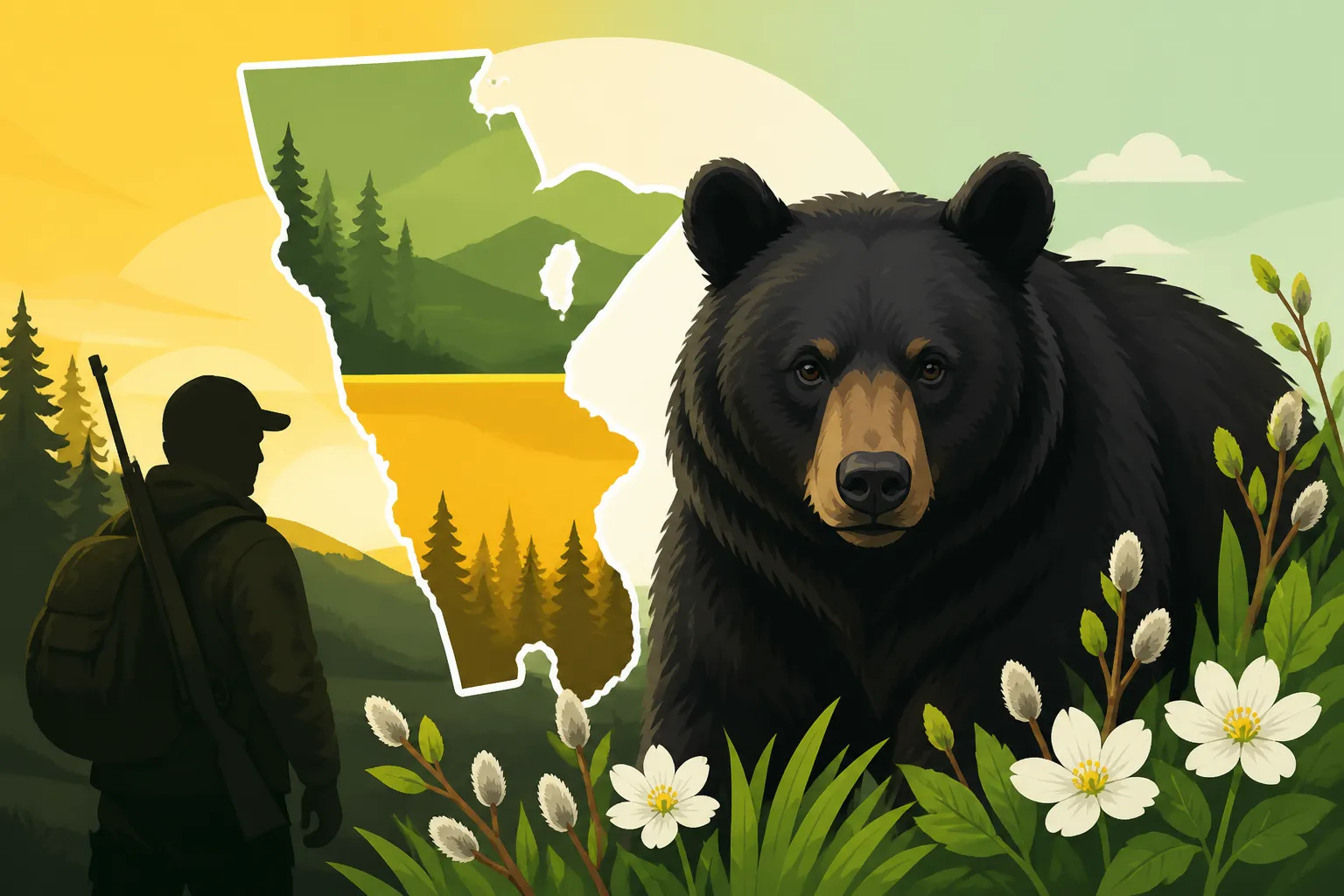
For many hunters, the spring bear season isn't just a hunt; it's an experience. After the long, cold grip of winter, the forest explodes with life. The bears themselves are often emerging from their dens, hungry and on the move, making for exciting encounters. Manitoba is renowned for its healthy black bear population and the chance to encounter a truly magnificent animal. The landscape during spring—with budding trees and lush undergrowth—is simply beautiful, adding another layer to the appeal. It's a prime time to scout, to really get to know a piece of land, and to immerse yourself in the wilderness before the full heat of summer sets in. You might even stumble upon some unexpected wildlife, making every sit on the bait an adventure. When it comes to the quality of the bears, many hunters are specifically interested in What a Big Boreal Black Bear Weighs, as Manitoba is known for producing heavy-bodied bruins, particularly in its northern regions.
How Manitoba's GHA System Impacts Season Dates
Manitoba is divided into numerous Game Hunting Areas (GHAs), each with its own set of regulations and season dates. This system is put in place by the provincial government to manage wildlife populations effectively, taking into account local population densities, habitat conditions, and historical harvest data. What this means for you, the hunter, is that you can't just assume a province-wide opening day. You need to know which GHA you plan to hunt in, as the dates can vary significantly. Some GHAs might open earlier or close later, especially those in more remote or less-pressured areas. It's crucial to check the specific GHA you intend to hunt every single year, as these dates, while often consistent, can occasionally see minor adjustments. A reliable resource for navigating these boundaries and regulations, like the mapping features offered by GoHunt, can be incredibly useful when trying to pinpoint your specific hunting zone.
Detailed Spring Bear Season Dates by Game Hunting Area
Now, let's get down to the nitty-gritty: the actual dates. For most of Manitoba, the spring bear season generally runs for about six to seven weeks, usually starting in late April or early May and extending into mid-June. However, as we discussed, these dates can shift depending on the GHA. It's really important to cross-reference this information with the official Manitoba Hunting Guide each year, as regulations are subject to change.
Here's a general breakdown of the spring black bear season dates across different regions of Manitoba for resident hunters. Non-residents may have additional requirements, often needing to book with an outfitter.
Western Manitoba Bear Season Dates
The western regions of Manitoba, encompassing areas like the Duck Mountain and Porcupine Hills, are popular choices for spring bear hunting. These areas are characterized by extensive provincial forests and a mix of timber and agricultural land, providing excellent bear habitat. They also boast some of the highest bear densities in the province.
| GHA(s) | Region | Spring Bear Season Start Date | Spring Bear Season End Date |
|---|---|---|---|
| 13, 13A, 14, 14A, 16, 18, 18A, 18B | Duck Mountain & Porcupine | May 1 | June 17 |
| 15, 15A, 16A, 17, 17A, 19, 19A, 20, 21, 21A, 22, 22A, 23 | Western Parkland & Fringe | May 1 | June 17 |
| 23A, 24, 25, 25A, 26, 26A, 29, 29A, 29B | Southwest & Interlake | May 1 | June 17 |
Note: The dates above are based on common historical patterns. Always consult the official Manitoba Hunting Guide for the most current and legally binding dates.
These GHAs are often easily accessible by road, making them attractive for hunters looking for a more do-it-yourself experience. However, don't let accessibility fool you; the bush can still be incredibly dense and challenging. If you’re considering Hunting the Duck Mountain Country or Hunting the Porcupine Provincial Forest, understanding these season dates is your first step. Remember, baiting is a common and effective method for Setting a Bear Bait Site in Manitoba during the spring, so factor those rules into your planning.
Eastern and Northern Manitoba Bear Season Dates
Moving eastward and into Manitoba's vast northern boreal forest, the season dates generally align, but the hunting experience itself can be vastly different. The Eastern Shield Country, with its rugged granite outcrops and dense forests, and the expansive Northern Boreal, offer a truly remote wilderness experience.
| GHA(s) | Region | Spring Bear Season Start Date | Spring Bear Season End Date |
|---|---|---|---|
| 1, 2, 2A, 3, 3A, 4, 4A, 5, 5A, 6, 6A, 7, 7A | Eastern & Whiteshell | May 1 | June 17 |
| 8, 8A, 9, 9A, 10, 10A, 11, 11A, 12, 12A | Northern & Interlake | May 1 | June 17 |
| GHAs North of 12A (e.g., 17B, 18C, etc.) | Far North (Remote Boreal) | May 1 | June 17 |
Note: The dates above are based on common historical patterns. Always consult the official Manitoba Hunting Guide for the most current and legally binding dates.
For those venturing into the more remote northern GHAs, access might require float planes or extensive ATV travel. This kind of trip often falls under guided Black Bear Hunting in Manitoba, especially for non-residents, as navigating these vast territories can be extremely challenging. Hunters looking for an ultimate wilderness experience often find themselves in areas like Hunting the Whiteshell and Nopiming Country, where the terrain is rugged, but the rewards can be significant. This area, alongside the deeper boreal, is part of Manitoba’s vast Black Bears Across Manitoba's Bush Country.
Key Regulations and Considerations for Spring Bear Hunters
Beyond just knowing when you can hunt, there are several other critical regulations and considerations that every spring bear hunter in Manitoba needs to be aware of. Overlooking these details can lead to disappointment or, worse, legal trouble. This isn't just about showing up on the right day; it's about ethical hunting, proper licensing, and understanding the local nuances.
Licence Requirements and Bear Baiting Rules
First and foremost, you'll need the correct hunting licences and tags. For Manitoba residents, this means purchasing a general hunting licence and a specific black bear tag. Non-residents, whether Canadian or foreign, often have different requirements. For instance, Manitoba Resident Hunting Licence Cost and Manitoba Big Game Tag Cost Per Species are specific values you'll need to account for. Foreign residents (non-Canadians) typically must use the services of a licensed Manitoba outfitter for black bear hunting. All hunters need to ensure their Manitoba Hunting Licences and What They Cost are up-to-date and correctly obtained through the provincial portal.
Baiting is a very common and effective method for spring bear hunting in Manitoba. However, it comes with strict regulations:
- Bait Site Registration: All bear bait sites must be registered with the province. You can't just set up a bait wherever you please.
- Signage: Each bait site needs to be clearly marked with signs indicating it's an active bear bait, along with the hunter's name and licence number.
- Distance Requirements: There are specific distances that bait sites must be from roads, trails, residences, and provincial parks. You can’t set a bait too close to common human activity areas.
- Approved Bait Materials: Not everything can be used as bait. Generally, natural, biodegradable materials are acceptable, but check for any specific restrictions on things like domestic animal carcasses or certain types of processed foods.
- Active Period: Bait sites are usually allowed to be active only for a certain period before and during the season.
Understanding these baiting rules is absolutely crucial for a legal and ethical hunt. This is one area where services like GoHunt's mapping tools can assist, helping you visualize distances and land ownership, which is key for choosing legal and effective bait locations.
Planning Your Hunt Around the Spring Bear Calendar
Knowing the season dates is just the beginning. The actual timing of your hunt within that window can significantly impact your success. Timing a Manitoba Spring Bear Hunt involves considering several factors:
- Bear Emergence: Bears typically emerge from their dens when spring truly takes hold, usually in late April to early May. The earliest weeks of the season can be fantastic as bears are incredibly hungry after hibernation and readily seek out food sources, including baits.
- Food Sources: As spring progresses, natural food sources like green shoots, berries, and insects become more abundant. This can sometimes make bears a bit pickier about baits, or cause them to travel less widely if natural food is plentiful closer to their dens. However, a well-established, attractive bait can still be highly effective.
- Weather: Manitoba springs can be unpredictable. Early season can still bring snow and cold snaps, while later in the season, you might contend with warmer temperatures and, inevitably, more insects. Prepare for all conditions with appropriate gear, whether it's layers for warmth or bug spray for biting flies and mosquitoes.
- Hunting Pressure: Early and late in the season might see slightly less hunting pressure compared to the peak weeks in mid-May. If you prefer solitude, consider the fringes of the season.
- Logistics: The length of Manitoba's black bear season dates means you have some flexibility. If you're Booking a Manitoba Black Bear Hunt with an outfitter, discuss the best timing for your goals, whether it's trophy size, specific weather preferences, or simply maximizing your chances of seeing bears.
A well-researched and adaptable plan is your best friend. Utilize digital tools to help identify promising Hunting a Boreal Muskeg Edge or Hunting an Old Logging Road in the North where bears might be travelling. Even though the primary focus here is on Manitoba Spring Bear Season Dates, it’s good to be aware that some of these locations are also prime for Predator Hunting Across Manitoba like wolves and coyotes, especially outside of big game seasons.
Disclaimer
The information provided in this guide is for general informational purposes only and is not intended as legal advice. Hunting regulations, season dates, and licensing requirements in Manitoba are subject to change. Always consult the official Manitoba Hunting Guide, published annually by the provincial government, and relevant provincial and federal legislation before engaging in any hunting activities. It is the hunter's sole responsibility to understand and comply with all applicable laws and regulations.