Where a Second Deer Licence Is Available
It's a fantastic feeling when you've tagged out on your primary deer licence, but that nagging feeling of wanting to extend your time in the bush, to pursue another whitetail, is all too common. Many hunters find themselves wishing for just one more chance, especially after investing so much time and effort. Fortunately, Manitoba offers opportunities for a second deer licence, but understanding where these are available and how to secure one can feel a bit like navigating a maze. This guide will help demystify the process, showing you exactly where you might be able to fill another tag and prolong your Manitoba deer season.
Understanding Manitoba's Second Deer Licence Program
The idea of a second deer licence in Manitoba isn't just a bonus for avid hunters; it's a strategic tool used by the province to manage deer populations effectively. In certain areas, whitetail numbers can be robust, sometimes even exceeding what the habitat can sustainably support, or they might be causing agricultural damage. By offering additional tags, the province can encourage hunters to help keep populations in check while providing more opportunities for those who love to hunt.
The Purpose Behind Second Licences
The primary goal of Manitoba's second deer licence program is often population management. When deer populations in specific Game Hunting Areas (GHAs) are high, offering additional antlerless tags helps reduce the herd size, balancing it with the available food sources and reducing pressure on agricultural crops. This is particularly true in many of the province's rich agricultural regions where deer can quickly decimate fields of corn, canola, or soybeans. For hunters, it means an extended season, sometimes into the late December freeze, or the chance to introduce a new hunter to the field. It’s a win-win scenario: hunters get more time pursuing their passion, and the land benefits from a healthier, more balanced ecosystem. These opportunities are vital for Filling a Second Deer Licence in Manitoba and understanding why they exist helps hunters target their efforts effectively.
These additional tags often target antlerless deer (does and fawns), as removing females has the most significant impact on population growth. This precision in management ensures that the overall health of the herd is maintained while still providing opportunities for hunters. It's not about indiscriminately harvesting deer but rather about intelligent, science-based wildlife management that benefits both the ecosystem and the hunting community. For many, it's also a chance to fill the freezer with more venison, offering a practical benefit that resonates deeply with Manitoba's hunting traditions.
Eligibility and Requirements
Before you get too excited about the prospect of a second deer, it's crucial to understand the eligibility requirements. Generally, these second licences are available to Manitoba residents who have already purchased their primary big game licence. Non-residents typically have more restricted options, often requiring them to hunt with a licensed outfitter, and the availability of additional tags for them can be much more limited, if available at all. It’s always best to consult the current year's Manitoba hunting guide, often found through resources like the GoHunt website, to confirm specific eligibility criteria.
Beyond residency, hunters must also meet all standard hunter education requirements. If you're a newer hunter, make sure you've completed your Manitoba Hunter Education Requirements before planning for any deer licences, primary or secondary. The province is quite strict on this for good reason – safety in the field is paramount. Additionally, these second licences often have specific weapon restrictions, GHA limitations, and season dates that differ from the general deer season. For example, some may only be valid for archery or muzzleloader, extending opportunities beyond the general rifle season. Always double-check the specific regulations for the GHA you're interested in, as these details can change from year to year based on deer population assessments and management goals.
Specific Geographic Hunting Areas (GHAs) for Second Deer Licences
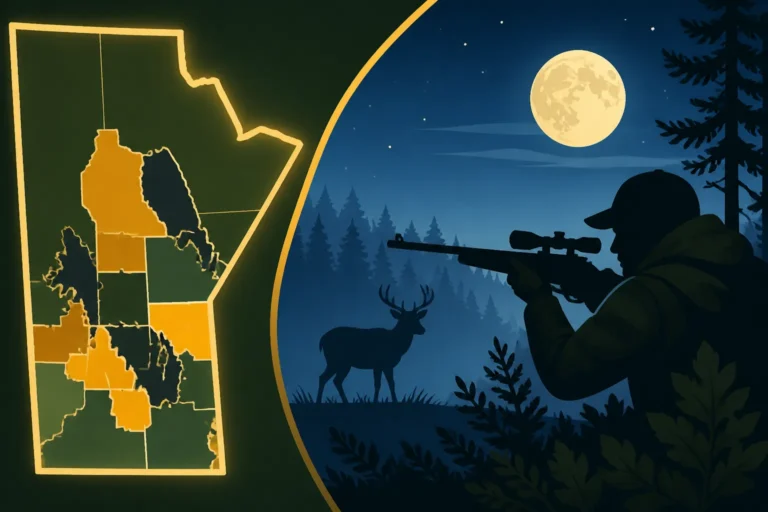
Manitoba is divided into numerous Game Hunting Areas (GHAs), and the availability of second deer licences is highly GHA-specific. You won't find these opportunities province-wide; rather, they are concentrated in areas where population dynamics or agricultural pressures warrant additional harvest. This localized approach means that a GHA just a few miles away might have different regulations.
Identifying Eligible GHAs
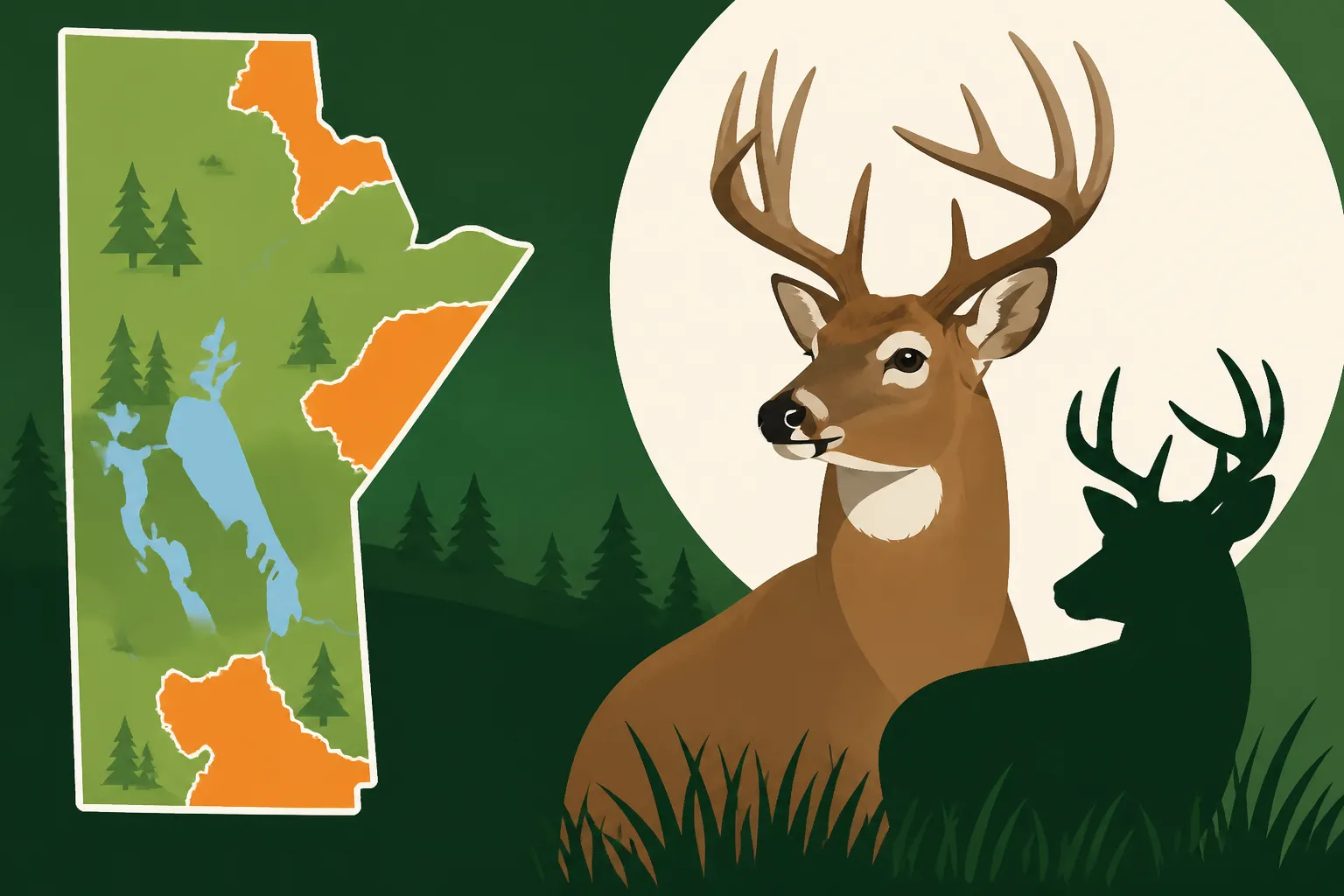
The best way to identify which GHAs offer second deer licences is to refer to the annual Manitoba Hunting Guide, published by Manitoba Environment and Climate. This document is your most important resource and is usually available online through the provincial government website or sites like GoHunt. Typically, these GHAs are found in the southern agricultural belts and parkland regions, where deer can thrive due to abundant food sources and often have significant impacts on crops. Examples often include GHAs in the Interlake, parts of the Southwestern Farmland, and specific areas within the Parkland region, particularly those adjacent to agricultural land. You can visualize these areas by looking at a detailed Manitoba's Game Hunting Areas map.
When reviewing the hunting guide, pay close attention to the tables detailing deer seasons. There will often be a specific section for "Second Deer Licence" or "Antlerless Deer Licence" that lists the GHAs where these tags are valid, along with their corresponding season dates and weapon restrictions. Don't assume that if a GHA offers a general deer season, it automatically offers a second tag. It's a separate offering designed for targeted management. Regularly checking the provincial website or GoHunt for updates is crucial, as GHA boundaries and special season opportunities can sometimes be adjusted based on new population data or evolving management needs.
Rules and Restrictions Within These GHAs
Once you've identified an eligible GHA, it’s critical to understand the specific rules and restrictions that apply to your second deer licence within that area. These are rarely "anything goes" tags; they come with precise conditions designed to meet specific management objectives.
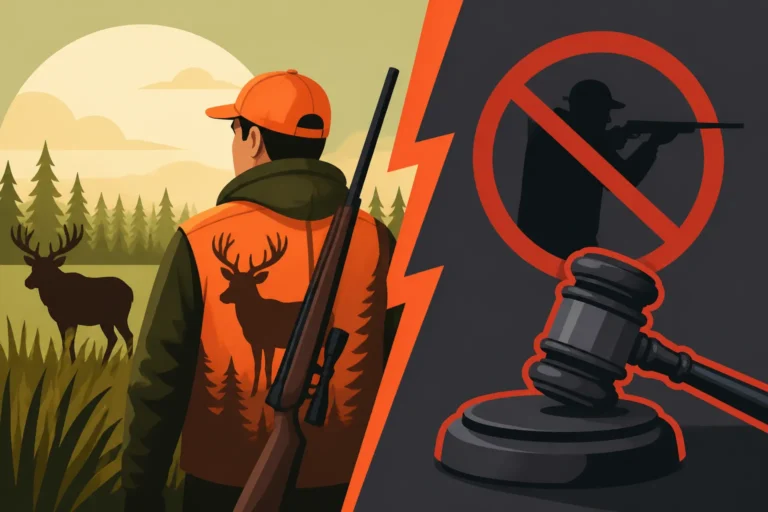
- Antlerless Only: The vast majority, if not all, second deer licences are for antlerless deer. This means you are specifically targeting does and fawns. Accidentally harvesting an antlered deer with an antlerless tag is a serious violation and can result in significant penalties. Be absolutely certain of your target before you pull the trigger or release an arrow.
- Weapon Types: While your primary licence might allow for rifle hunting, a second licence in a particular GHA might be restricted to archery or muzzleloader only. This is often done to extend the season into periods where general rifle hunting might be deemed too impactful or to provide opportunities in areas with greater population density or proximity to residential areas. For example, some later season opportunities may be specific to Hunting the Late December Season with certain weapon types.
- Season Dates: The season dates for a second deer licence are often distinct from the general deer season. They might open earlier for archers or extend later into the colder months for muzzleloaders, offering a unique opportunity to experience Hunting Safely in Deep Winter Cold. This extended period can be an excellent chance to hunt after the main pressure has subsided, finding deer in different patterns and locations. Always mark these dates clearly on your calendar.
- GHA Specificity: A second licence for GHA 30A is not valid in GHA 30B, even if they are adjacent. These boundaries are firm. Hunters need to be diligent in verifying they are hunting in the correct GHA for their specific tag. Using mapping tools like those integrated with GoHunt can be invaluable for staying within the correct GHA boundaries.
Here's a simplified table summarizing typical GHA conditions for second deer licences:
| GHA Type (General Examples) | Typical Eligibility | Weapon Restriction Examples | Season Timing Examples | Primary Goal |
|---|---|---|---|---|
| Agricultural Parkland | Resident only | Archery, Muzzleloader | Late Nov, Dec | Population Control |
| Interlake Bush & Farm Fringe | Resident only | Archery, Muzzleloader, Rifle | Dec, sometimes Early Jan | Crop Damage Mitigation |
| Southwestern Farmland | Resident only | Archery, Muzzleloader | Late Oct, Dec | Population Control |
| Mixed Forest & Farm Edge | Resident only | Archery, Muzzleloader | Extended Dec | Localized Management |
Note: This table provides general examples. Always consult the current Manitoba Hunting Guide for precise and up-to-date information.
Navigating the Application Process for a Second Deer Licence
Securing a second deer licence in Manitoba, while exciting, isn't as simple as just buying another tag off the shelf. There’s a specific process to follow, and missing key dates or steps can mean missing out on the opportunity entirely. The province utilizes an electronic licensing system that streamlines the process but requires attention to detail.
Online Application and Portal Use
Manitoba uses an online Electronic Licence Management System (ELMS) for all hunting and fishing licence purchases, including second deer licences. This system allows you to manage your licences, apply for draws, and often print permits from the comfort of your home. If you haven't already, you'll need to create an account on the ELMS portal. This usually involves setting up a profile with your personal information and hunter education details. Once logged in, you can browse available licences. The interface is generally user-friendly, but take your time to ensure you select the correct GHA and licence type for the second deer opportunity. Many hunters find useful guidance and links through trusted hunting resources like GoHunt, which often have direct paths to the provincial systems or step-by-step guides.
When you're in the portal, you'll want to specifically look for "Second Deer Licence" or "Antlerless Deer Licence" options, which will be distinct from your general deer tag. The system will guide you through selecting the GHA where you intend to hunt, and it’s critical to choose the correct one, as previously discussed. It’s a good practice to review your cart thoroughly before finalizing the purchase to avoid any errors. Remember, these are often specific, limited opportunities, so acting promptly once they become available can be advantageous.
Key Dates and Deadlines
One of the most common pitfalls for hunters is missing application deadlines or season opening dates. Manitoba's hunting seasons and licence availability operate on a strict calendar, and second deer licences are no exception. While your primary licence might be available for purchase over an extended period, specific second deer opportunities often have narrower windows.
- Licence Availability Dates: The provincial hunting guide will clearly outline when second deer licences become available for purchase. For instance, an antlerless archery tag in a specific GHA might become available in early October, while a late-season muzzleloader tag might not be purchasable until November. Mark these dates in your calendar, perhaps even setting a reminder.
- Season Start/End Dates: Once you have your licence, pay very close attention to the season dates for your specific GHA and weapon choice. These can vary significantly. Some second deer seasons might only run for a couple of weeks, while others might stretch for a month or more, especially in regions with high deer numbers.
- CWD Sampling Deadlines: If you are successful in harvesting a deer with your second licence, especially in a GHA designated as a Chronic Wasting Disease (CWD) surveillance zone, you will likely have a mandatory Manitoba's CWD Sampling Requirements. Pay attention to the deadline for submitting your sample, as failure to comply can lead to fines or licence suspension. These samples are critical for monitoring the spread of CWD and ensuring the long-term health of Manitoba's deer herds.
Staying organized with a personal hunting calendar is a simple yet effective way to avoid missing out. Check the official Manitoba Environment and Climate website or a reputable platform like GoHunt regularly for any updates or changes to regulations, as these can occur.
Maximizing Your Chances and Ethical Considerations
Successfully harvesting a deer with a second licence, particularly an antlerless one in a specific GHA, often requires a different approach than your general season hunt. It's not just about getting more time in the woods; it's about smart, ethical hunting.
Scouting and Strategy for a Second Deer
Hunting for a second deer, especially an antlerless one, can be a fantastic opportunity to refine your skills and explore new areas. Since these tags are often available in areas with higher deer densities or agricultural pressure, your strategy might shift from seeking a trophy buck to understanding doe bedding and feeding patterns.
- Focus on Food Sources: Antlerless deer are often highly focused on available food. In late fall and early winter, this means understanding what crops are still standing or what natural browse is most appealing. Think about areas with leftover corn, swathed grain fields, or brushy areas with palatable woody browse. Hunting a Field of Standing Corn or Hunting a Sunflower Field After Harvest can be incredibly productive for does.
- Bedding Areas in Transition Zones: Does will often bed in thick cover adjacent to food sources. Look for willow runs, dense bush edges, or even cattail sloughs in agricultural fields. Understanding how deer move between these areas, particularly at dawn and dusk, is crucial. This is where diligent Scouting a Manitoba Game Hunting Area comes into play. You might find deer still using travel corridors even after the primary rut has passed.
- Hunt Less Pressured Areas: While second licences are often in GHAs with higher deer numbers, other hunters might still gravitate to the "hot spots." Don't be afraid to put in the extra legwork to find pockets of unpressured deer, especially on public lands or areas requiring a bit more effort to access. Hunting Whitetails on Manitoba Crown Land often means looking for those overlooked corners.
- Reading Winter Sign: If your second licence extends into late season, learning to Reading Sign After a Fresh Snow becomes an invaluable skill. Fresh tracks, browsing, and droppings are clear indicators of recent deer activity, helping you pinpoint where deer are currently feeding and bedding in the cold. Deer patterns can change significantly with the arrival of deep snow and extreme cold.
Responsible Hunting and Conservation
With additional hunting opportunities comes an increased responsibility to hunt ethically and contribute to conservation efforts. A second deer licence isn't just a privilege; it's a part of Manitoba's broader wildlife management strategy.
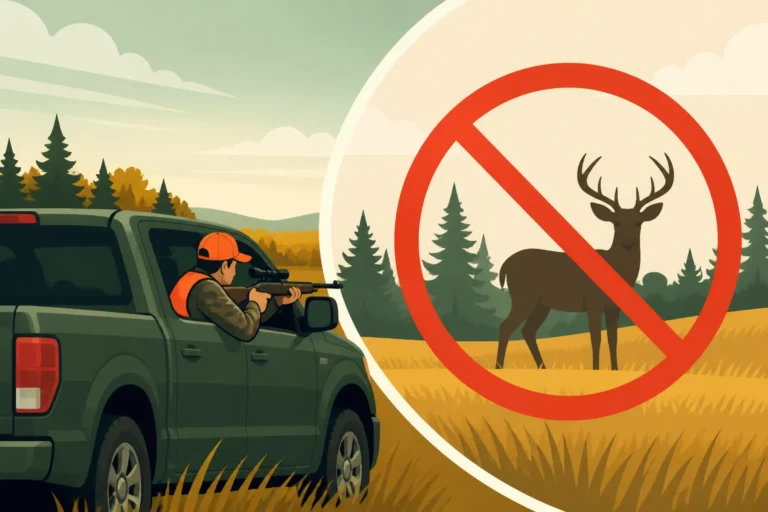
- Positive Identification: Always, always be 100% certain of your target. With antlerless tags, this means clearly identifying that the deer you are aiming at has no antlers (or antlers less than the specified length, if applicable, though most antlerless tags truly mean no visible antlers). Mistakes can happen in the excitement of the moment, but proper identification is a core tenet of ethical hunting.
- Meat Care: If you're successful, especially in colder temperatures, ensure you practice proper Meat Care in Manitoba's Cold Snaps. Rapid cooling and processing are essential for preserving the quality of your venison. A second deer means more meat for the freezer, so treating it with respect from the moment of harvest is paramount.
- CWD Compliance: As mentioned, if you're hunting in a CWD-affected or surveillance zone, submitting your sample is not optional. It’s a vital part of protecting Manitoba's deer population. Follow all instructions provided with your licence or by provincial authorities regarding carcass transport and sample submission. This collective effort is what helps keep our herds healthy.
- Respect for the Resource: Every deer harvested is a commitment to the wild. Even if you're taking an antlerless deer to help with population control, approach the hunt with respect for the animal and the environment. This means adhering strictly to all regulations, respecting private land boundaries, and leaving no trace behind. Participating in Manitoba's second deer licence program is a chance to deepen your connection to the land and contribute positively to its management.
Remember, Manitoba's second deer licence program offers a fantastic opportunity for an extended season and a chance to fill your freezer, but it comes with specific rules and responsibilities. By understanding the GHAs where they're available, navigating the application process, and employing ethical hunting practices, you can make the most of this unique opportunity. Happy hunting!
Disclaimer
The information provided in this article is for general guidance only and is based on typical Manitoba hunting regulations. Regulations can change annually and may vary significantly by Game Hunting Area (GHA), species, and weapon type. It is the hunter's sole responsibility to consult the most current and official Manitoba Hunting Guide, published by Manitoba Environment and Climate, and any relevant provincial legislation before engaging in any hunting activities. Failure to comply with all regulations can result in penalties.