Carrying Your Licence in the Field
It’s happened to the best of us: that heart-stopping moment when you reach for your hunting licence, only to find it's not where you thought you put it. Or maybe you've just received your first Manitoba hunting tags and are wondering about the best, most practical way to carry them without them getting soaked, torn, or simply forgotten back at camp. This guide is all about making sure you’re always compliant and prepared, outlining the rules and offering smart solutions to keep your essential documents safe and accessible, because a simple oversight can quickly ruin an otherwise perfect day afield.
The Legal Imperative: Why Your Licence Must Be On Hand
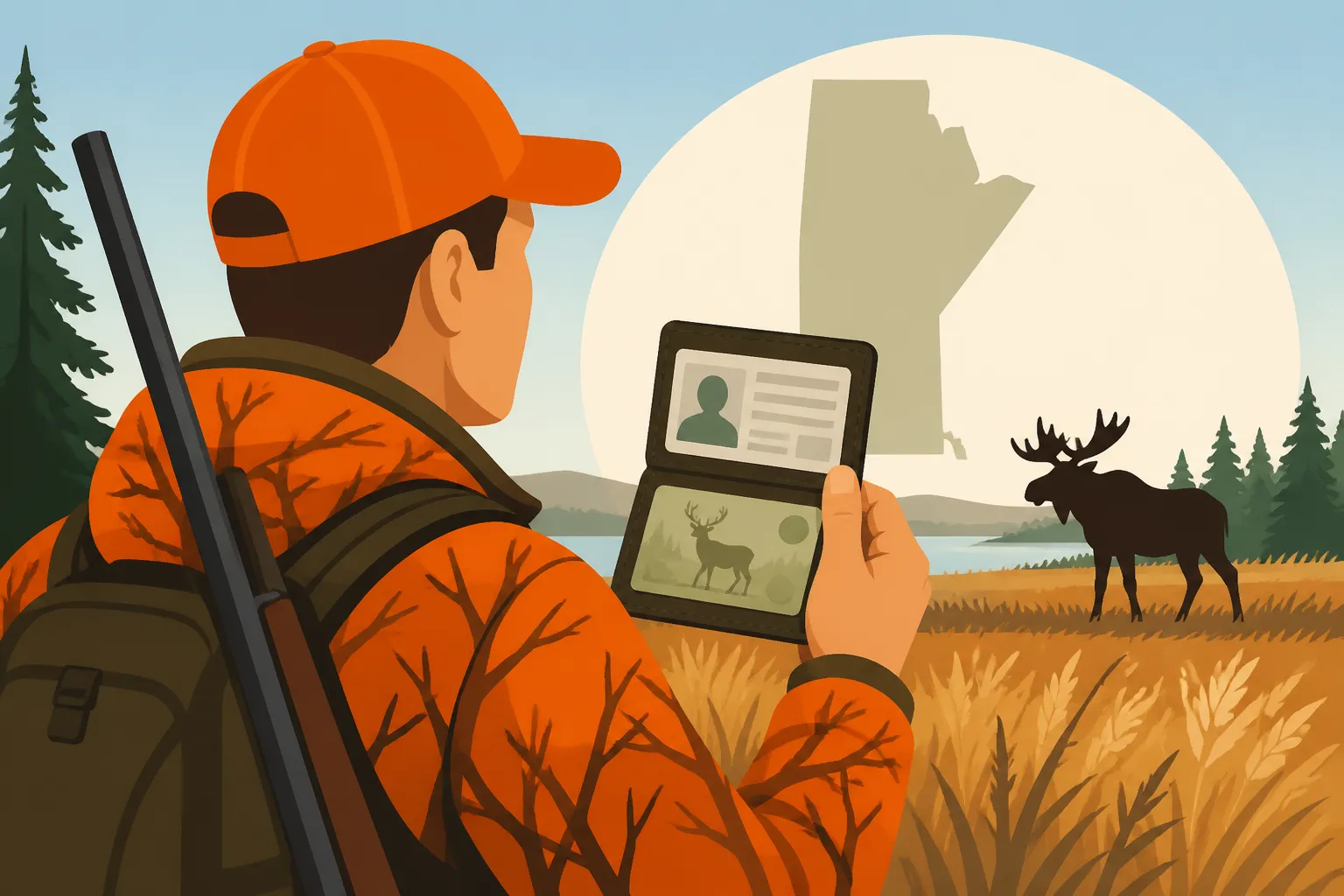
Let's be blunt: carrying your hunting licence isn't a suggestion; it's a legal requirement here in Manitoba. Conservation Officers have the authority to ask for your licence, tags, and proof of identity at any time while you're engaged in hunting activities. Failing to produce these documents can lead to significant fines, a ruined hunt, and even the loss of future hunting privileges. Nobody wants to deal with that kind of headache out in the beautiful Manitoba wilderness, especially when you're focused on the hunt.
The core reason for this rule is accountability and management. The province needs to ensure that everyone pursuing game is properly licensed, adhering to bag limits, and contributing to wildlife management through licence fees. It's about protecting our shared resources and maintaining ethical hunting practices. Think of it as your passport to the wild; without it, you're not officially recognized.
Beyond just the basic hunting licence, there are other crucial documents you might need. If you're out chasing ducks and geese in the Delta Marsh or the grain fields near Portage la Prairie, you'll need your federal migratory game bird permit. If you’re involved in an unfortunate incident or are specifically asked, proof of hunter education completion could also be required. It’s not just about having a licence; it's about having the right licences for the species, season, and area you're hunting. Always double-check your tags and ensure they correspond to your Game Hunting Area (GHA) and the species you’re after. For instance, if you're out for a specific deer species, make sure your tag isn't for an antlerless elk in a completely different zone. Checking these details thoroughly before you even leave the truck can save a lot of grief.
Smart Solutions for Carrying Your Manitoba Hunting Licence
Alright, so we know why we need to carry them, but how is where the rubber meets the road. Hunters face all sorts of conditions in Manitoba – from driving rain in October to bone-chilling cold in November that makes handling small papers tricky. The goal is accessibility, protection, and redundancy.
Physical Protection Strategies
Many hunters, especially the seasoned ones, prefer good old-fashioned physical copies. There's something reassuring about holding that piece of paper. The trick is protecting it.
- Waterproof Pouches and Holders: This is perhaps the most critical piece of advice. Invest in a high-quality, clear, waterproof pouch. These come in various sizes, from small ones designed specifically for licences to larger ones that can hold a map and your phone. Look for ones with durable seals or Ziploc-style closures that won't fail when you’re crawling through a wet willow run or if your pack takes a tumble into a creek. Many outdoor gear brands offer excellent options that are specifically designed for harsh conditions. I've seen too many faded, soggy licences that barely pass muster with a CO, all because they were stuffed into a sweaty pocket.
- Sturdy Wallets or Dedicated Sleeves: Beyond just waterproofing, consider a robust wallet or a dedicated licence sleeve within your hunting pack or jacket. This keeps it from getting bent, crumpled, or torn. Some hunting jackets even come with internal, zippered pockets specifically designed for licences and permits. This keeps them close to your body, making them less likely to be lost during strenuous activity and also helps prevent them from freezing solid in extreme cold, making them brittle.
- Lanyards and Retractors: For those who need quick access, especially for checking tags or signing off a kill, a lanyard with a retractor can be a lifesaver. You can keep your licence pouch tucked into a pocket, then pull it out for a quick check without fear of dropping it in the snow or mud. Just make sure the lanyard is secure and won't snag on brush. This is particularly useful when you're busy quartering a moose alone in the bush and your hands are full.
Leveraging Digital Options with Manitoba e-Licensing
Manitoba has made strides in modernizing its licensing system, and this is fantastic news for hunters who want to reduce paper clutter. The province’s e-Licensing portal allows you to access and carry your licence digitally.
- Official Digital Copies: The Manitoba e-Licensing system is your go-to. Once you've purchased your licences and tags online, you can download them as PDFs. These PDFs are legally valid when displayed on your smartphone or other mobile device. This offers immense convenience. Imagine checking which GHAs are open or renewing your license from a remote cabin. However, always ensure your device is fully charged and that you have a backup plan. There's nothing worse than a dead phone battery when a Conservation Officer asks to see your credentials. I recommend saving the PDF directly to your device, not relying on cloud access that requires cell service. Out past The Pas or up towards Thompson, cell service is spotty at best.
- Screenshots as Backup: While a full PDF is best, a screenshot of your licence page on your phone can serve as a quick backup in a pinch, especially if you're having trouble opening a PDF file in cold conditions. This isn't your primary method, but it's better than nothing. Just ensure all relevant details, including your hunter number, licence type, and validity dates, are clearly visible.
- Using Planning Tools: While platforms like GoHunt don't directly host Manitoba hunting licenses, they can be incredibly useful for planning your hunt, which in turn helps you ensure you have the correct licenses and understand the regulations for your specific area. By using such tools to research GHA boundaries or understand specific regulations like those for Hunting a Manitoba Bush Edge, you're better prepared overall, reducing the chances of a licensing mishap. You might use GoHunt to scout a potential area, confirm it's within your licensed GHA, and then ensure your Manitoba-issued licence covers that exact location and species. It's about combining official provincial resources with powerful planning tools for a seamless experience.
| Method of Carrying | Pros | Cons | Best Use Case |
|---|---|---|---|
| Waterproof Pouch | Excellent protection from elements, durable | Can be bulky, requires physical handling | All seasons, especially wet or snowy conditions |
| Dedicated Wallet | Organized, discreet, prevents bending/tearing | Not always waterproof, can be forgotten in camp | Less strenuous hunts, easy access from jacket pocket |
| Digital PDF on Phone | Convenient, always with you (if charged) | Battery reliance, screen visibility in bright/low light, no service | Quick access, reduces paper, urban fringe hunting |
| Lanyard/Retractor | Quick access, prevents drops | Can snag on brush, less protective alone | When frequent access is needed (e.g., tagging) |
| Backup Hard Copy | Redundancy, always available | Still needs protection, extra paper | Essential for all hunters, regardless of primary method |
The Power of Redundancy and Communication
This is where the veteran hunter comes in. Never rely on just one method.
- Physical and Digital Combo: My personal preference is always to carry a physical, laminated or waterproofed copy of my licence and tags in my hunting pack or a secure jacket pocket. THEN, I also have the PDF saved on my phone. This way, if my phone dies or gets wet, I have the physical copy. If I somehow lose the physical copy, I have the digital. It’s like a hunting insurance policy.
- Inform Your Hunting Partners: If you're hunting with a buddy, let them know where your licence is, and encourage them to do the same. In an emergency, or if you get separated, they might be able to help. Plus, if one of you has the means to quickly access the Manitoba e-Licensing portal from their phone, they can potentially guide you through how to get a replacement or verify information if needed. For group hunts, especially for big game like Moose Hunting Manitoba's Boreal Country, ensuring everyone in the party knows the legal requirements and has their own documents ready is paramount.
- Pre-Hunt Checklists: Before every single hunt, I run through a quick checklist. Licence? Check. Tags? Check. ID? Check. Federal permit (if applicable)? Check. This simple habit, especially before you head out into truly remote areas, can save you a world of grief. You wouldn't hit the road without checking your tires, so why head into the bush without checking your essential documents?
Navigating the Digital Landscape: Official e-Licensing and Mobile Access
Manitoba's move to a robust e-Licensing system through its online portal has been a game-changer for many hunters. No more last-minute dashes to a vendor or worries about business hours. This system offers incredible flexibility, but it's crucial to understand how to use it effectively and remain compliant.
The primary way to handle your licences digitally is through the official Manitoba e-Licensing system. This is where you purchase, print, and access all your hunting licences and tags. Once purchased, you can download a PDF version of your licence. This PDF is the key; it contains all the necessary information, including your unique licence number, species endorsements, validity dates, and your personal details.
Advantages of Digital Licences
- Convenience: You can buy and access your licences from anywhere with internet access, whether you're at home planning your trip or at a remote cabin with a satellite connection. This makes it easier to manage licences, especially for those who participate in multiple hunts throughout the year, like Waterfowl Hunting Manitoba's Grain Fields in the fall and then a deer hunt in late November.
- Environmental Impact: Less paper means less waste, which aligns with conservation principles many hunters uphold.
- Accessibility: If you lose a physical copy, retrieving a digital version is often as simple as logging back into your account and re-downloading the PDF.
- Real-time Updates: Sometimes, regulations or season dates can change. While your licence validity won't typically change mid-season, the digital portal is the place to get the most up-to-date information on rules and specific GHA closures, such as those related to Manitoba's Moose Conservation Closures.
Important Considerations for Digital Use
- Battery Life: This is the biggest Achilles' heel of digital licences. A dead phone battery means no access to your licence. Always carry a portable power bank, especially on multi-day trips or in cold weather, which drains batteries faster.
- Screen Damage/Loss: If your phone gets dropped, cracked, or lost in the field, you're in the same predicament as losing a physical licence. This reinforces the need for redundancy – either a physical backup or ensuring a hunting partner has a copy or can access their own digital licence if needed.
- Signal Strength: While you should save the PDF directly to your device, remember that accessing the portal to download a new copy requires internet. If you’re deep in the bush with no signal, you won’t be able to re-download anything. For hunters who venture into Manitoba's far north, where cellular service is non-existent, a reliable physical backup isn't just a good idea, it's absolutely essential.
- Visibility: In bright sunlight or very low light conditions, seeing your licence clearly on a screen can be challenging. A printed copy avoids this problem entirely.
- Tag Validation: While your licence can be digital, physical tags still need to be validated immediately upon harvesting an animal. This typically means signing and dating the physical tag, and sometimes attaching it to the animal. Make sure you have a waterproof pen that works in cold weather for this crucial step. For instance, when you're deer hunting the rut in early to mid-November and finally tag that trophy buck, you don't want to be fumbling with a frozen pen.
When Things Go Wrong: Losing or Damaging Your Licence in the Field
Despite our best efforts, sometimes things just go sideways. You've walked miles, finally connected with a magnificent whitetail, and then, in the excitement, you realize your licence or tag is gone. Don't panic. Here’s a realistic approach to handling such a frustrating situation.
Immediate Steps to Take
- Retrace Your Steps: If you suspect you've simply dropped it, carefully retrace your steps from the last known point you had it. This is especially feasible if you're hunting a relatively small area or a clear trail. Look thoroughly, check your pockets, and even ask your hunting partners if they saw it.
- Inform Your Hunting Partners: Immediately tell anyone you’re hunting with. They might have a spare copy of the regulations, or even have good reception to look something up. If you've just harvested an animal, they can confirm details or even help secure the animal while you deal with the licence issue.
- Do Not Continue Hunting Illegally: This is paramount. If you cannot produce a valid licence or tag, you must stop hunting until the issue is resolved. Attempting to continue hunting, or to transport an animal without proper validation, will only compound your problems exponentially. This applies even if you're filling a second deer licence in Manitoba; each one needs its own valid tag.
Reporting and Replacement Procedures
- Contact a Conservation Officer (CO): If you've lost your licence and especially if you have an animal down, your absolute first step after securing the animal should be to contact the Manitoba Conservation Officer Service. Explain your situation calmly and honestly. They can advise you on the best course of action. In some cases, depending on your location and the circumstances, they may be able to verify your licence status remotely or arrange for a field replacement. You can often find contact numbers for your local CO office or the provincial TIPS line (Turn In Poachers) in the annual hunting guide.
- Access the e-Licensing Portal: The easiest way to get a replacement is by logging into the Manitoba e-Licensing portal. You can often re-print or re-download your licence and tags. If you have a physical backup, you can use that in the interim.
- Online: If you have internet access (from your phone, a nearby lodge, or camp), log into your account. You should be able to print a new copy or download the PDF again.
- Licensed Vendor: If you’re near a licensed vendor, they might be able to help you access your account and print a replacement, though a small fee may apply.
- Replacement Fees: Be prepared that there might be a fee for replacement licences or tags. It’s usually nominal, but it's an added cost that can easily be avoided by being careful with your original documents.
- Proof of Identity: When dealing with COs or vendors for replacement, always have another form of government-issued photo ID handy, such as your driver's licence.
Contingency Plans for the Unexpected
- Pre-Printed Backups: Before you even leave home, print an extra copy of your licence and tags. Keep this backup in a secure, dry place back at camp or in your vehicle. This way, if you lose your field copy, you have a readily available replacement. This is especially wise if you're going on an extended trip, like a Black Bear Hunting in Manitoba expedition where you might be deep in the bush for days.
- Emergency Contact List: Have the contact information for the Manitoba Conservation Officer Service, your hunting partners, and perhaps even a local licensed vendor saved in your phone and written down somewhere in your gear.
- Understanding "No Paper, No Hunt": Embrace the mindset that if you can't produce your licence, your hunt is over until you can. This strict adherence to the rules will keep you out of serious trouble and encourages diligent licence management.
Common Mistakes Hunters Make with Licences
It's easy to overlook the small details, especially when you're caught up in the excitement of the hunt. However, some common mistakes related to licences can lead to big headaches.
Assuming a Photo is Enough
A quick snapshot of your licence on your phone might seem convenient, but it's often not considered a valid legal document by itself. While COs in Manitoba do accept the official PDF displayed on a mobile device, a mere photo could be interpreted differently. The official PDF contains embedded information that proves its authenticity, whereas a simple photo might not. Always download the official PDF to your device. This is a critical distinction that many new hunters miss, and it's a difference a CO will absolutely be looking for.
Leaving Licences in the Truck or Camp
This is one of the most frequent blunders. You're bundled up, eager to hit the trails at first light, and you forget your licence in the glove compartment or back on the kitchen table at camp. The law requires you to have your licence on your person while hunting. If a CO approaches you 2 miles into the bush and you have to say "it's in the truck," you're technically not compliant. This becomes even more problematic in situations where you might have to field dress an animal far from your vehicle, or if you're taking advantage of the later seasons by Hunting the Late December Season and might be quite a distance from the warmth of your camp.
Not Checking Expiry Dates and GHAs
Licences and tags have specific validity periods and are often tied to particular Game Hunting Areas (GHAs). It's incredibly frustrating to realize your tag expired last week or that it's for a GHA three zones over from where you're actually hunting. This is particularly common for those who hunt multiple species or in different regions, or if you're participating in specific draw hunts where zones are rigidly defined. For example, if you're planning a hunt in the Duck Mountain Country, make sure your licence and tag are valid for that specific GHA and not another provincial forest. Regularly checking the annual Manitoba Hunting Guide or using online resources like the official GoHunt mapping tools can help prevent these errors by providing GHA overlays and regulation summaries. GoHunt, while not for licensing directly, can be invaluable for cross-referencing locations with your specific licensed GHA.
Forgetting Federal Migratory Bird Permits
If you're hunting ducks, geese, or sandhill cranes, a provincial game bird licence isn't enough. You also need a federal migratory game bird hunting permit and a Canadian Wildlife Habitat Conservation Stamp. These are separate federal documents. Many hunters, especially those new to waterfowl, often overlook this requirement. Without it, your hunt for Field Hunting Geese in Manitoba Stubble is technically illegal. These permits can be purchased online through the Environment and Climate Change Canada website or at Canada Post outlets.
Incorrect Tag Validation
Once you've successfully harvested an animal, most tags require immediate validation. This usually means signing, dating, and sometimes even notching the tag to permanently mark the kill. This process must be done at the site of the kill and before moving the animal. Failure to properly validate a tag immediately can lead to charges of unlawful possession of wildlife. Make sure you understand the specific validation requirements for each species you hunt, as they can sometimes vary slightly. Having a waterproof pen that works in freezing conditions is non-negotiable for this step.
By being mindful of these common pitfalls and adopting a disciplined approach to carrying and managing your hunting documents, you'll ensure your time in Manitoba's incredible outdoors is spent enjoying the hunt, not worrying about legalities.
Disclaimer
The information provided in this guide is for general informational purposes only and does not constitute legal advice. Hunting regulations can change, and it is the responsibility of every hunter to consult the most current Manitoba Hunting Guide and relevant provincial and federal legislation before participating in any hunting activities. Always prioritize safety and ethical hunting practices.