Hunting a Sunflower Field After Harvest
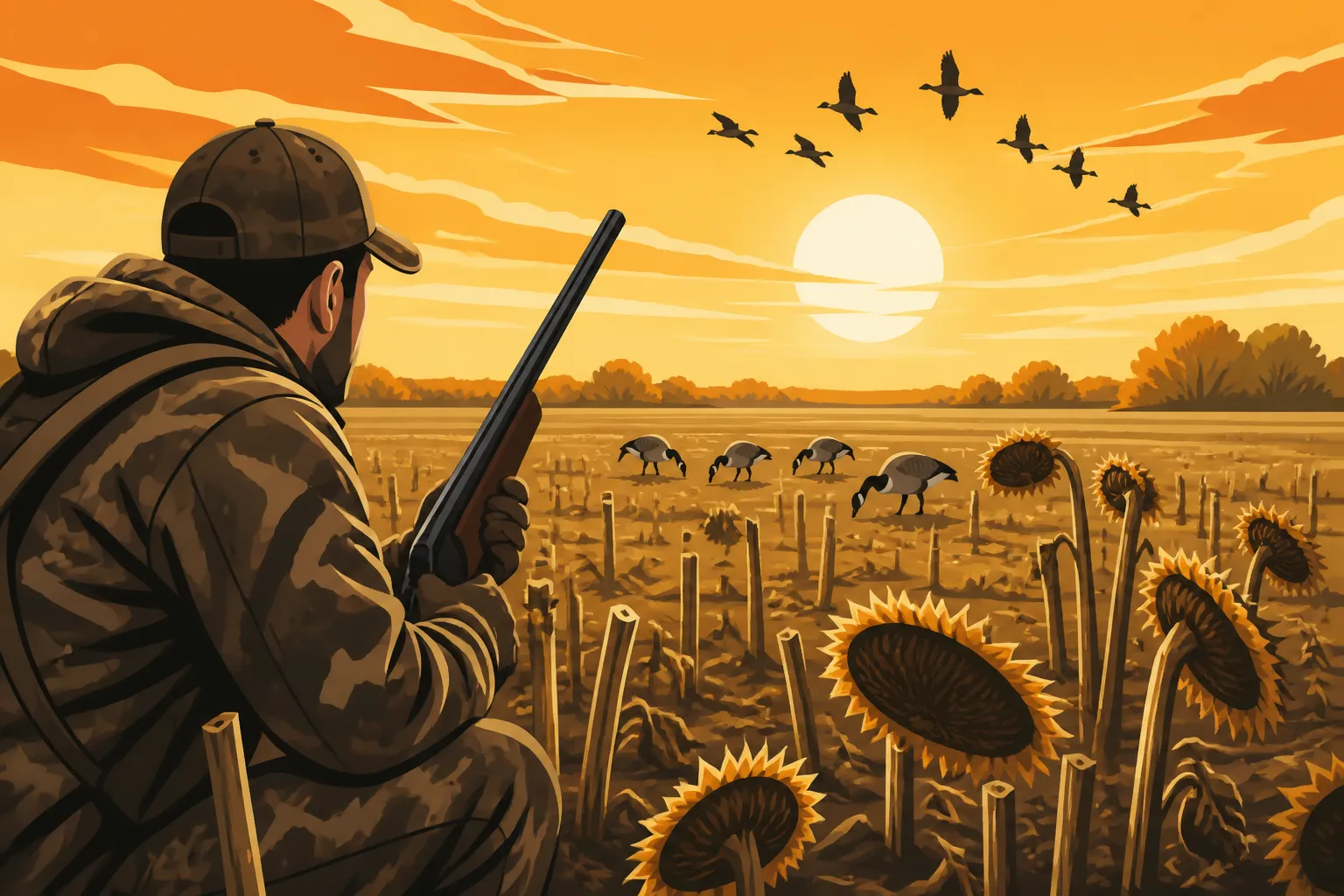
Hunting a sunflower field after harvest can feel like staring at a blank slate, a wide-open expanse where it seems impossible for a deer to hide, let alone for you to sneak up on one. Many hunters drive right past these fields, thinking the game has moved on with the combines, but that's a mistake. This guide will walk you through how to unlock the hidden potential of these overlooked agricultural hot spots, revealing the strategies and nuances needed to successfully hunt Manitoba's post-harvest sunflower fields.
The Allure of Post-Harvest Sunflower Fields for Manitoba Game
While a harvested sunflower field might look barren at first glance, for a deer, it's often a buffet and a travel corridor all rolled into one. Understanding why game animals are drawn to these areas, even after the crop is off, is the first step toward crafting a successful hunting strategy. You're not just looking at a field; you're looking at a wildlife magnet.
Why Deer and Other Wildlife Find Them Irresistible
Imagine a deer’s perspective. After the combines have rolled through, there’s still an incredible amount of residual food left behind. Sunflower seeds are a high-energy, high-fat food source, perfect for deer trying to pack on weight before winter, or for those burning calories during the rut. While the primary crop is gone, the ground is often littered with shattered heads, dropped seeds, and even small pieces of the plant that are still palatable. This isn't just a casual snack; it's a calorie-dense feast.
Beyond the food, the remaining stalks provide invaluable visual cover. Unlike a cut grain field where the stubble is minimal, sunflower stalks can stand anywhere from knee-high to waist-high, sometimes even taller, depending on the variety and harvest method. This broken, upright cover creates a visual screen that deer feel comfortable moving through. They can feed, bed down, and travel between thicker cover without feeling completely exposed. This is especially true during the mid-day hours when they might be reluctant to venture into wide-open spaces. You might think only big bush country holds deer, but these fields can concentrate them. This makes them a prime location for hunters focused on Hunting Whitetails on Manitoba Farmland.
Identifying Key Movement Patterns and Sign
When you first approach a harvested sunflower field, don’t just walk in. Take the time to scout the edges and look for the subtle signs that tell you how deer are using the area. Fresh tracks are your best friend. Look for where deer are entering and exiting the field, especially near woodlots, shelterbelts, or slough edges. These entry and exit points are natural funnels.
Droppings are another clear indicator of recent activity. The presence of fresh pellets, especially concentrated in certain areas, tells you where deer are spending their time feeding. You might also find evidence of where they’ve been browsing on any leftover green material or shattered sunflower heads. While less common than in dense timber, don't overlook rubs or scrapes near the field edges. These could indicate a buck scent-checking the perimeter or a travel corridor. You’re essentially learning to read the landscape, much like you would when Reading Whitetail Sign in Manitoba Aspen. Pay attention to any ditches, slight depressions, or even standing water sources, as these can also influence travel paths. Using a reliable mapping app like GoHunt can help you mark these signs and visualize potential travel routes, allowing you to create a detailed plan for your hunt.
Strategic Approaches to Hunting Harvested Sunflowers
Once you’ve identified the hotspots and understood how deer are utilizing the field, it’s time to develop your hunting strategy. The open nature of these fields requires a different approach than hunting dense bush or timber. You’ll need to balance stealth with strategic positioning.
Still-Hunting the Stubble: The Art of Quiet Movement
Still-hunting a harvested sunflower field can be incredibly effective, but it demands patience and meticulous attention to detail. The key is to use the remaining stalks to your advantage for visual cover. Don't try to walk in a straight line; instead, weave and zig-zag, constantly pausing and scanning ahead. The broken nature of the stalks makes it harder for deer to pinpoint a slow-moving hunter. Take two or three steps, then stop for a minute or more, scanning with your binoculars. This "stop-and-go" rhythm mimics natural animal movement and often allows you to spot deer before they spot you.
The noise factor is significant here. Walking through dry sunflower stubble can be loud, so choose your footwear carefully. Soft-soled boots are a must. Hunt into the wind, always, and be acutely aware of thermals, especially during morning and evening hunts. If the wind shifts, you’re busted. If there's a light dusting of snow, that can actually aid quiet movement, but also make deer more wary due to increased visibility. Consider a careful, slow approach similar to Hunting a Swathed Grain Field at Dusk, where patience is rewarded.
Setting Up Effective Ambush Locations
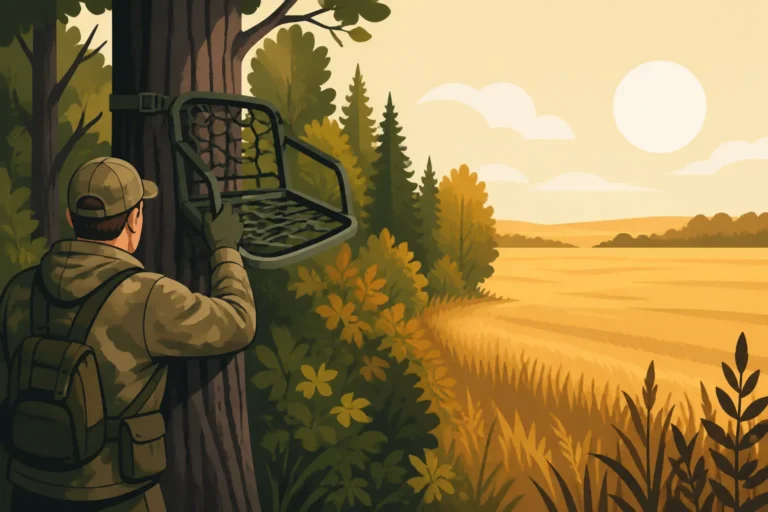
While still-hunting is viable, setting up an ambush can often yield higher success rates, especially if you've done your scouting. The edges of the sunflower field are almost always prime locations. Look for areas where the field borders a woodlot, a treeline, a slough, or a creek bed. These are natural funnels where deer will transition from bedding areas to feeding areas. Elevated stands, like ladder stands or hang-ons, positioned on these edges can give you an excellent vantage point over the field. You can spot deer coming and going, or even moving through the stubble, long before they detect you.
If an elevated stand isn't an option or the cover isn't suitable, consider a well-camouflaged ground blind. Position it where you have a clear shooting lane but also maximum concealment. Natural features like brush piles, fence lines, or large clumps of weeds can offer additional cover. Sometimes, the most productive spot is a bottleneck where a point of timber or a deep ditch funnels deer into a smaller travel corridor within the field itself. Using satellite imagery on your GoHunt app to identify these transition zones and pinch points will significantly increase your odds. Remember, the goal is to intercept deer as they move to or from their feeding grounds in the sunflower remnants. For best results, plan your stand setups during key times like Hunting the Rut in Early to Mid November when bucks are actively cruising.
Essential Gear and Tactics for Field Success
Hunting harvested sunflower fields demands specific gear choices and refined tactics. The open environment, combined with the often-cold Manitoba weather, means you need to be prepared for everything from visibility challenges to long-distance shots and difficult game retrieval.
Mastering Camouflage and Scent Control
In an open field environment, your camouflage becomes even more critical. While traditional greens and browns are generally effective, consider patterns that mimic the lighter, drier tones of stubble and dead vegetation. Many modern camo patterns incorporate elements that break up your silhouette against sparse backgrounds. More importantly, however, is blending in with the structure of the field. If you’re in a ground blind, ensure it’s brushed in with local vegetation. If you're still-hunting, use the remaining stalks to break up your outline.
Scent control is non-negotiable when hunting open fields. With less cover to mask your scent, deer can detect you from a much greater distance. Use scent-eliminating sprays, wash your hunting clothes in scent-free detergent, and store them in airtight containers. Play the wind religiously. Even a slight shift can ruin your hunt. Consider using an ozone generator for your gear, especially before heading out. The more diligent you are with scent, the better your chances of getting close to a wary deer. This is a crucial element of any successful hunt, whether you're focused on Rifle Hunting Manitoba's Whitetail Rut or bowhunting earlier in the season.
Using Calls and Decoys in Open Terrain
Calls can be quite effective in harvested sunflower fields, especially during the rut. Grunts, bleats, and even rattling can pique the curiosity of bucks cruising the field edges or moving through the stubble. The relatively open nature of these fields means sound travels well, but it also means a deer can often pinpoint the source. Use calls sparingly and subtly, especially if you suspect deer are already nearby. A few soft grunts can sometimes be enough to stop a moving deer or draw one closer for a shot.
Decoys can also play a role, but with caveats. A single buck or doe decoy placed strategically at a distance can draw attention, especially from curious rutting bucks. The visual cover of the sunflower stalks means deer might approach cautiously, using the stubble as a screen, which can work to your advantage. However, decoys in very open areas can also be easily spotted by wary deer from afar, potentially spooking them if they detect anything unnatural. Ensure your decoy is set up to face away from your shooting lane, mimicking a natural posture and drawing the deer's attention away from your position. Always be aware of the rules regarding Manitoba Rules on Baiting Big Game to ensure you're hunting ethically and legally.
Tracking and Recovery in Dense Stubble
Once you’ve taken a shot, the real work sometimes begins. Tracking a deer in dense sunflower stubble can be surprisingly challenging. The broken stalks and uneven ground make it difficult to follow a blood trail, which can be easily absorbed by dry plant material or scattered by hoof prints. Always mark the exact spot where the deer was standing when you shot it, and the last place you saw it. Use bright flagging tape if permitted, or even your hat, to mark these spots.
Wait a sufficient amount of time after the shot – at least 30 minutes for a good hit, and several hours for a questionable shot, especially if you heard a "thump." When tracking, move slowly and systematically, focusing on every single drop of blood or disturbed stubble. Look for broken stalks, turned-over earth, or even fresh tracks. If snow is on the ground, this becomes a little easier, but the stalks can still obscure a faint trail. Be prepared for a potentially long and arduous retrieve. A good pair of bright LED headlamps is essential, as many retrieves will extend into the dark.
Important Safety and Ethical Considerations for Field Hunters
Hunting in agricultural fields, especially those as visually unique as sunflower fields, comes with specific safety and ethical responsibilities. It’s not just about getting your game; it’s about doing so responsibly and respectfully.
Prioritizing Visibility and Hunter Safety
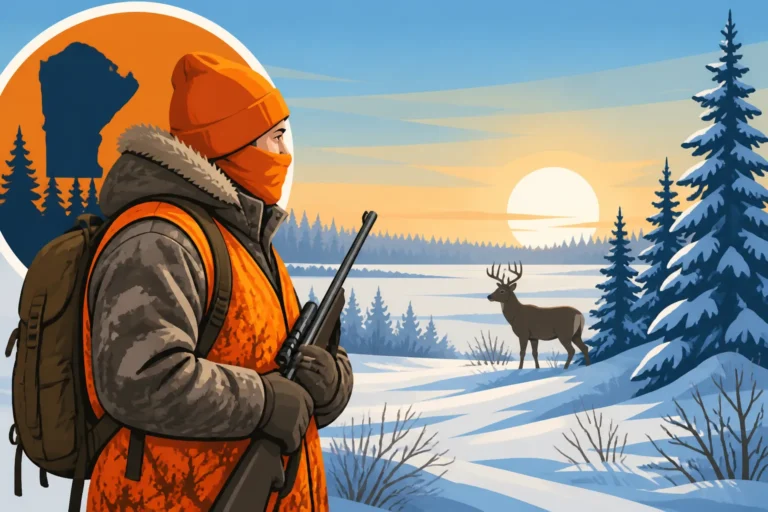
Manitoba has clear regulations regarding hunter orange, and for good reason. In open country like a harvested sunflower field, visibility is paramount. You need to be seen by other hunters, landowners, and even farm workers who might still be in the area. Always wear the required amount of blaze orange (typically at least 400 square inches above the waist, visible from all sides), regardless of whether you're still-hunting or sitting in a blind. Even if you're alone, you should assume others might be out there. This is especially important during rifle season when hunting pressure can be higher. Always double-check How Much Blaze Orange Manitoba Requires before heading afield.
Beyond orange, always identify your target clearly and ensure you have a safe backstop. Never shoot at movement or sound. The flat terrain of a field means a bullet can travel a long way, so be absolutely certain of your shot and what lies beyond your target. Communicate with your hunting partners, if you have them, about your planned routes and positions. Use two-way radios if cell service is spotty (which it often is in rural areas) to maintain contact and ensure everyone knows where everyone else is.
Securing Landowner Permission and Respecting Boundaries
This cannot be stressed enough: Always obtain explicit permission from the landowner before hunting on private land. Most sunflower fields are on private property, and hunting without permission is trespassing, which can lead to hefty fines, license revocation, and a permanent loss of hunting privileges. A simple knock on the door, a polite conversation, and demonstrating respect for their property can go a long way. Many landowners are happy to grant permission, especially if deer are causing crop damage, but they need to be asked. Knowing the Manitoba Landowner Permission Law is your responsibility.
When you do get permission, make sure you understand the exact boundaries of where you're allowed to hunt. Use a mapping app like GoHunt to clearly delineate these boundaries. Avoid driving on wet fields, leaving gates open, or disturbing livestock. Pack out all your trash, including spent shell casings. Leaving the property cleaner than you found it is a simple gesture that builds good relationships and ensures future hunting opportunities for yourself and others. If you harvest an animal, let the landowner know, and offer them some meat. These small acts of courtesy strengthen the hunting community's reputation and foster positive relationships with the agricultural community.
| Advantage | Disadvantage | Strategy to Mitigate Disadvantage |
|---|---|---|
| Residual Food Source | Can attract game from wide areas | Scout diligently to find preferred feeding spots and travel routes. Use GoHunt to identify adjacent cover. |
| Visual Cover (Stalks) | Not thermal cover; deer still wary | Hunt into the wind, move slowly, use a ground blind if available. |
| Open Sight Lines | Deer can spot hunters easily | Master camouflage, meticulous scent control, use calls/decoys carefully. |
| Concentrates Game | Other hunters may target area | Obtain private land permission, scout often, hunt less accessible corners. |
| Good for Ambushes | Requires patient, long sits | Ensure proper cold weather gear (e.g., Hunting Safely in Deep Winter Cold), use comfortable blinds/stands. |
| Tracking Challenges | Blood trail hard to follow | Mark shot location precisely, wait longer before tracking, bring a tracking dog if permitted. |
Disclaimer
The information provided in this guide is for general informational purposes only and does not constitute legal advice. Hunting regulations, seasons, and licensing requirements can change, and it is the responsibility of every hunter to consult the most current Manitoba Hunting Guide and relevant provincial and federal laws before engaging in any hunting activities. Always prioritize safety, ethical hunting practices, and respect for wildlife and landowners.