Hunting Near the Assiniboine River
There's nothing quite like the feeling of heading out to hunt, especially when you're targeting a promising area, but the frustration of not knowing where to start or how to effectively navigate complex terrain and land access rules can quickly sour the excitement. For many hunters in Manitoba, the Assiniboine River corridor offers immense potential, yet it also presents unique challenges. This guide is designed to help you unlock the secrets of hunting near this iconic waterway, covering everything from identifying prime habitat to understanding crucial access points and regulations, ensuring your next outing is both productive and compliant.
Understanding the Assiniboine River's Unique Landscape for Game
The Assiniboine River is more than just a winding waterway; it's a vibrant artery of life that cuts through Manitoba's diverse landscapes, creating an ecological haven for a multitude of game species. Its banks, bluffs, and associated feeder creeks offer a combination of shelter, food, and water that draws animals in, making it a natural magnet for hunters willing to put in the effort.
The River Valley as a Natural Game Corridor
Think of the Assiniboine River valley as a superhighway for wildlife. From its headwaters in Saskatchewan, carving its way through the province and eventually joining the Red River in Winnipeg, the river offers a continuous travel corridor that animals use for migration, escape, and daily movement. Unlike the open prairie, the river valley provides a ribbon of dense cover, with thick stands of willow, aspen bluffs, oak patches, and robust riparian vegetation. This dense cover is invaluable, especially when the surrounding agricultural fields are barren after harvest or when winter winds howl across the plains. Deer, in particular, rely heavily on these sheltered areas to move unobserved and find thermal cover.
The twists and turns of the river create natural pinch points and funnels. Oxbow lakes, old river channels, and sudden elevation changes form ideal ambush locations. Imagine a mature buck, wary from years of evading hunters, using the river's edge to travel from a bedding area to a feeding field. He's hugging the bank, utilizing every bit of available cover. Knowing these patterns and identifying these natural travel routes is the first step to successful hunting. The river isn't just a physical barrier; it’s a dynamic landscape feature that dictates game movement and offers a lifeline, particularly during harsh weather. During periods of heavy snow, the deep cuts and sheltered pockets along the river provide critical refuge, concentrating animals in more predictable areas.
Key Species Attracted to the Assiniboine Corridor
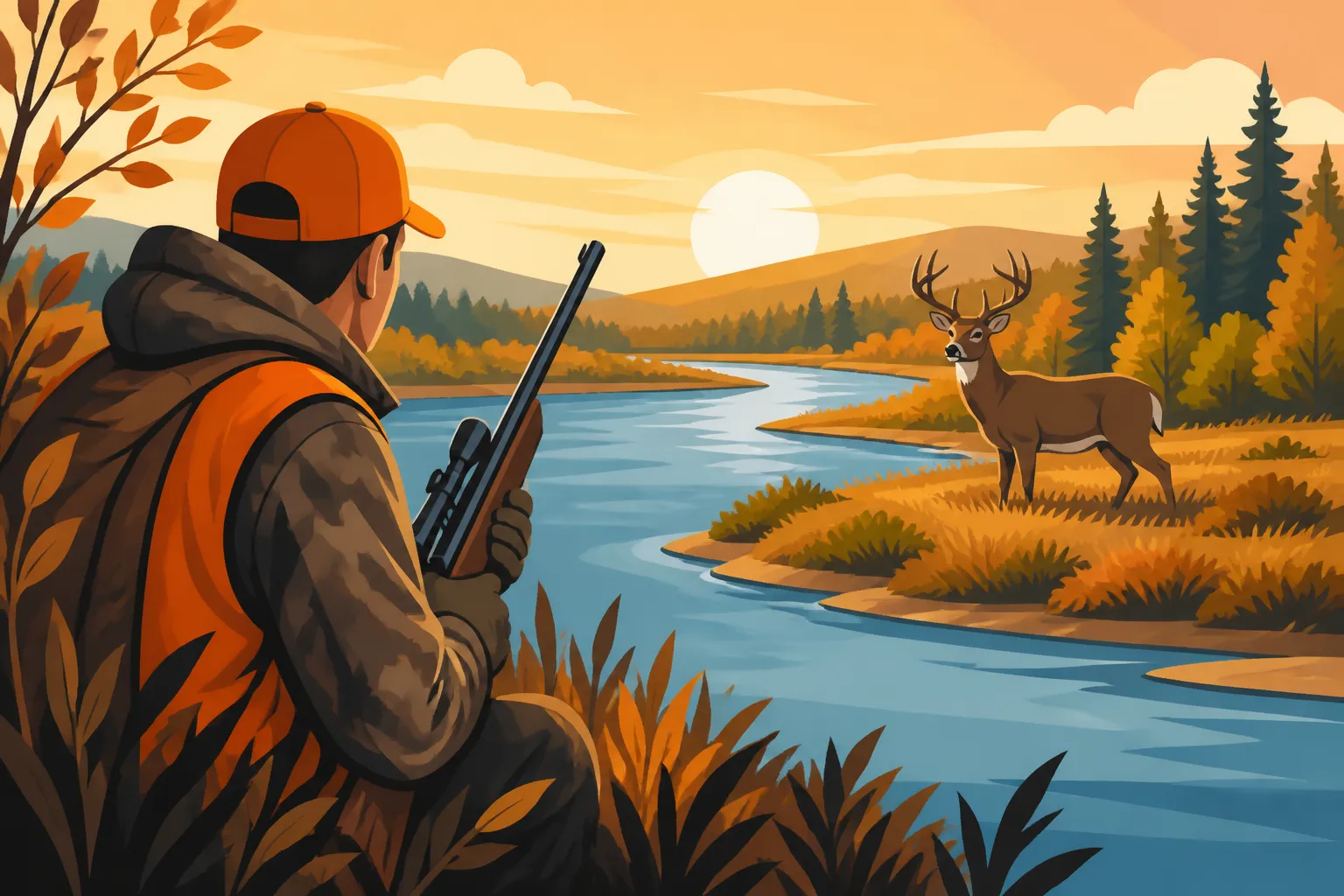
While the Assiniboine River offers opportunities for various game, it truly shines as a destination for whitetail deer. Manitoba is renowned for its large-bodied whitetails, and the rich agricultural lands bordering the Assiniboine provide ample nutrition, helping bucks grow impressive racks. These deer thrive in the mosaic of bush, bluffs, and fields that characterize the river corridor. You'll find them bedding in the dense thickets along the riverbanks, venturing into adjacent corn, canola, or alfalfa fields to feed, and retreating to the safety of the valley at first light.
Beyond whitetails, the river corridor attracts other significant species. While not a primary moose hunting area, some of the more northern or less developed stretches, particularly further west in the province or closer to larger forested blocks, might occasionally host moose. Elk, though less common directly along the river's immediate banks, can be found in nearby parkland and agricultural zones that occasionally overlap with the broader river drainage, such as around the Riding Mountain National Park fringe. Predators like coyotes are abundant throughout the entire river system, drawn by the prey animals it supports. For those interested in Calling Coyotes in Manitoba Farm Country, the mix of cover and open fields makes for prime opportunities. There are also opportunities for waterfowl, with ducks and geese using the river's calmer sections and adjacent potholes, as well as upland birds like sharp-tailed grouse and Hungarian partridge in the surrounding grasslands and field edges. When you're trying to pinpoint where different species might be concentrated, using mapping tools like GoHunt can really help visualize the habitat types along the river and cross-reference them with known game movements.
Navigating Access and Regulations Along the Assiniboine
One of the biggest hurdles for any hunter, especially when eyeing a promising spot like the Assiniboine River, is figuring out where you can actually hunt and how to get permission. The Assiniboine carves its path through a mix of private agricultural land and pockets of public access, meaning careful planning and respect for landowners are paramount.
Public Versus Private Land Challenges
The vast majority of land directly bordering the Assiniboine River, particularly through the more populated and agricultural areas of southern Manitoba, is privately owned. This reality can be a significant source of frustration for hunters who see prime habitat but struggle with access. While Manitoba does have considerable Crown Land, it's often more concentrated in the northern boreal forests or specific provincial forest areas rather than densely hugging the Assiniboine in its more accessible stretches. This means that a successful hunt along much of the river often hinges on securing landowner permission. The process of Knocking on Doors in Manitoba Farm Country requires patience, respect, and a good first impression. Always approach landowners well in advance of the season, preferably not in your full hunting gear, and be prepared to be turned down. If you do get permission, treat their land with the utmost respect – leave no trace, close gates, and stick to agreed-upon areas. Building a relationship with a landowner can secure hunting spots for years to come. Mapping applications like GoHunt can be incredibly useful here, as they often display property boundaries and landowner names, allowing you to identify parcels and plan your approach effectively.
Even when you find public land, such as small parcels of Crown Land or Wildlife Management Areas, access might still be challenging due to surrounding private property. It's crucial to know exactly where boundaries lie to avoid accidental trespass. Understanding Manitoba Landowner Permission Law is not just a good idea; it's a legal requirement and a cornerstone of ethical hunting in the province.
Key Game Hunting Areas GHAs Bordering the River
The Assiniboine River flows through numerous Game Hunting Areas (GHAs) as it traverses Manitoba, each with its own specific regulations and characteristics. From west to east, you'll find the river influencing GHAs like 23, 23A, 25, 26, and further east into areas like 30, 31, 31A, and 31B. For instance, in the western part of the province, around the Brandon area, GHAs such as 23 and 23A offer a mix of open prairie and bush along the river breaks. As you move east towards areas like GHA 26 near Portage la Prairie, the landscape becomes even more agricultural, with the river valley offering a crucial refuge of timber and dense cover.
Each of these GHAs will have different season dates, bag limits, and specific regulations for various species. It's absolutely essential to consult the current Manitoba Hunting Guide or the provincial website to confirm the rules for the specific GHA you plan to hunt. Don't just assume; seasons and limits can change annually. The key to successful hunting in these diverse GHAs along the Assiniboine is detailed Scouting a Manitoba Game Hunting Area. Use maps and satellite imagery to identify potential access points, dense cover, pinch points, and agricultural fields where deer might feed. Recognizing that the river itself serves as a defining feature across many of Manitoba's Game Hunting Areas is vital for any hunter.
River-Specific Hunting Regulations and Safety
Hunting near a major waterway like the Assiniboine comes with its own set of considerations. Safety should always be your top priority. If you're hunting during the early or late season when the river might be freezing or thawing, exercise extreme caution. Falling through ice is a serious risk, and currents can be deceptively strong. Avoid venturing onto ice unless you are absolutely certain of its thickness and stability, which is rarely a guarantee on a moving river. This echoes the advice for Hunting a Frozen Slough Crossing, but with the added danger of a river's current.
Beyond environmental hazards, specific regulations apply to hunting near water bodies and occupied areas. You must adhere to minimum setback distances from roads, dwellings, and certain water access points. Never discharge a firearm or bow in a manner that could endanger others or properties. Always confirm the current rules regarding shooting across roads or waterways. Furthermore, if you're fortunate enough to harvest an animal near the river, remember the regulations for validating your tag and transporting game. Ensure you have the proper means to retrieve your animal safely and legally, especially if it drops near or into the water. Having a clear plan for game retrieval, and respecting the Manitoba Landowner Permission Law if your animal crosses onto private land, will save you a lot of headache.
Effective Hunting Strategies for the Assiniboine River Environment
Hunting the Assiniboine River corridor requires a blend of traditional woodsman skills and modern tools. The unique topography and cover dictate specific approaches that can make or break your hunt, especially when targeting those elusive whitetails that call this river home.
Scouting and Reading Sign Near the Water
Effective scouting is the bedrock of success along the Assiniboine. Focus your efforts on the river's edge, sandbars, and the mouths of feeder creeks. Look for fresh tracks, especially larger deer tracks, indicating active travel. Bucks often leave clear rub lines on saplings and small trees, particularly on the edges of cover where they transition into more open areas. Scrapes, which are patches of disturbed ground often with an overhanging branch, are another tell-tale sign of whitetail activity, particularly during the pre-rut and rut. These are communication hubs for deer, and finding fresh ones indicates recent presence.
Pay close attention to changes in elevation, such as bluffs or draws that lead down to the river. These natural funnels often concentrate deer movement. Using a good pair of binoculars, glass these bluffs and adjacent fields during the low light hours of dawn and dusk. Deer frequently emerge from the river bottom cover to feed in the fields and then return before daylight. Modern mapping tools, like GoHunt, can be invaluable for identifying these topographical features and potential pinch points before you even set foot in the field. You can mark potential bedding areas, feeding zones, and the most likely travel corridors. After a fresh snowfall, the river corridor becomes an open book, revealing every hoof print and trail. This is an ideal time for Reading Sign After a Fresh Snow, allowing you to see exactly where deer are moving and concentrating.
Stand Placement and Movement Tactics
Once you've identified key areas through scouting, strategic stand placement is paramount. Look for locations that offer a good view of a primary travel corridor, preferably where a bluff overlooks the river, or where a dense draw funnels deer down into the valley. Consider placing stands on points or inside bends of the river that create natural bottlenecks. These spots force deer to travel closer to the river's edge, giving you a better shot opportunity. When considering Hanging a Stand on a Manitoba Bush Edge, remember that the river's edge is that bush edge in many places, offering perfect transition cover.
Always play the wind. The river valley can create swirling winds, so choose a stand location that keeps your scent out of the primary travel routes of the deer. If the wind is unpredictable, consider a ground blind in dense cover. Movement tactics, such as still-hunting or slow-walking, can also be effective, especially when used along the river breaks, paralleling natural deer trails. Move slowly, pause frequently, and use your binoculars to scan ahead. This method works best in areas with sufficient cover to conceal your movements.
Utilizing Watercraft or Crossing Points
For the more adventurous hunter, or simply for better access and retrieval, considering watercraft can open up new possibilities. In some areas, using a canoe or kayak might allow you to access secluded pockets of Crown Land or reach areas on private land where you have permission, but vehicle access is difficult. Always prioritize safety if using a boat – wear a PFD, understand the river's currents, and be aware of any obstacles. Never use a boat as a means to retrieve game from land you don't have permission to be on.
The river itself, particularly during late season, can also create natural crossing points. Deer will utilize shallow areas, sandbars, or even frozen sections to cross. Identifying these crossing points can be highly effective. During the late season, when the river freezes, these crossings become vital travel corridors. However, extreme caution is necessary. Never assume ice is safe. Understanding how game uses these crossings is a fundamental aspect of Hunting a Frozen Slough Crossing elsewhere in the province, and the same principles apply, with added riverine hazards. These are spots where deer feel relatively safe from predators and hunters alike, making them prime locations for a stand if you can approach undetected.
Seasonal Considerations and Best Practices
The Assiniboine River offers hunting opportunities throughout the various seasons, but each period brings its own set of challenges and unique rewards. Adapting your tactics to the time of year is crucial for success.
Early Season Opportunities Archery and Muzzleloader
When Manitoba's archery season opens, typically in late August or early September, the Assiniboine River corridor is thick with foliage. This density offers incredible cover for both deer and hunters, but it also means reduced visibility. During this time, deer are still mostly on summer patterns, often feeding heavily in agricultural fields during the cooler evening and early morning hours, and bedding down in the dense river bottom cover during the day. Focusing on the transition zones between these bedding and feeding areas is key. Look for trails leading out of the river valley up into adjacent fields. Stand placement should prioritize these routes.
Water sources are also particularly important in the early season. While the river itself is a constant water source, deer might also frequent smaller springs, creeks, or even potholes near the river. When temperatures are high, deer will move to water more frequently, offering opportunities for ambush. Being patient and silent is paramount, as the thick cover can make it easy to bump deer. This is a prime time for Bowhunting Manitoba's Early Season, where stealth and close-range encounters are the norm. GoHunt can assist in locating hidden water sources and dense cover not immediately visible from the road.
Rut Hunting in the River Valley
The whitetail rut, typically peaking in early to mid-November in Manitoba, transforms the Assiniboine River corridor into a hotspot of deer activity. Bucks are on the move, actively seeking does, and the river valley acts as a natural funnel for this increased movement. Those bluffs, draws, and dense cover become even more critical travel corridors. This is the time when those big, elusive bucks that have been nocturnal for months might become more visible during daylight hours.
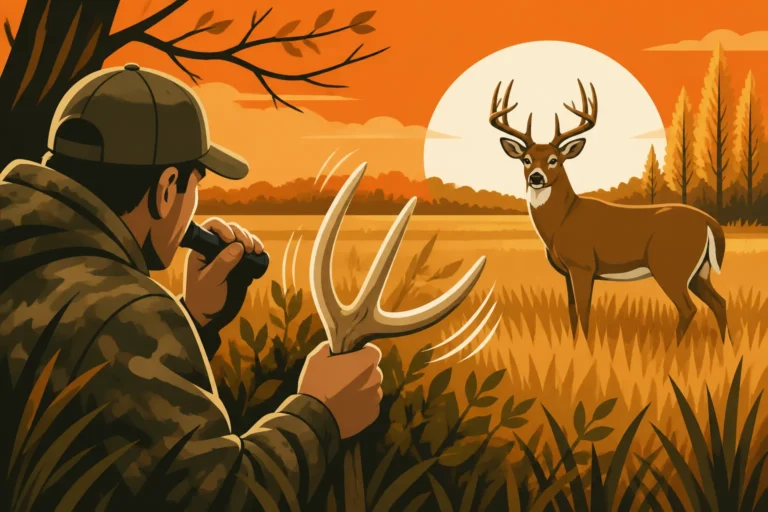
During the rut, consider employing calling and rattling strategies. Grunt calls can pique a buck's curiosity, drawing them in, especially if they believe another buck is in their territory. Rattling antlers can simulate a fight, attracting dominant bucks eager to assert their dominance. Place your stands overlooking scrapes and rub lines, or on funnel points that connect known bedding areas to potential doe groups. Being in your stand from dawn till dusk during the rut can drastically increase your odds. This period, often overlapping with the rifle season, makes Rifle Hunting Manitoba's Whitetail Rut incredibly exciting, and the river valley is a prime stage for it. The increased deer activity provides numerous opportunities that aren't available at other times of the year.
Late Season Challenges and Rewards
As winter descends upon Manitoba, the Assiniboine River presents both significant challenges and unique rewards for the persistent hunter. Deep snow and bitter cold can concentrate deer in the sheltered river bottom, making their patterns more predictable. Tracking becomes an effective strategy as fresh snow reveals every movement. However, hunting in extreme cold demands careful preparation and strict adherence to safety protocols.
Deer will often "yard up" in the densest, most sheltered cover within the river valley during prolonged cold snaps, minimizing their energy expenditure. Finding these wintering areas can be highly productive, but accessing them might require trudging through deep snow. Ensure you have appropriate cold-weather gear, including layers, insulated boots, and a plan for staying warm when Hunting Safely in Deep Winter Cold. The challenges of Hunting Whitetails at Thirty Below are real, and frostbite or hypothermia are serious risks. While game might be more concentrated, their sensitivity to pressure also increases. A quiet approach and minimal disturbance are essential. Success in the late season along the Assiniboine is often a testament to perseverance and proper preparation for Manitoba's formidable winter conditions.
| River Section / GHA | Primary Game Species | Access Challenges | Best Season | Notes |
|---|---|---|---|---|
| Western (e.g., GHA 23, 23A) | Whitetail, Waterfowl, Coyote | High private land, few WMA/Crown | Rut, Late Season | More open prairie influence, significant river breaks. |
| Central (e.g., GHA 25, 26) | Whitetail, Waterfowl, Elk (sparse) | Very high private land, agricultural | Rut, Early Season | Intensive agriculture, river offers crucial cover. |
| Eastern (e.g., GHA 30, 31) | Whitetail, Waterfowl, Upland Birds | Mixed private/public, some WMA | Rut, Late Season | Closer to urban areas, pressure can be higher. |
| Upper Reaches (Northwest) | Whitetail, Moose (sparse), Bear | More Crown Land, remote, difficult access | Early, Late Season | Less pressure, more natural bush, potentially rougher terrain. |
Disclaimer
Hunting is an inherently risky activity. This article provides general information and recommendations only. Always consult the official Manitoba Hunting Guide, local regulations, and current weather conditions before embarking on any hunting trip. Your safety and adherence to all laws are your sole responsibility. Be respectful of landowners, other hunters, and the wildlife.