Hunting Hungarian Partridge on Manitoba Farms
Hunting Hungarian partridge on Manitoba farms can feel like chasing ghosts sometimes, can't it? You scout a promising field, see some birds flush, and then suddenly, they're gone, vanishing into the landscape as if they were never there. It’s a frustrating dance of anticipation and elusive targets that many upland hunters know all too well. This guide will help you decode the secrets of these wily birds, offering practical strategies to increase your odds and make your hunts more rewarding across Manitoba's rich agricultural lands.
Understanding Hungarian Partridge Behavior on Farms
To consistently find and hunt Hungarian partridge, often affectionately called "Huns," you first need to get inside their tiny little heads. They’re not just randomly scattered across the landscape; their movements and locations are highly predictable once you understand their basic needs and habits, especially in the context of Manitoba's vast farmlands. Knowing what they're looking for will give you a significant edge in your scouting and hunting efforts.
Preferred Habitat and Food Sources
Hungarian partridge are truly creatures of the agricultural landscape. They thrive in areas where cultivated fields meet natural cover, creating that perfect blend of food and refuge. Think about fields of wheat, barley, canola, or sunflowers, especially after harvest. These areas provide an abundance of waste grain, seeds, and insects – their primary food sources. They prefer edges, places where they can feed openly but quickly duck into heavier cover if a hawk or coyote appears.
This means you’ll often find them along the perimeters of stubble fields, particularly where they border shelterbelts, brushy ditches, idle grassland, or even ungrazed pastureland. The cover doesn't have to be dense forest; often, a thick stand of tall grass, a thorny rose patch, or a dense willow run is all they need. In Manitoba, these mosaics are plentiful, making our farmlands prime Hun country. They rarely venture into deep bush or heavily treed areas, preferring the open spaces that allow them to see predators coming. Understanding these preferences is key to pinpointing areas where you should focus your efforts.
Cohesive Coveys and Elusive Nature
One of the defining characteristics of Hungarian partridge is their strong covey behavior. Unlike many other upland birds that might scatter and regroup loosely, Huns stick together. When one bird flushes, the entire covey usually follows, exploding into the air in a flurry of wings and distinctive chattering calls. This can be exciting but also incredibly frustrating because once they've flushed and flown a few hundred yards, they often land in cover that makes them incredibly difficult to locate again, sometimes running for surprising distances before holding tight.
Their elusiveness is legendary. A covey that just flushed from a field edge might sail over a small rise and disappear, only to be found holding tightly in a seemingly sparse patch of grass a quarter-mile away. They are masters of camouflage and stillness, especially when pressed. This is why a well-executed strategy, often involving a good bird dog, is crucial. Without a dog to help pinpoint their scent and hold them, these birds can simply outwit even the most seasoned hunter. They rely on their strong flight, rapid acceleration, and ability to blend in seamlessly with their surroundings to evade predators, including hunters.
Essential Gear and Canine Companions for Hun Hunting
Hunting Hungarian partridge successfully isn't just about knowing where to find them; it's also about being properly equipped and, ideally, having the right kind of four-legged partner by your side. These birds offer fast-paced, often unpredictable shooting opportunities, and the right gear can make all the difference between a clean miss and a full game bag.
Shotguns, Loads, and Clothing Choices
For Hungarian partridge, a fast-handling shotgun is paramount. These birds explode with surprising speed, offering fleeting chances for a shot. Most upland hunters prefer lighter gauge shotguns like 20-gauge or even 28-gauge, though a 12-gauge loaded with lighter shells also works perfectly well. The choice really comes down to personal preference and how quickly you can swing and acquire a target. What's more important than gauge is fit; a shotgun that mounts naturally and points instinctively will serve you best.
When it comes to ammunition, smaller shot sizes are generally recommended. #6 or #7.5 shot are popular choices, delivering a dense pattern that’s ideal for these medium-sized birds without causing excessive meat damage. You'll want shells that offer good velocity to reach those fast-flying birds. As for clothing, think layers. Manitoba weather can be fickle, especially during upland season. Blaze orange is essential for safety, not just by law in many areas, but also for visibility to your hunting partners and any other legitimate land users. Durable, briar-resistant pants or chaps are also a godsend when pushing through thorny cover along shelterbelts or deep ditches, preventing those annoying snags and scrapes. Consider breathable materials for comfort, as you'll be doing a lot of walking.
The Indispensable Role of Bird Dogs
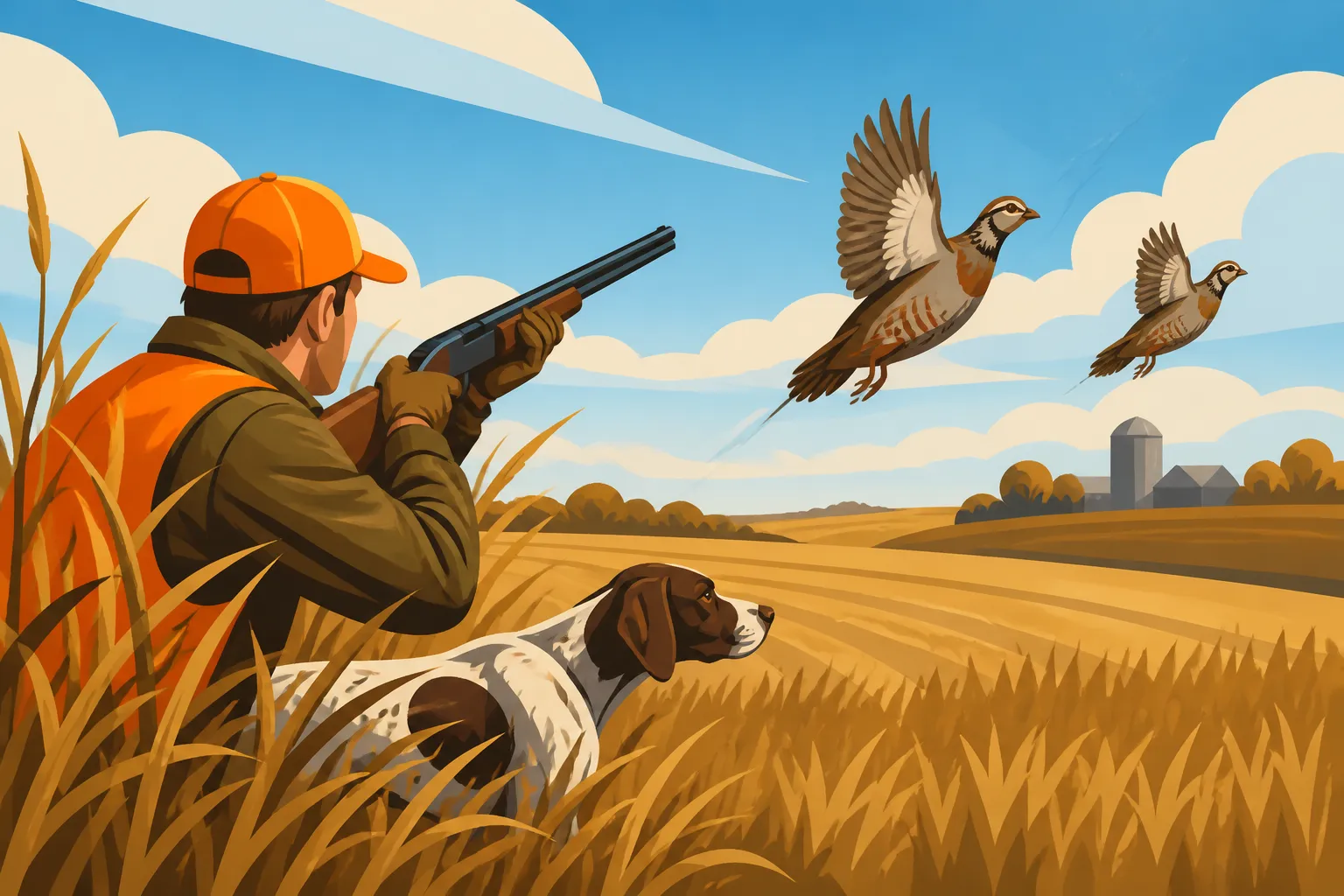
While it's technically possible to "walk-up" Hungarian partridge without a dog, it's akin to trying to find a needle in a haystack blindfolded. Huns are notorious for their tight holding nature after an initial flush, and their ability to run silently through cover can make them invisible to the human eye. This is where a well-trained bird dog becomes an absolute game-changer. Pointers, such as German Shorthaired Pointers, English Pointers, or Brittanys, excel at finding scent and locking up on a covey, giving you time to get into position for the flush. Their keen noses can pick up the subtle scent of a Hun covey from a distance, allowing them to follow the scent cone and pinpoint the birds.
Flushing dogs, like English Springers or Labrador Retrievers, also have their place, especially for retrieving downed birds in thick cover. There's nothing worse than making a clean shot only to lose a bird in dense weeds. A good retriever ensures your hard-earned quarry makes it into the game bag, minimizing waste. Many hunters even use a versatile dog that can both point and retrieve, offering the best of both worlds. The training and bond between hunter and dog are crucial, as effective communication and understanding can greatly enhance your success. A dog’s ability to "go in for the flush" or hold a solid point is invaluable. If you're serious about Upland Bird Hunting in Manitoba, especially for Huns, investing in a good bird dog or hunting with a friend who has one is highly recommended.
Scouting Strategies for Manitoba Farmlands
Finding Hungarian partridge isn't just about showing up and walking; it requires careful planning and reconnaissance. Manitoba's farmlands are vast, and you can't just wander aimlessly hoping to stumble upon a covey. Smart scouting, both from afar and on the ground, will drastically increase your chances of a successful hunt. This preparation phase is where many successful hunts are made, long before you ever step foot in a field with a shotgun.
Leveraging Maps and Digital Tools
In today's hunting world, technology is your best friend for initial scouting. Satellite imagery, topographical maps, and dedicated hunting apps like GoHunt or onX Hunt are incredibly powerful tools. These resources allow you to identify potential Hun habitat from the comfort of your home. Look for patterns: large agricultural fields (especially stubble after harvest) bordering linear features like shelterbelts, bushy fence lines, abandoned farmyards, or wetlands. These linear covers provide crucial escape routes and roosting areas adjacent to feeding grounds.
Pay close attention to changes in elevation, even subtle ones. A small bluff or a slight rise in terrain can offer a covey a vantage point, and south-facing slopes can provide warmer spots during colder days. Look for areas where different habitat types converge – a stubble field meeting a cattail slough, or a cornfield ending at a thick willow patch. These "edge habitats" are magnets for partridge. You can also use historical weather data to predict where birds might be holding based on wind direction or recent precipitation. Scouting With Satellite Imagery in Manitoba allows you to cover vast amounts of ground virtually, helping you narrow down your physical scouting efforts to the most promising areas.
On-the-Ground Reconnaissance
Once you've identified potential spots on your maps, it's time to put boots on the ground, but not necessarily with a shotgun. A few days before your actual hunt, drive or walk the perimeter of these areas. Look for actual signs of birds. This includes tracks in the dust or snow, droppings, and most importantly, actual sightings of coveys. Early mornings or late evenings are often the best times to see Huns feeding along field edges or dusting themselves in gravel roads.
Pay attention to what crops are planted. While Huns love stubble, they might also be found in fields of standing corn or sunflowers that haven't been harvested yet, using the dense growth for cover and food. Drive slowly along grid roads and concession roads, keeping your eyes peeled for birds flying between fields or crossing roads. Take notes, mark potential access points, and identify where you might need to seek permission. This hands-on scouting validates your digital findings and gives you a real-time understanding of bird movements and local conditions. Remember, you're looking for evidence that the birds are currently using these areas, not just that the habitat looks good.
Approaching and Working Coveys on Private Land
Successfully hunting Hungarian partridge on Manitoba farms often hinges on two critical elements: gaining access to prime private land and then executing a smart field strategy to get within shooting range of these notoriously flighty birds. Without both of these pieces, your chances of success are significantly diminished.
Securing Landowner Permission
Unlike hunting Crown land, most of Manitoba's prime Hungarian partridge habitat lies on private agricultural properties. This means Manitoba Landowner Permission Law is paramount. You absolutely must obtain permission before stepping foot on private land to hunt. Simply trespassing can lead to fines, loss of hunting privileges, and, perhaps most importantly, damages the reputation of all hunters. The best approach is to knock on doors well in advance of the season, or at least a few days before your hunt. Introduce yourself politely, state your intentions clearly, and offer to share some of your harvested game as a token of appreciation.
Many landowners are happy to grant access, especially if you offer to help with any crop damage issues or even just be an extra set of eyes on their property. Building a good relationship can open doors to some incredible hunting opportunities year after year. Always be respectful of their property, avoid driving off established trails unless specifically given permission, and ensure all gates are closed behind you. If a landowner declines, accept it gracefully and move on. There's plenty of ground out there, and a positive attitude goes a long way in Knocking on Doors in Manitoba Farm Country. Being prepared with a map showing the specific area you'd like to hunt and having your hunting license readily available can also instill confidence in the landowner.
Field Tactics and Ethical Shots
Once you have permission and are in the field, the real work begins. Hunting Huns often involves covering a lot of ground. Walk systematically through potential holding cover, such as Hunting a Shelterbelt Between Two Fields, long grassy ditches, or the edges of stubble fields. A zigzag pattern can be effective, ensuring you cover as much ground as possible and push birds towards your hunting partners or into areas where they are more likely to flush. If you're hunting with a pointing dog, allow it to work ahead, covering ground thoroughly and letting its nose do the work. When the dog goes on point, approach cautiously but deliberately, being ready for the explosive flush.
Hungarian partridge will often flush as a covey, providing a brief window for multiple shots. Focus on one bird, aim for a clean shot, and then, if time and safety allow, pick another. Remember to always be aware of your hunting partners and your surroundings, ensuring you have a safe backdrop for your shot. When the covey flushes, try to mark where they fly and land. Often, they won't fly more than a few hundred yards. After the initial flush, they tend to hold much tighter. This is where a good dog is invaluable for relocating them. If you manage to get a single to flush, it's usually a much easier shot as they don't have the chaos of the covey to distract you. Ethical hunting means making clean kills and ensuring no game is wasted. Always retrieve your downed birds promptly, using your dog if available.
Post-Hunt Practices and Conservation
A successful Hungarian partridge hunt doesn't end when the last shot is fired. Proper handling of your harvested game and actively participating in conservation efforts are crucial responsibilities for every ethical hunter. These practices ensure the quality of your wild game meat and contribute to the long-term health of Manitoba’s partridge populations.
Game Care in the Field
Immediately after harvesting a Hungarian partridge, proper field care is essential to ensure the best possible quality for the table. The first step is to bleed the bird, which helps remove any lingering blood from the meat, resulting in a cleaner flavor. You can do this by making a small cut in the neck or simply by hanging the bird head-down for a few minutes. Next, gutting the bird as soon as possible is highly recommended, especially on warmer days. This removes internal organs that can spoil quickly and taint the meat. You can do this by making an incision from the breastbone to the vent and carefully removing all viscera.
Once gutted, place the birds in a game bag to protect them from dirt and insects. If temperatures are cool, hanging them in a shaded, well-ventilated spot can help cool them down further. On warmer days, however, you'll want to get them on ice or into a cooler as quickly as possible. Many hunters carry a small cooler with ice in their vehicle specifically for this purpose. This quick cooling prevents bacterial growth and preserves the delicate flavor of the partridge meat. Getting the birds plucked and breasted out later at home, or at a processing station, will be much easier with proper initial field care. This diligent process aligns with the principle of Meat Care in Manitoba's Cold Snaps, even if applied to smaller game in milder temperatures.
Contributing to Conservation Efforts
As hunters, we are the frontline conservationists, and our actions directly impact the future of the game we pursue. For Hungarian partridge, this means understanding their population dynamics and contributing to their sustained health. One simple but impactful way is to report your harvests accurately. This data is vital for wildlife biologists in Manitoba to monitor populations, assess health, and set appropriate season dates and bag limits. Every piece of information, even from individual hunters, helps paint a clearer picture.
Beyond reporting, consider supporting organizations like the Manitoba Wildlife Federation, which advocate for habitat preservation and sustainable hunting practices. Much of the habitat Huns rely on, like shelterbelts and uncultivated field edges, are vulnerable to agricultural development. Advocating for practices that retain or enhance these features benefits partridge and a host of other wildlife. Participating in habitat improvement projects, even on a small scale like planting cover crops or maintaining natural brushy areas on land you hunt, can make a difference. Understanding Why Sharptail Numbers Rise and Fall (which often correlates with Hun populations due to similar habitat needs) helps us appreciate the broader ecological factors at play. By being responsible and engaged, we ensure that future generations can also enjoy the challenging and rewarding pursuit of Hungarian partridge on Manitoba farms.
| Habitat Feature | Importance for Hungarian Partridge | Best Hunting Strategy |
|---|---|---|
| Stubble Fields | Primary feeding grounds, especially after cereal crops (wheat, barley) or canola harvest. Offers waste grain and seeds. | Walk systematically in strips, especially early morning or late afternoon. Work the edges thoroughly. |
| Shelterbelts/Bushy Ditches | Crucial linear cover for escape, roosting, and loafing during the day. Often borders feeding areas. | Work slowly along the length with a dog, paying close attention to thickest sections. Birds will often flush into or out of these. |
| Tall Grass/Idle Pasture | Excellent holding cover after a flush. Provides protection from predators and wind. | Focus scouting efforts here for birds seeking refuge. Walk in a grid pattern. |
| Unharvested Standing Corn/Sunflowers | Offers both dense cover and food sources before harvest. Birds can be difficult to locate but will hold tight. | Best worked with a strong pointing dog. Hunter should move slowly, being ready for a sudden flush from within the dense stalks. |
| Slough Edges/Wetlands | Provides water source, insect forage, and dense cover. Often overlooked by other hunters. | Check the drier, brushier edges where upland habitat meets water. Birds may flush towards water or into denser adjacent cover. |
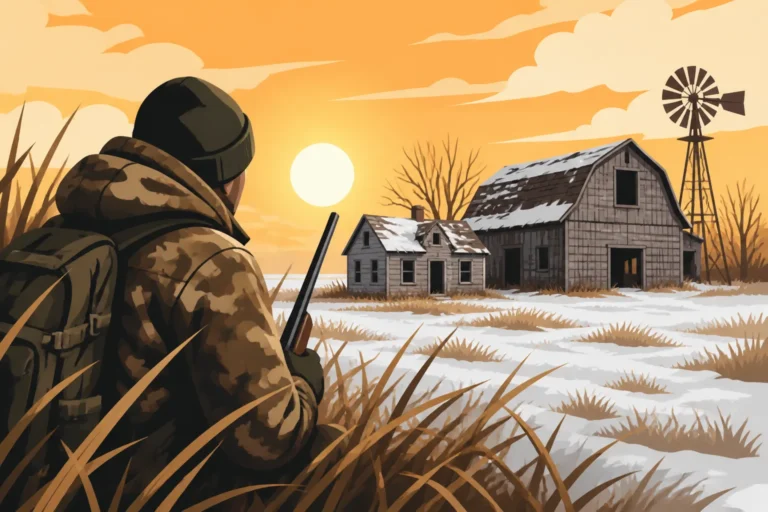
| Abandoned Farmyards | Provides unique, often dense cover with old buildings, machinery, and overgrown vegetation. | Approach cautiously; birds may be concentrated. Work around structures and through any overgrown areas with extra care. |
Disclaimer
Hunting is a regulated activity. Always consult the current Manitoba Hunting Guide and regulations before heading into the field. Ensure you have all necessary licenses and permits, and adhere to all safety guidelines. Respect private property and always obtain landowner permission. Regulations can change, so staying informed is your responsibility.