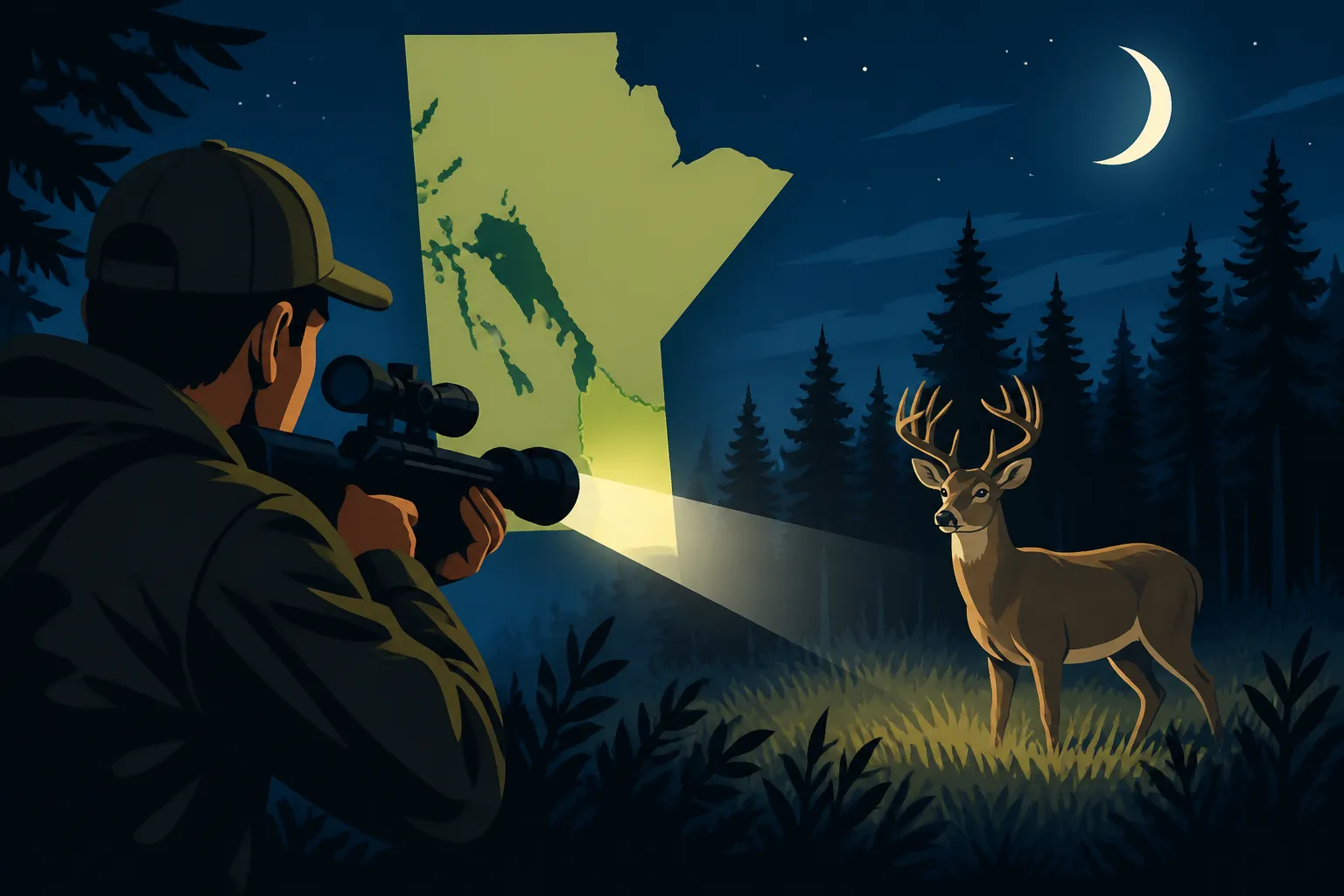
What Night Hunting Actually Allows Here
Many hunters in Manitoba find themselves scratching their heads when it comes to night hunting. The regulations can seem like a tangled mess of "can-dos" and "can't-dos," making it difficult to understand exactly what's permitted after the sun dips below the horizon. This guide is here to untangle that knot, walking you through the precise legal framework of night hunting in Manitoba, so you can hunt safely and within the law.
Understanding General Hunting Hours in Manitoba
Before we dive into the specifics of night hunting, it’s crucial to understand the standard hunting hours that apply to most game in Manitoba. Generally, legal hunting is restricted to daylight hours. This isn't just a suggestion; it's a fundamental safety and ethical principle embedded in hunting regulations across the province.
Defining Legal Hunting Hours
For the vast majority of big game and game birds, legal hunting hours in Manitoba are defined as one half-hour before sunrise to one half-hour after sunset. This golden rule is there for a reason: it ensures that hunters have sufficient natural light to clearly identify their target, confirm what's beyond it, and make an ethical shot. Trying to identify game in dim light, even with optics, drastically increases the risk of misidentification, which can lead to unfortunate accidents or the shooting of non-target species or livestock. Always double-check the sunrise and sunset times for your specific location on any given day, as these times change constantly throughout the season.
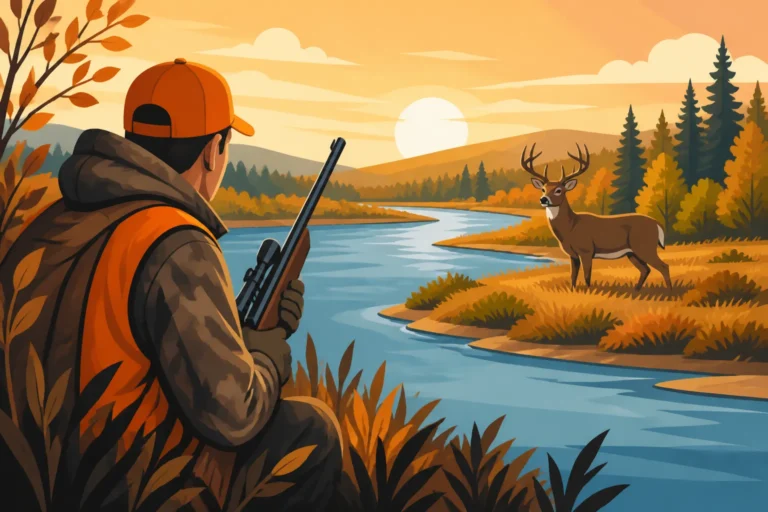
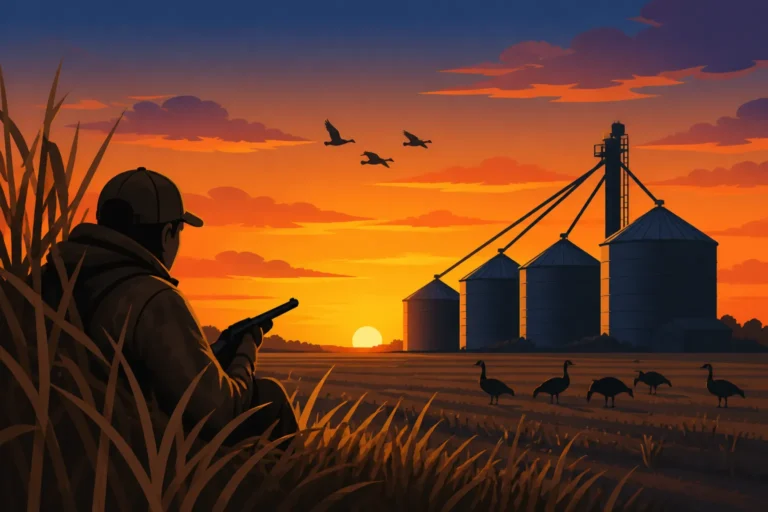
Imagine you're out in the bush on a crisp November morning, waiting for legal shooting light. Even though you might see a deer silhouette against the pre-dawn sky, pulling the trigger before that half-hour mark is not only illegal but irresponsible. The same goes for the evening hunt; as the light fades, that beautiful buck might still be in range, but if it’s past the legal cut-off, you must lower your weapon. Respecting these boundaries is paramount for safety and maintaining a positive public image for hunters. It's a key part of Manitoba Hunter Education Requirements.
Why Restrictions Are in Place
The restrictions on hunting during darkness are primarily in place for public safety and game management. Hunting in low light conditions significantly elevates the risk of accidents involving other hunters, landowners, or non-target animals. It also gives game animals a fairer chance, preventing unfair advantage through artificial lighting, which could lead to overharvesting or unethical hunting practices. The intent is to maintain a balance where hunting remains challenging, fair, and safe for everyone involved.
Consider the potential chaos if there were no clear boundaries. People would be roaming the woods in the dead of night, potentially shooting at sounds or indistinct shapes, endangering themselves and others. Furthermore, many species, especially whitetails, become far more active after dark. Unrestricted night hunting could quickly decimate local populations and disrupt wildlife patterns, undermining conservation efforts. This careful balance ensures the sustainability of our game populations and the safety of our hunting community.
Navigating Manitoba's Specific Night Hunting Permits
While the general rule is "no hunting after dark," Manitoba does have specific provisions for night hunting, but they are highly regulated and only apply under very particular circumstances. This isn't a free pass to hunt all night; rather, it’s a targeted measure designed to address specific wildlife management issues, particularly relating to agricultural damage.
Who Qualifies for a Night Hunting Permit
A night hunting permit in Manitoba is not available to just any hunter. It is primarily issued to landowners, leaseholders, or those designated by them, specifically for the purpose of controlling deer, elk, or moose causing damage to crops or property. Indigenous hunters, who possess constitutionally protected harvesting rights, also have certain provisions for night hunting that differ from those of licensed recreational hunters, in accordance with the Treaty Hunting Rights and Shared Management framework. For a licensed hunter not exercising Indigenous rights, applying for a permit means demonstrating a legitimate need directly tied to agricultural damage.
The process for applying for a permit is quite rigorous. You won't just fill out a form and get instant approval. Typically, an assessment will be made by Manitoba Conservation to confirm the extent of the damage caused by game animals. It’s about problem animals in specific locations, not general hunting opportunities. This ensures that night hunting, a practice with elevated risks, is only undertaken when absolutely necessary and under strict supervision or regulation. If you're considering applying, platforms like GoHunt can be useful for researching regulations and understanding the steps involved in obtaining such specialized permits, though the application itself will always go through the provincial authority. You can read more about Applying for a Manitoba Night Hunting Permit and Who Can Get a Night Hunting Permit for further details.
The Legal Framework for Night Hunting
The legal framework surrounding night hunting is robust, outlined in provincial regulations to ensure accountability and safety. A permit specifies not only who can hunt but also when, where, and what species can be targeted. It dictates the methods that can be used, often requiring the use of artificial light and imposing strict safety protocols, such as mandatory advanced notice to local authorities and adherence to specific setback distances from dwellings and public roads.
This isn't like regular hunting where you grab your rifle and head out. Night hunting typically requires constant communication with local law enforcement or conservation officers. The idea is to prevent any misunderstandings or potential conflicts with other individuals who might be in the area or simply concerned by lights and gunshots after dark. Ignoring these specifics can lead to severe consequences, as outlined in Manitoba Penalties for Hunting Violations. It’s a serious responsibility, and every clause in the permit is there to protect both the hunter and the public.
Approved Areas and Species for Night Hunting
The provincial guidelines are very clear about where night hunting is permitted and which animals can be targeted. It's not a blanket approval across all Game Hunting Areas (GHAs); rather, it's specific to certain regions and driven by conservation and damage control objectives.
Designated Crown Lands and Private Property
For recreational hunters, night hunting is typically restricted to specific parcels of private land or designated Crown Lands where a permit has been granted due to ongoing crop or property damage caused by deer, elk, or moose. These aren't just random spots; they are areas where wildlife depredation has become a significant issue for landowners, impacting their livelihood. The specific locations are usually outlined in the permit itself. It's not about expanding hunting opportunities, but rather about managing localized wildlife conflicts.
Understanding your hunting area is always critical, but even more so for night hunting. Services like GoHunt can help you overlay GHA maps with land ownership data, giving you a clearer picture of public versus private land. However, for night hunting, even if land appears public on a map, you need explicit provincial approval for that specific parcel. Without a permit, night hunting on any land, public or private, is illegal. Always verify the most up-to-date information on Which Crown Lands Allow Night Hunting before planning any activity.
Species Allowed and Prohibited Methods
Night hunting permits in Manitoba typically focus on large game species like white-tailed deer, elk, and moose. These are the animals most commonly associated with significant agricultural damage. Other species, such as waterfowl or upland birds, are generally not included in night hunting permits, as their impact on property is usually not severe enough to warrant such a measure. The methods used are also tightly controlled. While artificial light is often required for identification and safety during permitted night hunts, its use is otherwise strictly prohibited for hunting other species at night.
The emphasis is always on targeted removal of problem animals. For instance, if a specific herd of deer is habitually raiding a farmer’s canola field, a night hunting permit might allow for the culling of a few animals from that specific herd within the boundaries of that property. It’s not an open season for deer in the entire GHA at night. The goal is surgical removal to mitigate damage, not broad population control via night hunting. This precise approach underlines the serious nature of these permits and the responsible management ethos behind them.
Here's a quick overview of some key aspects:
| Aspect | General Daytime Hunting | Permitted Night Hunting (Special Permit) |
|---|---|---|
| Hours | 1/2 hour before sunrise to 1/2 hour after sunset | Specific hours outlined in permit (after sunset) |
| Primary Purpose | Recreation, sustenance, population management | Damage control for specific problem animals |
| Who Can Hunt | Licensed hunters (residents/non-residents) | Landowners, leaseholders, designated individuals (often Indigenous hunters also have provisions) |
| Species | All legal game species (as per season dates) | Primarily deer, elk, moose (causing damage) |
| Location | All legal GHAs, Crown Land, permitted private land | Specific private land or designated Crown Land (where damage occurs) |
| Use of Artificial Light | Prohibited | Often required by permit for identification/safety |
| Regulatory Authority | General Hunting Regulations | Specific Night Hunting Permit, Manitoba Conservation |
Restrictions and Safety Measures for Night Hunting
The unique challenges and heightened risks associated with hunting after dark mean that stringent restrictions and comprehensive safety measures are not just advisable, but legally mandated. This is about preventing accidents and ensuring public confidence in regulated hunting practices.
Prohibited Acts and Equipment
Even with a night hunting permit, many acts remain strictly prohibited. For instance, shooting from or across a public road is almost universally forbidden, regardless of a permit. The safety of other road users is paramount. Similarly, shooting towards dwellings, livestock, or any area where non-target animals or people might be present remains illegal, with or without a permit. The permit is not a license to disregard fundamental hunting safety rules.
Certain equipment is also specifically prohibited or regulated. While artificial lights are sometimes required by a night hunting permit to identify target animals, using spotlights to "jacklight" animals for sport is illegal and considered poaching. Thermal imaging and night vision devices, while useful for spotting game, may also have specific restrictions on their use for actual shooting, emphasizing fair chase and the challenge of the hunt. It's crucial to understand these nuances. Always refer to the latest Manitoba Hunting Guide for detailed regulations, or use resources like GoHunt to stay informed about changes. This diligent approach helps avoid serious legal repercussions and upholds ethical hunting standards. Many hunters often confuse night hunting regulations with Rules on Hunting From a Vehicle, but these are distinct sets of rules, both with their own strict parameters.
Minimizing Risks and Ensuring Public Safety
The primary goal of the strict regulations around night hunting is to minimize risks to both hunters and the general public. When granted a permit, hunters are expected to exercise extreme caution. This often includes using clearly marked vehicles, communicating their presence to local authorities or neighbours, and ensuring that their hunting area is completely free of non-target individuals or animals. Visibility is key, and wearing sufficient blaze orange, even when using artificial light, is a smart practice to ensure you're seen by anyone who might be in the vicinity, though it may not be legally required for night hunting specifically.
Think about it: even in broad daylight, hunters are urged to be certain of their target and beyond. At night, that challenge is amplified exponentially. This is why permits are so specific, often requiring a direct view of the animal and a safe backstop. For example, if you're night hunting deer in a field adjacent to a town, the permit will likely specify a shooting direction that takes into account the nearest residences. It’s about being incredibly diligent, professional, and safety-conscious at all times. Remember, factors like Hunting Safely in Deep Winter Cold can add another layer of complexity to any hunt, especially when visibility is already reduced by darkness.
Disclaimer
The information provided in this article is for general guidance and informational purposes only and does not constitute legal advice. Hunting regulations in Manitoba can change, and it is the hunter's responsibility to consult the most current version of the Manitoba Hunting Guide and relevant provincial statutes before engaging in any hunting activities. Always confirm specific rules, seasons, and licensing requirements with Manitoba Conservation and Climate or the appropriate governing bodies.