Whether an Outfitter Handles Your Licence
It's a common question that pops into the mind of many hunters, especially those new to Manitoba or venturing out with an outfitter for the first time: "Will my outfitter just handle my hunting license for me?" It's a natural assumption, wanting to simplify the paperwork and rely on the experts. However, navigating the world of hunting licenses and outfitter services in Manitoba requires a clear understanding of where your responsibilities lie versus what your outfitter can assist with. This guide will walk you through the nuances, ensuring you're prepared and compliant for your next Manitoba hunting adventure.
Understanding Manitoba's Hunting Licence Requirements
Before we even get to the outfitter, let's talk about the foundation: the hunting licence itself. Manitoba has specific requirements, and they aren't one-size-fits-all. It's easy to get overwhelmed by the different categories, but understanding them is your first step towards a smooth hunting experience.
Who Needs What Licence?
Manitoba differentiates between resident and non-resident hunters, and within those categories, there are specific licences and tags for various game species. For residents, the process is generally more straightforward, often involving a general hunting licence and then species-specific tags for big game like deer, moose, or bear. You're typically able to purchase these directly through the provincial online portal or authorized vendors.
Non-residents, on the other hand, face a few more layers of requirements. If you're coming from outside Manitoba, especially from another country, you generally must engage the services of a licensed Manitoba outfitter for certain big game species. This isn't just a recommendation; it's a legal requirement designed to ensure proper management and oversight of non-resident hunting activity. Even with an outfitter, you, as the hunter, are still responsible for holding the correct licences and tags for the species you intend to hunt. It's a crucial distinction many first-timers overlook, assuming "guided hunt" means "all paperwork done for me." For a detailed breakdown of costs, you might want to review Manitoba Hunting Licences and What They Cost.
The Role of the Hunter in Licence Acquisition
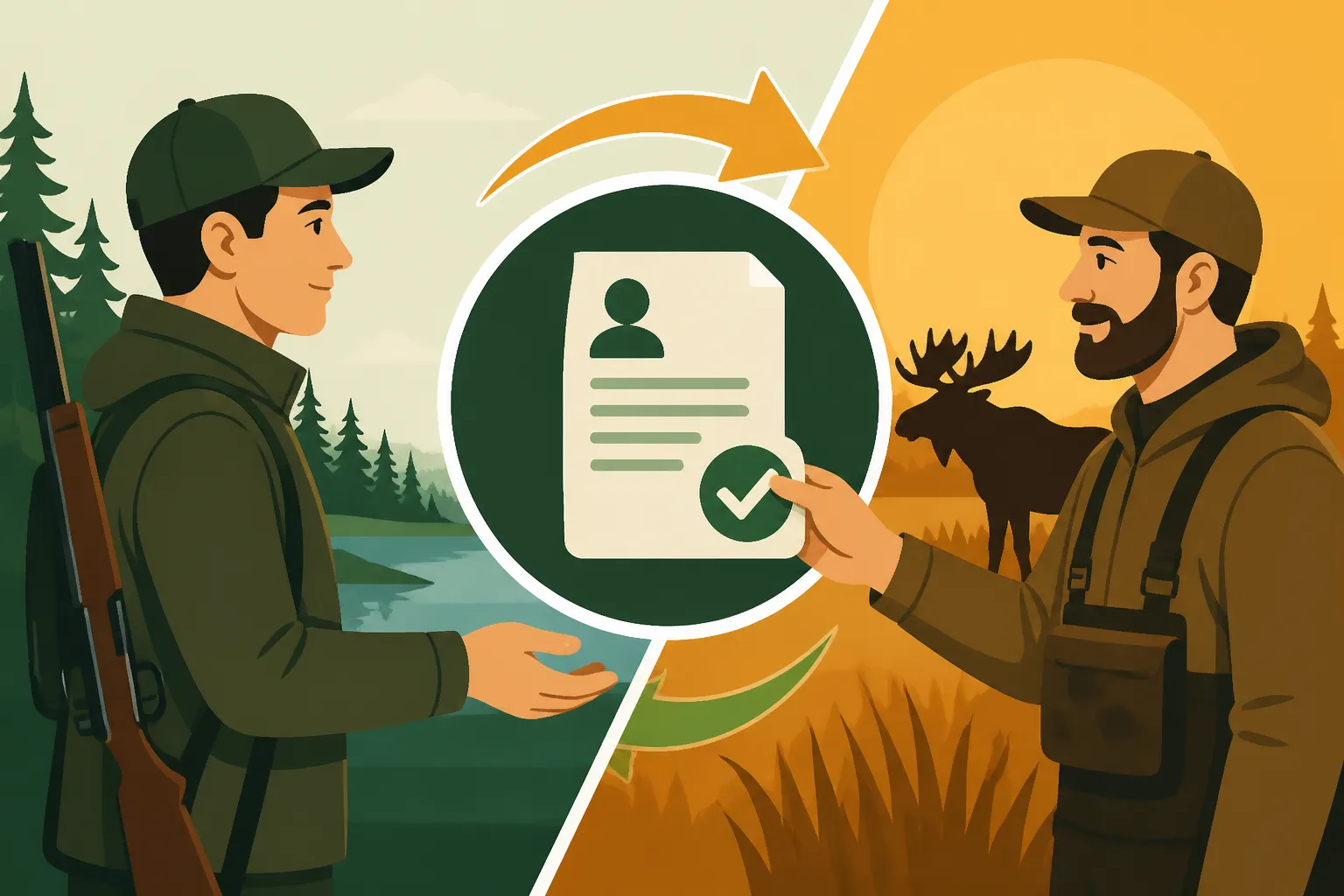
Ultimately, the individual hunter is the one legally required to possess a valid hunting licence and any necessary species-specific tags. Think of it like a driver's licence: your car rental company might help you navigate local traffic laws, but they don't get your licence for you. You need to present proof of your eligibility, pay the fees, and officially acquire the document. This holds true in Manitoba. You'll need to provide your personal details, hunter education certification (if applicable), and ensure you meet all eligibility criteria.
This personal responsibility extends to understanding the specific seasons and regulations for the game you're pursuing in the particular Game Hunting Area (GHA) you'll be in. While your outfitter will certainly brief you, a proactive hunter does their homework. Being familiar with the rules, even if just broadly, can prevent misunderstandings in the field and ensure you're hunting legally and ethically. It’s your name on the licence, after all, and you’ll be the one facing consequences if regulations aren't followed.
Why This Can Be Confusing for First-Timers
It's completely understandable why this might be confusing. Many outfitters advertise "all-inclusive" packages, which can lead hunters to believe everything, including the licence, is part of the deal. However, "all-inclusive" usually refers to the camp, guiding services, meals, lodging, and often initial processing of game, not necessarily the actual government-issued licence. The cost of your licence and tags is almost always a separate fee, paid directly to the province.
The additional layer for non-residents, where a guide is mandatory for certain species, further blurs the lines. You might think, "If I have to hire a guide, surely they handle the licence too?" But the requirement for a guide is about supervision and resource management, not about outsourcing the bureaucratic steps of licence acquisition. For those considering hunting in Manitoba as non-residents, understanding Rules for Non-Residents Hunting Manitoba is paramount. It’s also worth looking into Manitoba Resident Licence Options and Manitoba Non-Resident Licence Options to see the differences clearly.
The Outfitter's Role: What They Can and Cannot Do
So, if outfitters don't typically buy your licence for you, what can they do to help? Their role is usually one of invaluable assistance and guidance, not direct purchase.
Administrative Support and Guidance
A good outfitter is a wealth of information. They understand the intricacies of Manitoba's hunting regulations, season dates, GHA specifics, and draw processes. They can tell you exactly which licence and tags you'll need for your hunt, often providing links or instructions on how to purchase them. They can also advise on deadlines, especially for special draws like those for moose or elk. Think of them as your hunting concierge, guiding you through the administrative maze.
They often provide application forms, explain how to fill them out, and clarify any complex wording. Many will even double-check your applications before you submit them to ensure accuracy, which can be a huge stress reliever, especially if you're not familiar with the provincial system. When planning your trip, consider what's involved in Planning a Manitoba Hunting Trip, and you'll quickly see how valuable an outfitter's advice can be. If you're looking at different options, platforms like BookYourHunt can help you compare what various outfitters offer in terms of administrative support.
Direct Purchase Limitations and Hunter Responsibility
Despite their helpfulness, Manitoba outfitters generally cannot directly purchase your hunting licence or tags on your behalf. This is a crucial distinction. The province requires the individual hunter to go through the official channels, which typically involves using Manitoba's online licence portal or visiting a licensed vendor in person. This ensures that the hunter's personal information, hunter education credentials, and any other prerequisites are directly verified by the provincial system.
For example, when you go to Buying Licences Through Manitoba's Portal, you'll be creating an account tied to your personal identification. This is a safeguard to ensure only eligible individuals receive licences and that the province maintains accurate records of who is hunting what and where. Your outfitter can't log in as you or use their business credentials to buy a licence in your name. You must do it yourself. This maintains accountability and ensures the integrity of the licensing system.
Permit and Draw Applications
For certain species, particularly moose and elk, Manitoba operates a lottery draw system. This is a separate process from purchasing an over-the-counter licence. Hunters must apply for these draws well in advance, and success is not guaranteed. Outfitters are incredibly helpful here, as they often know which GHAs have better draw odds, which hunt codes to apply for, and the specific deadlines. They might even help you understand how to apply as a party, if you're hunting with friends.
However, just like with regular licences, the outfitter typically cannot submit the draw application for you. You, the hunter, must complete and submit your own application. They can guide you through every step, provide the necessary information, and remind you of important dates, but the final act of submission (and payment of the application fee) is yours. This is especially true given the personalized nature of draw applications, which are tied to your hunter ID and history. Knowing When Manitoba's Draw Applications Open is critical, and your outfitter will be an excellent resource for this.
Streamlining the Process: How to Work With Your Outfitter
While the onus is on you to acquire your licence, a well-chosen outfitter can make the process feel much smoother. It's all about clear communication and leveraging their expertise.
Pre-Trip Communication is Key
As soon as you book your hunt, or even while you're still researching, start asking your prospective outfitter about the licensing process. A reputable outfitter will be happy to explain everything in detail. Don't be afraid to ask specific questions: "What exact licence and tags do I need for this hunt?" "What are the current fees?" "What's the best way to purchase them?" "Are there any draw deadlines I need to be aware of?"
Most outfitters will send you a detailed pre-hunt package that includes all this information, often with step-by-step instructions or links to the relevant provincial pages. Read it thoroughly! If anything is unclear, call or email them. This proactive communication not only ensures you get your licence correctly but also builds a good relationship with your outfitter, setting a positive tone for your hunt. This kind of interaction is a great way to evaluate an outfitter, and sites like GoHunt can provide reviews and resources that might mention how thorough outfitters are with pre-trip information.
Leveraging Outfitter Knowledge for Draw Strategy
If your hunt involves a draw, your outfitter's knowledge becomes even more critical. They live and breathe these regulations and often have a finger on the pulse of various GHA populations and success rates. They can advise you on applying for Manitoba's Big Game Draws, suggesting which areas might offer the best chance of success for your desired species. They can also explain the implications of applying as an individual versus a party.
While they can't guarantee you'll draw a tag, their advice can significantly increase your strategic advantage. For instance, they might know that a certain GHA has slightly better odds for elk one year, or that applying for a specific archery season tag in another GHA is more attainable. Make sure to discuss draw strategies with them well before the application deadlines, which you can typically find outlined as Manitoba Draw Deadlines and Results. This is where platforms like BookYourHunt can be useful for comparing outfitter specialities and finding one that aligns with your draw ambitions.
Essential Documentation You'll Need
When it comes time to actually purchase your licence, whether online or in person, you'll need to have certain documents ready. This typically includes:
- Proof of Identity: A valid government-issued ID, like a driver's licence or passport.
- Hunter Education Certification: If you're new to hunting or new to the province, you'll need proof of completing a recognized hunter education course. Manitoba has its own requirements, and reciprocity with other jurisdictions can vary. Make sure yours is valid.
- Previous Licence (if applicable): If you've hunted in Manitoba before, your hunter ID number from a previous licence will streamline the process.
- Credit Card: For online purchases, you'll need a valid payment method.
Here’s a quick overview of who does what when it comes to licenses:
| Task | Hunter's Responsibility | Outfitter's Assistance |
|---|---|---|
| Obtaining Hunter Education | Yes (unless exempt) | Advise on requirements, direct to courses |
| Applying for Draw Tags (Moose/Elk) | Yes (completing and submitting) | Advise on GHAs, odds, deadlines, strategy |
| Purchasing General Hunting Licence | Yes (online or authorized vendor) | Advise on type needed, provide links/instructions |
| Purchasing Species Tags | Yes (online or authorized vendor) | Advise on type needed, season dates, bag limits |
| Carrying Licence in Field | Yes (physical or digital copy) | Remind hunter, advise on legal requirements |
| Understanding Regulations | Yes (personal review) | Provide briefings, answer questions, explain local rules |
| Paying Licence/Tag Fees | Yes | Clarify costs, explain payment methods |
Avoiding Pitfalls and Ensuring Compliance
The last thing anyone wants on a hunting trip is a run-in with conservation officers due to improper licensing. A little due diligence goes a long way.
Double-Checking Everything Yourself
Even with the best outfitter guidance, it's ultimately your responsibility to ensure you are properly licensed. Before you head into the field, take a few minutes to review your licence and tags. Are all the dates correct? Is the species accurate? Does it match the GHA you'll be hunting in? This quick review can save you a world of trouble.
Imagine showing up to camp, excited for your Whitetail Hunting in Manitoba adventure, only to realize your tag is for a different GHA, or worse, expired. While rare, mistakes can happen in the rush of planning. A few minutes of verification at home is a small price to pay for peace of mind in the field. This diligent approach is also critical if you are planning to fill a second deer licence in Manitoba, as those often have specific GHA or antlerless requirements.
Consequences of Improper Licensing
Hunting without the proper licence or tags in Manitoba can lead to significant penalties. These aren't just minor infractions; they can include substantial fines, confiscation of game and equipment, and even suspension of hunting privileges. For non-residents, an infraction can also impact future travel to Canada. Conservation officers in Manitoba take licensing very seriously as it's fundamental to wildlife management and fair chase.
It's simply not worth the risk. The small effort required to ensure your paperwork is in order pales in comparison to the potential legal and financial repercussions, not to mention the embarrassment and disappointment of having your hunt cut short. This is part of the broader framework of Manitoba Hunter Education Requirements, emphasizing responsible and legal hunting practices.
When to Seek Direct Provincial Information
While your outfitter is a primary resource, there might be times when you want to go straight to the source. The Manitoba government's official hunting guide and website are invaluable tools. If you have a specific, highly technical question about a regulation, or if you simply want to verify information independently, don't hesitate to consult these resources directly.
This might be particularly important if you're exploring unique hunting opportunities, like Hunting Manitoba's Second Deer Licence GHAs or trying to understand the nuances of Manitoba's Moose Conservation Closures. Reputable outfitters will always encourage you to be informed and will align their advice with the official provincial guidelines. They are there to facilitate your hunt, not to circumvent the rules.
In conclusion, while a Manitoba outfitter is an invaluable partner who provides expert guidance, logistical support, and administrative assistance, they generally do not purchase your hunting licence or tags for you. That responsibility rests firmly with you, the hunter. By understanding your role, communicating clearly with your outfitter, and diligently checking your documentation, you can ensure a smooth, compliant, and ultimately successful hunting experience in Manitoba.
Disclaimer
This article is for general informational purposes only and does not constitute professional advice. Laws, prices and regulations vary by location and change over time. Consult a qualified professional for guidance on your specific situation.