Hunting a Municipal Pasture Section
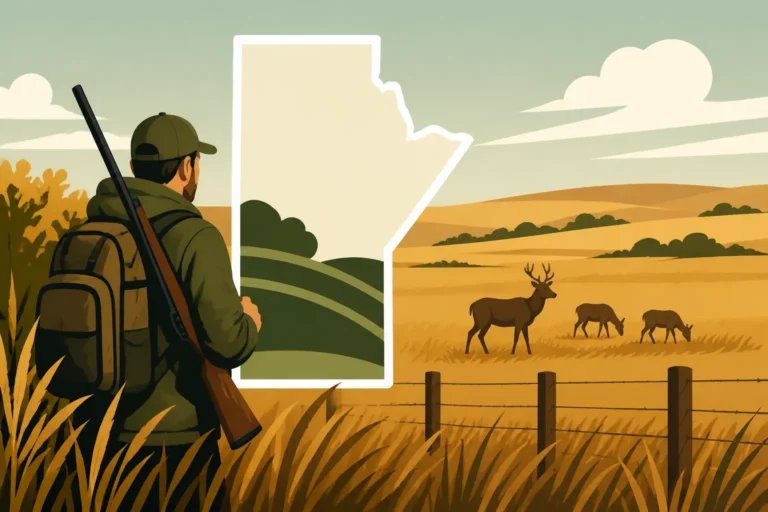
Finding reliable hunting ground that isn't already heavily pressured or tied up in private leases can feel like an endless uphill battle for many Manitoba hunters. It's frustrating to constantly scout for new spots, only to find "No Hunting" signs or realise you're stepping on someone else's toes. This guide aims to demystify hunting municipal pasture sections, revealing these often-overlooked areas as prime opportunities for diverse game, provided you understand how to access and hunt them respectfully.
Understanding Municipal Pasture Sections in Manitoba
Many hunters hear "municipal pasture" and immediately think of private land, or simply dismiss it as open grassland with no cover. But the reality in Manitoba is often more nuanced, and these areas can actually be fantastic hunting opportunities if you know what you're looking at and who to talk to. These aren't just cow fields; they're often significant tracts of land that provide critical habitat for game.
What Exactly is a Municipal Pasture?
In Manitoba, a municipal pasture, or community pasture, typically refers to larger blocks of land – often Crown land – that have been designated and managed for agricultural grazing, primarily for cattle. Historically, many of these were federal community pastures, but some have transitioned to provincial or municipal management, or are run by local grazing associations. The key takeaway here is that while they serve an agricultural purpose, they are often on public land. This distinction is absolutely vital because it dictates your access.
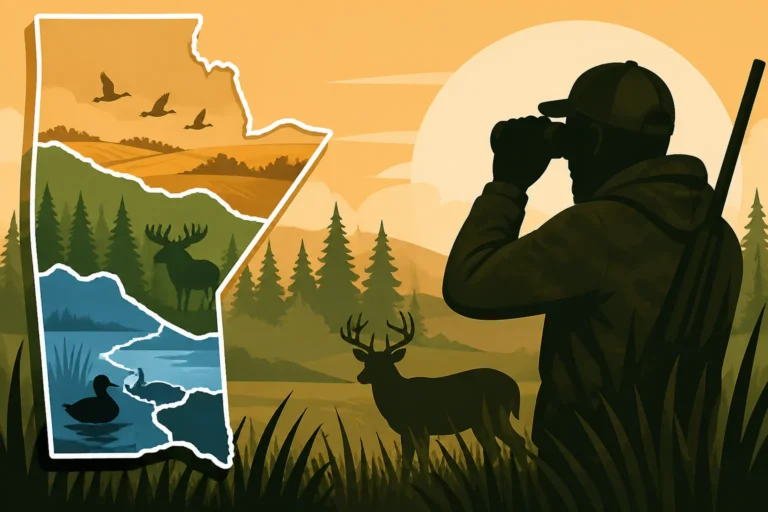
Unlike a private quarter section owned by a single farmer, these pastures can encompass thousands of acres, featuring a mosaic of grasslands, scattered bluffs of aspen and willow, sloughs, and creek bottoms. This diverse habitat, combined with less human pressure than some other Crown lands, can make them incredibly attractive to whitetails, elk (in certain areas), coyotes, and a variety of upland birds and waterfowl. They function as large, interconnected ecosystems, rather than isolated fields. It's easy to overlook them on a general map, but tools like Scouting With Satellite Imagery in Manitoba can reveal the hidden pockets of cover.
Who Manages These Lands and How Does it Affect Access?
This is where things can get a little murky and where many hunters get stumped. While the underlying land might be Crown land, the day-to-day management, including who has ultimate say on access, often falls to the municipality or a local grazing association. This means the rules aren't always as straightforward as "it's Crown land, so it's open." You absolutely cannot just assume open access.
The local grazing association or municipal office is your first point of contact. They are the ones who lease the land for grazing, maintain fences, manage water sources, and often set specific rules regarding human activity, including hunting. Their primary concern is the welfare of the livestock and the integrity of the grazing operation. Because of this, you might find restrictions on vehicle access, stand placement, or even specific hunting dates to avoid conflict with cattle roundups or sensitive calving periods. Always remember that while hunting is a privilege, grazing is their livelihood, so respecting their operations is paramount. Sometimes, the best way to gain favour is to offer to close gates or report fence damage you might see while out scouting. This kind of courtesy goes a long way.
| Feature | Private Farmland | Municipal Pasture (Crown Land Lease) | Wildlife Management Area (WMA) |
|---|---|---|---|
| Ownership | Private | Provincial Crown Land | Provincial Crown Land |
| Primary Use | Agriculture | Livestock Grazing | Wildlife Conservation/Habitat |
| Public Access | Permission REQUIRED | Often Permitted (check rules) | Generally Open |
| Livestock Present | Often | Almost Always | Rarely |
| Management Body | Individual Farmer | Municipality/Grazing Assoc. | Manitoba Conservation & Climate |
| Specific Rules | Owner's discretion | Varies, check with manager | Specific WMA regulations |
| Permit/Permission | Yes, from landowner | Often required from manager | No, but follow WMA rules |
| Typical Terrain | Cultivated fields, bush | Grassland, bush, sloughs, draws | Varied: marsh, forest, prairie |
Scouting and Strategy for Hunting Municipal Pastures
Once you understand the basics of municipal pastures, the real work begins: scouting and strategizing your hunt. These areas often present unique challenges and opportunities that differ from typical bush or farmland hunting.
Identifying Potential Hunting Spots on a Map
Before you even think about putting boots on the ground, hit the maps. Digital mapping tools have revolutionized this step. Services like onX Hunt are incredibly valuable because they allow you to layer public and private land boundaries, topographical maps, and satellite imagery. You can visually identify municipal pastures and, more importantly, see the intricate details of the landscape within them. Look for features that attract and hold game: bluffs of trees, especially aspen and willow, that provide bedding cover; low-lying sloughs and creek bottoms that offer water and denser thermal cover; and natural draws or transitions between different vegetation types. These are all prime locations for Reading Whitetail Sign in Manitoba Aspen or understanding where birds might hold.
Don't just look for "green" areas. Zoom in. Look for the lines of deeper green indicating thicker tree lines or bush, even if it's surrounded by vast open grassland. Pay attention to how these features connect to adjacent private land or other Crown land. Deer, in particular, will use these pastures for feeding and bedding but might travel to adjacent properties for different resources. Hunting a Bluff Between Two Fields is a classic strategy that applies perfectly here. Consider using a tool like GoHunt to visualize terrain and potential game movement, especially when looking at the broader landscape of a GHA. Identifying these potential corridors and choke points before you go out is crucial, saving you precious time in the field.
Game Species to Target and Tactics to Employ
Municipal pastures, with their blend of open grass and pockets of cover, are fantastic for several species:
- White-tailed Deer: Bucks love the security of dense bluffs and willow thickets within these large tracts. They can hide out, feed on browse, and feel safe from immediate human intrusion. The edges where the bush meets the open grassland are classic ambush points, especially at dawn and dusk. During the rut, these areas can be incredible, as bucks will cruise the edges of cover looking for does. Consider Rattling and Calling Parkland Whitetails in these environments, as sound can carry well across the open areas, drawing curious bucks out of hiding. Stalking is also a viable tactic, using the folds in the terrain or scattered clumps of bush for concealment.
- Coyotes: Where there are deer, there are often coyotes. The open nature of many pastures makes them ideal for calling coyotes. They can spot your setup from a distance, but they also have plenty of open ground to approach from, giving you good shot opportunities. Look for recent sign – tracks, scat, kill sites – especially around the edges of cover where they might ambush deer or small game. Calling sequences that mimic a distressed rabbit or fawn can be highly effective. Calling Coyotes at First Light can be particularly productive as they move from their night hunting grounds to daytime bedding areas.
- Upland Birds: Sharp-tailed grouse and Hungarian partridge thrive in these mixed-grass and transitional habitats. Sharp-tails often use the taller grasses and scattered brush for cover, especially during the colder months. Huns, on the other hand, might stick closer to the edges of the pasture where it meets cultivated fields or shelterbelts. Walking up these birds with a good flushing dog can be a truly rewarding experience. Focus your efforts on the edges of bluffs, along fence lines, or in areas with slightly denser vegetation.
- Waterfowl: Many pastures contain sloughs, potholes, and dugouts that can attract migrating ducks and geese. While they might not be traditional waterfowl hunting hotspots, a quick scout can reveal active birds, especially if adjacent fields are holding grain. Jump-shooting smaller potholes or setting up a minimal spread of decoys on a larger slough can yield surprising results. Hunting a Dugout in Dry Country can be effective, as these water sources become magnets in drier conditions.
Navigating Livestock and Infrastructure
Hunting a municipal pasture means you will almost certainly encounter cattle. This is not a reason to shy away, but it requires common sense and respect.
- Cattle Safety: Always be aware of where livestock are. Never shoot towards them, and ensure your shot opportunity is clear of any animals. They are valuable assets to the ranchers. Moving quietly and slowly will generally result in the cattle ignoring you, but always maintain a safe distance, especially from cows with calves who can be protective.
- Fences and Gates: Respect all fences and gates. If a gate is closed, leave it closed. If it's open, leave it open. Do not cut fences or damage property to gain access. Walk around, or use designated access points. You might have to walk a bit further, but preserving access for all hunters means respecting the land and its existing infrastructure. This can sometimes mean navigating a Hunting a Fence Line Between Quarters.
- Water Sources and Facilities: Avoid disturbing cattle around water troughs, dugouts, or feeding areas. These are critical resources for the livestock. Plan your approach and hunting routes to minimize disruption.
Gaining Permission and Respecting the Rules
Even if the land is technically Crown land, hunting a municipal pasture often requires more than just checking a GHA map. There's a vital step of communication and adherence to specific local rules that often gets overlooked.
The Importance of Contacting the Land Manager
This is the non-negotiable step. Before you even pack your hunting gear, you must contact the managing authority for that specific municipal pasture. This could be the local Rural Municipality (RM) office, the regional Manitoba Conservation office, or a local grazing association. A quick phone call or email can save you a lot of grief. Explain your intentions clearly: which species you plan to hunt, what dates you're considering, and confirm that hunting is allowed.
The manager can provide invaluable information: current cattle locations, any specific access roads or parking areas, gates that need to be left open or closed, and any seasonal restrictions (e.g., no hunting during calving season, or specific days for cattle roundups). They might even point you towards areas that offer good hunting and are less used by livestock. Showing this initiative and respect goes a long way. They are the local experts, and building a good relationship can be beneficial for future hunts. Don't assume anything; confirm everything. Remember, Manitoba Landowner Permission Law extends beyond just private farmyards.
Rules and Regulations Specific to Municipal Pastures
Beyond the general Manitoba hunting regulations, municipal pastures can have their own set of rules. These can include:
- Vehicle Access: Often, vehicle access might be restricted to certain trails or fireguards, or even prohibited entirely, requiring you to walk or use an ATV/side-by-side on specific routes. Always clarify this. Quad and Side-by-Side Rules on Crown Land vary, and can be further restricted by local managers.
- Stand Placement: Some managers might have rules regarding temporary or permanent stands, especially if they involve cutting branches or driving nails. Always ask first.
- No Discharging Firearms Near Livestock: This should be common sense, but it might be an explicit rule. Ensure you have a clear backdrop and are shooting away from any animals.
- Reporting Concerns: Managers often appreciate hunters reporting anything out of the ordinary, such as damaged fences, sick livestock, or suspicious activity. Being an extra set of eyes and ears builds goodwill.
- Specific Closing Dates: Some pastures might close entirely for hunting during certain periods to facilitate agricultural operations or ensure hunter safety during times of heavy livestock movement.
Always carry a copy of any permission you receive, whether it's an email or a written note, along with your regular hunting licence and tags. Being prepared and showing you've done your homework reflects well on all hunters. These areas represent a fantastic opportunity for hunters willing to put in the effort to understand and respect the system. They offer a unique blend of open country and dense cover, providing exciting challenges and rewarding experiences for those who seek them out. Many seasoned hunters will tell you that Finding Ground Other Hunters Drive Past is often the key to success.
Disclaimer
This article is for general informational purposes only and does not constitute professional advice. Laws, prices and regulations vary by location and change over time. Consult a qualified professional for guidance on your specific situation.