Non-Resident Access to Manitoba Crown Land
For many hunters dreaming of Manitoba, the allure of vast, unspoiled Crown land is incredibly strong. You hear tales of big bucks and abundant waterfowl, and you start envisioning yourself out there, deep in the wilderness. But if you’re coming from outside the province, especially from another country, the rules around accessing that public land can feel like a confusing maze. This guide is here to untangle those regulations, specifically focusing on what non-resident hunters need to know to legally and successfully hunt on Manitoba's Crown land.
Understanding "Crown Land" in Manitoba from a Non-Resident Perspective
Let's start with the basics, because what "public land" means can vary wildly depending on where you're from. In Manitoba, Crown land refers to land owned and managed by the provincial government, held "by the Crown" for the benefit of all citizens. It’s a huge amount of territory, ranging from vast boreal forests and tundra in the north to extensive marshlands, aspen parkland bluffs, and even scattered parcels within agricultural areas further south. The sheer scale and diversity of this land are part of what makes Manitoba such a prime hunting destination.
What is Crown Land, Really?
Think of Crown land as your provincial backyard – it's public domain. However, just like your backyard might have specific rules about what you can do (or what your neighbor can do), Crown land comes with its own set of guidelines. It's not a free-for-all. This land is managed for multiple uses: forestry, mining, recreation, and, of course, wildlife and hunting. For us hunters, it means access is generally granted for lawful activities, provided you understand and adhere to the regulations.
The important thing to remember is that while it's public, it's not unregulated. You can't just drive anywhere or set up a permanent camp. There are rules around vehicle use, camping, and what kind of activities are permitted. The goal of these rules is to balance conservation with public use, ensuring that these resources are available for future generations while still allowing current users to enjoy them responsibly. For non-residents, these general rules are then overlaid with specific additional requirements that make the planning even more critical.
The Key Distinction: Resident vs. Non-Resident Rules
Here’s where a lot of the confusion and, let's be honest, frustration can creep in for hunters visiting Manitoba. Unlike some jurisdictions where "public land is public land" for everyone, Manitoba has a clear distinction in its hunting regulations between residents and non-residents, particularly when it comes to big game and hunting on Crown land. This isn't meant to be an exclusive barrier, but rather a reflection of conservation priorities, managing hunting pressure, and ensuring local opportunities.
It's easy to feel a bit put out if you're an experienced hunter from, say, Minnesota or Saskatchewan, and suddenly find yourself facing different rules just by crossing a provincial or international border. Many hunters accustomed to open access on public lands back home are surprised by Manitoba’s approach. These rules are in place for various reasons, from population management to supporting the local outfitting industry which provides economic benefits and helps manage harvest numbers. So, while it might seem like an extra hurdle, understanding this distinction is your first step to a successful hunt.
The Role of a Licensed Guide for Non-Residents on Crown Land
This is arguably the most significant difference and the one that trips up the most non-resident hunters: the requirement to use a licensed guide for certain species, even when hunting on Manitoba’s vast Crown land. It’s a critical piece of information that can make or break your hunting plans.
When a Guide is Absolutely Required
If you're a non-resident of Canada – meaning you're coming from the United States or any other country outside of Canada – and your sights are set on big game like moose, elk, caribou, or black bear, you must arrange your hunt through a licensed Manitoba outfitter and use their services. This is not optional. You cannot simply purchase a tag, consult a map, and head out onto Crown land to pursue these animals on your own. The province has clear laws outlining Rules for Non-Residents Hunting Manitoba and Which Species Need a Manitoba Guide.
This requirement serves several purposes. Firstly, it helps manage non-resident harvest numbers and ensures that these hunts are conducted safely and ethically. Outfitters are knowledgeable about local regulations, game movements, and effective hunting strategies, which can greatly enhance your chances of success and safety, especially in remote areas. Secondly, it provides an economic benefit to rural communities through the outfitting industry. It's an investment, for sure, but it also means you're tapping into a wealth of local expertise and often, prime hunting areas.
Exceptions and Self-Guided Opportunities
Now, let's talk about the silver lining and where non-residents do have more flexibility for self-guided hunts on Crown land. If you are a non-resident, but you hail from another Canadian province, the rules are different. You generally have the privilege of hunting most species, including whitetail deer, on Crown land without a guide. This is a crucial distinction that often surprises American hunters. Why Canadian Non-Residents Can Hunt Alone explains more about this specific provincial reciprocity. So, if you're a hunter from Ontario, Alberta, or any other Canadian province, you can plan a DIY whitetail hunt on Manitoba Crown land just like a Manitoba resident (after purchasing the appropriate Manitoba Hunting Licences and What They Cost, of course).
For all non-residents (both international and Canadian), the world of waterfowl and upland bird hunting offers significant self-guided opportunities on Crown land. You don't need an outfitter to chase geese, ducks, or grouse. Manitoba is legendary for its migratory bird hunting, and many hunters come here specifically for self-guided adventures in the stubble fields, marshes, and bush country. This allows for a much more accessible and often more budget-friendly experience for non-residents looking to experience Manitoba's diverse hunting landscape without the guided big game requirement.
Navigating and Identifying Crown Land for Non-Residents
Okay, so you understand the guide requirements, or you're planning a self-guided bird hunt. Your next crucial step is knowing exactly where you are. Identifying Crown land boundaries, especially when it's interspersed with private property, is absolutely vital to stay legal and avoid trespassing.
The Importance of Accurate Mapping
Gone are the days when a paper map and a compass were your only tools (though they're still excellent backups!). Today, modern technology has revolutionized how hunters navigate and identify land ownership. For a non-resident hunter, accurate digital mapping is not just a convenience; it's a necessity. You need to know with certainty whether the ground under your feet (or your next step) is Crown land, private property, or perhaps a Wildlife Management Area with its own specific rules.
This is where apps like onX Hunt and GoHunt become invaluable. These powerful tools provide detailed land ownership layers right on your smartphone or GPS device. You can see Crown land boundaries, private property lines (often with landowner names), and even specific Game Hunting Area (GHA) boundaries. For a non-resident, being able to overlay Reading Manitoba Crown Land Layers on onX with topographic and satellite imagery gives you an unprecedented level of situational awareness. It helps you identify access points, scout remotely, and ensures you're hunting legally. Don't leave home without solid mapping software!
Understanding Manitoba's Game Hunting Areas (GHAs)
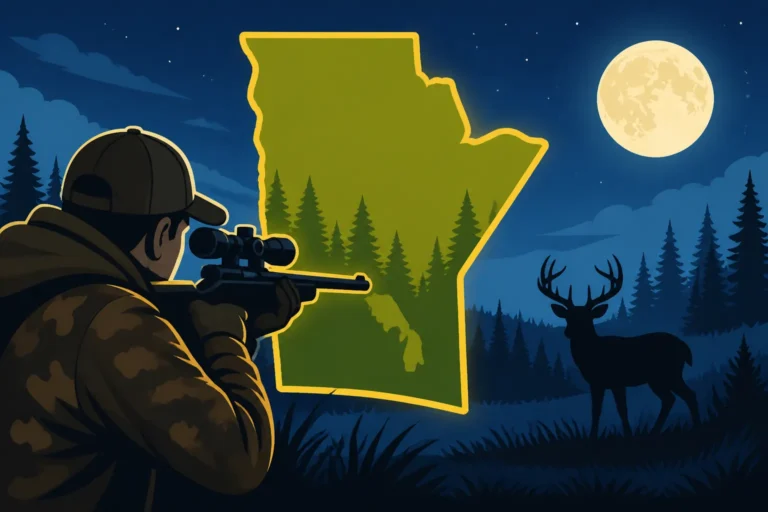
Manitoba is divided into numerous Game Hunting Areas, or GHAs, each designated by a number (e.g., GHA 20A, GHA 29). These GHAs are fundamental to understanding Manitoba's hunting regulations because seasons, bag limits, and even species availability can vary significantly from one GHA to another. For a non-resident, it's imperative to understand that your hunting license and any specific tags you draw or purchase will be valid for certain GHAs during specific seasons. You can't just pick any GHA; you need to align your hunt with your license.
Many GHAs, especially in the central and southern agricultural belt, are a mosaic of Crown land and private property. This means you might be hunting in GHA 31, and while parts of it are Crown land, significant portions are private fields and bush. This makes the precise land ownership mapping discussed above even more critical. You might identify a promising piece of Crown land within your chosen GHA, but you'll still need to ensure you can legally access it and that you comply with all species-specific rules for that particular GHA. Check out Manitoba's Game Hunting Areas for a deeper dive into how these zones work, and remember to cross-reference this with your land ownership maps when planning your hunt and Finding Manitoba Public Land Boundaries.
Practical Considerations for Non-Resident Crown Land Hunting
Even with your guide booked (if required) or your self-guided bird hunt planned, there are still practical realities of hunting Manitoba's Crown land that you need to be aware of. The vastness and wildness are part of the appeal, but they also demand preparation.
Access and Permitted Activities
Accessing Crown land isn't always as simple as pulling off a paved highway. Many prime hunting areas are located deep in the bush, accessible only by gravel roads, ATV trails, or even by boat or float plane. You need to research the specific access points for your chosen hunting area. Vehicle Rules on Manitoba Crown Land dictate where you can and cannot drive, and often, ATVs or side-by-sides are essential for getting into remote spots, particularly if you're venturing off maintained municipal roads. Be prepared for potentially challenging road conditions, especially during wet weather or after a significant snowfall when Manitoba Road and Winter Access can become impassable. Always tell someone where you're going and when you expect to return.
For those planning multi-day hunts, Camping on Manitoba Crown Land is generally permitted, but there are guidelines to follow. You can't set up permanent structures, and you must adhere to "leave no trace" principles, packing out everything you pack in. Be mindful of fire bans, especially in dry autumns, and always practice safe fire management. In some northern regions, access might even be limited by Manitoba Wildfire and Road Closures that can pop up quickly, so checking local conditions before heading out is crucial.
Respecting the Land and Local Regulations
Whether you're guided or self-guided, showing respect for the land, wildlife, and other users is paramount. Manitoba's wilderness is a precious resource, and we all have a role in preserving it. This includes responsible waste disposal, avoiding damage to natural habitats, and being considerate of other hunters, trappers, and recreationalists you might encounter.
It's also crucial to stay current with all regulations. Hunting regulations can change annually, and it's your responsibility as the hunter to know and follow them. This includes rules around Manitoba's CWD Sampling Requirements if you're hunting deer or elk in specific areas, ensuring you're carrying your license and tags at all times (Carrying Your Licence in the Field), and understanding specific shooting hour restrictions.
To help clarify the guide requirements for non-residents on different species when hunting Manitoba Crown land, here's a quick overview:
| Species | Non-Resident (International) Guide Requirement | Non-Resident (Canadian) Guide Requirement | Typical Crown Land Access |
|---|---|---|---|
| White-tailed Deer | Generally Required (Outfitter) | Not Required (Self-guided) | Parkland, Bush, Farmland Fringes |
| Moose | Required (Outfitter) | Generally Required (Outfitter) | Boreal Forest, Northern Bush |
| Elk | Required (Outfitter) | Required (Outfitter) | Parkland, Forest Fringe |
| Black Bear | Required (Outfitter) | Required (Outfitter) | Boreal Forest, Bush Country |
| Barren-Ground Caribou | Required (Outfitter) | Required (Outfitter) | Northern Tundra |
| Waterfowl (Ducks, Geese) | Not Required (Self-guided) | Not Required (Self-guided) | Marshes, Grain Fields, River Systems |
| Upland Birds (Grouse, Partridge) | Not Required (Self-guided) | Not Required (Self-guided) | Bush Trails, Grasslands, Farmland Edges |
| Coyotes / Wolves | Not Required (Self-guided, specific regulations apply) | Not Required (Self-guided, specific regulations apply) | Across most habitats |
Note: "Generally Required" for Canadian Non-Residents on big game means while an outfitter is not legally mandated for whitetails, many still choose to use one for logistics and expertise. Moose, Elk, and Caribou usually require a draw tag regardless of residency, and for non-Canadians, these must be obtained through an outfitter.
While navigating Manitoba's Crown land as a non-resident does present its own unique set of challenges and requirements, it certainly isn't an impossible feat. The key to a successful and legal hunt lies in thorough preparation, understanding the distinct rules that apply to non-residents, and utilizing the resources available to you. Whether you're booking a guided big game adventure or planning a self-guided bird hunt, the vast wilderness and abundant game Manitoba offers are well worth the effort. Do your homework, respect the land, and get ready for an unforgettable experience.
Disclaimer
This article is for general informational purposes only and does not constitute professional advice. Laws, prices and regulations vary by location and change over time. Consult a qualified professional for guidance on your specific situation.