Which Manitoba GHA Is Easiest to Draw
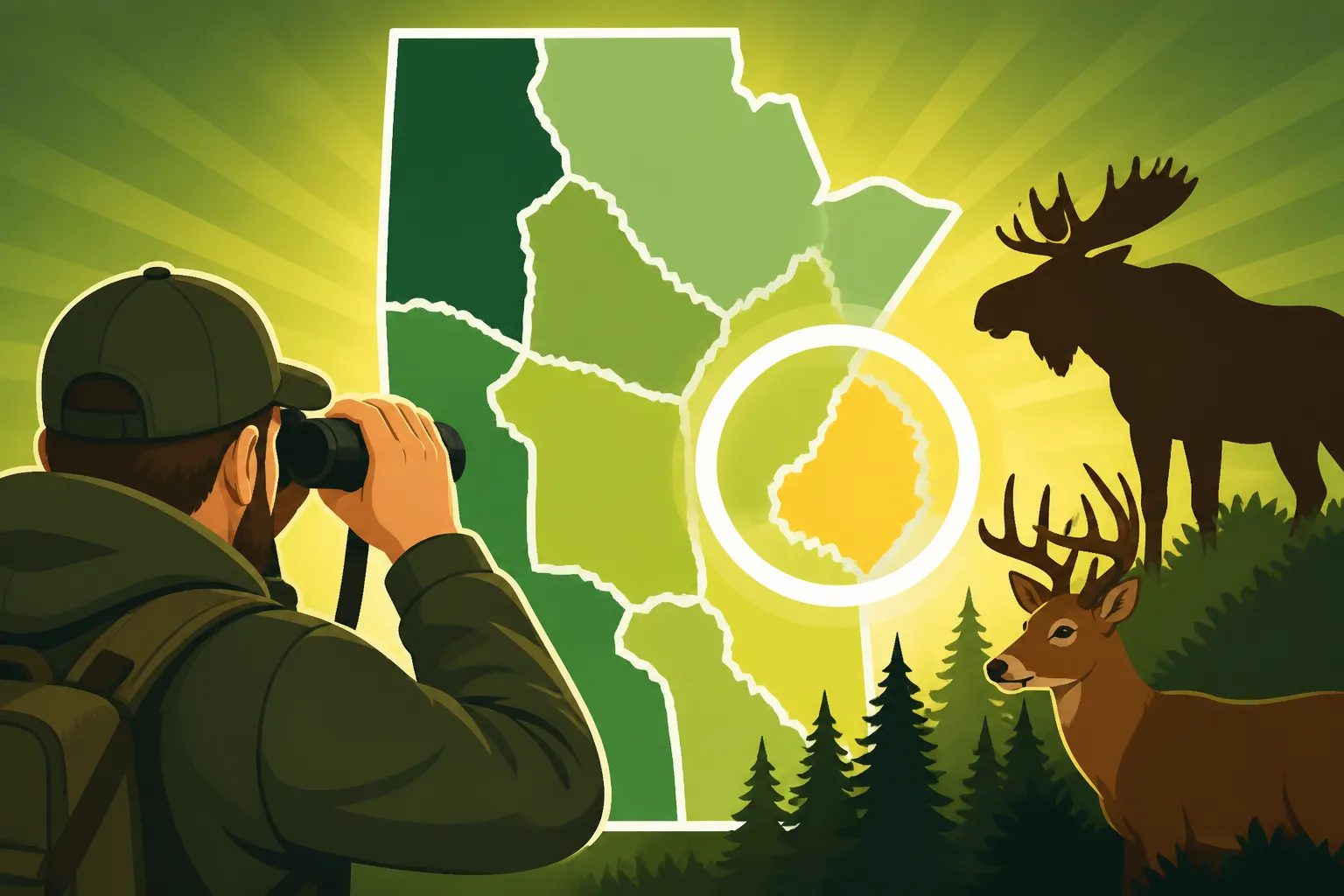
It's a tough pill to swallow when you've got your heart set on a specific Game Hunting Area (GHA) in Manitoba, only to find the big game draw odds are stacked heavily against you. Many hunters dream of those prime, trophy-rich zones, but the reality is, everyone else does too! This guide is all about helping you navigate the big game draw system in Manitoba, focusing on understanding which GHAs might offer a more realistic chance of drawing a tag, without having to wait a lifetime.
Understanding Manitoba's Big Game Draws
Manitoba's big game draw system can feel like a bit of a mystery, especially if you're new to it or have been consistently unlucky. It's designed to manage harvest pressure on certain species and in specific areas, ensuring sustainable populations for years to come. While some species, like most whitetail deer and black bears, can often be hunted with an over-the-counter tag or a general season license in many GHAs, others like moose and elk are almost exclusively managed through a draw. This means that when we talk about "easiest to draw," we're primarily looking at those coveted moose and elk tags.
Species Under the Draw System
The core of the draw system in Manitoba revolves around moose and elk. These magnificent animals require careful management due to their lower population densities in some areas, specific habitat needs, and the high demand from hunters. If you're hoping to chase a bull moose or a big elk, you'll almost certainly be throwing your hat into the draw ring.
For white-tailed deer, the situation is a bit different. While some GHAs might have specific antlerless draws or special opportunities that require an application, many deer seasons operate on a general license basis. You buy your tag, you pick your GHA (within the season dates and rules, of course), and you go hunting. This flexibility is fantastic for deer hunters but doesn't really apply to the "easiest to draw GHA" question in the same way. Similarly, black bears often have very generous tag availability, with spring and fall seasons in many areas, and usually don't involve a provincial draw. So, our focus here is squarely on moose and elk, where competition can be fierce.
The Basics of How the Draw Works
The Manitoba big game draw operates on an annual cycle, with specific application periods, deadlines, and result announcements. When you apply, you're usually indicating your preferred GHA and species, and sometimes your second or third choices. The system then allocates tags based on a combination of factors, which can include a random lottery and, in some cases, a preference point or loyalty system for those who've been unsuccessful in previous years. It's a system designed to give everyone a fair shot over time, but it also means that highly sought-after GHAs can see thousands of applicants for a handful of tags.
Understanding the mechanics of the draw is the first step to strategizing. Do they draw by individual application or by party application? Are there separate draws for residents and non-residents? All these details can influence your chances. For a comprehensive overview of how to apply and the general process, you'll want to review the official guide on Manitoba's Big Game Draws. Being prepared means knowing when to apply, what information is needed, and how your choices might impact your odds. Missing a deadline or making a mistake on your application can cost you a year's chance, which is incredibly frustrating.
Factors Influencing Draw Odds
When it comes to the big game draw, there's no crystal ball, but there are definitely patterns and factors that strongly influence your chances. It's not just about luck; it's about understanding the underlying dynamics of game populations, hunter pressure, and access.
Population Density and Herd Health
Logically, a GHA with a higher, healthier population of a target species like moose or elk will generally have more tags allocated to it. More animals mean more sustainable harvest opportunities. Conversely, areas that have experienced declines due to disease, habitat loss, or harsh winters will often see reduced tag numbers or even temporary closures to allow herds to recover. For instance, the discussion around Manitoba's Moose Population Trend directly impacts which GHAs might have fewer moose tags available, or even be closed for conservation, like some areas have been for moose in the past.
Hunters often overlook GHAs with lower "trophy potential" but robust populations of smaller or younger animals. While everyone dreams of a record-book bull, a GHA that offers a higher chance of drawing any legal animal might be a better bet for getting a tag in hand sooner. This balance between high population and low trophy pressure can be key to finding an easier draw. It's about shifting your mindset from hunting for a world-class rack to simply enjoying the pursuit and the challenge of a hunt.
Accessibility and Hunter Pressure
This is perhaps one of the most significant, yet often overlooked, factors in draw odds. GHAs that are easily accessible by vehicle, particularly those close to major population centers, tend to attract far more applicants. Think about areas with a dense network of gravel roads or proximity to larger towns. Conversely, GHAs that require significant effort to access – deep bush, fly-in only areas, or zones known for challenging terrain – often see fewer applications, simply because fewer hunters are willing or able to put in that kind of effort.
Consider the northern regions of Manitoba. While they can hold fantastic game, getting there often involves extensive travel, sometimes even a float plane charter, as highlighted in Manitoba's Northern Fly-In Access. The logistical challenges and added costs inherently filter out a large percentage of potential applicants, leaving better odds for those who are prepared for such an adventure. Similarly, GHAs that are very large and mostly roadless, requiring a lot of foot travel, quadding, or even snowmobiling in winter, might also deter many hunters, improving your draw odds. You can use mapping tools like onX Hunt to really scout out the road networks and terrain features of different GHAs before you even apply, giving you a clear picture of what you're getting into. This kind of detailed scouting from your computer can reveal hidden gems.
Historical Success Rates and Popularity
It's human nature to want to hunt where the biggest animals are, or where success rates are historically high. This leads to certain GHAs becoming "trophy hot spots" and consequently, incredibly difficult to draw. Everyone talks about the GHA where their buddy shot a monster bull last year, and suddenly, that zone becomes a prime target for hundreds more applicants.
Websites and hunting forums often discuss which GHAs are the most popular for Manitoba Moose Draw Odds by GHA and Manitoba Elk Draw Odds by GHA. While it’s tempting to apply for these high-profile zones, remember that the increased competition significantly reduces your chances. Looking at GHAs with more modest success rates, or those less talked about, can be a strategic move. These might still offer excellent hunting, but without the intense pressure of the "glamour" zones. Sometimes, the best GHA is the one where you can actually get a tag, rather than the one with the biggest pictures on social media. Tools like GoHunt often provide compiled draw data and success statistics, which can be invaluable in identifying these less competitive areas.
Identifying GHAs with Better Chances
Finding those "easier to draw" GHAs requires a bit of detective work and a willingness to think outside the box. It’s about leveraging the factors we just discussed to your advantage.
Less Popular GHAs or Specific Seasons
One of the simplest strategies is to look for GHAs that aren't typically on every hunter's radar. These might be zones that are geographically less convenient, have a reputation for being "tough hunting" (meaning more work, not necessarily fewer animals), or those with slightly lower trophy expectations. For example, some GHAs might have robust moose populations but are predominantly deep bush, requiring hunters to work harder to locate and retrieve animals. While this might deter some, for a determined hunter, it could mean a better chance at a tag.
Another angle is to consider specific seasons or weapon types. Often, archery or muzzleloader seasons might have fewer applicants than the general rifle season, simply because they require different skill sets or have more limited windows. If you're proficient with a bow or muzzleloader, exploring these specialized seasons in various GHAs could significantly improve your draw odds, especially for species like elk. Sometimes, specific antlerless draws, where available, can also be easier to secure than coveted bull tags, offering a foot in the door for a meat hunt.
Under-the-Radar Zones and New Opportunities
Sometimes, the province might open new GHAs or adjust boundaries, creating opportunities that haven't yet become popular. Keeping an eye on annual regulation changes and official publications is crucial. These newly opened or modified zones haven't developed a reputation yet, and initial draw odds might be more favorable before everyone catches on.
Furthermore, consider areas that might not be traditional "honey holes" but still hold good numbers of game. This could be GHAs with mixed habitat, perhaps more agricultural fringe than pure boreal forest, where animals might be present but harder to pattern or access without permission from landowners. For example, hunting moose around certain types of water features, as discussed in Hunting Moose Around Manitoba Beaver Ponds, can be incredibly productive, but might be overlooked by hunters focusing solely on larger timber blocks. This kind of detailed habitat analysis, again using resources like onX Hunt, can help you pinpoint areas that others might drive right past.
Focusing on Second-Tier Species (if applicable)
While the draw is mostly for moose and elk, it's worth noting that if your primary goal is simply to hunt big game in Manitoba and a draw tag isn't working out, there are more accessible options. For white-tailed deer, many GHAs offer over-the-counter tags, and in some zones, you can even apply for Where a Second Deer Licence Is Available, offering additional hunting opportunities. These aren't draw tags in the same sense, but they illustrate that flexibility in your target species can mean more time in the field, even if you don't land that moose tag right away.
Remember, the "easiest to draw" often means "least popular" or "most challenging to hunt," not necessarily "fewest animals." It's about aligning your hunting goals with the reality of the draw system and being willing to adapt.
Strategies for Improving Your Odds
Beyond just picking a GHA, there are proactive steps you can take to make the most of the draw system and increase your chances of getting a tag.
Researching and Applying Smart
The single most important thing you can do is diligent research. Don't just blindly apply for the same GHA year after year if it's always highly competitive. Spend time reviewing past draw statistics, GHA harvest reports, and population surveys. The provincial government provides a wealth of data that, while sometimes dense, can offer crucial insights. Look for trends: has a GHA's population been recovering? Has a recent conservation closure shifted hunter pressure to adjacent zones?
Utilize advanced mapping tools like onX Hunt to visualize GHA boundaries, terrain, access points, and potential habitat features. This can help you understand why certain GHAs are popular or unpopular. Combining this with data from services like GoHunt, which often analyze and present draw odds and historical success rates in a more digestible format, can give you a significant edge. Don't underestimate the power of knowing the rules inside and out, including specific season dates by zone, as covered in Manitoba Whitetail Season Dates by GHA.
Party Applications and Point Systems
Manitoba's draw system does allow for party applications for some species, which can be an interesting strategy. When applying as a party, typically all members either succeed or fail together. This can be beneficial if you're hunting with a group and want to ensure everyone gets a tag for the same GHA. However, it also means your party's draw odds are essentially tied to the person with the lowest preference or point status, if such a system is in place. It's crucial to understand how Applying as a Party in Manitoba's Draw impacts your collective chances.
If Manitoba implements a true preference point or loyalty system for its draws (where unsuccessful applicants gain an advantage in subsequent years), then consistent application, even for highly competitive GHAs, is vital. Accumulating points might mean several years of disappointment, but it can eventually pay off with a higher chance at a prime tag. Always check the current regulations to understand if and how such systems are in play.
Being Flexible and Persistent
The reality of big game draws is that it often takes patience and persistence. You might not draw your dream tag in your dream GHA on your first, fifth, or even tenth try. However, by being flexible with your GHA choices, considering less-pressured areas, and even being open to different species or weapon types, you significantly increase your overall chances of hunting big game in Manitoba.
Sometimes, the "easiest to draw" isn't about the numbers, but about your willingness to put in the effort that other hunters aren't. It might mean scouting an area thoroughly with tools like Scouting With Satellite Imagery in Manitoba, or physically putting boots on the ground in less popular zones. It might mean accepting that your first drawn tag isn't for a Boone & Crockett contender, but for a solid animal that fills your freezer and provides an incredible hunting experience. The ultimate goal is to get out there and enjoy Manitoba's incredible hunting opportunities, and sometimes, that means taking the path less traveled in the draw system.
| Factor | Impact on Draw Difficulty (Moose/Elk) | Strategy for "Easiest to Draw" |
|---|---|---|
| Population Health | High population = More tags | Target GHAs with stable/growing populations, even if trophy potential is moderate. |
| Accessibility | Easy access = More applicants | Prioritize remote GHAs or those requiring significant effort/cost (e.g., fly-in, deep bush). |
| Historical Popularity | High popularity = Fewer tags | Avoid well-known "trophy" GHAs; research less-talked-about zones. |
| Trophy Potential | High trophy potential = More applicants | Focus on GHAs where the goal is a legal animal, rather than a record-breaker. |
| Season Type | Rifle season = More applicants | Consider archery or muzzleloader seasons if proficient, as they often have fewer applicants. |
| Previous Draw Success | High success rate = More applicants | Look for GHAs with lower reported hunter success, as these often have better draw odds. |
Disclaimer
This article is for general informational purposes only and does not constitute professional advice. Laws, prices and regulations vary by location and change over time. Consult a qualified professional for guidance on your specific situation.