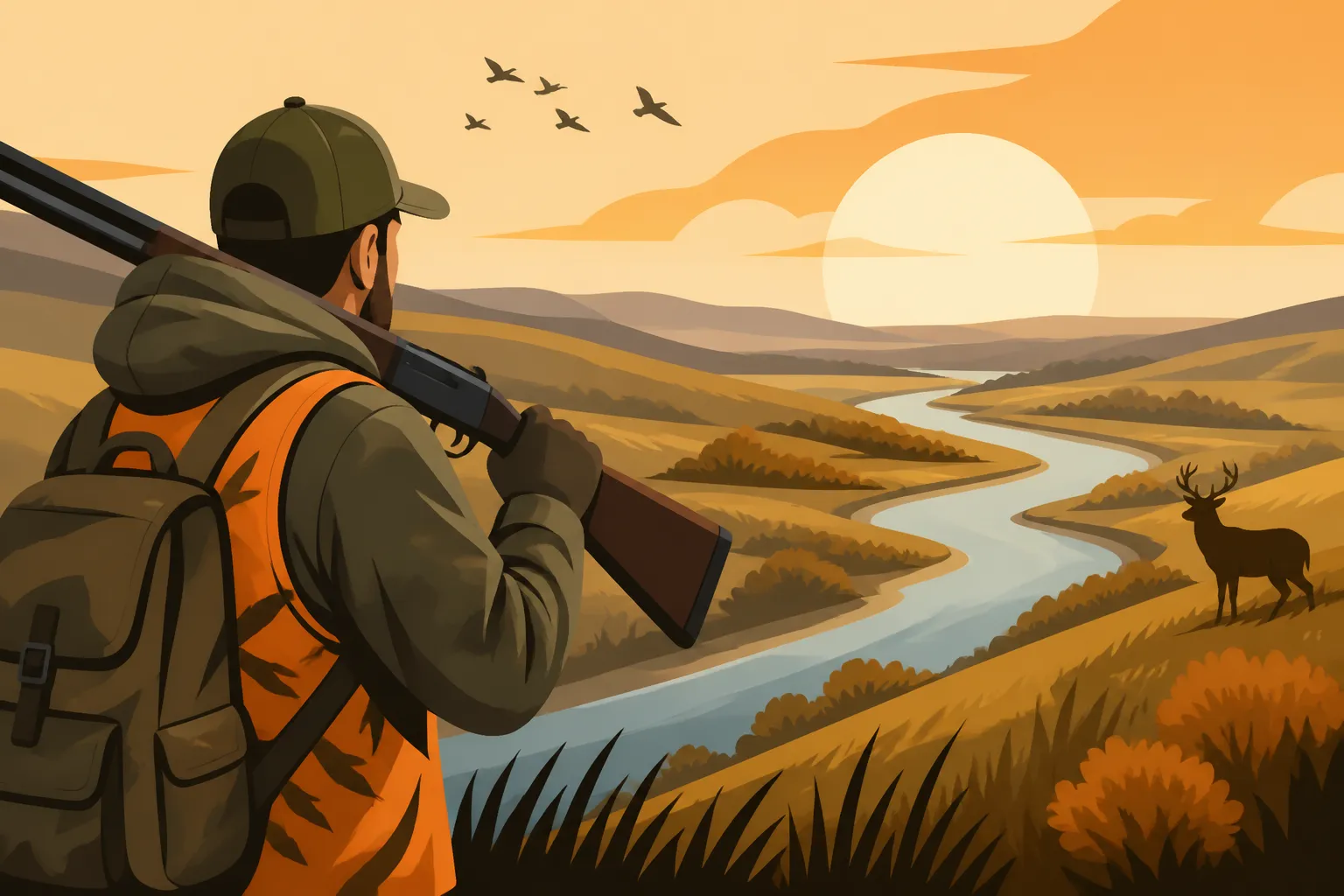
Hunting the Souris River Valley
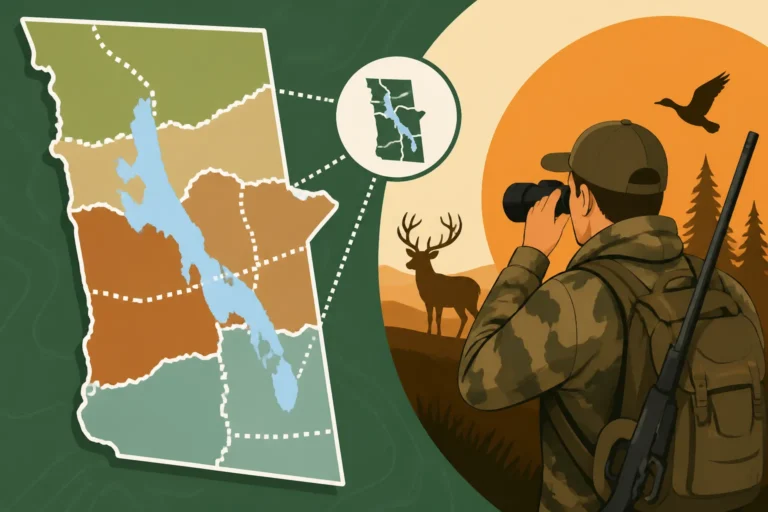
Hunting in the Souris River Valley can feel like cracking a secret code for many folks, often overlooked in favour of Manitoba's more famous hunting destinations. It’s easy to dismiss river valleys as merely corridors, but this particular stretch of land, winding its way through southwestern Manitoba, holds a unique allure and offers fantastic opportunities for those willing to learn its rhythms. This comprehensive guide aims to peel back the layers of this beautiful region, helping you unlock its potential for a rewarding hunting experience.
Unveiling the Souris River Valley's Hunting Potential
The Souris River Valley is a special place, carving a distinct landscape through the otherwise rolling prairies of southwestern Manitoba. It’s not your typical boreal forest or vast marshland; instead, it offers a fascinating mosaic of habitats that attract and hold game, often providing a different kind of challenge and reward compared to other parts of the province. Many hunters drive right past it, focused on larger tracts of bush or traditional waterfowl hotspots, but they’re missing out on a truly productive and often less-pressured area.
Geographic Charm and Habitat Diversity
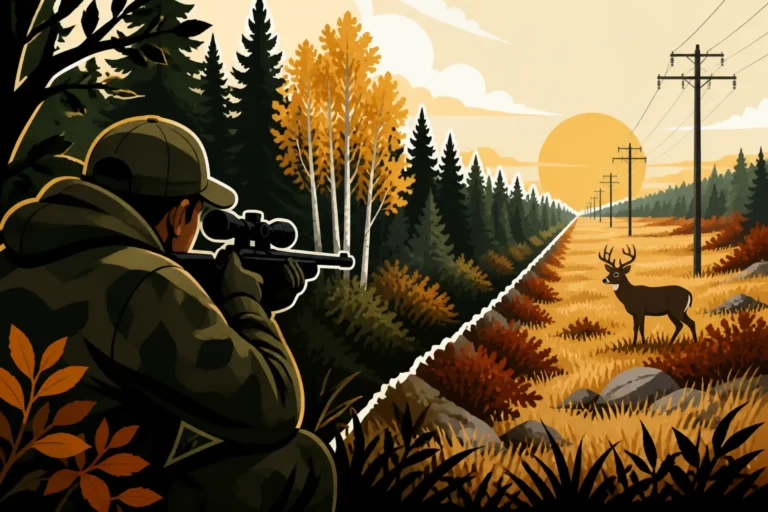
Picture this: a meandering river, lined with mature timber — cottonwoods, ash, and dense willow thickets – creating a ribbon of cover that stands in stark contrast to the open agricultural fields above. These "river breaks" or "coulees" are natural magnets for wildlife, offering everything from bedding areas and thermal cover to crucial food sources. The valley floor itself can be a mix of low-lying meadows, oxbow lakes, and patches of thick brush, while the slopes leading up to the prairie can range from steep, rugged terrain to gradual, grassy rises dotted with small bluffs. This varied topography means diverse ecosystems are packed into a relatively narrow band. You might find yourself walking through a marshy edge on the valley floor, then climbing a steep, treed bank, only to emerge onto an open stubble field. This constant shift in environment is what makes scouting here so critical and so rewarding, as game uses every inch of it.
For a hunter, this habitat diversity is a huge advantage. It means deer, for example, have ample places to hide, feed, and travel unmolested, making them feel secure even with human activity nearby. The edges where these habitats meet – the forest line against a field, the brush breaking into open grass – are often high-traffic areas. I've spent countless hours traversing these transitions, looking for rubs, scrapes, and fresh tracks, knowing that the most elusive bucks often stick to these transition zones. It truly is a dynamic landscape that demands a keen eye and a patient approach.
A Niche Away From the Crowds
One of the biggest frustrations for many hunters, myself included, is constantly feeling like you're competing for space. Opening weekend in some of Manitoba's more popular GHAs can feel like a small army has descended, with trucks parked bumper-to-bumper and orange dots seemingly everywhere. The Souris River Valley, while not entirely undiscovered, tends to draw less intense pressure than some of the heavily-timbered regions or prime waterfowl zones. This isn't to say you won't encounter other hunters, especially on accessible public parcels, but the sheer size and fragmented nature of the cover often allows for a more solitary experience.
This lower pressure can translate to more relaxed game and better chances for success. Deer, for instance, might not be as skittish, and waterfowl might decoy more readily if they haven't been relentlessly harassed. It also gives you more room to experiment with different approaches, whether that's still-hunting along a river bend or setting up a ground blind in a less obvious spot. The peace and quiet alone are worth the exploration. Of course, finding these less-pressured spots often requires doing your homework and being willing to put in the legwork to get away from obvious access points. Don’t expect to roll up and find a trophy buck waiting at the truck, but with a bit of effort, you can find some fantastic opportunities.
Prime Species to Pursue in the Valley
The diverse habitat of the Souris River Valley supports a healthy population of various game species, making it an excellent multi-species hunting destination. While whitetail deer often take centre stage, don't overlook the incredible opportunities for waterfowl, upland birds, and even predators. It's a region where you can truly diversify your hunting experience throughout the fall and winter.
Whitetail Deer: The Valley's Main Attraction
Without a doubt, white-tailed deer are the primary draw for many hunters in the Souris River Valley. The valley's rich blend of thick cover, abundant water, and proximity to agricultural fields creates an ideal environment for deer to thrive and grow. These deer often benefit from the combination of nutritious crops (like corn, canola, and beans) in the surrounding fields and the secure bedding and escape cover within the valley itself. It's not uncommon to find evidence of big, heavy-bodied bucks that spend their days bedded down in a dense willow run or a thick poplar bluff within the valley, only to emerge under the cover of darkness to feed in a neighbouring stubble field. For serious whitetail hunters, understanding these patterns is key. Hunting Whitetails on Manitoba Farmland provides valuable insights into how deer utilize these agricultural landscapes.
Hunting whitetails here often involves a combination of strategies. During the early archery season, focusing on natural funnels and pinch points where the valley narrows or where deer move between bedding and feeding areas can be productive. As the rut approaches, Hunting the Rut in Early to Mid November methods like rattling and grunt calls can be incredibly effective, especially when positioned near known travel corridors within the valley. The thick cover demands patience and often close-range shots, so practicing your quick aiming and shot placement is crucial. Many hunters swear by treestands or ground blinds strategically placed along the river breaks or at the edge of standing crops. Remember, these deer are accustomed to using the valley's contours and cover to their advantage, so observing their movements before setting up is always a good idea. You'll want to study the terrain closely for Reading Whitetail Sign in Manitoba Aspen and along the river's edge.
Waterfowl and Upland Birds: Hidden Gems
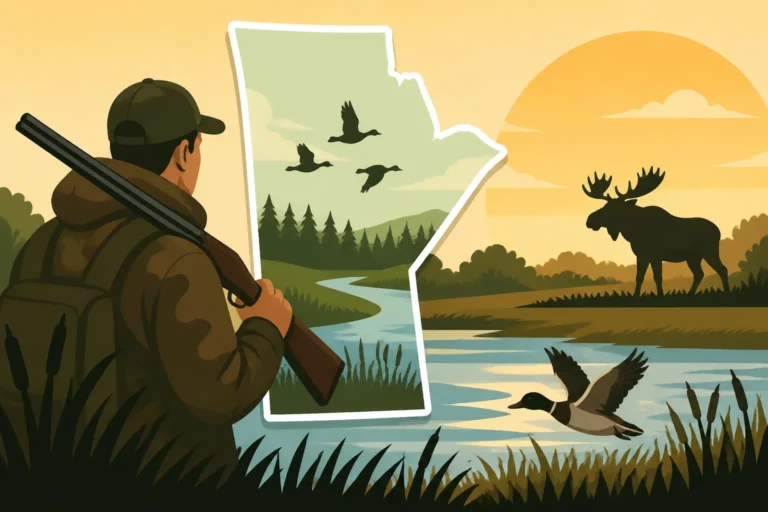
Beyond big game, the Souris River Valley is a fantastic, though often unsung, destination for waterfowl and upland bird hunters. The river itself, along with its numerous oxbows, small potholes, and nearby sloughs, creates vital resting and feeding areas for migrating ducks and geese. Early season hunts can be explosive, especially for local birds, while later in the fall, the valley's water sources can hold large numbers of migrating ducks and geese that are keying in on the surrounding grain fields. Field Hunting Geese in Manitoba Stubble is a popular tactic here. Getting permission from landowners to access fields adjacent to the valley for decoy spreads can lead to some incredible shoots.
Upland bird enthusiasts will also find opportunities, particularly for Hungarian partridge and sharp-tailed grouse. The grassy edges, shelterbelts, and pockets of brush on the valley slopes and along its rim provide excellent habitat. Hunting Hungarian Partridge on Manitoba Farms can be a fast-paced and challenging hunt, requiring keen eyesight and quick reflexes. Walking these areas with a good flushing dog can be incredibly productive and a ton of fun. The combination of waterfowl and upland possibilities means you can easily plan a diverse hunting trip, targeting different species throughout the day, adding an exciting dimension to your time in the field.
Coyotes and Other Predators
Where there's an abundance of deer and smaller game, you'll almost certainly find predators, and the Souris River Valley is no exception. Coyotes are prevalent throughout the region, drawn to the consistent food sources and ample cover. For those interested in predator hunting, the valley offers excellent calling opportunities, especially during the colder months when their fur is prime. Setting up on a ridge overlooking a brushy coulee or a field edge can yield exciting results. Calling Coyotes in Manitoba Farm Country requires a good understanding of their behaviour and effective calling techniques.
While less common, you might also encounter red fox, and occasionally, bobcats or even wolves in the more remote or interconnected bush country. Hunting predators can be an excellent way to extend your time in the field after big game seasons close, offering an exciting challenge and contributing to local wildlife management efforts. Just remember to always be aware of local regulations, especially concerning night hunting permits and baiting rules, which can vary by GHA. The key here, as with all hunting in the valley, is identifying those high-traffic areas and learning the lay of the land to predict where these cunning animals might be moving.
Navigating the Terrain and Access Points
Hunting the Souris River Valley isn't simply about knowing what animals are there; it's about understanding how to effectively access and move through its unique landscape. Unlike vast tracts of continuous Crown land, the valley's public access can be more fragmented, nestled amongst private agricultural holdings. This requires a diligent approach to scouting and a respectful engagement with local landowners.
Understanding Public and Private Land Dynamics
The Souris River meanders through a mix of private farmland and smaller, often linear, parcels of Crown land, particularly along the river corridor itself. This checkerboard pattern means that identifying where you can legally hunt without permission is paramount. You absolutely cannot assume access. Services like onX Hunt are invaluable here. Being able to pull up a map on your phone or tablet and instantly see property lines, landowner names, and clearly demarcated public land sections is a game-changer. I remember one season trying to navigate an area with only paper maps, and it was a constant source of anxiety, wondering if I was accidentally trespassing. With Reading Manitoba Crown Land Layers on onX, you can scout digitally from home, marking potential access points and hunting spots with confidence.
Even with clear public land designations, access to those parcels might still require crossing private land, which means you'll need permission. This is where good old-fashioned communication comes into play. Knocking on Doors in Manitoba Farm Country is often the most effective way to secure permission for both private land and access across it to reach public areas. Many landowners are receptive to respectful hunters, especially if you offer to share some game or help with a chore. Always be polite, introduce yourself clearly, and be upfront about your intentions. Understanding What Manitoba Trespass Law Requires is crucial, as unauthorized entry can lead to serious consequences and damage the reputation of all hunters.
Scouting and Strategy for Success
Scouting is your most powerful tool when hunting the Souris River Valley. The varied terrain and often dense cover mean that simply showing up on opening day without prior knowledge will likely lead to frustration. Start your scouting long before the season opens, using tools like satellite imagery to identify key features: dense bedding thickets, natural funnels where the river bends, choke points between fields, and potential crossings. Look for areas where the valley’s features create natural travel corridors for deer. Rivers, creek bottoms, and even old fence lines can act as highways for game. Scouting With Satellite Imagery in Manitoba can reveal hidden gems you'd never see from the road.
Once you have a few promising spots identified, put boots on the ground. Walk the edges of fields, glass the river breaks, and look for sign – tracks, rubs, scrapes, and droppings. Pay attention to how game animals are using the terrain. Are they entering fields at a specific point? Are they crossing the river at a shallow riffle? Is there a particular stand of mature trees where they're bedding? Understanding these movements is critical. For instance, Hunting a River Break Above the Valley might reveal that deer are using the higher ground for travel and observation before dropping down into the cover. Don't be afraid to experiment with different setups. A ground blind tucked into a willow clump might be more effective than a treestand in an area where overhead cover is scarce or wind direction is unpredictable.
Planning Your Hunt and Overcoming Challenges
A successful hunt in the Souris River Valley, like any other great outdoor adventure, hinges on meticulous planning and being prepared for the unexpected. From unpredictable weather to navigating regulations, foresight is your friend. This isn't just about bagging an animal; it's about having a safe, enjoyable, and memorable experience in Manitoba's beautiful backcountry.
Seasonal Considerations and Weather Variability
Manitoba weather is famously fickle, and the Souris River Valley is no exception. A hunt planned for crisp, sunny autumn days can quickly turn into a cold, wet, or even snowy affair. This means preparing for a wide range of conditions is non-negotiable. Early season archery hunts in September can be quite warm, even hot, requiring lightweight, breathable clothing and plenty of water. But by late October and into November, temperatures can plummet, and you might encounter anything from rain to heavy snow. Hunting Safely in Deep Winter Cold requires specialized gear and an understanding of how quickly hypothermia can set in.
Always check the long-range forecast before your trip, but pack layers that can be added or removed as conditions change. Waterproof outer layers are a must, regardless of the forecast. For waterfowlers, breaking ice on a slough in late fall is a common occurrence, so insulated waders and reliable cold-weather gear are essential. For deer hunters, especially during the November rut, understanding how different weather patterns affect deer movement is key. A sudden drop in temperature or fresh snow can often trigger increased activity, while strong winds might keep deer hunkered down in the thickest cover. Being adaptable and having the right gear can make or break your hunt. You'll also want to keep an eye on Manitoba Big Game Season Dates to ensure you're hunting within legal windows for your chosen species.
Essential Gear and Safety Precautions
Beyond your weapon of choice and camouflage, certain gear is particularly helpful for hunting the Souris River Valley. A good quality pair of binoculars or a spotting scope is invaluable for glassing the river breaks and open fields, allowing you to identify game from a distance without disturbing it. A rangefinder is also crucial for accurately judging distances, especially in the undulating terrain. Given the mix of public and private land, a reliable GPS unit or a mapping app like onX Hunt is absolutely essential for staying on track and avoiding accidental trespass. Don't leave home without it.
Safety, of course, is paramount. Always inform someone of your hunting plans, including your general location and expected return time. Carry a fully charged cell phone (though service can be spotty in some valley pockets) and consider a satellite communication device for emergencies in more remote areas. A well-stocked first-aid kit, a whistle, a compass, and emergency fire-starting supplies should always be in your pack. Wearing proper blaze orange is required during many rifle seasons, so check How Much Blaze Orange Manitoba Requires before you head out. Be mindful of your surroundings, especially when traversing steep banks or crossing the river itself. The Souris River, though not massive, can have strong currents, especially after heavy rains or during spring runoff. Always exercise caution and never take unnecessary risks.
| Species | Prime Habitat in Souris Valley | Ideal Hunting Season | Key Challenges |
|---|---|---|---|
| White-tailed Deer | River breaks, dense bush pockets, field edges, aspen bluffs | Fall (Archery/Rifle) | Thick cover, private land access, scouting |
| Waterfowl | River oxbows, sloughs, potholes, adjacent grain fields | Early to Late Fall | Scouting fields, getting permission, changing weather |
| Upland Birds | Grassy edges, shelterbelts, brushy slopes, abandoned farmyards | Fall | Fast-flying birds, finding consistent pockets |
| Coyotes | Open fields bordering valley, dense coulees, sheltered draws | Year-round (Winter) | Elusiveness, calling technique, weather |
Disclaimer
This article is for general informational purposes only and does not constitute professional advice. Laws, prices and regulations vary by location and change over time. Consult a qualified professional for guidance on your specific situation.