Hunting the Alonsa Wildlife Area
Hunting in Manitoba, especially when you're looking for public land that offers a genuine chance at success, can feel like navigating a maze. So many folks struggle to find those accessible pockets of habitat that aren't overrun with pressure or demand endless scouting just to figure out the boundaries. If you've been wondering about Hunting the Alonsa Wildlife Area, this guide is here to break down exactly what this unique WMA offers and how you can make the most of your hunting adventure there.
Understanding the Alonsa Wildlife Area
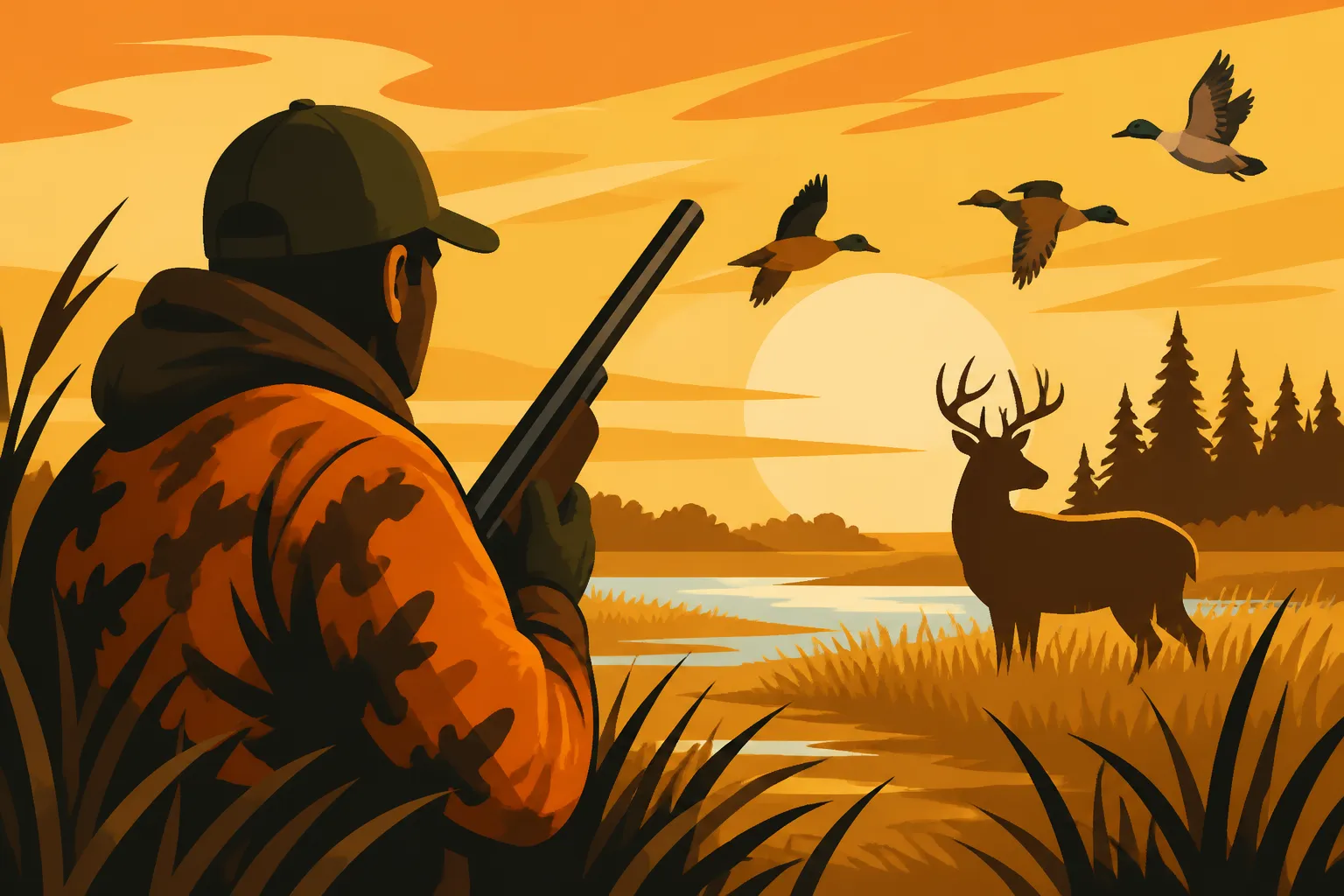
The Alonsa Wildlife Management Area (WMA) is a fantastic piece of public land nestled in Manitoba's Interlake region, specifically within Game Hunting Area (GHA) 21. It's one of those spots that really shines for its diverse habitat, offering a mix of everything from dense bush and aspen bluffs to vast cattail marshes and pockets of agricultural fringe. This rich tapestry of cover and food sources makes it a magnet for a variety of game, particularly for those of us who appreciate the challenge of bush hunting for whitetails or the excitement of a good duck or goose hunt.
The area isn't just a random patch of woods; it's managed to provide critical habitat for wildlife, which inherently creates excellent hunting opportunities. It’s a place where you can genuinely feel like you're getting away from it all, despite its relative accessibility. The sheer variety of terrain means that no two hunts in Alonsa are ever quite the same, always keeping you on your toes and honing your bushcraft skills. It really is a gem for hunters looking to explore more public land options.
What Makes Alonsa Unique?
Alonsa's uniqueness largely stems from its geographical location and the resulting mosaic of ecosystems. Situated where the agricultural lands begin to blend into the more expansive boreal forest and the vast wetlands of Lake Manitoba, it acts as a crucial transition zone. This means you'll find species typically associated with farmland, like whitetail deer that frequent the field edges, alongside those that thrive in dense cover and marsh, such as moose and an abundance of waterfowl. It’s this rich diversity that sets Alonsa apart from WMAs that might be more singularly focused on one type of habitat.
The land itself is often characterized by rolling terrain, sometimes broken by shallow sloughs and low-lying areas that can hold water, especially in spring or after heavy rains. You’ll encounter aspen and poplar bluffs, dense willow thickets, and pockets of spruce, all interspersed with open meadows and fields that have either been hayed or left to revert to natural grasses. For a hunter, this means constantly adapting your approach. You might be still-hunting a poplar ridge in the morning, then setting up on a slough edge for ducks in the afternoon. The dynamics of the area keep you engaged, demanding a versatile hunting strategy. It’s this varied landscape that supports a robust ecosystem and, consequently, healthy game populations, which is exactly what we're all looking for in a hunting destination.
Navigating Access and Boundaries
Getting around in the Alonsa WMA requires a bit of homework, but it's well worth the effort. The area is crisscrossed by a network of gravel roads and old trails, some of which are well-maintained, while others might require a high-clearance vehicle, especially during wet conditions. Most of the primary access points are off designated municipal roads that border or cut through sections of the WMA. However, venturing deeper often means navigating lesser-used trails that aren't always marked. You'll definitely want to spend some time with a good map before you go.
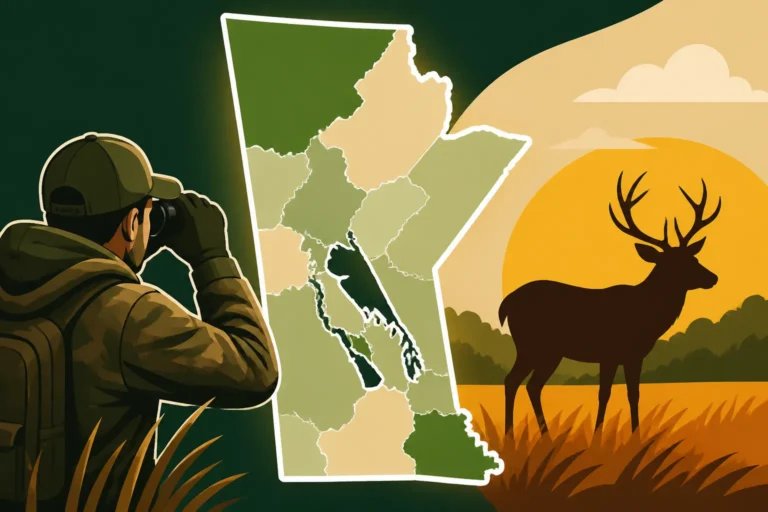
This is where digital mapping tools become your best friend. Apps like onX Hunt are invaluable for clearly defining WMA boundaries, identifying Crown Land sections, and even showing you where old trails and access points exist. You can mark potential parking spots, game trails you've found through scouting, and even plan your routes to avoid private property. Relying solely on a paper map can be challenging due to the intricate nature of the WMA's borders and the presence of private land inholdings within or adjacent to the public boundaries. It's crucial to know exactly where you are at all times to ensure you're hunting legally and respectfully. Before heading out, definitely download offline maps onto your device, as cell service can be spotty in some of the more remote parts of Alonsa. Reading a Manitoba GHA Map Before You Go will be a game changer for you.
Game Species and Hunting Opportunities in Alonsa
The Alonsa Wildlife Area is a haven for a diverse range of game animals, making it a fantastic multi-species destination for Manitoba hunters. While some WMAs might excel for one particular species, Alonsa's varied habitat types mean you stand a good chance at a few different opportunities throughout the hunting season. This is one of its biggest appeals: you can tailor your hunt to what's in season and what you're most interested in pursuing, knowing that the habitat supports a healthy population of each. It's not uncommon to scout for deer and bump into a flock of grouse, or be sitting in a duck blind and hear a coyote howl.
The balance of open country, dense bush, and wetland means different species thrive in different sections. Knowing what you’re primarily targeting will help you narrow down your focus within the WMA, but always be prepared for incidental encounters. This versatility adds an exciting layer to hunting here, constantly reminding you that Manitoba's wilderness holds so many possibilities.
Whitetail Deer: The Main Draw
Without a doubt, whitetail deer are the primary draw for many hunters heading to the Alonsa WMA. The habitat here is absolutely ideal for them: the mix of aspen bluffs provides excellent bedding cover and browse, while the adjacent agricultural fields (both inside and bordering the WMA) offer abundant food sources. This creates a classic "edge" scenario where deer can feed heavily in fields and quickly retreat to the safety of the bush. You'll find deer sign everywhere if you know what to look for – rubs, scrapes, and well-worn trails are common, especially in the transition zones between dense cover and open areas.
Hunting whitetails in Alonsa often involves a combination of strategies. Still-hunting through the aspen and willow thickets can be very effective, especially during the archery season or early rifle season when deer are still moving somewhat predictably. For those brave enough to sit through the Hunting the Rut in Early to Mid November, setting up a treestand or ground blind along a known travel corridor or pinch point between a bedding area and a feeding field can be incredibly rewarding. Focus your efforts on those natural funnels and breaks in cover. Don't forget to pay attention to wind direction, as the swirling winds around bluffs and marshes can make deer notoriously difficult to approach undetected.
Waterfowl and Upland Birds: Hidden Gems
Beyond big game, the Alonsa WMA truly shines for its waterfowl and upland bird hunting. The extensive marshlands, sloughs, and water bodies, particularly those feeding into or draining from Lake Manitoba, create prime habitat for ducks and geese. You'll find a variety of dabblers like mallards, pintails, and wigeon, along with divers in the deeper waters. Canada geese and sometimes even specklebellies will frequent the grain fields adjacent to the WMA, offering fantastic field hunting opportunities if you've done your scouting and secured permission from landowners for fields outside the WMA proper. Within the WMA, look for those marshy pockets and slough edges. Marsh Hunting Ducks in the Interlake can be a truly exhilarating experience here.
For upland birds, Alonsa offers excellent chances at both ruffed grouse and sharp-tailed grouse. Ruffed grouse prefer the denser aspen and poplar stands, especially along old logging trails or natural clearings. Walking slowly through these areas, especially with a good bird dog, can yield multiple flushes. Sharp-tailed grouse, on the other hand, favor the more open prairie and grassland sections, often near brushy edges. You might find them in the same areas as deer, particularly where open meadows meet the bush. Remember to check the specific season dates and bag limits for these species, as they can vary.
Black Bear and Predators
While not the primary focus for most hunters in Alonsa, black bears are certainly present in the WMA, especially in the denser bush and forested sections that offer plenty of cover and natural food sources like berries and acorns. Encountering a bear while deer hunting is not uncommon, and if you have a valid tag, it can make for an exciting unexpected opportunity. However, targeting bears specifically in Alonsa might be more challenging than in WMAs with more expansive boreal forest. Spring bear season is often done through baiting, and while baiting is allowed in some areas, always check the specific regulations for Alonsa and GHA 21 beforehand.
Predators like coyotes are abundant throughout the Alonsa WMA and its surrounding agricultural lands. They thrive in the mixed habitat, preying on small game and deer fawns. Coyote hunting can be a thrilling pursuit, especially during the colder months when their pelts are prime. Calling coyotes, either with electronic calls or mouth calls, can be very effective, particularly around the edges of the WMA where they might be crossing from bush to open fields. Calling Coyotes at First Light or during the evening can lead to some intense close encounters. Wolves are less common but not unheard of, especially in the more remote, densely treed sections. Hunting predators offers a unique challenge and can be a great way to extend your time in the field.
Essential Tactics for Alonsa Wildlife Area
Hunting the Alonsa Wildlife Area, like any public land, rewards preparation, patience, and a willingness to adapt. This isn't a place where you just show up and expect animals to jump out at you; it requires thoughtful planning and an understanding of the local landscape and animal behavior. The varied terrain and potential for encountering other hunters mean you need to have your strategy well-honed before you even step foot in the bush.
Think of it as a chess game with nature: you're anticipating moves, reading the board, and making adjustments based on real-time feedback. Whether you're chasing a trophy whitetail or filling your limit on ducks, having a solid tactical approach will significantly increase your odds of success and, more importantly, your enjoyment of the hunt.
Scouting and Preparation
Effective scouting is absolutely paramount for hunting Alonsa. Because it's public land, and potentially sees varied pressure, knowing the specific lay of the land, game travel patterns, and bedding areas gives you a huge advantage. Start long before the season opens with satellite imagery. Tools like onX Hunt or GoHunt allow you to digitally scout for key features: identify dense cover, potential food sources, pinch points, funnels, and water access points. Look for old trails, logging roads, or natural clearings that might indicate good travel corridors for deer. Pay close attention to changes in elevation, even subtle ones, as deer often use these to their advantage. Scouting With Satellite Imagery in Manitoba can reveal patterns you'd never see from the ground.
Once you have a few promising spots identified on your map, plan some boots-on-the-ground scouting trips. Look for fresh deer sign, like tracks, rubs, and scrapes, especially along the edges of cover and transitions to open areas. Identify dominant trees that might make good stand locations, considering prevailing winds and sun direction. For waterfowl, locate permanent water bodies, look for feeding areas in adjacent fields, and identify potential blind locations. The more you learn about the area before you hunt, the less time you'll spend wondering and more time you'll spend hunting strategically.
In-Season Strategies
When the season finally arrives, your in-season strategy for Alonsa will depend heavily on the species you're pursuing and the conditions of the day. For whitetails, early morning and late evening movements are key. If you're bowhunting or during the rifle rut, consider sitting on a stand or in a blind for extended periods near established travel routes between bedding and feeding areas. In the thick bush, still-hunting slowly into the wind, pausing frequently to observe and listen, can be incredibly effective. Pay attention to subtle changes in terrain, like a Hunting a Poplar Bluff at First Light or a willow run, where deer might feel secure. Rattling antlers or using grunt calls can also bring curious bucks in, especially during the rut, but adjust your calling volume to the openness of the terrain.
For waterfowl, early mornings are usually best, setting up decoys on sloughs or field edges that you've scouted. Pay attention to flight patterns and adjust your spread accordingly. Blinds should be well-camouflaged, and staying still is crucial. For upland birds, walking slowly through suitable cover, either alone or with a dog, is the standard approach. Focus on the edges of thickets, old clearings, and areas with good ground cover. Always be aware of other hunters, especially on public land. Hunting Safely in Deep Winter Cold also becomes a critical consideration as the season progresses into colder months.
Respecting the Area and Other Users
Hunting on public land like the Alonsa WMA means being a responsible steward of the resource and a respectful neighbor to other users. This isn't just about legality; it's about preserving hunting access and ensuring everyone has a positive experience. Always practice ethical hunting, ensuring clean kills and following all regulations regarding bag limits, species, and GHA boundaries. Take out everything you bring in, leaving no trash or spent shell casings behind. Pack out your game meat responsibly, ensuring proper Meat Care in Manitoba's Cold Snaps.
When you encounter other hunters, a friendly nod or a brief, respectful conversation goes a long way. Public land is for everyone, and shared courtesy helps maintain a positive atmosphere. Avoid setting up too close to another hunter, and if you arrive at a spot already occupied, find an alternative. Being mindful of noise, especially at prime times, also contributes to a better experience for all. By showing respect for the land, the wildlife, and fellow outdoor enthusiasts, we collectively ensure that places like the Alonsa WMA remain fantastic hunting destinations for generations to come.
Rules, Regulations, and Local Considerations
Diving into a new hunting area, even one as inviting as the Alonsa Wildlife Area, always means a quick refresh on the rules. While a lot of Manitoba's hunting regulations are universal, specific WMAs and GHAs often have additional nuances you need to be aware of. It's not just about knowing what's allowed, but what might be restricted, so you don't inadvertently run afoul of the law or disrupt the delicate balance the WMA is designed to protect. Trust me, the last thing you want is a conversation with a conservation officer that starts with "Didn't you read the regulations?"
Beyond the official rulebook, there are also practical local considerations unique to the Alonsa area. These might not be written down in law, but they're the kind of wisdom that veteran hunters pick up over years in the field. From understanding the local terrain to preparing for Manitoba's sometimes extreme weather, a little forethought can make or break your hunt.
Specific Alonsa WMA Rules
While the general Manitoba hunting regulations apply, specific Wildlife Management Areas often have their own set of rules designed to protect the unique ecosystems within their boundaries and manage recreational use. For the Alonsa WMA, you'll need to consult the current Manitoba Hunting Guide, paying close attention to the section on Manitoba Wildlife Management Area Rules and any specific details for WMA 21 (which is the Alonsa WMA). Common restrictions in WMAs might include limitations on vehicle use (sometimes prohibiting off-road vehicles like ATVs in certain areas, or restricting them to designated trails), restrictions on baiting, or specific rules around camping.
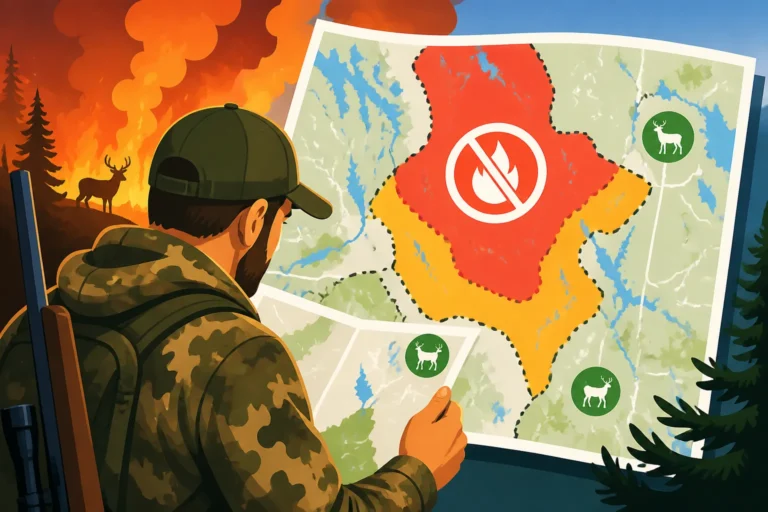
It's also important to be aware of any temporary closures or special notices that might be posted. These could be due to wildfire risk, localized flooding, or specific wildlife management initiatives. Always check the provincial government's hunting website before you head out, as information can change. Misinformation or assuming general rules apply without checking specific WMA regulations can lead to fines or, worse, the loss of hunting privileges. Take the time to confirm; it’s always worth it.
General Manitoba WMA Regulations
Beyond the specific nuances of Alonsa, there are overarching provincial regulations that apply to all WMAs in Manitoba. These often cover things like the requirement for blaze orange clothing during specific seasons – a critical safety measure, especially on public land that might see varied hunter density. You'll also need to be familiar with legal hunting hours, which weapons are permitted for specific species, and detailed tag validation rules. For example, knowing How Much Blaze Orange Manitoba Requires is vital for your safety and compliance.
Vehicle access is another big one. While many main roads within WMAs are open, off-road travel or the use of ATVs/UTVs can be restricted to designated trails only, or even prohibited entirely in sensitive areas. This is to prevent habitat damage and reduce disturbance to wildlife. Always ensure your hunting licence and any required tags are properly filled out and immediately validated upon harvest. Evidence of sex requirements for big game animals are also crucial for WMAs, meaning you need to leave certain identifying parts on the animal until you're back home or at a processing facility. Being well-versed in these general WMA rules will make your Alonsa experience smoother and more compliant.
Dealing with Weather and Terrain
Manitoba's weather can be notoriously unpredictable, and the Alonsa region is no exception. A sunny, crisp fall morning can quickly turn into a blustery, snowy afternoon, especially as you move deeper into October and November. This makes proper gear selection absolutely critical. Layering is your best friend, allowing you to adapt to fluctuating temperatures. Waterproof and windproof outer layers are non-negotiable, particularly when dealing with marshy areas or sitting still for extended periods.
The terrain itself, with its mix of wet sloughs, dense bush, and sometimes muddy trails, demands sturdy, waterproof footwear. Good ankle support is crucial, as is reliable traction. Be prepared for potential ice if you're hunting late in the season, especially around water bodies. Navigating dense cover can be physically demanding, so consider your fitness level and pack accordingly. Always carry a compass and a reliable GPS device (like your phone with onX Hunt maps downloaded), as getting disoriented in the thick bush or marsh can happen quickly, especially when tracking game. A comprehensive Winter Truck Kit for a Manitoba Hunt can be a lifesaver if you're heading out in colder conditions, ensuring you have essentials like extra fuel, a shovel, and emergency supplies. Awareness of the weather and terrain isn't just about comfort; it's about safety and ensuring a successful, enjoyable hunt.
Disclaimer
This article is for general informational purposes only and does not constitute professional advice. Laws, prices and regulations vary by location and change over time. Consult a qualified professional for guidance on your specific situation.