Whitetail Hunting in Manitoba
There's a raw, undeniable allure to whitetail hunting in Manitoba, but let's be honest, it also comes with its fair share of challenges. From navigating vast landscapes that can shift from dense bush to wide-open prairie, to deciphering intricate regulations and braving the notoriously fickle weather, it's enough to make even seasoned hunters scratch their heads. If you're looking to truly understand the ins and outs of pursuing Manitoba's impressive whitetails, you've landed in the right spot. This comprehensive guide is designed to cut through the confusion and equip you with the knowledge needed to plan a successful and rewarding hunt.
Understanding Manitoba's Whitetail Landscape
Manitoba isn't just a place; it's an experience, especially when it comes to whitetail hunting. What often surprises hunters, particularly those from outside the province, is the sheer diversity of the terrain and how drastically it influences deer behavior, population densities, and ultimately, your hunting strategy. It's not a one-size-fits-all approach here, and understanding the nuances of the landscape is your first step to success.
Diverse Habitats and Deer Concentrations
Manitoba's geography is a fascinating mosaic, directly impacting where whitetails thrive and how you'll need to adapt your hunting approach. You've got everything from the agricultural heartland in the south to the rugged Canadian Shield in the east and the expansive boreal forest stretching north. Each zone presents unique opportunities and challenges.
Take the Aspen Parkland for instance, which is probably what most people picture when they think of Manitoba whitetails. This is a transition zone, a beautiful blend of rolling grasslands, small bluffs of aspen, willow thickets, and scattered agricultural fields. Here, deer concentrations can be incredibly high. The interspersed cover and abundant food sources (like alfalfa, peas, and standing corn) provide ideal habitat, allowing bucks to grow to impressive sizes. You'll find deer bedding in those dense aspen bluffs or willow rings, only to move into adjacent fields at dawn and dusk. Hunting here often involves glassing field edges, setting up on travel corridors between cover and food, or still-hunting through smaller bush pockets.
Then you move into the Interlake region, situated between Lake Winnipeg and Lake Manitoba. This area is characterized by vast tracts of bush, often wetter lowlands, and larger agricultural operations. Deer here are often more spread out but can still reach incredible sizes. The challenge is the sheer amount of cover. Deer can seemingly vanish into the endless willows and poplar stands. Hunters in the Interlake often focus on logging roads, cut lines, or finding those subtle high spots in the bush where deer prefer to travel and bed. It's a land where patience and perseverance pay off, where one well-placed stand in a funnel can be gold.
Further south and west, you hit the more intensely farmed Southwest Farmland. While it might look like endless fields, don't be fooled. Whitetails here are masters of using every piece of cover available – shelterbelts, coulees, small creek bottoms, and even standing crops like corn or sunflowers. Deer density can be excellent, and the sheer amount of high-quality forage allows bucks to put on serious antler mass. Hunting here is often about finding those hidden gems of cover, securing permission on prime agricultural land, and understanding how deer move from bedding in those strips of bush to feeding in the vast fields.
And let's not forget the Fringe of the Boreal Forest, particularly in areas like the Duck Mountain or Porcupine Hills. Here, the landscape gets hillier, with mature mixed wood forests, spruce bogs, and much less agricultural influence. Deer densities might be lower than the parkland, but the bucks that call these remote areas home are often older and wiser. They rely heavily on natural browse, thick thermal cover, and can be incredibly elusive. Hunting these areas demands a different approach, often involving deeper pushes into the bush, looking for old growth pockets, or tracking fresh sign in the snow. Each habitat offers its unique flavor of whitetail hunting, making Manitoba a truly diverse destination.
Population Dynamics and Herd Health
Manitoba's whitetail population is a dynamic entity, constantly influenced by a complex interplay of environmental factors and disease. It's a common frustration for hunters to see populations fluctuate, and understanding why can help manage expectations and strategies. We've seen periods of booming numbers, followed by leaner years, and it's almost always tied back to a few key elements.
Severe winters are perhaps the most significant natural regulator of deer populations here. When Manitoba experiences deep snow and prolonged periods of extreme cold, it puts immense stress on the deer. Access to food becomes difficult, and the energy demands to stay warm are enormous. Fawns and older, weaker deer are often the first to succumb. You might recall winters where the snow piled up for months on end; those are the years that tend to hit the herd hardest, and it takes a few mild winters for populations to bounce back. This natural culling affects not just overall numbers but can also impact buck-to-doe ratios and antler quality in subsequent years. If you're curious about how these cycles play out, diving into topics like Why Manitoba Deer Numbers Swing can offer a deeper perspective.
Beyond the weather, disease plays an increasingly important role. Chronic Wasting Disease (CWD) is a significant concern, slowly creeping into Manitoba from neighboring jurisdictions. While still relatively contained, especially in the southwest, the province is vigilant, implementing mandatory sampling in certain Game Hunting Areas (GHAs) to monitor and try to prevent its spread. It's a tough pill to swallow, knowing that such a devastating disease could impact the future of our deer. Hunters are on the front lines, and our cooperation with sampling efforts is crucial. Other health concerns, like epizootic hemorrhagic disease (EHD) which is transmitted by biting midges, can cause localized die-offs, especially during hot, dry summers when deer congregate around fewer water sources. These outbreaks tend to be more sporadic but can still have a noticeable impact on local deer densities.
What does this mean for the hunter? It means staying informed. Before you head out, it's always wise to check the current provincial hunting guide and any advisories from Manitoba Natural Resources and Northern Development. Some GHAs might have specific regulations or recommendations based on herd health or population trends. For instance, antlerless deer tags might be limited or abundant depending on management goals for a particular area. Recognizing these dynamics helps us appreciate the resilience of the whitetail and reminds us of our role in responsible management. Ultimately, while fluctuations are inevitable, Manitoba's whitetails continue to offer incredible hunting opportunities, sustained by adaptive management and dedicated conservation efforts.
Navigating Seasons, Licenses, and Regulations
Hunting in Manitoba means playing by the rules, and understanding the seasons, licenses, and specific regulations is non-negotiable. It can feel like a labyrinth at times, with different dates for different weapons and zones, but taking the time to fully grasp these details is crucial for a legal and enjoyable hunt. Trust me, the last thing you want is a run-in with a Conservation Officer over a simple misunderstanding.
Archery, Rifle, and Muzzleloader Opportunities
Manitoba offers distinct hunting seasons tailored to various weapon types, each providing a unique experience with its own set of advantages and challenges. Planning your hunt often starts by deciding which season aligns best with your preferred method and hunting style.
The Archery Season typically kicks off in early September, often before many other hunting opportunities. This early start means warmer weather, lush foliage, and deer still on relatively predictable summer patterns, often focused heavily on agricultural food sources like peas, oats, or alfalfa. It's a fantastic time to pattern deer moving from thick cover to feeding areas during twilight hours. However, the heavy foliage can make shot opportunities limited and tracking tough. As the season progresses into October, temperatures drop, leaves fall, and deer patterns may begin to shift, sometimes hinting at the approaching rut. Archers often embrace the stealth, patience, and close-quarter challenge this season demands. For a deeper dive into the specific timing, check out When Manitoba's Archery Deer Season Runs.
Next up is the Rifle Season, which usually begins in November, often coinciding with the whitetail rut. This is prime time for many hunters, as bucks are actively seeking does, making them more mobile and less cautious. The weather, however, can be wildly unpredictable – ranging from mild, overcast days to frigid blizzards. Rifle season also brings significantly more hunter pressure, especially on public lands. Success often hinges on understanding rutting behavior, identifying key travel corridors, and being prepared for any weather condition. Given the potency of modern rifles, hunters can cover more ground and take shots at longer distances, which is a definite advantage in Manitoba's often open or semi-open terrain. Our comprehensive guide to Manitoba Big Game Season Dates can provide all the specific opening and closing dates by GHA.
Finally, the Muzzleloader Season often bridges the gap, sometimes running concurrently with or just after the main rifle season, sometimes offering extended opportunities in specific zones. Muzzleloaders present a blend of challenge and tradition. The single-shot nature and shorter effective range demand a more disciplined approach, akin to archery, but with the added punch of a rifle. Late-season muzzleloader hunts can be incredibly rewarding, focusing on deer concentrated around remaining food sources or seeking thermal cover in deeper snow. The cold weather, however, can pose challenges for ignition and loading. Each weapon type presents its own unique journey, contributing to the rich tapestry of whitetail hunting in Manitoba.
License Requirements and Draws
Before you even think about hitting the bush, securing the proper licenses and understanding the draw system is paramount. It’s not just a formality; it’s a legal requirement, and Manitoba has a specific process that hunters, particularly non-residents, need to follow.
For Manitoba Residents, obtaining a hunting license is a relatively straightforward process. You’ll need a valid Hunter Education Certificate and typically purchase your general deer license directly through the Manitoba Hunting, Trapping and Angling Licence (HTAL) e-licensing portal online or at authorized vendors. This general license usually covers a specific number of deer, often one antlered whitetail. However, some GHAs might offer additional tags, like antlerless deer licenses, which can often be filled on a second deer. Our guide on Manitoba Hunting Licences and What They Cost breaks down the various options and prices you might encounter.
Non-Residents, whether from other Canadian provinces or international locations, face slightly different requirements. Canadian non-residents generally follow a similar process to residents, though license fees are higher. International non-residents, however, are typically required to book their big game hunt, including whitetail, through a licensed Manitoba outfitter. This ensures proper guidance and adherence to all provincial regulations. It's a crucial distinction and one that can easily trip up hunters unfamiliar with Canadian laws.
Beyond the general licenses, Manitoba also operates a Big Game Draw System for certain species and specific high-demand GHAs. While whitetail deer typically have over-the-counter tags, there are exceptions. Occasionally, special draw seasons or antlerless tags for specific zones might be part of the draw system. This is more common for species like moose or elk, but it’s vital to always consult the current year's hunting guide to confirm if any whitetail opportunities fall under the draw. The draw system itself involves applying for specific tags within designated application periods, and results are then announced. Understanding Manitoba Big Game Draws is essential if you're aiming for any limited entry opportunities. The key takeaway is: do your homework well in advance. Check the regulations, secure your license, and if applicable, navigate the draw system to ensure a lawful and prepared hunt.
Blaze Orange and Safety Considerations
Safety in the field is paramount, and in Manitoba, that means adhering to specific regulations like wearing blaze orange, alongside practicing general hunting safety protocols. Ignoring these rules isn't just irresponsible; it's dangerous and illegal.
Blaze orange, also known as hunter orange, is a mandatory requirement during certain open seasons for big game in Manitoba. Specifically, during any firearm season for deer, moose, or elk, you must wear an outer garment that is primarily blaze orange, visible from all directions. This isn't just a suggestion; it's a critical safety measure designed to increase your visibility to other hunters and reduce the risk of accidental shootings. It's easy to get lost in the focus of the hunt, but a flash of bright orange against the fall foliage is an unmistakable signal. There are specific guidelines on how much blaze orange is required, usually encompassing a minimum area of your head and torso, so ensure your hat and vest or jacket meet these requirements. For a detailed breakdown of the rules and any exceptions, such as during archery-only seasons, refer to Blaze Orange Rules and Exceptions.
Beyond blaze orange, general hunting safety can never be overstated. Always treat every firearm as if it's loaded. Be absolutely certain of your target and what lies beyond it. This is especially crucial when hunting in areas with mixed public and private land, or where other hunters might be present. Communicate with your hunting partners about your planned movements and locations. If you're hunting alone, always tell someone where you're going and when you expect to return. Carry a whistle for emergencies, a first-aid kit, and essential survival gear.
Manitoba's weather can turn on a dime, particularly in the late fall and winter. Hypothermia is a real threat. Dress in layers, carry extra warm clothing, and bring sufficient food and water. If you're using a treestand, use a safety harness, every single time. Falls from stands are among the leading causes of hunting accidents. Be mindful of property boundaries, whether public or private, to avoid accidental trespass. And finally, never consume alcohol or drugs before or during a hunt. A clear head is a safe head. Adhering to these safety guidelines ensures not only your well-being but also contributes to a positive and responsible hunting culture for everyone.
Scouting Strategies for Manitoba Whitetails
Effective scouting is the bedrock of successful whitetail hunting, especially in Manitoba’s varied terrain where deer can be both abundant and elusive. You can’t just show up and expect a trophy buck to walk by; the truly successful hunters put in the work long before the season even opens. This isn’t just about finding deer; it’s about understanding their routines, their preferred travel routes, and their sanctuary areas.
Pre-Season Digital and On-the-Ground Scouting
In today's hunting world, scouting starts well before you ever set foot in the woods. Modern technology has revolutionized the initial phase of scouting, allowing us to cover vast areas from the comfort of our homes, significantly narrowing down the places we need to physically explore.
Digital scouting involves using online mapping tools, satellite imagery, and topographic maps. Platforms like GoHunt, for example, offer high-resolution satellite imagery that lets you analyze terrain features, identify potential bedding areas, locate food sources (especially agricultural fields), pinpoint water bodies, and discern natural travel corridors and pinch points. You can spot those subtle changes in vegetation density that might indicate thick bedding cover, or trace old field edges and creek bottoms that deer habitually follow. Look for transition zones – where bush meets field, or where different types of timber blend – as these are often high-traffic areas. Pay attention to elevation changes, as deer often prefer to bed on high ground where they can survey their surroundings. This digital reconnaissance allows you to mark potential stand locations, access routes, and areas to avoid before you even leave your couch. For anyone serious about this, our guide on Scouting With Satellite Imagery in Manitoba is a must-read.
Once you have a few promising spots identified digitally, it’s time for on-the-ground scouting. This is where you confirm your digital findings and uncover the subtle details satellite imagery can’t reveal. During the late spring and summer, after shed season but before the hunting season, walk those areas you’ve marked. Look for actual deer trails – not just faint paths, but well-worn runways that indicate consistent use. Identify old rubs and scrapes from the previous year, which can give you clues about where bucks were active. Look for droppings, which indicate feeding or bedding areas. Find tracks, noting their size and freshness. Pay close attention to potential bottlenecks or funnels, like narrow strips of timber between fields, points of land jutting into open areas, or crossings over creeks.
Confirm food sources: are the agricultural fields planted with corn, beans, or alfalfa? Are there natural mast crops like acorns or wild berries? Understanding the available food at different times of the year is critical. While you're on the ground, also assess access points. How can you get into a potential stand site quietly and undetected by deer? Consider wind directions relative to your chosen spots. On-the-ground scouting takes time and effort, often battling bugs and heat, but it provides invaluable, real-world confirmation that digital tools alone can't replicate. It’s the difference between guessing and knowing.
Reading Whitetail Sign in Diverse Terrain
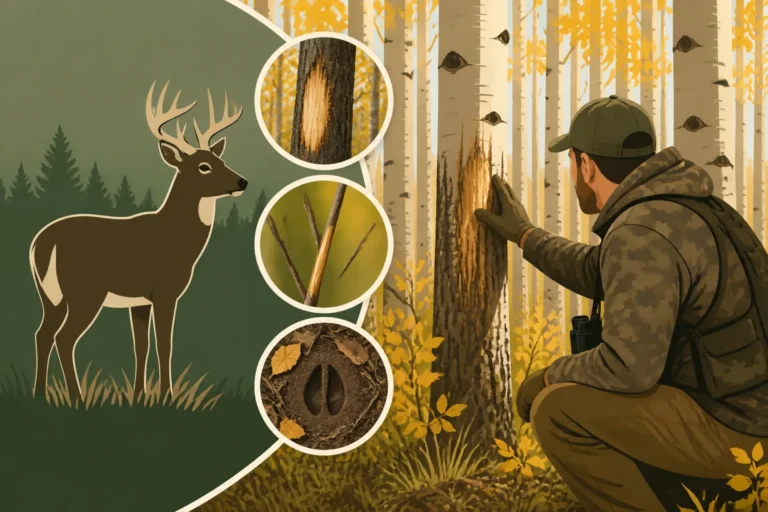
Knowing how to interpret the subtle clues deer leave behind is like learning their secret language. This skill becomes even more crucial in Manitoba's diverse habitats, where sign can manifest differently depending on whether you're in a dense bush, open parkland, or agricultural fringe. Each piece of sign tells a part of the story about deer movement, activity, and even their size.
In the bush country, such as the Interlake or parts of the Duck Mountain, you’ll often find heavier, more concentrated trails. Look for these "deer highways" especially where the terrain funnels deer naturally, like along the edge of a swamp, across a dry ridge, or through a narrow strip of timber. Rubs here might be on smaller aspens or willows, often in dense thickets where bucks feel secure. You'll also encounter more browse lines – areas where deer have visibly fed on shrubs and saplings, especially in winter. Scrapes might be less conspicuous due to the thick ground cover, but look for disturbed leaves and a low-hanging branch (licking branch) overhead. Our article on Reading Whitetail Sign in Manitoba Aspen gives excellent insights into what to look for in those specific environments. In these thick areas, finding fresh tracks in soft ground or mud is a goldmine, indicating very recent activity.
In the Parkland and Farmland fringe, where cover is more broken, deer sign can be more spread out but also more visible. Trails often connect isolated bluffs of bush to major food sources. Rubs on larger poplar trees or even small pines along field edges indicate bucks working those boundaries. Scrapes in these open areas are often found near the edges of cover, sometimes under a prominent tree with a well-used licking branch. The contrast between disturbed earth and surrounding vegetation makes them quite noticeable. You might find droppings concentrated near bedding thickets or along feeding routes into crop fields. On freshly tilled or muddy fields, you'll see tracks clearly, allowing you to gauge the size of the deer and the direction of travel.
It’s important to differentiate between fresh and old sign. Fresh rubs will have moist, exposed wood, and the sap might still be sticky. Old rubs will be dry, weathered, and grey. Scrapes that are actively being used will have fresh hoof prints and often a strong musky odor. Tracks in the mud or dust that are crisp and have clear edges are fresh, while those that are rounded and filled with debris are older. The consistency of droppings can also tell a story – firm, distinct pellets are normal, while clumpy or very soft droppings might indicate a change in diet or stress. Learning to "read" the freshness of the sign helps you understand current deer movement, not just historical activity, allowing you to fine-tune your stand placement for the most current patterns.
Utilizing Trail Cameras Effectively
Trail cameras have become an indispensable tool for serious whitetail hunters, offering a discreet way to monitor deer activity and gain invaluable insights without constantly disturbing the hunting area. But like any tool, their effectiveness hinges on strategic placement and intelligent interpretation of the data they collect.
The art of strategic placement is crucial. Don't just slap a camera on the first tree you see. Think about what you want to achieve. Are you doing a general inventory of a new area, trying to identify specific bucks, or patterning deer movement to a food source or bedding area? For general scouting, place cameras on main travel corridors, pinch points, or near scrapes and rubs you've already identified. For patterning a specific buck, you might place them closer to a known food source or even on a subtle trail leading from a bedding area, always being mindful of minimizing your scent and disturbance. Positioning cameras overlooking mineral licks (where legal) or water sources in drier periods can also be highly effective for inventory.
Consider the angle and height. Face cameras north or south to avoid direct sunlight washing out photos, and position them slightly angled down at deer chest height or slightly higher, especially if you're targeting bucks. Clear away any small branches or tall grass that might trigger false captures, wasting battery life and memory card space. When accessing your cameras, do so quickly and efficiently, ideally during the middle of the day when deer activity is generally lower. Wear rubber boots and scent-control clothing to minimize leaving human scent in the area.
Interpreting camera data is more than just looking at pictures of deer. It’s about building a comprehensive picture of deer behavior. Note the time of day deer are most active in certain spots. Are bucks nocturnal, or are they moving in daylight? This can tell you about hunter pressure or how close their bedding area is. Identify individual bucks by their unique antler characteristics. Note the frequency of their appearances and try to connect their movement patterns between multiple camera sites. For example, if you have cameras on a bedding area, a travel corridor, and a food plot, you can piece together their daily routine.
Look for changes in behavior throughout the season. Early season pictures will show deer in velvet and relatively relaxed. As the season progresses towards the rut, you'll see more aggressive behavior, bucks checking does, and increased daytime movement. Later in the season, cameras near thermal cover or specific high-energy food sources will indicate where deer are wintering. Don't solely rely on the biggest buck picture; look for consistency, patterns, and trends. Trail cameras, when used thoughtfully, provide a powerful, non-invasive way to scout and refine your hunting strategy throughout the entire year, increasing your odds of success come opening day.
Hunting Tactics for Different Seasons
Manitoba's whitetail hunting experience transforms with the seasons. What works in early September won't necessarily yield results in frigid November. Adapting your tactics to deer behavior, weather patterns, and the phase of their life cycle is absolutely crucial for consistent success.
Early Archery Season: Patterns and Patience
The early archery season in Manitoba, typically kicking off in September, is a fantastic time for bowhunters. It's often marked by pleasant weather, but don't let the calm fool you; this season requires a unique blend of understanding summer patterns and an abundance of patience.
Deer at this time are generally still on their summer patterns. Their primary motivations are food, water, and security. Agricultural fields are key food sources: vast fields of peas, oats, or early alfalfa are like magnets. Bucks are still in their bachelor groups, often moving to and from these feeding grounds at dawn and dusk. Your scouting should have identified these prime feeding locations and, crucially, the specific trails deer are using to get there from their bedding areas. Often, these bedding areas will be in dense, secluded cover adjacent to the food, providing safety during the day.
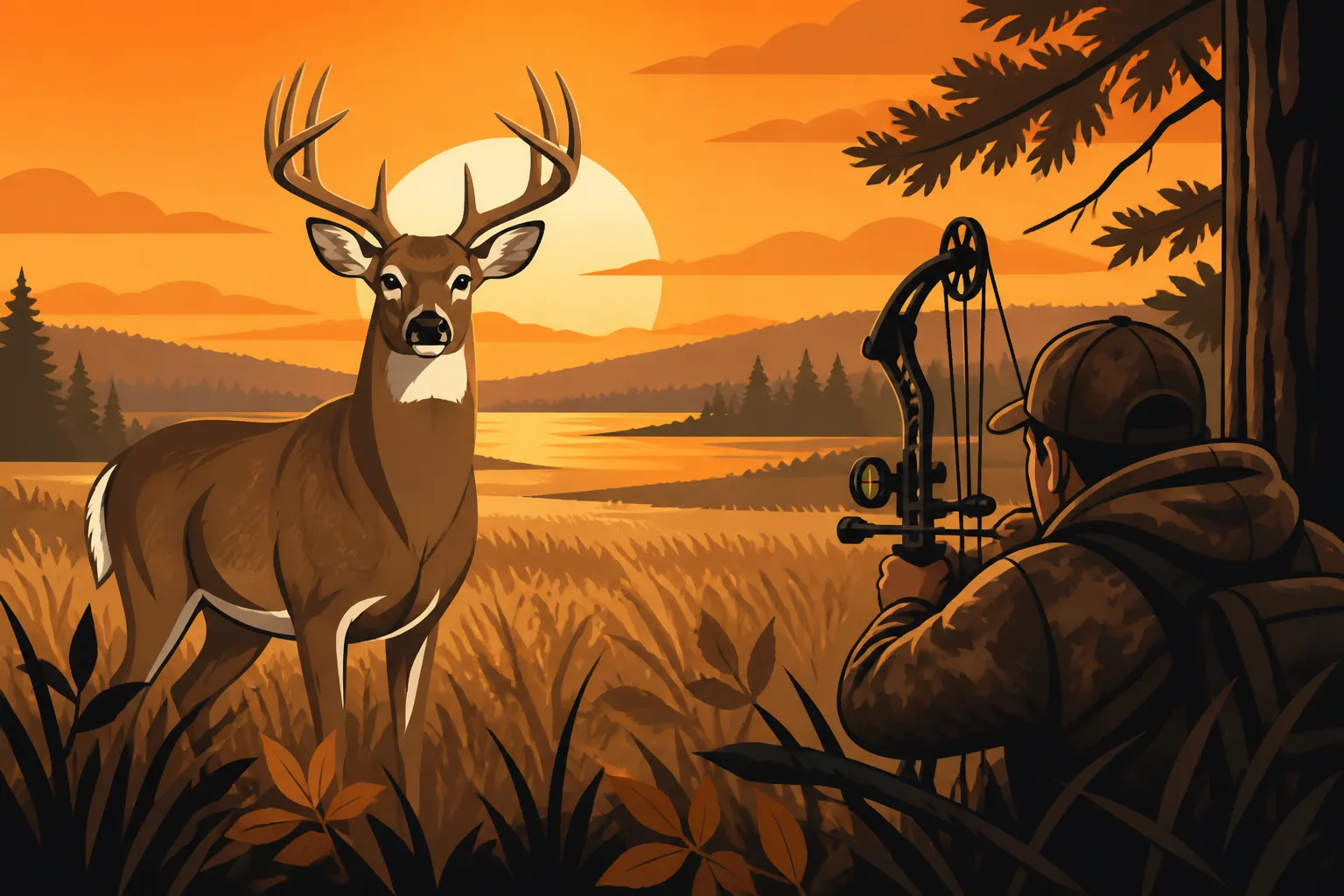
Stand placement is everything. Think ambush hunting. You'll want to set up along those well-used travel corridors, perhaps a hundred yards or so from the field edge, or within a finger of timber that extends into a field. Wind direction is critical; position yourself so your scent is blowing away from the expected deer approach. Because the foliage is still quite dense, shot opportunities might be limited to narrow lanes, demanding precise ranging and quick shot execution. It’s not uncommon to have deer pass just outside your shooting window, or to be partially obscured by leaves. This is where patience truly comes into play. You might spend several sits seeing little or nothing, but when a group of deer, including your target buck, finally moves through your shooting lane, it makes all the waiting worthwhile.
Understanding the daily routine is also vital. Deer activity typically peaks in the first and last hours of daylight. Morning hunts might involve catching deer returning to their beds, while evening hunts are about intercepting them heading to feed. Focus on water sources during warmer parts of the early season. As September progresses into October, temperatures will cool, and some bachelor groups might start to break up, but the core food-to-bedding pattern generally holds. For more in-depth strategies specific to early season bowhunting, you'll find a wealth of information in Bowhunting Manitoba's Early Season. It’s a rewarding time to hunt, offering the chance to pursue deer before the full frenzy of the rut or the challenges of deep winter.
The Whitetail Rut: Aggression and Opportunity
Ah, the whitetail rut in Manitoba! For many hunters, this is the Holy Grail, the time when big bucks throw caution to the wind in pursuit of does. It’s a period of heightened activity, but also one that requires understanding its different phases to maximize your chances.
The rut typically peaks in early to mid-November in Manitoba, but it’s a process that unfolds over several weeks. It usually starts with the pre-rut phase in late October and early November. During this time, bucks become increasingly active, scent-checking does, making rubs and scrapes, and establishing dominance. They are cruising more, and less confined to their typical bedding-to-food patterns. This is an excellent time for aggressive calling and rattling. Bucks are eager to challenge rivals and investigate potential mates. Focus on areas with high doe concentrations and natural funnels where bucks will travel to find them. Creek bottoms, timber edges between fields, and small woodlots adjacent to farm fields can be hotspots.
The peak rut arrives when the first does come into estrus, usually around mid-November. This is when the real frenzy begins. Bucks will be actively chasing, breeding, and often moving throughout the entire day, especially in colder weather. They will be less wary, making them vulnerable. Sitting all day in a stand, particularly in key travel corridors, becomes an incredibly effective tactic. During this phase, bucks are often running ragged, so don't discount midday movement. They might be found anywhere a receptive doe might be. Understanding Hunting the Rut in Early to Mid November is crucial for timing your efforts.
The post-rut follows, usually late November and early December. After the peak breeding, bucks are exhausted and have often lost a significant amount of body weight. They will focus heavily on replenishing energy reserves, often retreating to secure bedding areas and hitting reliable food sources hard. While less active than the peak, some secondary rutting activity can occur if does were not bred during the primary window. This phase often sees bucks becoming more nocturnal as they recover.
Tactically, during the peak rut, calling, rattling, and grunt calls can be incredibly effective. A series of aggressive rattling sequences followed by a few soft grunts can often bring a curious or territorial buck right into shooting range, especially in the more open Parkland regions where sounds carry further. If you're hunting in these areas, our guide on Rattling and Calling Parkland Whitetails offers excellent techniques. Focus your efforts on funnels, pinch points, and areas where multiple doe groups might congregate. Even cruising slowly through thick cover or walking an edge can yield results as bucks are often on the move. The rut is physically demanding for both deer and hunters, but it offers the highest chance of encountering a mature buck on its feet during daylight hours.
Late Season: Food, Cover, and Cold
When the November rut winds down and Manitoba plunges into the deep freeze of late December and January, whitetail hunting transforms into a game of survival, both for the deer and the hunter. This isn't a season for the faint of heart, but for those prepared to brave the elements, it can offer some incredibly rewarding opportunities for big, heavy-bodied bucks.
The single biggest drivers of deer movement in the late season are food and thermal cover. As snow piles up and temperatures plummet, deer conserve energy. They will seek out the densest available cover – often spruce bogs, thick willow bottoms, or mature stands of conifers – for thermal protection from the wind and cold. Their movement between these bedding areas and reliable food sources becomes highly efficient and often predictable. Preferred food sources shift to anything high in carbohydrates that can still be accessed: standing corn fields (if available), leftover grain stubble (especially sunflowers or barley), or specific woody browse that remains palatable. If the snow gets deep enough, deer will yard up, concentrating in sheltered areas where movement is easier.
Still-hunting and tracking become potent tactics. In fresh snow, reading tracks can tell you exactly where deer are bedding, feeding, and traveling. Following a fresh set of large tracks, particularly if they indicate a consistent, unpressured movement, can lead you right to a bedding buck. This requires patience, keen observation, and the ability to move slowly and quietly through snow-covered terrain. Remember, these bucks are often older and wiser, and they won't tolerate much disturbance.
Ground blinds, especially insulated and heated ones, are a hunter’s best friend in the late season. Sitting for hours in sub-zero temperatures requires serious protection from the cold. Position these blinds strategically overlooking the most reliable late-season food sources or along known travel corridors between thermal cover and food. You’ll be banking on deer showing up during their relatively short feeding windows. Waiting out the cold demands serious mental fortitude and a commitment to staying warm. Our guide on Hunting Safely in Deep Winter Cold provides essential tips for surviving and thriving in these frigid conditions. While the late season demands much, the sight of a big Manitoba buck pushing through fresh snow to a standing cornfield is a memory that will last a lifetime.
Accessing Manitoba's Hunting Grounds
One of the biggest frustrations for hunters, regardless of experience, is finding accessible land. Manitoba offers a mix of public and private options, each with its own set of rules and challenges. Understanding these avenues for access is often the make-or-break factor for a successful hunt.
Crown Land and Wildlife Management Areas
Manitoba boasts a significant amount of Crown Land, which is public land available for hunting. However, simply knowing it exists isn't enough; you need to know how to find it, understand its regulations, and recognize that "public" doesn't always mean "easy access." The frustration of staring at maps, trying to distinguish public from private, is a common one we've all faced.
Crown Land can be found across the province, from the vast boreal forests in the north to smaller, scattered parcels in the agricultural south. Tools like detailed provincial maps, often available online from Manitoba Natural Resources and Northern Development, or specialized hunting apps (like GoHunt, which overlays property boundaries) are invaluable for identifying these areas. When you're searching, look for large blocks of green or unmarked areas on maps that aren't designated as private. Remember that access can be challenging; some Crown Land might be landlocked by private property, or only accessible via difficult-to-navigate bush roads or trails. For a comprehensive overview of how to find and use these areas, refer to Manitoba's Crown Land Access.
Wildlife Management Areas (WMAs) are specific designations of Crown Land managed primarily for wildlife habitat and public recreation, including hunting. These areas are often prime hunting grounds, strategically located to support healthy wildlife populations. They can be found throughout the province, from the well-known Delta Marsh WMA, famous for waterfowl, to more expansive tracts in the Interlake or Parkland that hold excellent deer populations. WMAs often have specific rules beyond general provincial hunting regulations, such as restrictions on vehicle use, baiting, or specific hunting methods, so always check the individual WMA regulations before you hunt. Despite potential added rules, WMAs represent some of the best opportunities for public land hunting in Manitoba, offering maintained habitat and concentrated game. Learning about Manitoba's Wildlife Management Areas will give you a head start in understanding these valuable resources. While these public lands often experience more hunter pressure, especially during opening weekend, the sheer size and habitat quality can still yield incredible opportunities for those willing to walk a little further or hunt during off-peak times.
Private Land: The Key to Success for Many
For many whitetail hunters in Manitoba, especially those seeking consistent opportunities for mature bucks in prime agricultural areas, private land access is often the key to success. This can be a challenging hurdle to overcome, fraught with nervousness about asking for permission, but building relationships with landowners can unlock incredible hunting experiences.
The process of asking for permission can feel daunting. Many hunters get discouraged after a few rejections, and it’s a valid frustration. Nobody likes being turned down, especially when you’ve driven a long way. However, it’s important to remember that landowners are often dealing with many requests, and a respectful, well-prepared approach can make all the difference. Start by identifying potential properties using digital mapping tools (like GoHunt, which clearly shows property lines and owner information in many areas). Drive around, observe the land, and note signs of deer activity. Then, approach landowners directly, ideally in person. Dress neatly, introduce yourself politely, and state your intentions clearly.
Key tips for securing permission:
- Timing is Everything: Avoid harvest season or busy planting times. Early spring or late summer/early fall, before the season opens, is often best.
- Be Respectful: Don't just show up and demand access. Explain why you're interested in their land – perhaps you've observed significant deer activity or believe you can help manage the deer herd if they have crop damage issues.
- Offer Help: This is huge. Offer to help with chores around the farm – fixing fences, moving hay, picking rocks, or even just offering a hand during harvest. This builds goodwill and shows you're not just there to take.
- Be Specific and Responsible: Detail where you want to hunt, when, and how. Emphasize your commitment to safety, respecting their property (no littering, closing gates, avoiding driving on wet fields), and sharing your contact information.
- Build a Relationship: If you get permission, maintain that relationship. Bring them a small gift at Christmas, share some venison, or simply check in. A good relationship can lead to years of hunting access.
- Understand Their Concerns: Many landowners worry about liability, property damage, or too many hunters. Address these concerns proactively.
While it takes effort, the rewards of private land access are often unparalleled. Less hunter pressure, controlled access, and consistent prime habitat can significantly increase your chances of success. Our guide to Getting Private Land Permission in Manitoba offers even more detailed advice on navigating this crucial aspect of hunting. Ultimately, private land hunting in Manitoba isn't just about the permission slip; it's about fostering trust and demonstrating respect for the land and its stewards.
Outfitters and Guided Hunts
For many hunters, particularly non-residents or those new to Manitoba, navigating the vast and often challenging landscapes, understanding complex regulations, and finding prime hunting ground can be overwhelming. This is where outfitters and guided hunts become an invaluable option, offering expertise, access, and a significantly streamlined hunting experience.
Manitoba is home to a number of reputable whitetail outfitters who specialize in providing guided hunts. These professionals have extensive knowledge of the local terrain, deer movements, and where the big bucks live. They typically operate on large tracts of private land they've leased or managed for years, or they have access to prime public land areas that would be incredibly difficult for an unguided hunter to find and navigate. This alone can save you countless hours of scouting and frustration.
What can you expect from a guided whitetail hunt in Manitoba? Most packages are all-inclusive or semi-inclusive, covering lodging (often comfortable cabins or lodges), home-cooked meals, transportation to and from hunting areas, stand placement, and, most importantly, the seasoned expertise of a local guide. Your guide will be with you to offer advice on shot placement, help track your deer, and assist with field dressing and retrieval. They're intimately familiar with deer patterns in their specific area and can make real-time adjustments based on weather, rut activity, or recent deer movement. Many outfitters also offer heated blinds for late-season comfort, which is a huge bonus when the Manitoba winter really sets in.
For non-residents, particularly international hunters, booking with an outfitter is often a regulatory requirement for big game species like whitetail deer. This ensures you're hunting legally and safely under the supervision of a licensed professional. Even for residents, a guided hunt can be an excellent way to learn new areas, gain valuable experience, and simply enjoy a well-organized hunt without the stress of logistics. While the cost is higher than a DIY hunt, the increased success rates, reduced hassle, and quality of the overall experience often make it a worthwhile investment. If you're considering this route, Booking a Manitoba Whitetail Hunt offers practical advice on choosing the right outfitter and what to expect. It's a fantastic way to immerse yourself in the Manitoba whitetail experience with the confidence of having seasoned pros by your side.
Essential Gear and Preparations for a Manitoba Hunt
Manitoba is known for its incredible whitetails, but it's equally known for its unpredictable and often extreme weather. Being properly equipped isn't just about comfort; it's about safety and ultimately, success. Neglecting proper gear can quickly turn a dream hunt into a miserable, even dangerous, experience.
Clothing and Layering for Extreme Weather
If there’s one thing Manitoba will teach you, it’s respect for the weather. From mild autumn days to brutal sub-zero blizzards, a whitetail hunt here can throw everything at you. That’s why clothing and layering are not just recommendations; they are absolutely essential for comfort, focus, and survival.
The key is a proper layering system. Forget thick, bulky single garments. Start with a moisture-wicking base layer against your skin – synthetics or merino wool are excellent choices as they pull sweat away from your body, keeping you dry. Cotton is a definite no-go as it retains moisture and chills you quickly. Over that, add a mid-layer for insulation. Fleece or down jackets work well here, providing warmth without excessive bulk. The number of mid-layers you wear will depend entirely on the temperature.
Your outer layer needs to be both waterproof and windproof. This is your primary defense against rain, snow, and the relentless Manitoba wind, which can cut through lesser materials like butter. Look for high-quality jackets and pants with Gore-Tex or similar membranes. They need to be durable enough to withstand brush, quiet enough for hunting, and preferably in camouflage patterns suited to the local environment.
Don't forget the extremities. A warm, blaze orange hat (if required for the season) is crucial, as a significant amount of body heat is lost through the head. Invest in high-quality gloves or mittens, especially for sitting still. Hand warmers can be a lifesaver. For your feet, insulated, waterproof boots are non-negotiable. Look for boots rated for extreme cold, and ensure they are large enough to accommodate thick wool socks without constricting circulation. Carry extra socks, gloves, and a spare hat in your pack. Temperatures can drop dramatically from dawn to dusk, or a sudden squall can soak you. Being able to change into dry layers can literally prevent hypothermia. Our article on Dressing for Manitoba's November Cold goes into even more detail on how to prepare for those frigid late-season conditions. Trust me, spending a small fortune on quality clothing now will pay dividends in comfort and longevity on your Manitoba hunts.
Firearms, Bows, and Ammunition Considerations
Choosing the right weapon and ammunition for whitetail hunting in Manitoba is a critical decision that impacts both effectiveness and ethical hunting. Regulations dictate what's legal, and practical considerations guide what's most appropriate for the local conditions and the animal itself.
For firearm hunters, legal rifle calibers for big game in Manitoba typically range from .223 Remington (with specific bullet weight requirements) up to larger calibers, but always check the most current regulations for precise minimums. While a .223 can be legal, many seasoned Manitoba hunters prefer calibers like the .270 Win, .30-06 Springfield, .308 Win, or even larger magnums. These calibers offer sufficient energy and flatter trajectories for deer, especially in more open country where longer shots might be common. Accuracy is paramount, so practice extensively with your chosen rifle and ammunition. Ammunition choice is equally important. Use high-quality, expanding bullets designed for medium to large game. Controlled expansion bullets like Hornady Interlock, Barnes TSX, or Nosler Partition ensure good penetration and energy transfer to humanely dispatch a whitetail. Avoid varmint-style bullets that can fragment too quickly.
Bowhunters must adhere to specific draw weight requirements. Manitoba typically mandates a minimum draw weight for bows, usually around 45 lbs. for compound bows and similar for recurves/longbows. Arrows must meet minimum weight requirements, and broadheads must be fixed-blade or mechanical, with specific cutting diameter minimums. Again, consult the current regulations for exact figures. Practice is key to ethical bowhunting, ensuring you can consistently place arrows accurately at various distances. Many Manitoba bowhunters prefer a heavier arrow for increased kinetic energy and better penetration on thick-boned, heavy-bodied northern bucks.
Muzzleloader hunters also have regulations concerning bore size and projectile type. Generally, .50 caliber is popular, and hunters often use saboted projectiles for increased accuracy and flatter trajectories. Just like with rifles, practice is essential to understand your muzzleloader's capabilities and limitations.
Regardless of your weapon, ethical shot placement is non-negotiable. Aim for the vital organs (heart/lungs) behind the shoulder. This ensures a quick, humane kill. Take only ethical shots within your comfortable shooting range. Remember that Manitoba bucks can grow very large, sometimes exceeding 300 pounds live weight, so adequate penetration and knockdown power are important. Always ensure your firearm is properly sighted in, and your bow is tuned before the season. Maintain your equipment diligently, especially in cold, wet conditions that can affect performance. A reliable, accurate weapon is a cornerstone of responsible hunting.
Navigation, Communication, and Safety Gear
Venturing into Manitoba's hunting grounds, especially its vast and often remote areas, demands more than just a weapon and warm clothes. Proper navigation, communication, and safety gear are absolutely critical for both convenience and, in some cases, survival. Many experienced hunters have learned the hard way how quickly things can go sideways in the bush.
For navigation, relying solely on your phone is a gamble, as cell service can be spotty or non-existent in many prime hunting locations. A dedicated GPS device is a sound investment, offering reliable service regardless of cell coverage. Load it with detailed topographical maps and satellite imagery of your hunting area. Even better, use a robust hunting app on your phone (like GoHunt, which has excellent offline map capabilities) in conjunction with a portable power bank, but always have a physical backup. A good old-fashioned map and compass, and knowing how to use them, are indispensable, especially if electronic devices fail. Mark your truck, stand locations, and any significant landmarks or escape routes.
Communication is equally vital. For areas with limited or no cell service, a satellite communicator (such as a Garmin inReach or a Zoleo device) is a game-changer. These devices allow you to send and receive text messages, share your location, and, most importantly, send an SOS signal in an emergency, even when miles from the nearest cell tower. Always tell someone your detailed hunting plan – where you’re going, your route, and when you expect to return. This "check-in" system is a simple yet effective safety net. A whistle can also be useful for signaling partners or rescuers over short distances.
As for safety gear, a well-stocked first-aid kit is non-negotiable. Include items for cuts, blisters, sprains, and any personal medications. A headlamp or flashlight with spare batteries is essential for navigating in the dark or after a shot. Carry fire-starting materials (waterproof matches, lighter, fire starter) in case you need to build a warmth or signal fire. A multi-tool or knife, paracord, and a space blanket are lightweight items that can prove invaluable in an unexpected situation. And always pack extra food and water – enough for at least an extra day, just in case you get delayed or stuck. Manitoba’s wilderness is beautiful but unforgiving, and being prepared means respecting its power and ensuring you come home safe and sound.
Ethical Hunting and Game Care
Hunting is more than just harvesting an animal; it's a profound connection to nature that comes with a deep responsibility. Ethical hunting practices and proper game care are fundamental to respecting the animal, upholding the traditions of the sport, and ensuring the quality of the meat. In Manitoba, where big, healthy whitetails are common, these responsibilities are even more pronounced.
Shot Placement and Tracking
The moment of truth in hunting comes down to a single shot. Ethical shot placement is about ensuring a swift, humane kill, minimizing suffering for the animal. For whitetails, the ideal target is the heart-lung area, typically a fist-sized zone directly behind the shoulder. A shot placed here severs major arteries and veins and destroys vital organs, leading to a quick and humane demise. Avoid "Texas heart shots" or shots at running animals unless you are absolutely confident in your ability to make a clean kill, which is rare. When in doubt, don't shoot. It's better to let an animal walk than to make a poor shot.
Even with a perfect shot, diligent tracking is essential. Deer don't always drop in their tracks. After the shot, take a moment to compose yourself and mentally mark where the deer was standing and the direction it ran. If you're confident it was a good hit, wait at least 30 minutes to an hour (or longer if it's a gut shot) before beginning to track. This gives the animal time to lie down and stiffen up. When tracking, look for blood sign – color, consistency, and amount can tell you a lot. Bright red, frothy blood indicates a lung hit; darker red blood suggests a muscle hit; green/brown material indicates a gut shot. Also look for tracks, broken branches, disturbed leaves, and fresh fur.
In Manitoba's dense bush or deep snow, tracking can be incredibly challenging. If you lose the trail, spread out with your hunting partners and conduct grid searches. If snow is on the ground, fresh tracks are often easier to follow, but deeper snow can make blood trails harder to spot. Carry a good tracking light (a bright LED flashlight or headlamp) for low-light conditions. If you track until dark and haven't found the animal, mark your last blood sign and return at first light with fresh eyes. Never give up on a wounded animal; it’s our ethical obligation to recover it. Knowing when to call in a tracking dog (where legal) or another experienced tracker can also save a lost animal.
Field Dressing and Meat Care
After a successful harvest, the work truly begins. Proper field dressing and meat care are crucial steps to ensure the venison is high-quality and safe to eat. Neglecting these steps can lead to spoiled meat, a heartbreaking and wasteful outcome for any hunter.
The primary goal of field dressing is to cool the carcass down as quickly as possible and remove any internal organs that can cause spoilage. As soon as the animal is down and confirmed deceased, begin the process. Make a cut from the sternum to the pelvis, carefully opening the body cavity. Sever the esophagus and trachea up by the chest and detach the anus from around the rectum. Then, roll the deer and allow gravity to help you pull all the internal organs out. If you’re not comfortable with the full process, watching detailed tutorials beforehand is highly recommended. For those hunting solo or deep in the bush, quartering the animal in the field can make retrieval much easier, especially for large Manitoba bucks.
Once field dressed, the immediate priority is cooling the meat. In warmer temperatures, propping the cavity open with a stick and exposing it to air is vital. In Manitoba’s often cold late-season weather, cooling is usually less of an issue and can even be an advantage, acting as a natural refrigerator. However, don't let the meat freeze solid too quickly, as this can impede the aging process if you plan to hang it. During mild fall days, be wary of flies and blowflies; cover the carcass with a game bag or fine mesh to protect it.
Transporting the deer home requires care. If dragging, try to keep the cavity clean. Once back at camp or home, if temperatures permit (ideally between 0°C and 4°C, or 32°F-40°F), hang the deer in a clean, cool, dry place for aging. Aging for a few days to a week can significantly improve the tenderness and flavor of the meat. If temperatures are too warm, or if you plan to get it processed immediately, consider skinning it to promote faster cooling. For detailed advice on preserving your hard-earned venison in Manitoba's variable climate, Meat Care in Manitoba's Cold Snaps is an excellent resource. Proper field dressing and meat care demonstrate respect for the animal and ensure you bring home delicious, high-quality venison.
CWD Sampling and Regulations
Chronic Wasting Disease (CWD) is a persistent and serious concern for wildlife managers and hunters across North America, and Manitoba is actively working to monitor and prevent its spread within the province. As hunters, we play a crucial role in this effort, and understanding CWD sampling and regulations is a key part of responsible hunting in Manitoba.
CWD is a fatal neurological disease affecting cervids (deer, elk, moose, and caribou). It’s caused by abnormal proteins called prions and can be spread through direct animal-to-animal contact or indirectly through contaminated environments. While there's no evidence CWD can be transmitted to humans, consuming meat from an infected animal is not recommended. Due to positive cases being detected, particularly in the southwestern regions of the province, Manitoba Natural Resources and Northern Development has implemented mandatory CWD sampling requirements in specific Game Hunting Areas (GHAs).
If you harvest a deer (or other cervid) in a designated CWD mandatory sampling GHA, you are legally required to submit a sample of the animal for testing. This usually involves submitting the animal’s head (with a portion of the neck) to a designated CWD drop-off location or by collecting the sample yourself following specific instructions. The province will provide detailed information on how and where to submit samples, including maps of drop-off sites, instructions for self-sampling, and deadlines for submission. It’s absolutely vital to follow these instructions diligently. Neglecting to submit a sample in a mandatory area can result in fines or penalties. Our comprehensive guide on Manitoba's CWD Sampling Requirements will provide all the up-to-date details you need to know about which GHAs are affected and how to participate.
Beyond mandatory sampling, there are also important regulations regarding the transport of carcasses out of CWD-positive areas. To prevent further spread, whole carcasses or specific high-risk parts (brain, spinal cord, lymph nodes) are often restricted from being moved from an infected GHA. Generally, only deboned meat, skull plates with antlers (cleaned of all brain tissue), hides (without the head), and finished taxidermy products can be transported. Always check the current regulations before moving your harvested animal, especially if you're taking it across GHA boundaries or out of the province. By actively participating in CWD sampling and adhering to carcass transport rules, hunters contribute directly to the health of Manitoba’s deer herd and the long-term sustainability of our hunting opportunities.
| Season Type | Primary Weapon | Typical Dates | Key Deer Behavior | Primary Tactics | Challenges |
|---|---|---|---|---|---|
| Early Archery | Bow/Crossbow | Sept – Oct | Summer patterns, bachelor groups, food-focused | Ambush food sources, travel corridors, patience | Dense foliage, warm weather scent control |
| Rifle Rut | Rifle/Shotgun | Nov | Peak rut, bucks cruising and chasing does | Calling/rattling, stand sitting funnels, all-day hunts | High hunter pressure, unpredictable weather |
| Muzzleloader | Muzzleloader | Nov – Dec | Post-rut recovery, food/cover focused | Still-hunting, tracking, patience on food sources | Cold weather, limited range/reloads |
| Late Season | Rifle/Muzzleloader | Dec – Jan | Winter patterns, thermal cover, high-energy food | Tracking in snow, ground blinds over feed, extreme cold | Extreme cold, deep snow, deer yarding up |
Disclaimer
The information provided in this guide is intended for educational and informational purposes only. While every effort has been made to ensure accuracy, hunting regulations, season dates, and other details are subject to change. It is the hunter's sole responsibility to consult the most current Manitoba hunting regulations guide and any provincial advisories before participating in any hunting activity. Always prioritize safety, ethical practices, and adherence to all applicable laws. The author and publisher assume no liability for any incidents or violations incurred.